
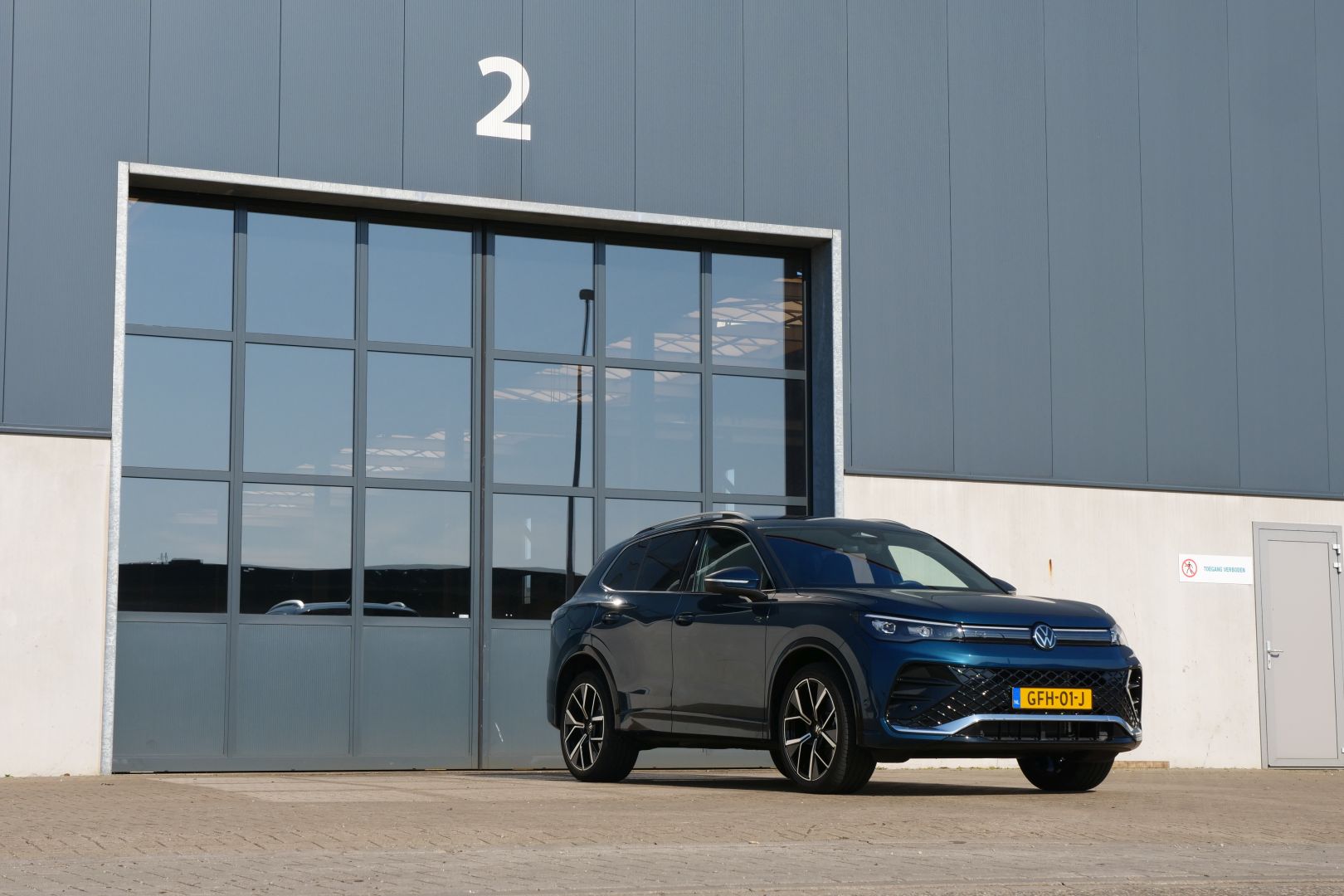
Volkswagen Tiguan (2025) – Still the ultimate family car from Volkswagen?
Friendly mug
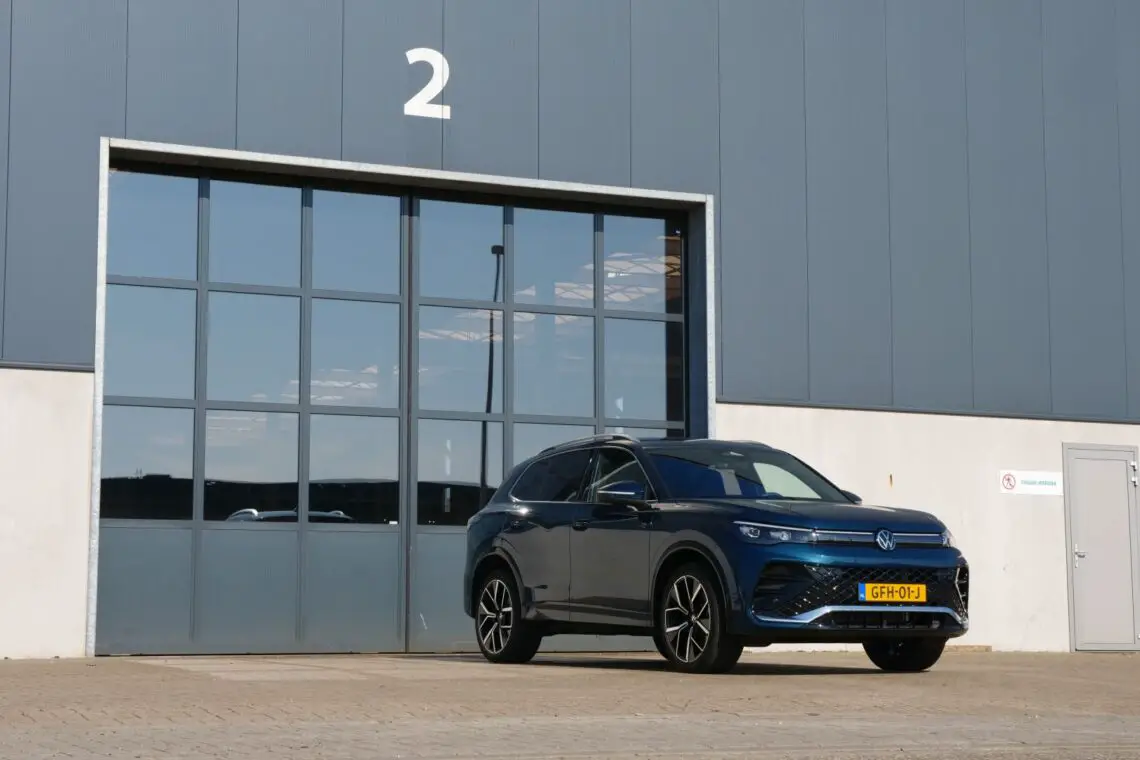
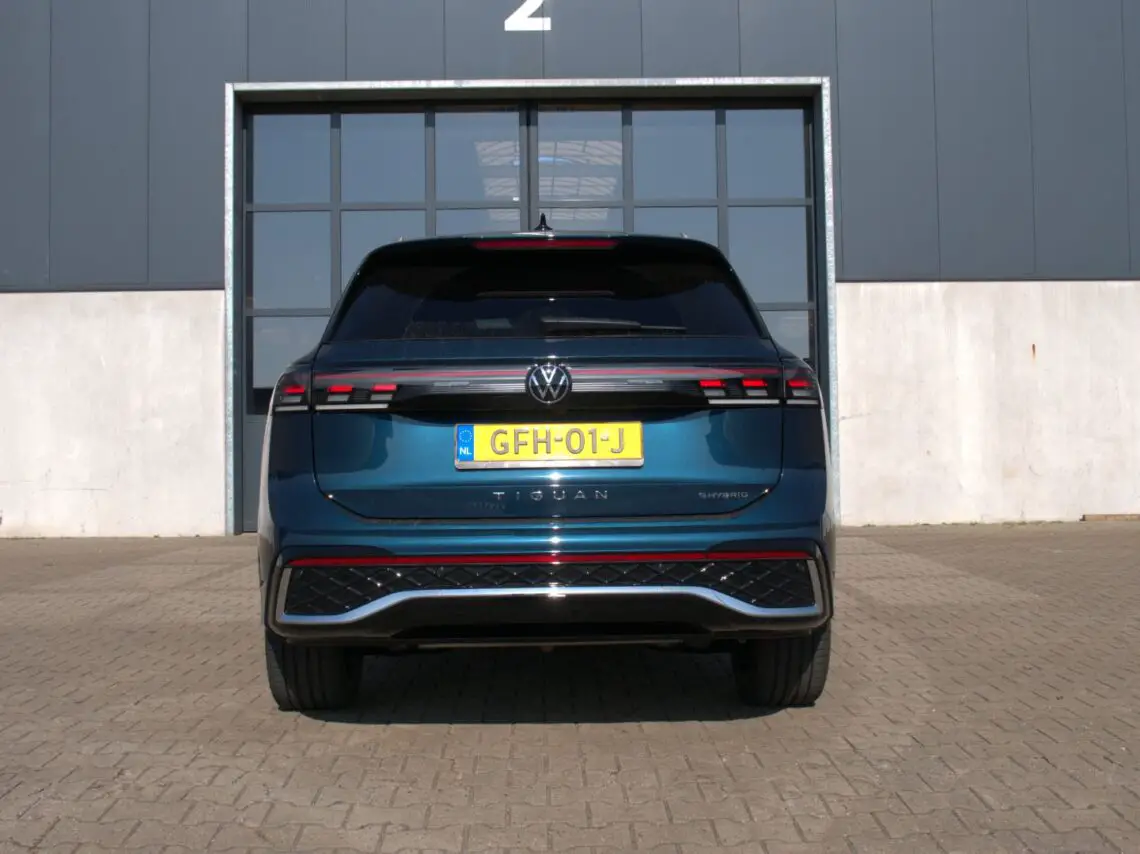
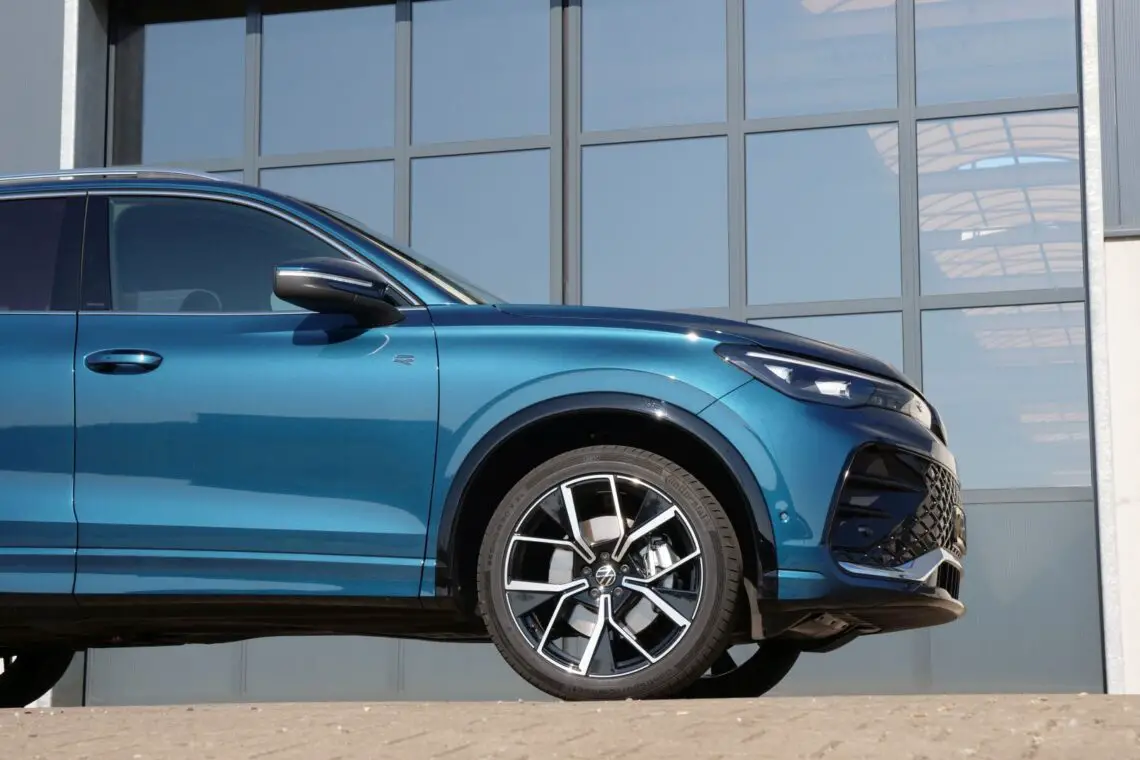
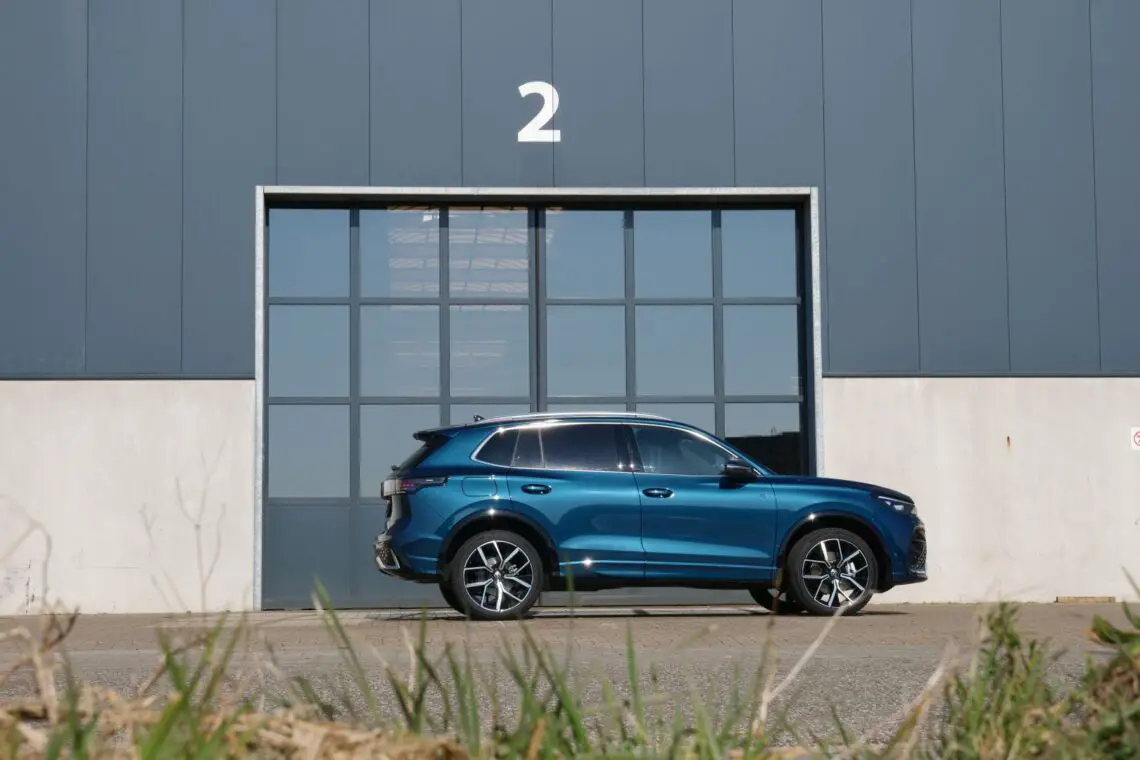
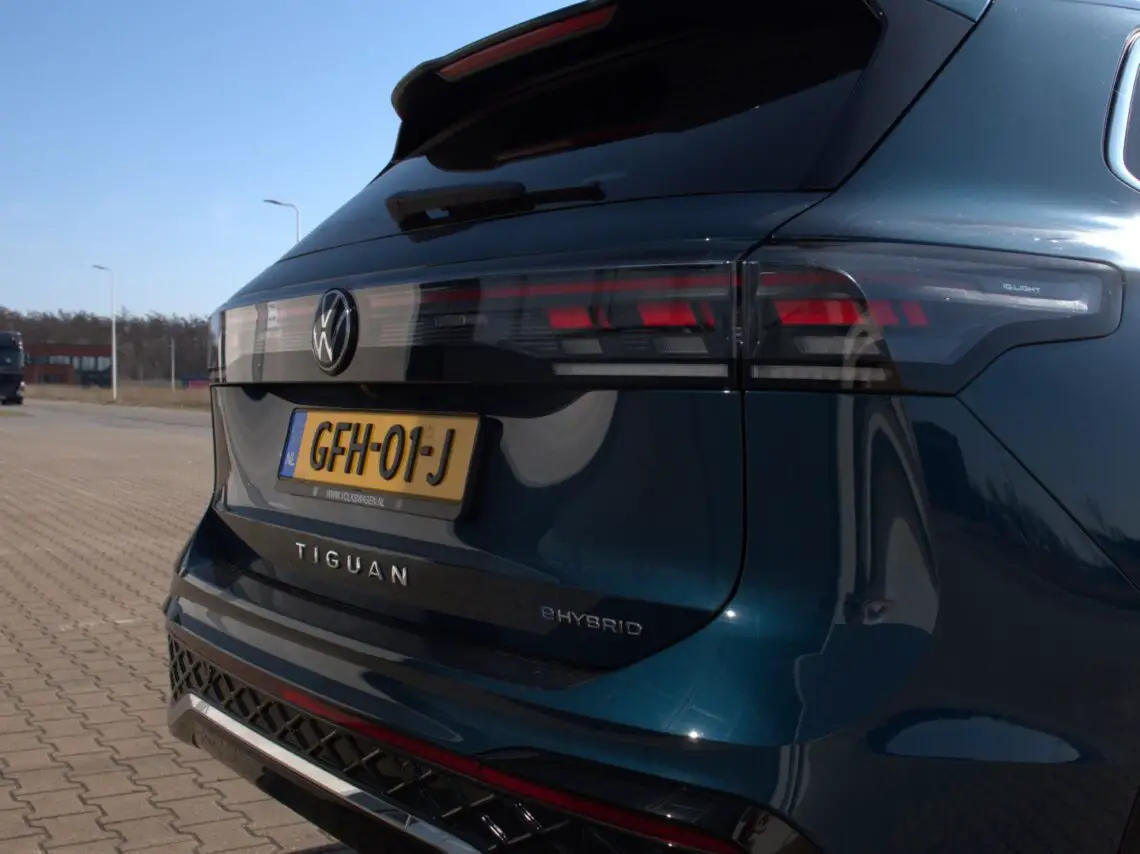
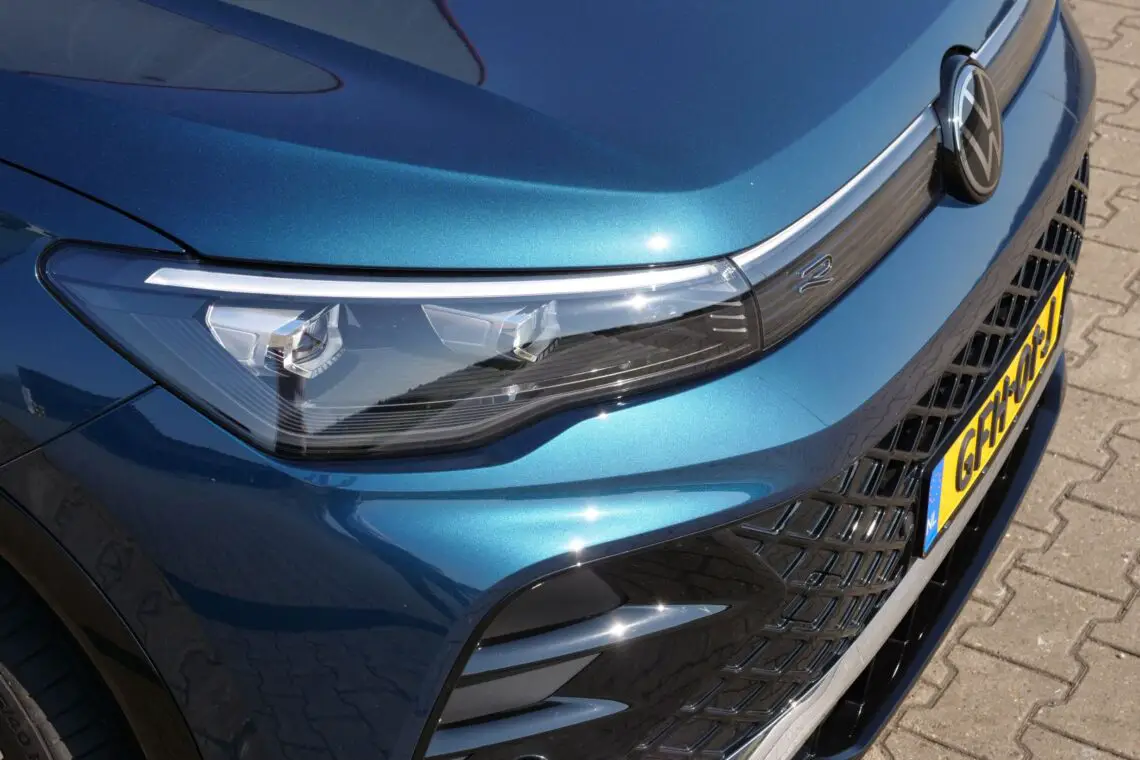
From its first generation, the Tiguan was a practical family car. But it was more than that. Thanks to its angular shape and rugged appearance, buyers felt like they had a tough SUV in their driveway that they could dive straight into the mud with. The new, third-generation Tiguan looks less rugged and has a friendlier face. Rounder shapes, softer lines, and less of an “I’m going into the mountains” look. Volkswagen clearly opts for streamlined efficiency rather than brutal looks. At 4.54 meters long, it is as much as three centimeters longer than its predecessor, but the wheelbase remains unchanged at 2.68 meters.
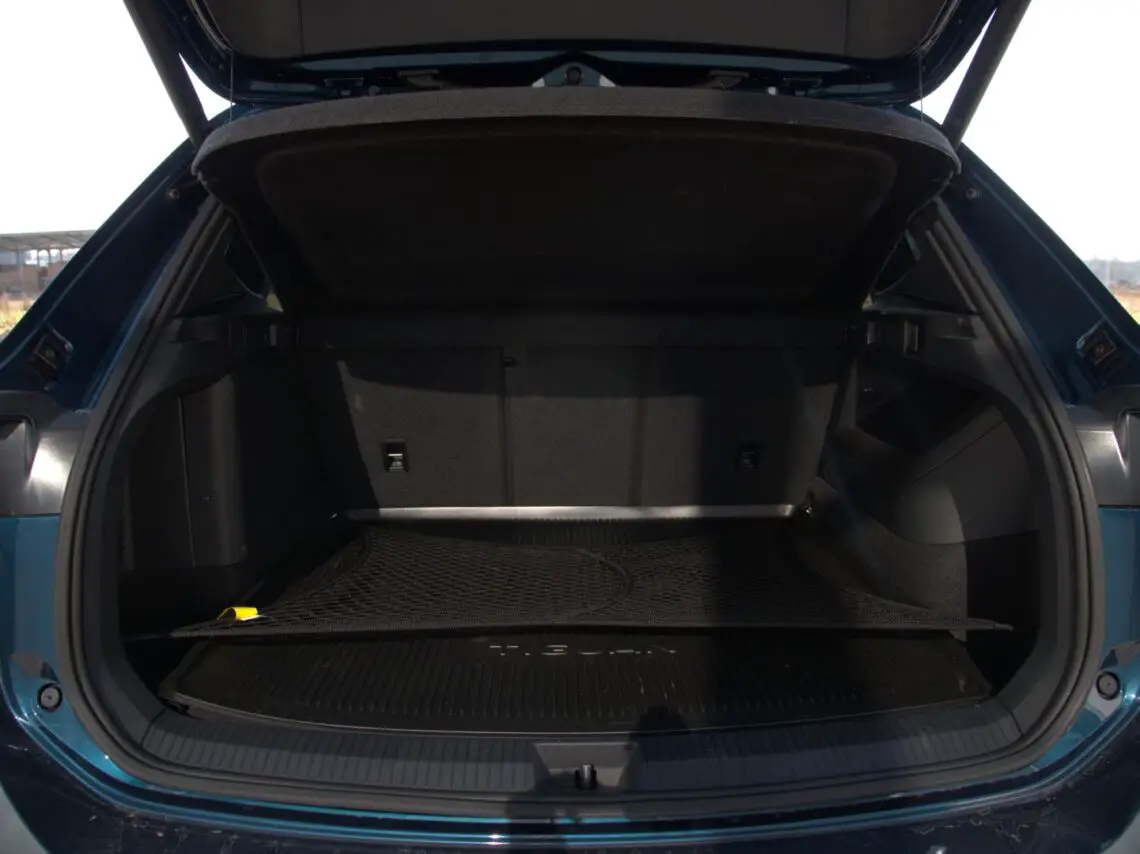
Spatial wonder
Those few extra centimeters do wonders. The luggage space has grown to 652 liters – that’s over 40 liters more than before. Only the plug-in hybrid (eHybrid) loses some space because of the battery, but with 490 liters you still have plenty of room for a stroller, vacation gear or a big load of groceries.
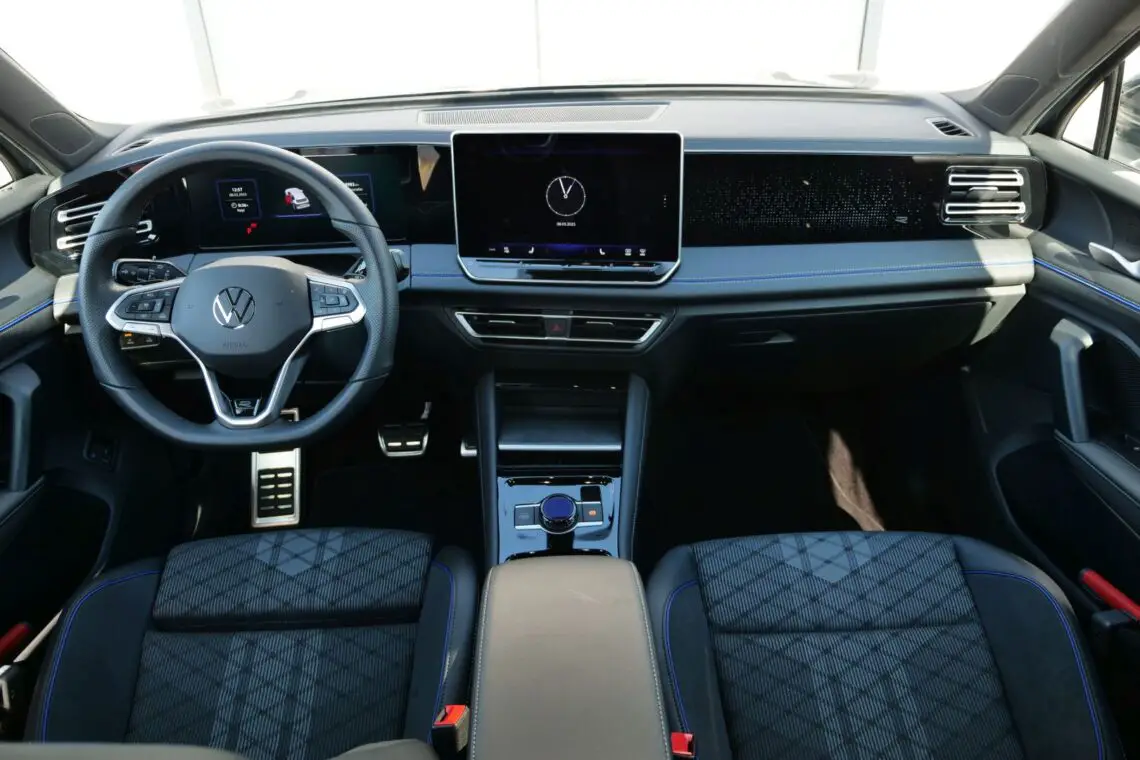
Digital and buttons
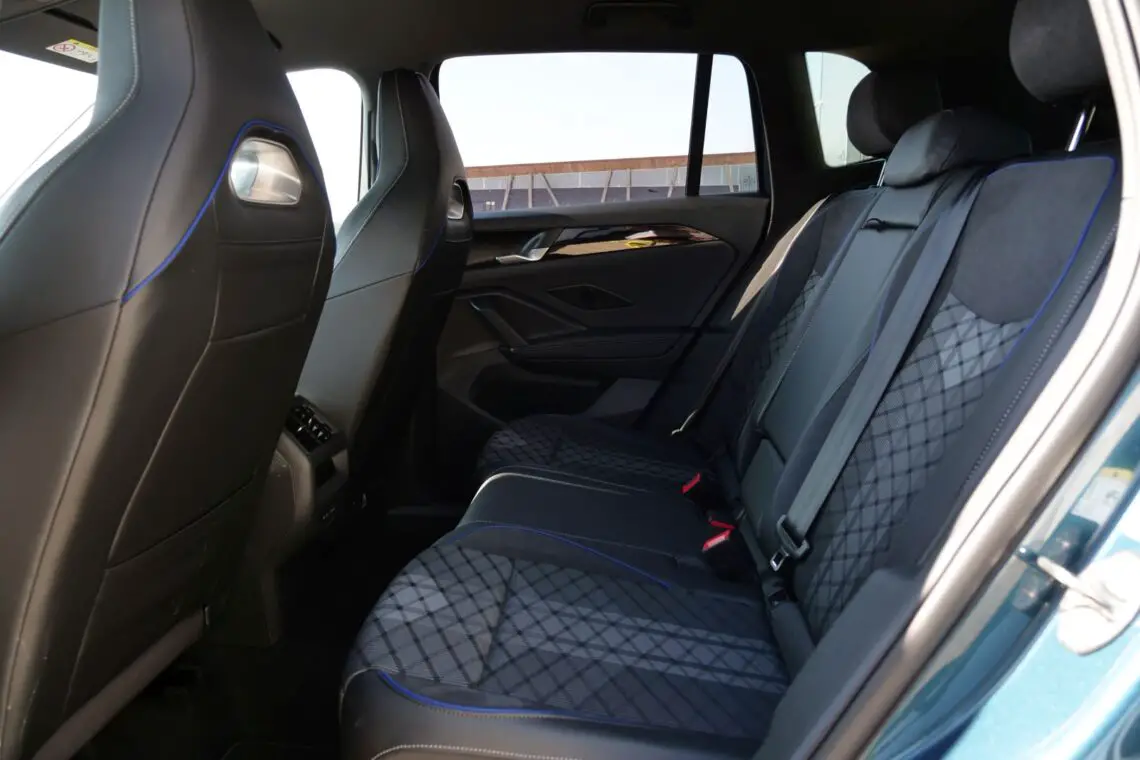
Get in, you immediately notice the large infotainment screen – 13 or 15 inches, depending on the version. But not everything is digital and state-of-the-art. Fortunately, Volkswagen has listened to criticism: physical buttons are back on the steering wheel. The interior is otherwise logically structured and feels familiar. Yes, there is some hard plastic on the lower parts, but the whole thing is solid. The seats are top notch and the seating position is slightly elevated, which makes for an (even) better overview. In the back, even with three adults, you can sit just fine, without pinched knees. In short: nice travel car for the whole family.
Serious EV range
The Tiguan shares its platform (MQB Evo) with the Cupra Terramar and the new Audi Q3, among others. You have a choice of a mild hybrid (eTSI) with 130 or 150 hp, or a plug-in hybrid (eHybrid) with 204 or 272 hp. The latter is a small electric powerhouse, with up to 130 kilometers of range. During our week of testing, we achieved about 100 kilometers on a full battery. And that’s very neat – outside Volkswagen’s “family” there is little competition to match that.
So almost all your trips can be electric with the plug-in Tiguan. In fact, had we not been curious about the performance of the gasoline engine, we wouldn’t have had to fill up a drop of fuel all week. Even on the highway, it drives electric smoothly. Moreover, recharging is surprisingly quick: in a lunch break you recharge about 80 kilometers. In fact, it can fast charge, with 50 kW. At a normal charging station it takes about 2.5 hours to charge the battery to 100 percent.
DCC is standard with the PHEV
The eHybrid comes standard with Dynamic Chassis Control. That’s a Volkswagen term for a smart chassis that adapts to your driving style. In Comfort, the Tiguan glides smoothly over the asphalt. In Sport mode, you notice that it becomes tighter and steers sharper. No, it is not a sports car, but for an SUV of this size, it is surprisingly lively. The electric motor reacts immediately and together with the gasoline engine you always have enough oomph on hand. Even purely electric it feels remarkably smooth, so even the “green miles” don’t have to be boring.
Tiguan versus Tayron
The Tiguan has many competitors, but perhaps the most exciting one comes from its own house: the new Volkswagen Tayron. It stands on the same platform, offers the same powertrains, but more space – and that for about 2,500 euros extra. So the Tayron targets those who want just that little bit extra: more luggage space, more headroom, more … well, car. In the video below, we tell you what the differences between the Tiguan and Tayron are.
Conclusion
The new Tiguan is a modern, comfortable SUV with an impressive electric range if you opt for the PHEV. It drives smoothly, is spacious enough for the family and feels like a big step forward on a technical level. The looks have become a bit braver, but you get peace of mind, efficiency and comfort in return.
Not yet ready for an all-electric car, but want to drive economically and have an electric commute to work? Then the Tiguan PHEV is definitely worth considering. Although it is wise to also check out the Tayron first – for a little extra you get quite a bit more. Oh, and don’t forget that you’ll need to install a charging station at home, otherwise you’re leaving the best of the new Tiguan untapped.