
Volkswagen ID. Polo comes from 25,000 euros, but do you want that basic version?
Volkswagen ID. Polo: Pure Positive
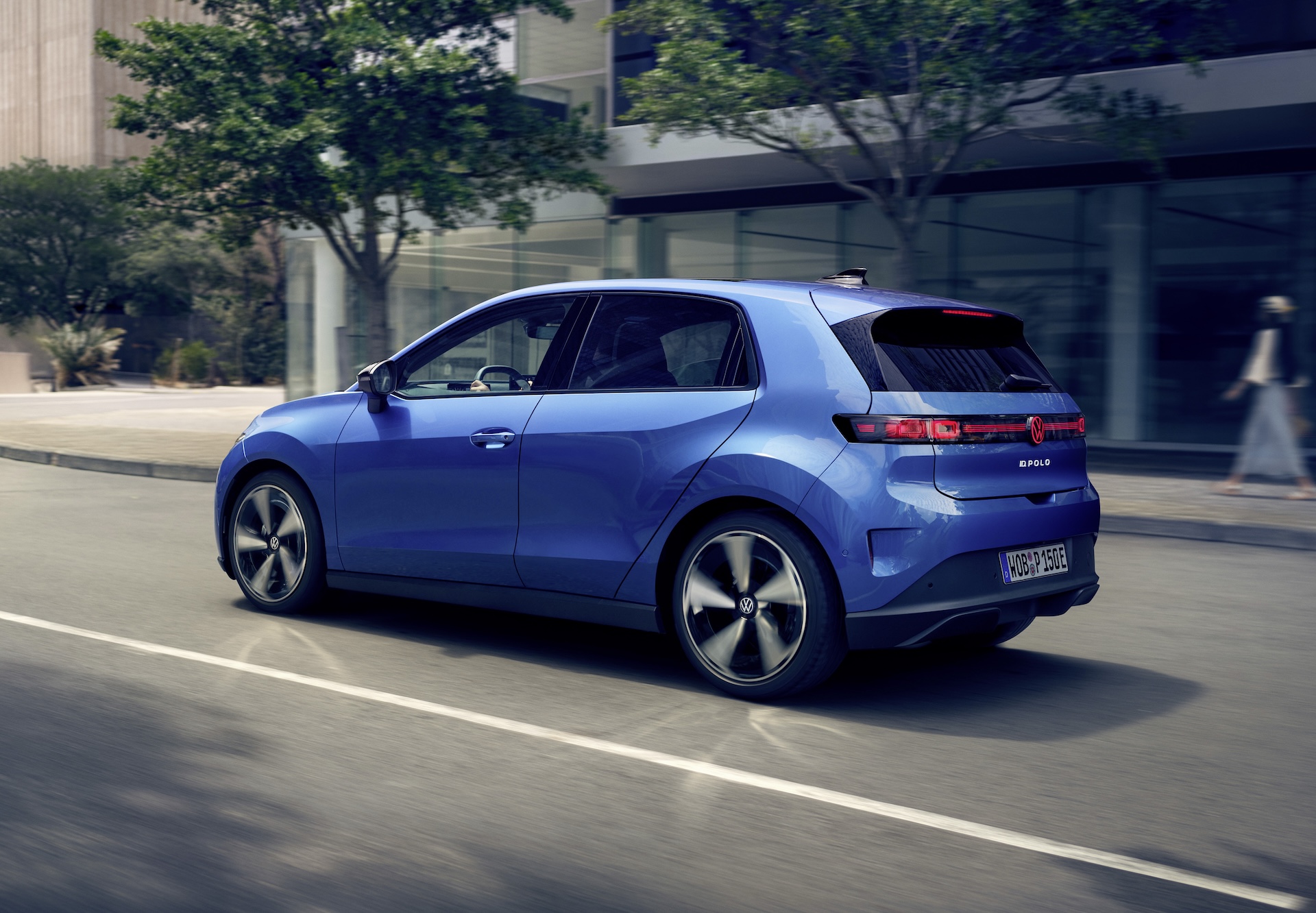
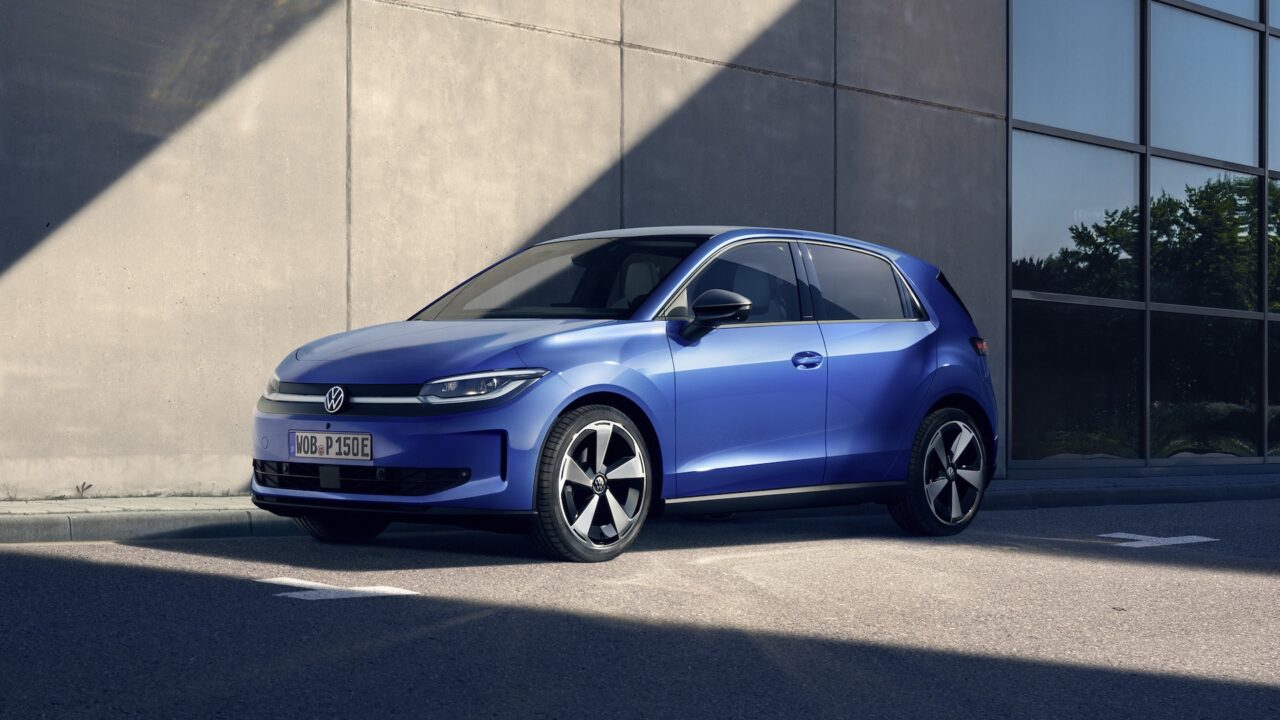
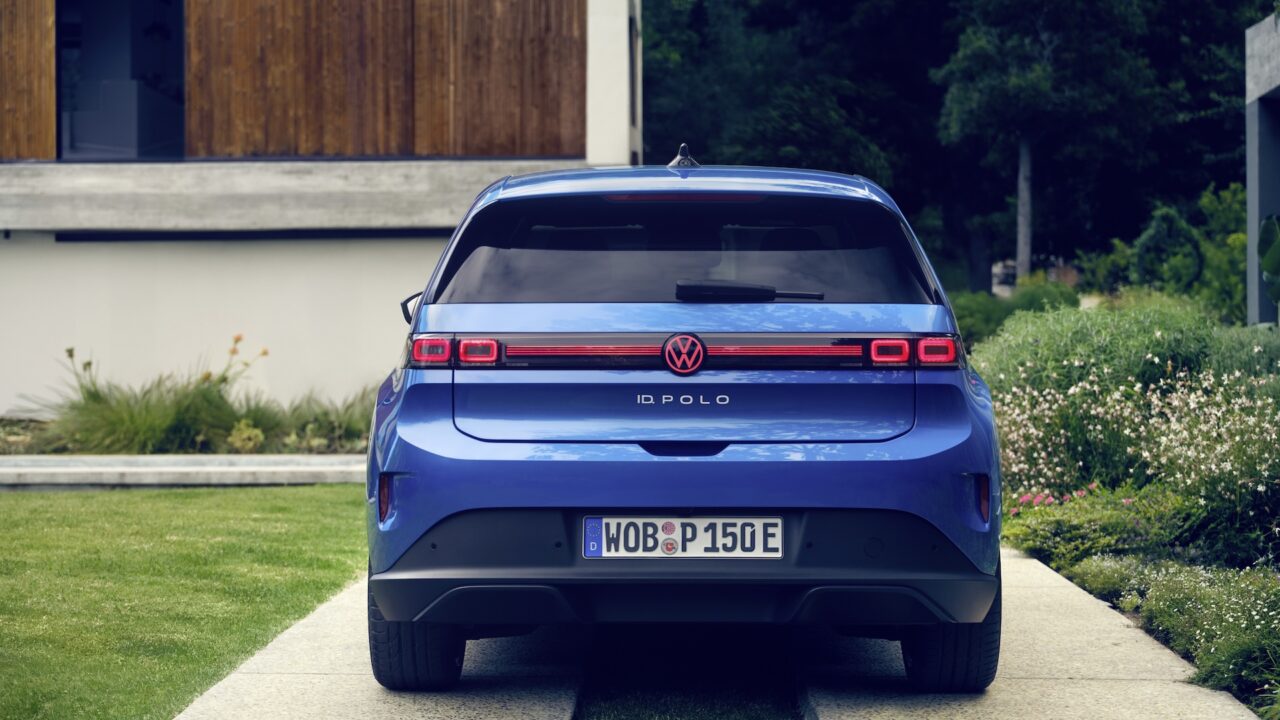
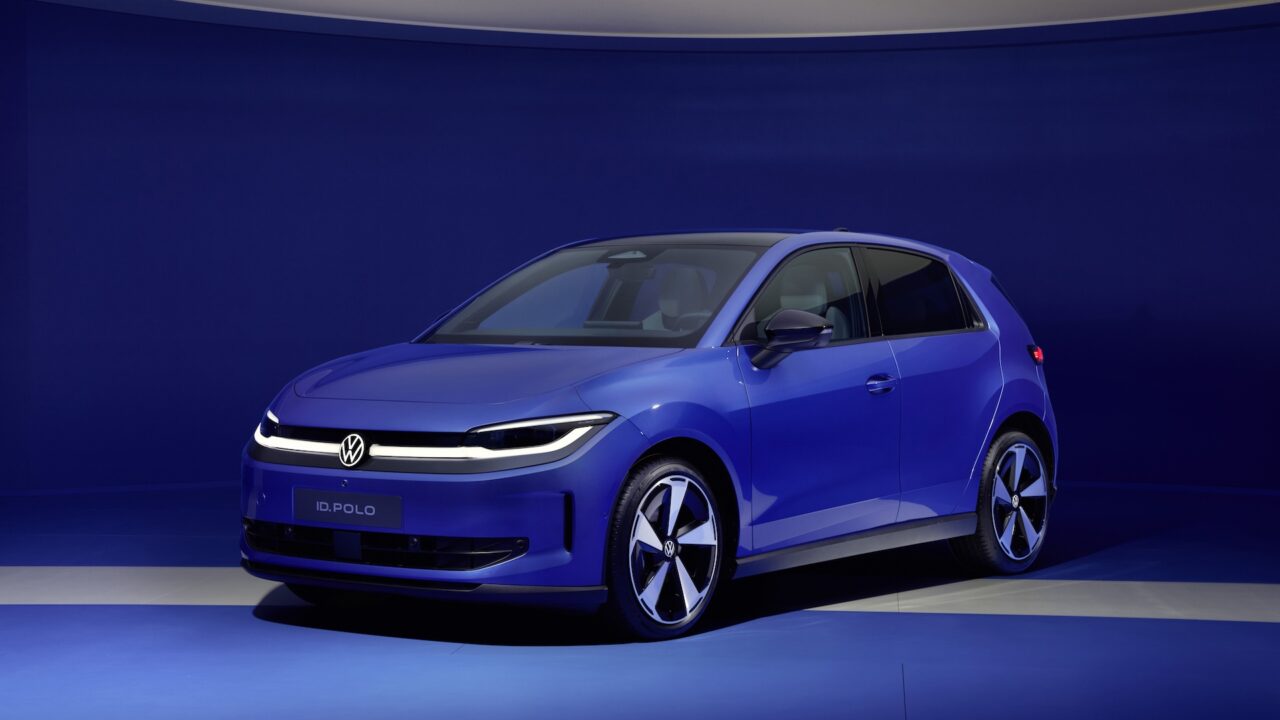
The Volkswagen ID. Polo is the first production model designed according to Volkswagen’s new design language, known internally as “Pure Positive. The design team, led by Andreas Mindt, has opted for a recognizable and accessible look. The design echoes previous models of the brand, with subtle references to iconic cars of the past. For example, the C-pillar is inspired by that of the first-generation Golf. The front looks friendly and uncluttered, while the rear gives a solid impression. The whole makes for a design that is clearly in keeping with Volkswagen’s identity while also fitting within the current times.
EIA+ platform
Under the skin, the ID. Polo uses the MEB+ platform, a further development of Volkswagen’s modular electric platform. This platform allows for more efficient use of available space. Despite its compact exterior dimensions, the car offers a relatively large amount of interior space. This is evident, among other things, in the luggage compartment, which has a capacity of 441 liters. The car measures 4,053 millimeters in length, 1,816 millimeters in width and 1,530 millimeters in height. The wheelbase is 2,600 millimeters, which adds to the interior space.
| Technical data | |
| Drive | MEB+, front-wheel drive |
| Length/width/height/wheelbase | 4,053/1,816/1,530/2,600 mm |
| Min. EU empty weight | from 1,568 kg (37 kWh)/from 1,576 kg (52 kWh) |
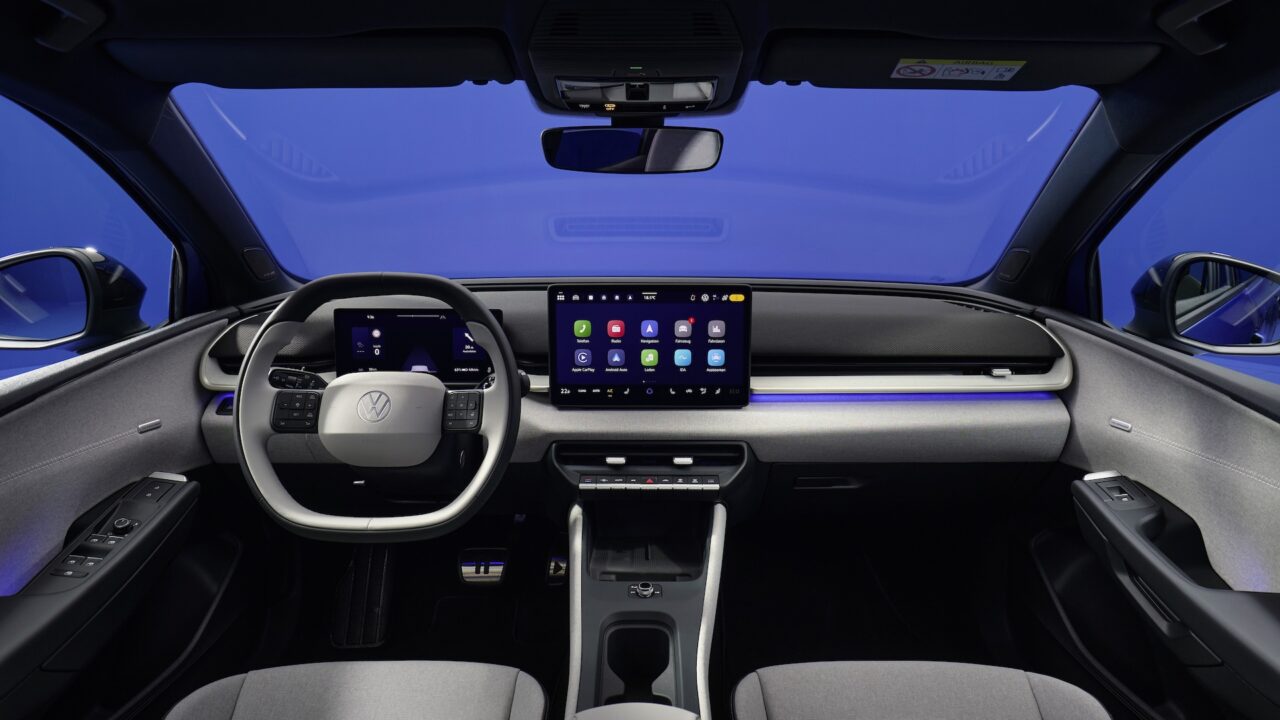
Interior Volkswagen ID. Polo
The new design language has also been implemented in the interior. Volkswagen has chosen a layout that immediately feels familiar. Physical buttons and dials play an important role in this. They ensure that many functions can be operated easily and without distraction. At the same time, attention has been paid to digital elements, such as displays placed in a single visual line. A striking detail is the so-called “retro display,” which refers in design to the instruments of older Volkswagen models. In addition, there is the ID. Light, a light strip that provides information such as navigation and warnings. This not only runs across the dashboard, but is also incorporated into the doors.
Powertrains
The ID. Polo will be available with different powertrains. Buyers can choose from power ratings of 85 kW (116 hp), 99 kW (135 hp) and 155 kW (211 hp). A GTI variant with 166 kW (226 hp) will follow at a later stage. All versions feature a battery pack developed specifically for this model. The entry-level versions with 85 kW and 99 kW have a 37 kWh (net) battery, based on LFP technology. It can be charged at fast chargers with up to 90 kW. According to preliminary figures, a range of up to 329 kilometers is possible according to the WLTP cycle.
52 kWh NMC
The more powerful variants get a battery pack of 52 kWh (net), based on NMC technology. With this, a range of up to about 454 kilometers can be achieved, also according to preliminary WLTP data. Maximum fast-charging power is 105 kW. Although this does not seem exceptionally high on paper, the charging curve plays an important role. With a relatively constant charging rate, the battery can be charged from 10 to 80 percent in about 24 minutes.
Vehicle-to-Load function
In addition to the powertrains, the ID. Polo also offers several technological features that contribute to everyday use. One example is the Vehicle-to-Load function, which allows external devices to be powered. Think of an e-bike or a laptop. Driving assistance systems are also present, such as Connected Travel Assist. This system uses online data and can recognize traffic lights, among other things. In addition, One-Pedal Driving is possible, in which the car can be operated largely with the accelerator pedal. Depending on the version, the ID. Polo can also tow a trailer weighing up to 1,200 kilograms.
Trend, Life and Style
Volkswagen supplies the ID. Polo in three well-known versions: Trend, Life and Style. The Trend version forms the basis and is already equipped with a number of practical and comfort-oriented features. These include LED headlights with high beam assist, a digital instrument panel, an infotainment system with a 10-inch screen and automatic air conditioning. Rear parking sensors and various driver assistance systems are also standard.
The Life version adds additional features in terms of comfort and convenience. For example, this version has Adaptive Cruise Control, a rearview camera and additional front parking sensors. Digital features such as smartphone integration via Apple CarPlay and Android Auto are also included. There is also a variable boot floor, which increases practicality.
The Style version focuses more on trim and extra equipment. This version includes matrix LED headlights, 3D LED taillights and an illuminated logo on the front and rear. Standard equipment also includes 17-inch alloy wheels. The interior features sport seats, ambient lighting and additional comfort features such as seat and steering wheel heating and dual-zone automatic climate control.
Additional packages
For those who want additional options, Volkswagen offers additional packages. These emphasize technology and comfort. For example, a Harman Kardon audio system is available with multiple speakers and a subwoofer. A panoramic roof is also among the options. A notable option in this segment is the massage function for the front seats, which are electrically adjustable.
Basic version Volkswagen ID. Polo a good choice?
The big question: do you want the base version of the Volkswagen ID. Polo? Or would you be better off saving up for a variant with a larger battery pack? Which is the best choice? That base version sounds attractive on paper, but you have to see it in the right context. This is because the difference between LFP and NMC determines how you use the car in practice.
The entry-level version with 37 kWh and LFP battery is especially interesting if you use the car as many Dutch people do: short trips, commuting, errands, occasional trips. In this case, you get about 329 kilometers of range, a relatively lower purchase price and LFP chemistry (robust, durable, charge to 100% with impunity). LFP is also less prone to long-term wear and tear. But there are drawbacks as well, such as lower energy density and thus smaller range. The smaller battery is fine if you do little driving or can charge at home/work.
Then the more expensive 52 kWh NCM battery. This actually changes the car completely. You get up to 454 kilometers of driving range in this case, more power and the car is more usable for longer trips. NMC technology has higher energy density and offers better performance, but you can’t charge to 100% with impunity. In other words, the battery is slightly more susceptible to degradation when structurally charging 100% (so charging to 80-90% more often is better). The base version is not necessarily “the wrong choice,” but rather a conscious choice.
Guarantee
In terms of service and warranty, the ID. Polo follows the line of other electric models from Volkswagen. The car comes with five years of maintenance. The battery pack is guaranteed for eight years or a maximum of 160,000 kilometers. In addition, roadside assistance is available in Europe, available day and night. In case of a technical problem, support is provided within a few hours.
Produced in Spain
The development and design of the ID. Polo took place in Wolfsburg, while production is done in Spain. Thus, Volkswagen is combining German engineering with European production capacity. With this new electric variant of the Polo, the brand is betting on a model that responds to the growing demand for compact electric cars, without renouncing the characteristics that the Polo name has accumulated over the years.