
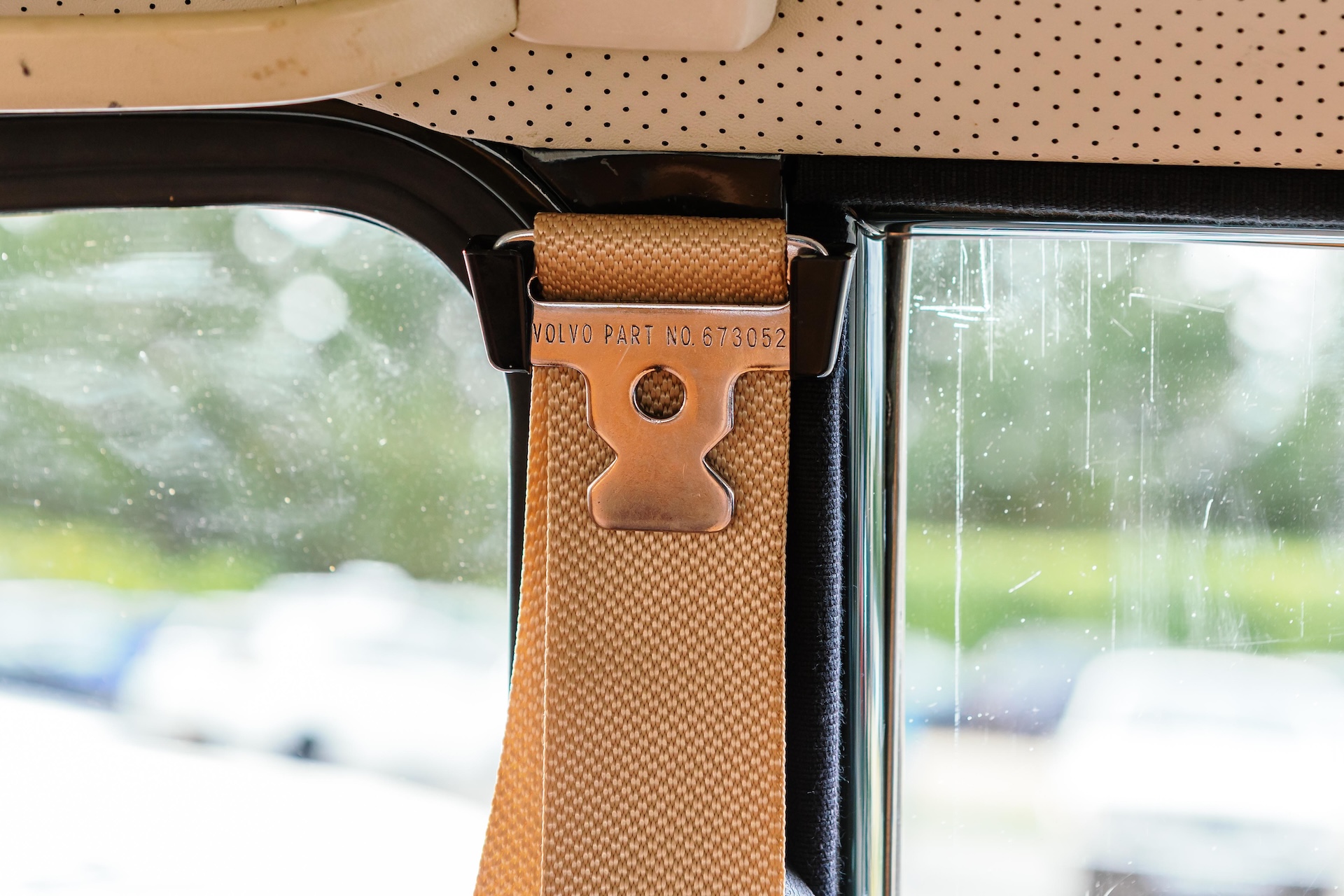
This safety feature in cars has been around for 70 years
The first step: 1956
The history of the modern seat belt begins in 1956. In that year, Volvo experimented with a new safety feature in a prototype Volvo Amazon. The car received a two-point diagonal belt that ran across the chest. That may seem primitive today, but at the time it was a progressive idea.
In fact, seat belts existed before, but they were hardly used in passenger cars. Moreover, the systems were often clumsy or ineffective. Volvo’s diagonal belt was a first attempt to better protect occupants in the event of a collision. Shortly thereafter, this belt became available as an option on production models. This made Volvo among the first car manufacturers to introduce seat belts to the European market.
The 1959 revolution
The real breakthrough came three years later. In 1959, Volvo introduced a completely new type of seat belt: the three-point belt. It was developed by Volvo engineer Nils Bohlin. His design combined a lap belt and a diagonal shoulder belt anchored together at one low attachment point next to the seat. That configuration distributed the forces of impact to the strongest parts of the body: chest, pelvis and shoulders. The principle was simple, effective and easy to use. That is precisely why the design became so successful. In 1959, the three-point belt was fitted as standard in all Volvo cars for the Swedish market. This made Volvo the first car manufacturer in the world to use this seat belt as standard in its cars.
A patent that changed the world
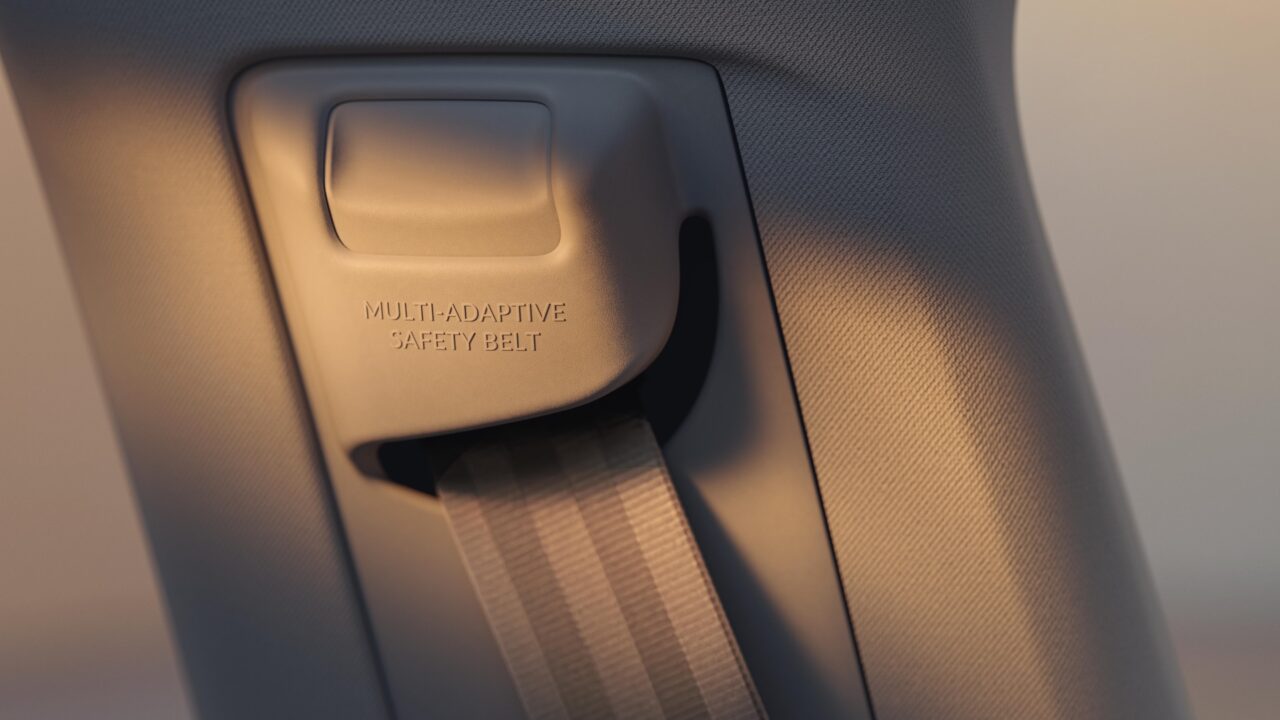
What followed was perhaps one of the most remarkable decisions in automotive history. Volvo decided to make the patent for the three-point seat belt available to other car manufacturers free of charge. Instead of keeping the technology exclusive, the brand chose to share the invention. The goal was clear: to save as many lives as possible as quickly as possible. This allowed other car manufacturers to adopt the technology directly without paying licensing fees. This ensured that the three-point seat belt quickly spread throughout the auto industry. Not much later, seat belt use also became a legal requirement in many countries. The combination of better technology and legislation ensured that seat belts became commonplace worldwide.
Millions of lives saved
Today, the three-point seat belt is a natural part of every car. The basic construction devised by Nils Bohlin in 1959 is still in use today. According to road safety organizations, the seat belt has saved millions of lives worldwide. In a severe collision, the belt holds occupants in place, prevents them from being thrown against the interior or other passengers, and reduces the likelihood that they will be ejected from the car. It is a textbook example of how a relatively simple technical solution can have a huge impact on road safety.
Toward a new anniversary
The milestone of seventy years of the seatbelt comes at a special time for Volvo. In fact, in 2027, the brand will celebrate its centennial.