
The future of the hybrid car
What do we mean by a hybrid car?
A hybrid car combines a fuel engine with an electric motor (or several). The electric motor basically supports the fuel engine while driving, resulting in lower fuel consumption and CO2 emissions than a conventional gasoline or diesel car. There are several types of hybrids:
- Mild hybrid: the electric motor provides support to the fuel engine, mainly during acceleration, but cannot independently drive the car.
- Full hybrid: the electric motor can drive the car independently and emission-free over short distances, for example in the city.
The battery in these hybrids recharges while driving when you release the gas and when you brake.
- Plug-in hybrid (PHEV): this type features a larger battery that can be charged via a plug at a charging point. Plug-in hybrids can often travel longer distances fully electric.
Hybrids are popular with motorists who still find the transition to all-electric driving too big.
European regulations and the fuel engine deadline
The European Union has ruled that from 2035 new cars with a fuel engine may no longer be sold. That means gasoline, diesel and hybrid versions will disappear from showrooms. The only exception is for vehicles that run on so-called “e-fuels“: synthetic fuels that are theoretically climate-neutral.
Until then, hybrid cars are likely to remain available, although demand for them will decline – after all, hybrids are an intermediate solution. Automakers, meanwhile, are investing billions in all-electric platforms, while the development of new hybrids takes a back seat.
The transition period to 2035
Over the next ten years, hybrids will continue to play an important role. For many drivers, a plug-in hybrid is a logical choice: you have the option of driving to and from work electrically every day, while retaining the security of a fuel engine for longer journeys.
Manufacturers such as Toyota, Hyundai, BMW and Mercedes-Benz have greatly expanded their range of hybrid models. Consider, for example, SUVs with plug-in hybrid powertrains with large combined outputs of more than 200 kW (270 hp). Compact models often feature mild hybrid powertrains to reduce fuel consumption to meet increasingly stringent environmental requirements.
What happens after 2035?
No new fuel-engine cars may be sold after 2035 – including hybrids. However, this does not mean that hybrid cars will disappear from the road. You can just keep driving them. On the used market, hybrids will remain available for a longer time, because cars today can easily last 20 years. This means that you will still see hybrids on the road around 2045 and beyond, and that gasoline will remain available for the time being.
The question is, however, how attractive hybrids will still be. As electric cars become cheaper – we hope for that – and offer a longer range and the charging infrastructure improves, hybrids will lose their advantage. Moreover, with stricter rules for environmental zones, European cities may also start banning hybrids, just as is already happening with older diesel cars.
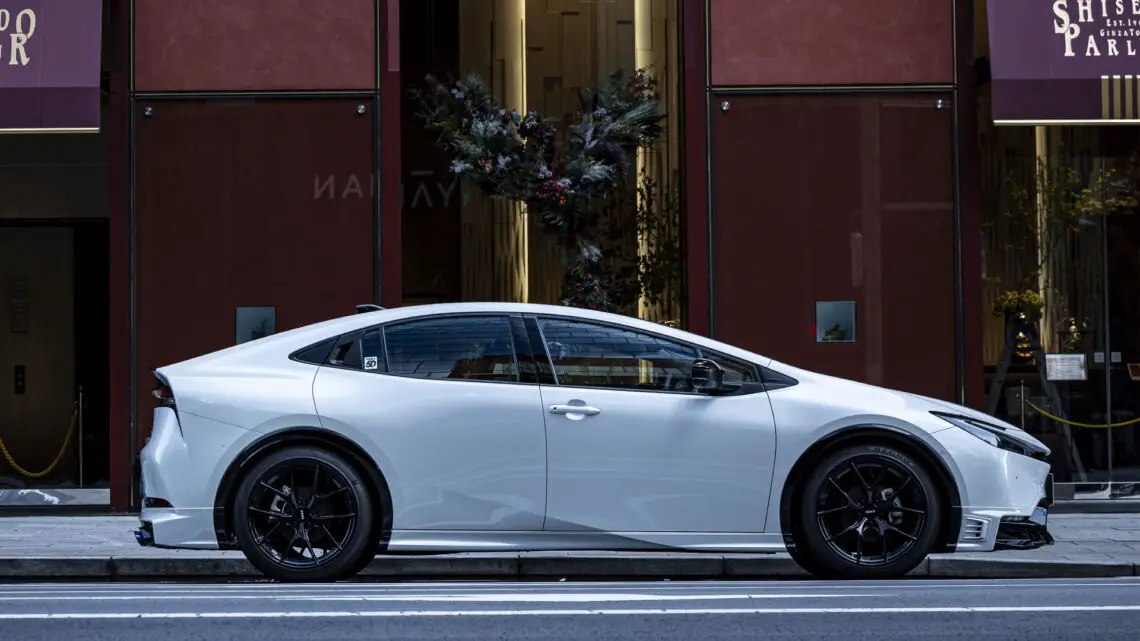
Are hybrids becoming unmarketable?
New: absolutely, after 2035 they will disappear from showrooms entirely. Until then, sales are probably already slowly but surely declining – as is the supply, as automakers shift their focus increasingly to all-electric.
Used: no, not for now. Hybrid cars will remain marketable for years to come. For many motorists, they offer a compromise between electric and conventional driving. Nevertheless, residual value will eventually come under pressure, especially for hybrids with a relatively small battery or limited electric range. A car that still looks attractive in 2025 with 50 kilometers of electric range will be obsolete in 2035 compared with a new electric car that can travel 700 kilometers on a single charge.
The role of fleet electrification
Ongoing electrification has implications for hybrid cars. As more and more countries invest in charging infrastructure, the disadvantages of all-electric driving are diminishing. In the Netherlands, you can already charge almost everywhere, and the charging network is only expected to grow further over the next decade.
Batteries are also becoming cheaper and more efficient. Ten years ago, electric cars often did not get further than 150 kilometers, nowadays new electric models theoretically reach 500 kilometers and more. This effectively makes the hybrid car obsolete: the original advantage of “the security of a gasoline tank” disappears.
Influence of taxes and regulations
The government encourages electric driving through tax breaks – albeit less and less. Hybrids benefit less from tax breaks, especially as all-electric cars become the norm. In the Netherlands, plug-in hybrids are currently subject to a lower additional tax rate, but this will expire in 2026. Motor vehicle taxes are also bound to go up further for fuel-engine cars – including hybrids. This will make electric cars less and less óne attractive financially. But the government is also increasing the motor vehicle tax for fully electric cars: up to and including 2024 it was 0, in 2025 you had a 75 percent discount on the rate, from 2026 to 2028 it will only be 30 percent, in 2029 it will be 25 percent, and from 2030 – when there is almost no escape anymore – you will pay full price for your heavy electric car…
Emotion and car enthusiasts
Yet it is not just a matter of technology and regulations. For many motorists, emotion plays a role. At least a hybrid car still combines the sound and feel of a fuel-engine car. For enthusiasts, driving a quiet electric car feels uncomfortable and unnatural. They say they miss the emotion and power-building of a gasoline engine.
Future scenarios for the hybrid car
Short term (2025 – 2030): hybrids remain popular, especially plug-in hybrids. They are attractive to drivers who regularly drive longer distances.
Medium term (2030 – 2035): manufacturers shift their investments entirely to the development of electric models. The supply of hybrids shrinks, but they remain available.
Long term (after 2035): sales of new hybrids stop completely. The used market remains, but residual values decline and environmental regulations make driving less and less attractive.
Hybrid not a stayer
The hybrid car is not a keeper, but an important intermediate step. Until 2035, this drive technology is important in the transition to all-electric driving. But by then, the focus will be entirely on electric cars. Hybrids, however, will continue to drive around European roads for years to come. But their appeal is gradually waning. For those looking for a new car now, the hybrid remains a fine choice. In the long term, however, the future seems clear: The future, as it looks now, is electric.