
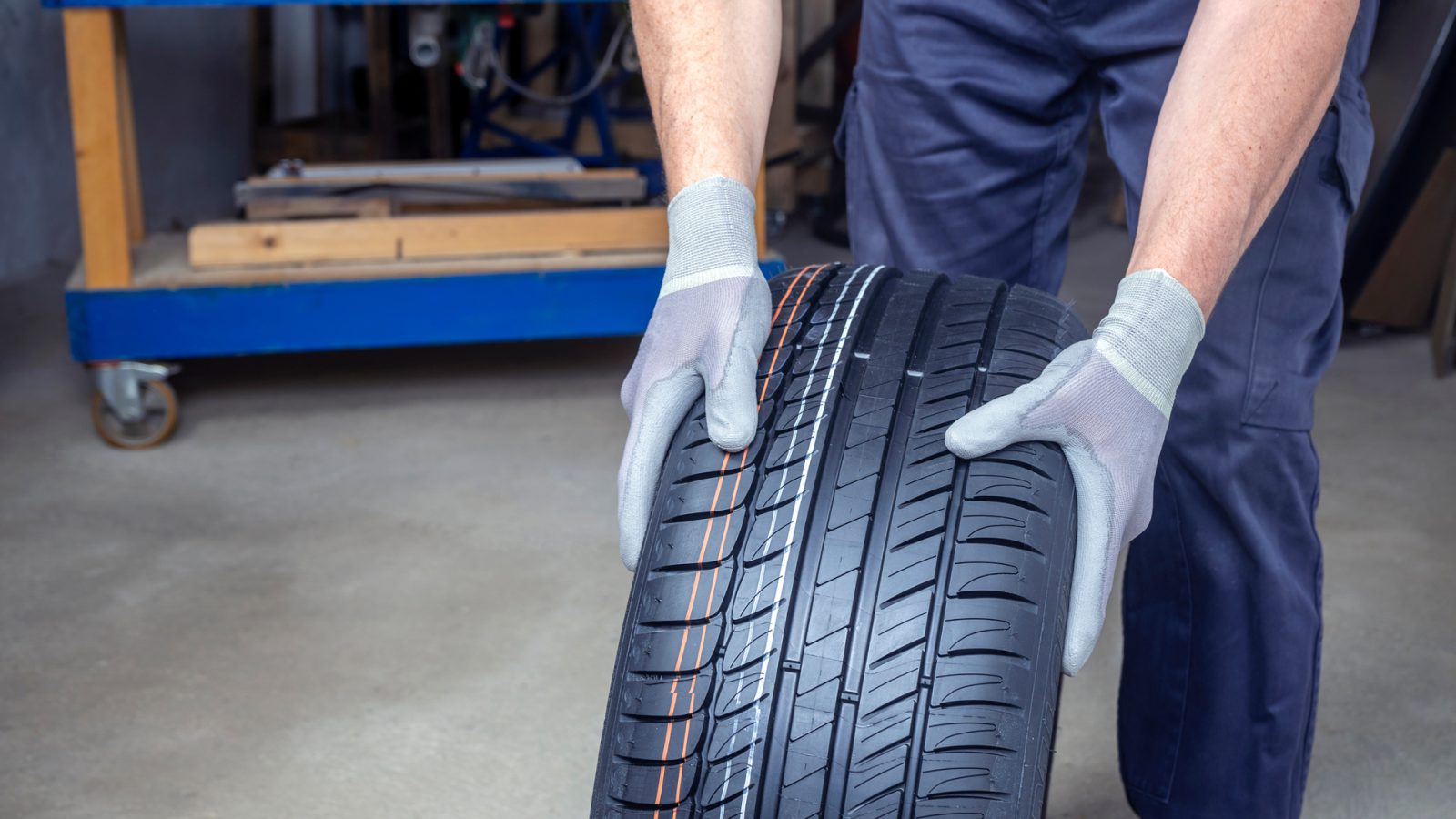
The best all-season tires according to the ANWB in 2025
Popular size
The ANWB has reviewed a whole range of all-season tires. For the test, the consumer organization chose tire size 225/45 R17, a popular size among mid-range cars such as the Volkswagen Golf, BMW 1 Series, Mercedes-Benz A-Class, Opel Astra and Peugeot 308. Test car on duty: the Volkswagen Golf VIII, which was tested in Italy, Germany and Finnish Lapland on dry, wet and winter road surfaces, respectively. Why such a comprehensive test? Because an all-season tire should perform as well as a summer tire in summer and as well as a winter tire in winter – and these are quite different worlds.
What does the test say?
That all-season tires are starting to come of age. Not only is the average performance level getting closer and closer to that of seasonal specialty tires, but four tires in this test score the final “good” rating for the first time. The Goodyear Vector 4Seasons Gen-3, Continental AllSeasonContact 2, Pirelli Cinturato All Season SF3 and Bridgestone Turanza All Season 6 are the tires that score well on both dry, wet and winter road surfaces. This puts them closest to the ideal all-season tire. Michelin and Dunlop also score adequately, showing that premium brands still lead the way.
Big difference between top and flop
Yet the picture is not purely positive. Of the 16 tires tested, four received an unsatisfactory rating and four were even labeled “bad. In other words: certainly not every all-season tire is a safe choice. The difference in braking distance on wet roads between a good and a bad tire can easily be tens of meters. In practice, this means: where one car stops, the other continues to drive at 40 km/h. And that’s just the kind of surprise you’d rather not have.
At the bottom of the list are the CST Medallion ACP1, APlus AS909, Arivo Carlorful A/S and Petlas Multi Action PT565. Think downright unsafe performance on wet surfaces or hardly any control on snowy roads. Between top and flop are also a few doubtful cases: tires from Vredestein, Barum, Nexen and Superia that fall just short of the mark, often due to poor grip at higher temperatures or unstable handling.
Cheaper alternative?
All-season tires are becoming increasingly popular, in part because of their practical benefits as well as cost savings. No more storage or changing costs and you drive all year round on one set. Sounds good, but the ANWB warns: don’t be seduced by a low price alone. Cheap tires that score poorly in safety tests can end up being more expensive – think extra wear and tear, higher fuel consumption or worse: an unsafe situation.
Practical tips for tire changers
Those who are now thinking with conviction, “I’m going for all season, too,” would do well to keep a few things in mind:
- Buy four tires of the same brand and type.
- Note the production date: no older than three years.
- Check tire pressure monthly.
- Change front and rear tires after 10 to 15 thousand kilometers.
- Base your choice on test results, not price tags.
Would you rather buy summer tires anyway? Then read: Summer tire test 2025: These summer tires are dangerous (and these are just the best)