
SUVs with the lowest CO2 emissions
Electric SUVs: emission-free driving
Electric cars have zeroCO2 emissions while driving. Of course,CO2 is released during production and power generation, but on the road itself they are emission-free. In the Netherlands, the choice of electric SUVs is now wide, from compact models to luxury premium SUVs. We provide a small, random selection.
Compact class
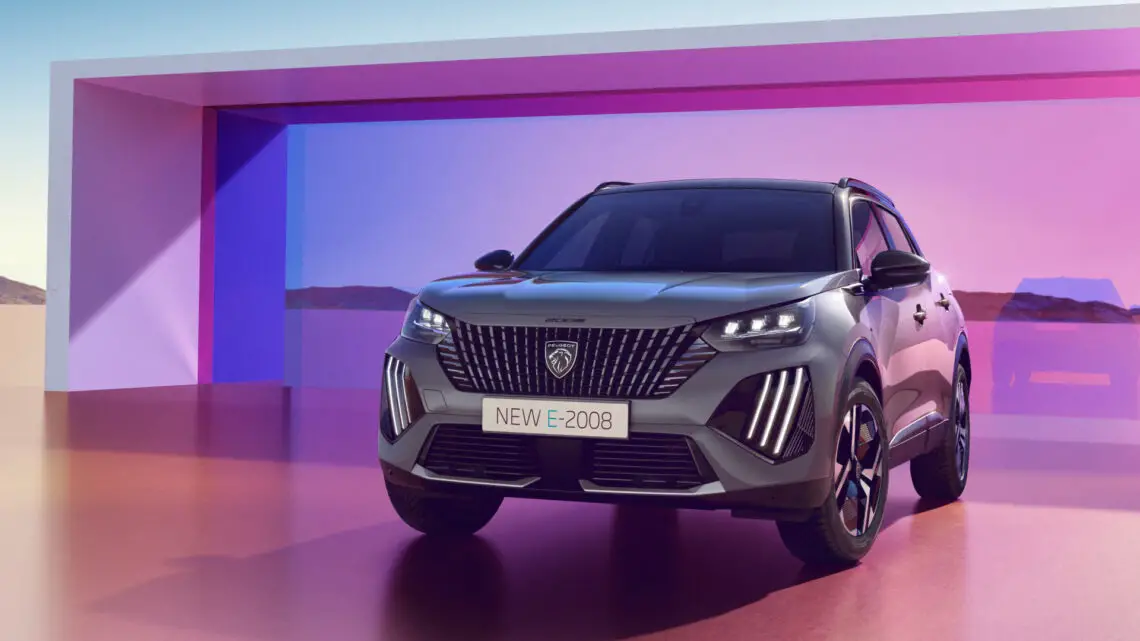
Peugeot e-2008
The Peugeot e-2008 has been updated in 2025. With a battery pack of 54 kWh (was 50 kWh) and a range of about 400 kilometers, this model is ideal for those who mainly drive in heavy urban traffic. The engine delivers 115 kW (156 hp). This Peugeot is compact, agile and fully electric: 0 grams ofCO2 per kilometer.
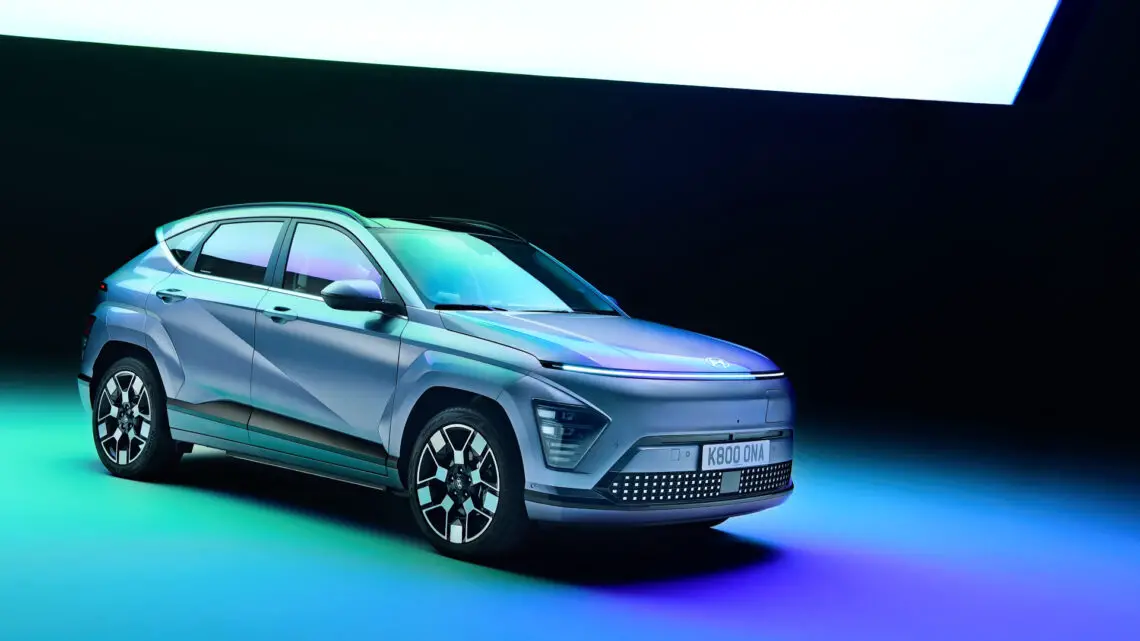
Hyundai Kona Electric
The updated Hyundai Kona Electric offers a choice of two battery packs (48 and 65 kWh). The most powerful version has 160 kW (218 hp) of power and a range of over 500 kilometers. Thanks to its compact size, this model is ideal for urban use, but it is also suitable for longer trips.
Mini Aceman
The Mini Aceman is the smallest electric SUV on the market. It comes with 42 and 54 kWh batteries and power ratings from 135 to 190 kW (184 to 258 hp). The range – depending on the battery and power output is between over 300 and over 400 kilometers.
You can also look at models such as the Fiat 600e, the Opel Frontera Electric and the Citroën ë-C3 Aircross.
Mid-range
Volkswagen ID.4
The Volkswagen ID.4 remains a popular choice in the mid-size segment. The SUV is available with various battery packs ranging from 52 to 77 kWh. The strongest version delivers 250 kW (340 hp) and has a range of up to about 515 kilometers. Again, noCO2 emissions while driving.
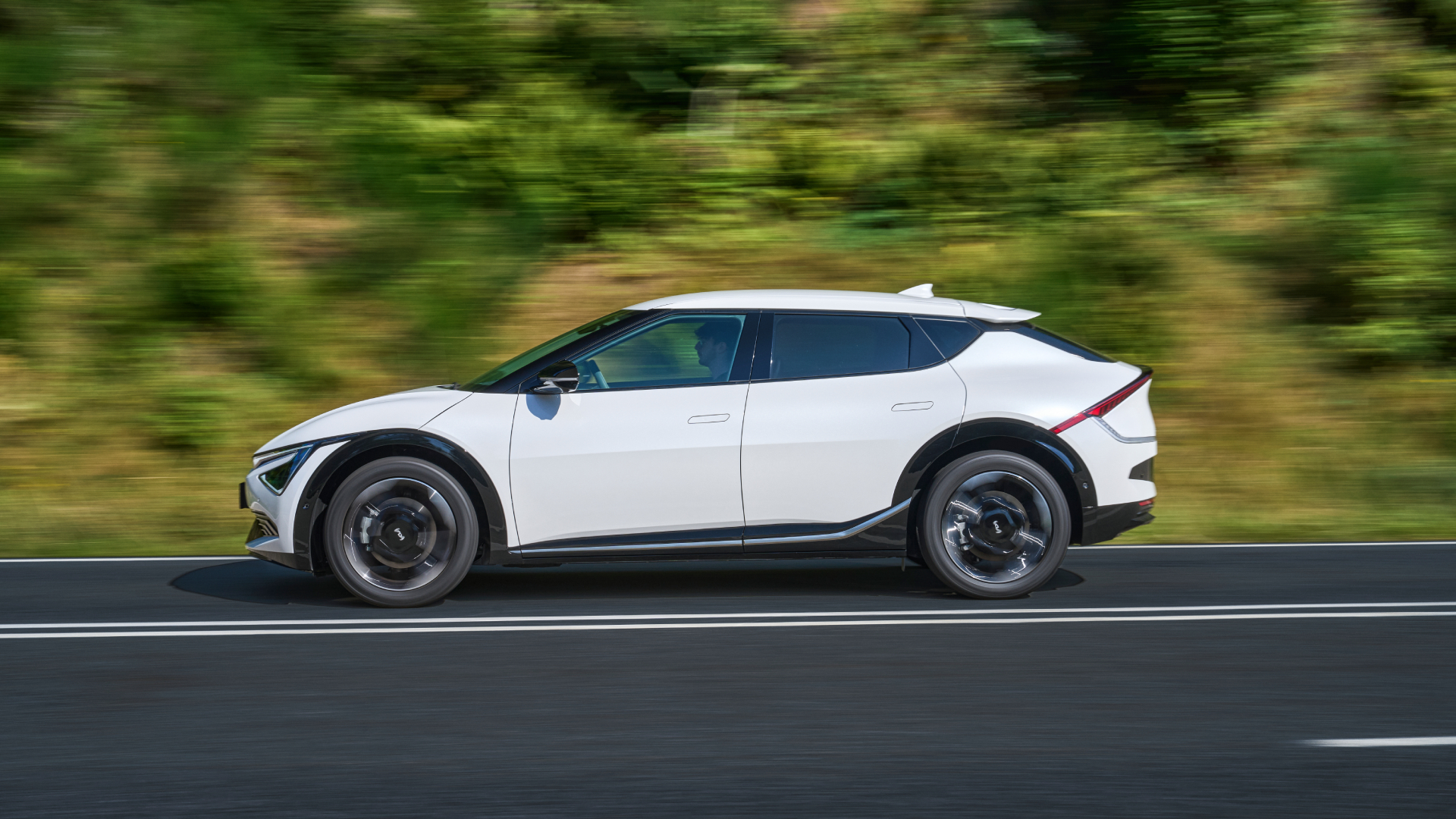
Kia EV6
The Kia EV6 is a sporty electric crossover SUV. With power ratings ranging from 125 to 478 kW (170 to 650 hp) in the twin-engine, all-wheel-drive GT version, it offers both efficiency and performance. Depending on the version, the range is 420 to 580 kilometers.
Tesla Model Y
The Tesla Model Y is among the best-selling EVs worldwide and is also a major player in the Netherlands. The rear-wheel-drive Long Range variant achieves more than 620 kilometers on a full 78 kWh battery. The range of the base version with 60 kWh battery is 500 kilometers.
Other midsize electric SUVs include the Hyundai Ioniq 5, the Smart #5 and Skodas Elroy or Enyaq.
Higher segment
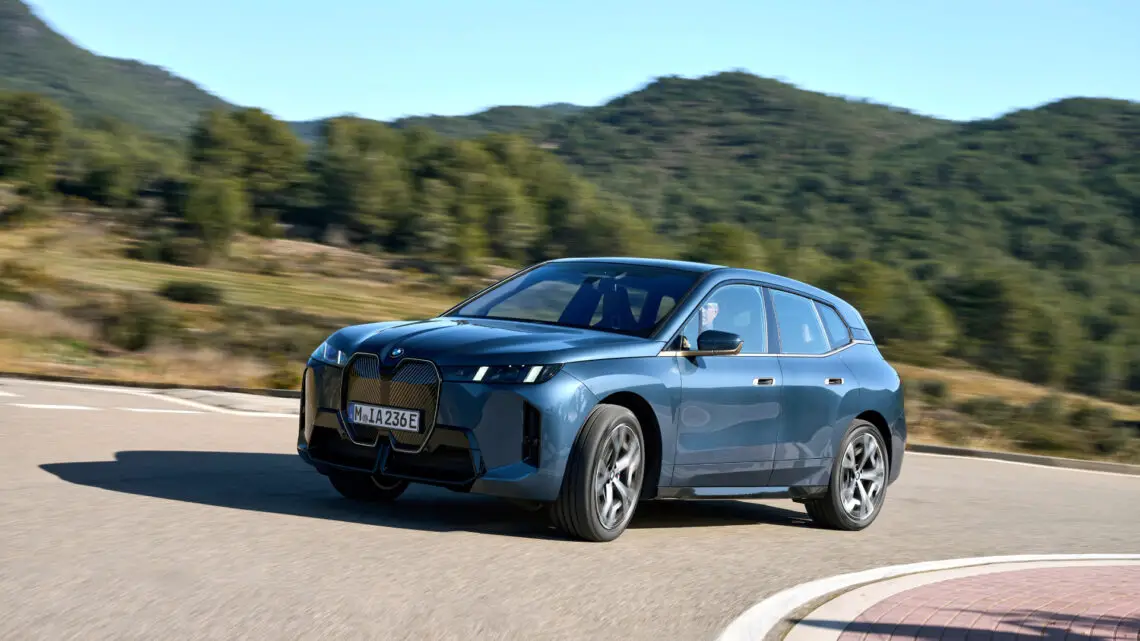
BMW iX
At the higher end, BMW offers the iX. This spacious and luxurious SUV is available with powerful powertrains of up to 485 kW (660 hp) and a range of 600 to 700 kilometers. The iX combines comfort and technology with emission-free driving. For those looking for a luxury SUV with 0 grams ofCO2 emissions, this is an attractive choice.
Mercedes-Benz EQE SUV
The EQE SUV is available in several versions, ranging from the EQE 300 with a 90 kWh battery, a range of 570 kilometers and 195 kW (265 hp) of power to a powerful AMG version with 460 kW (625 hp) and 450 kilometers of range.
Audi Q8 e-tron
The Audi Q8 e-tron also comes as Q8-tron Sportback – a coupe-like SUV. With battery packs of 95 and 114 kWh, this model has a range roughly between 450 and 580 kilometers. Power outputs range from 250 kW (340 hp) to 370 kW (503 hp).
Other large electric SUVs include the Tesla Model X, the Kia EV9 and the Polestar 3.
Plug-in hybrid SUVs: the golden mean
Plug-in hybrid SUVs (PHEVs) combine a fuel engine with an electric powertrain and a battery that you can charge at a charging point. This allows you to drive shorter distances fully electric and keepsCO2 emissions low.
Toyota RAV4 Plug-in Hybrid
The Toyota RAV4 Plug-in Hybrid combines a 2.5-liter gasoline engine with an electric motor. Together, they deliver 225 kW (306 hp). The electric range is around 75 kilometers and the officialCO2 emissions are only 22 g/km.
Volvo XC60
The plug-in hybrid Volvo XC60 is a popular PHEV in the premium mid-range segment. With a system output of 257 to 335 kW (350 to 455 hp) and an electric range of over 80 kilometers,CO2 emissions are limited to 22 g/km. This makes the XC60 one of today’s most efficient plug-in hybrid SUVs.
Mitsubishi Eclipse Cross PHEV
The Mitsubishi Eclipse Cross PHEV is a compact SUV with a plug-in hybrid powertrain. The system output is 138 kW (188 hp) and the electric range is about 45 kilometers.CO2 emissions are about 46 g/km.
SUV with mild hybrid gasoline engine
Although electric and hybrid SUVs achieve the lowest values, there are still consumers who choose a gasoline engine without all-electric support. Within that range, there are also models with relatively low emissions.
Toyota Yaris Cross
The Toyota Yaris Cross is offered with a fuel-efficient three-cylinder gasoline engine and hybrid support. This is one of the more conventional SUVs with the lowestCO2 emissions: 101-109 g/km.
Huge range of zero-emission and low-emission SUVs
The range of electric and hybrid SUVs has grown tremendously in all classes. So it pays to look around and compare carefully. There is a lowCO2 emission model available for everyone who wants to drive an SUV. Whether you choose an all-electric Peugeot e-2008, a plug-in hybrid Volvo XC60 or a fuel-efficient Toyota Yaris Cross: the differences are great, the range is wide. Electric driving is completely local emission-free, plug-in hybrids combine flexibility with low emission values, and even gasoline SUVs can be quite clean.
What isCO2 anyway?
CO2, or carbon dioxide, is a gas that occurs naturally in the atmosphere. It is important because plants and trees useCO2 to produce oxygen. In this way,CO2 has a positive effect because it keeps ecosystems running. But due in part to the burning of fossil fuels, the concentration ofCO2 in the air has greatly increased. That leads to climate change. So although it is a natural gas with a useful function, too many emissions have negative consequences for the environment.
How areCO2 emissions from cars determined?
The officialCO2 emissions of cars are determined through the WLTP (Worldwide Harmonized Light Vehicles Test Procedure) test. This test is mandatory in the European Union and is conducted under controlled conditions. It looks at fuel consumption, driving cycles and use of equipment such as air conditioning. The result is a uniform value in grams ofCO2 per kilometer (g/km). The test is conducted by independent testing bodies and the figures apply across Europe.