
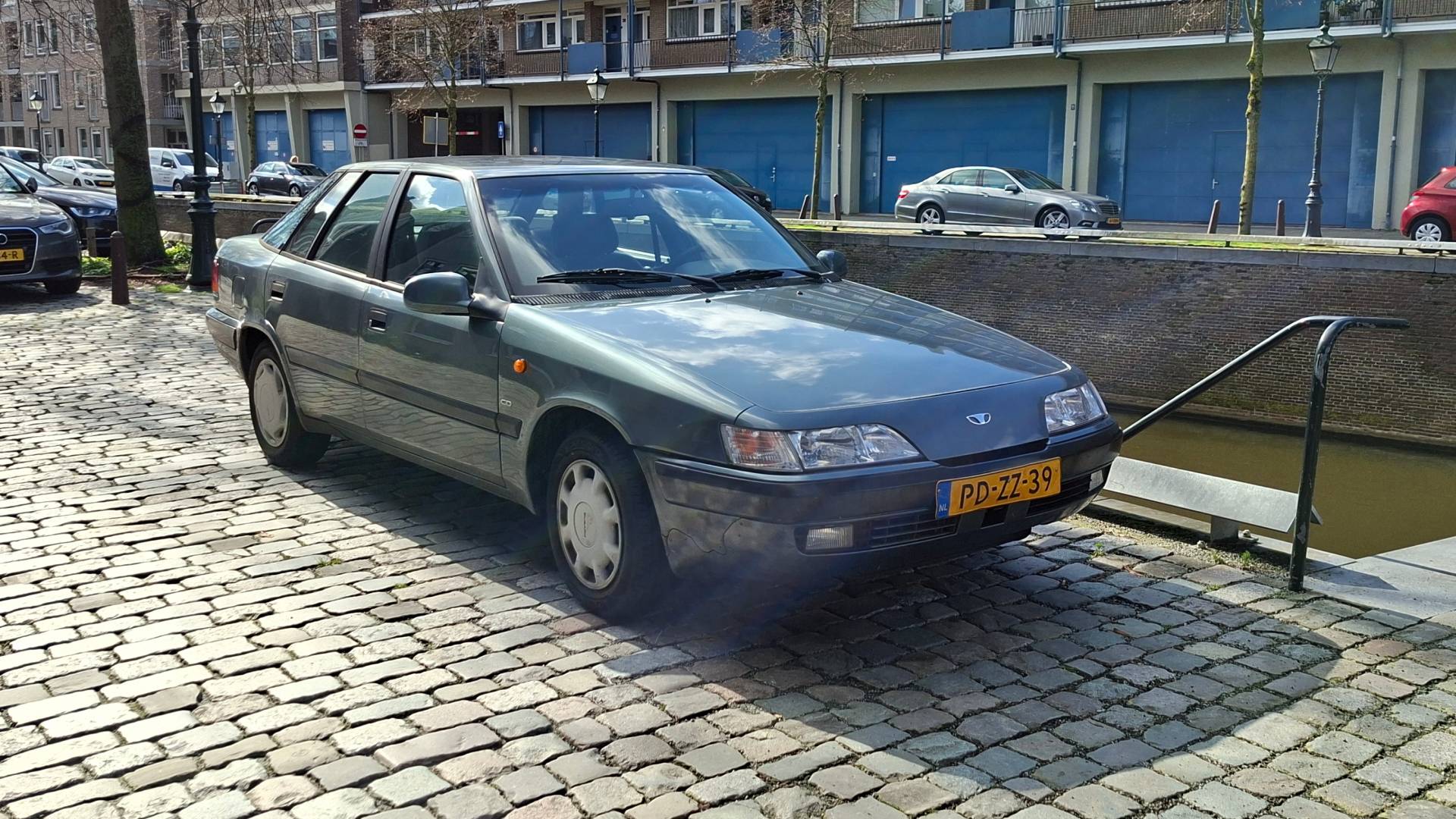
Spotted: a Daewoo Espero
The spotted specimen
In Den Bosch we saw this 1996 Daewoo Espero 1.8i CD. Once you still saw them with some regularity, but now it has been a long time since we came across an Espero. Let alone one that still looks this good. You understand that we were happy to stop for photos. This example has only been with its current owner since 2023. It must be an enthusiast.
One step forward and up
The Daewoo Espero entered the market in 1990. At that time, the Korean automobile industry was far from what it is today. Until then, for example, Daewoo had only produced models developed by Opel. The Espero was the first model that Daewoo had developed completely independently.
The Espero represented a new expansion of the model lineup, marking Daewoo’s move into the middle class. An important competitor was the Hyundai Sonata, somewhat better known to us. Specifically in Europe, it competed against cars such as the Opel Vectra and Ford Mondeo. The Espero was also sold almost worldwide and caused Daewoo’s breakthrough as a brand in many countries.
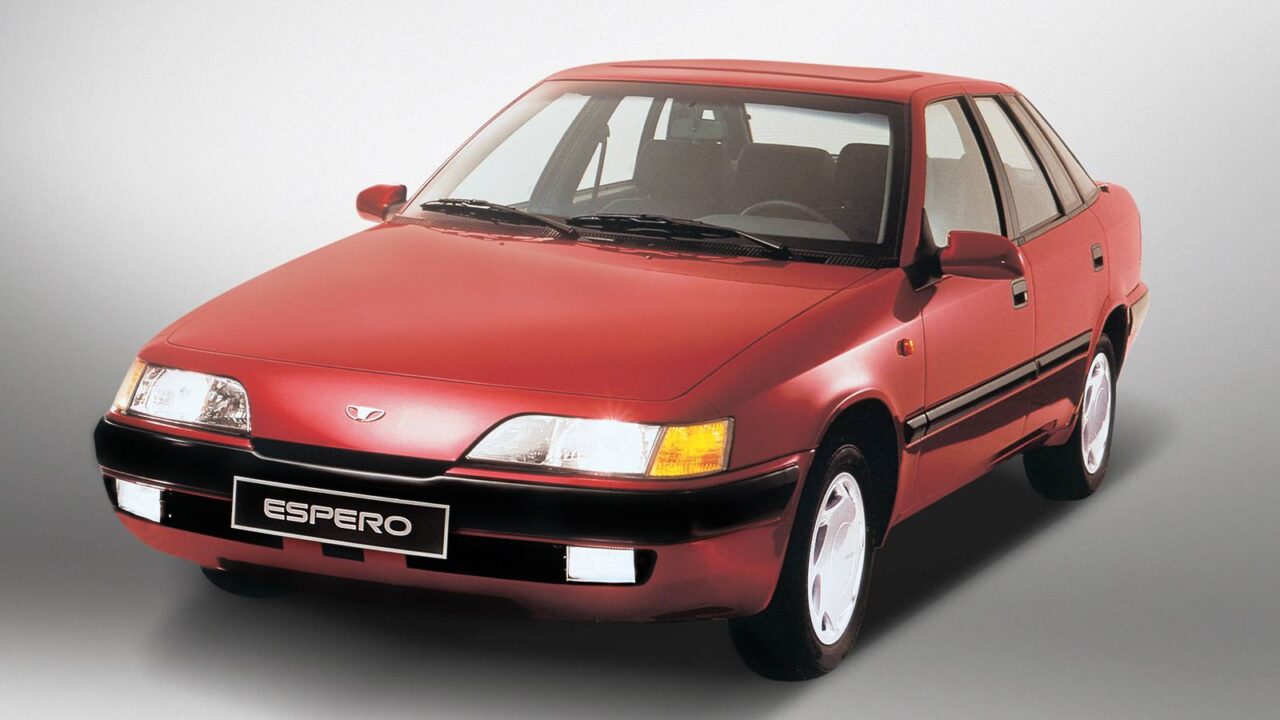
Daewoo Espero: Italian design?
However, collaborations were still sought. For example, the design of the Espero came from the well-known design house Bertone. Fun fact: the Espero was not designed specifically for Daewoo, but a further elaboration of a design Bertone already had. It was an ultimately rejected design proposal for a potential successor to the Citroën BX… For its time, the Espero had a particularly aerodynamic body, with an air resistance coefficient of only 0.29 Cw.
Known technology for the Daewoo Espero
Technically, the Daewoo Espero did have some similarities with other models. For example, the platform was largely the same as that of the Opel Kadett E (which we also once spotted), one of the models Daewoo produced under license. However, the Espero did have somewhat larger engines, which were purchased from GM brand Holden.
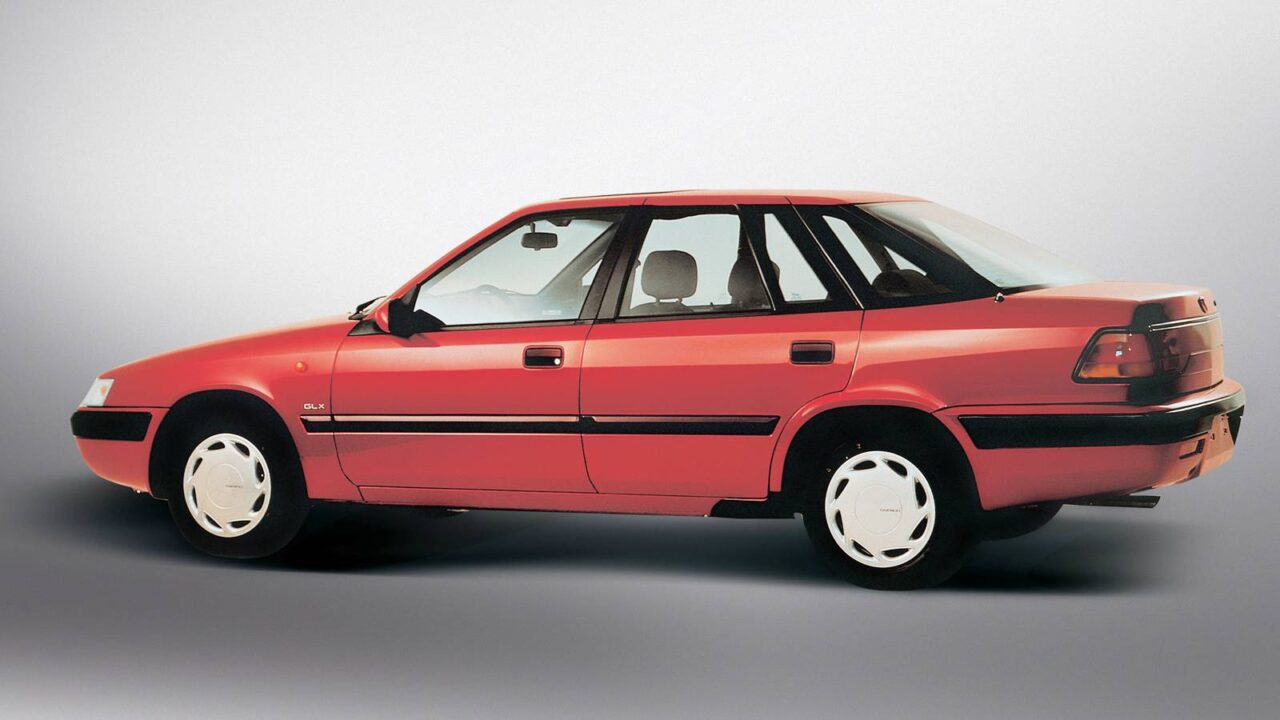
Early player in the EV market?
Daewoo took a progressive approach. In the mid-1990s, for example, it worked on a prototype for an all-electric car. The Espero formed the basis for this, although so many modifications were made that the prototype had little to do with the regular Espero. For example, all the sheet metal had been replaced with panels made of recycled material, with a somewhat more modernly designed front end. The prototype delivered quite nice performance and a range of 80 km was reasonable for the time, but after a presentation at a Korean car show, nothing more was heard of the project.
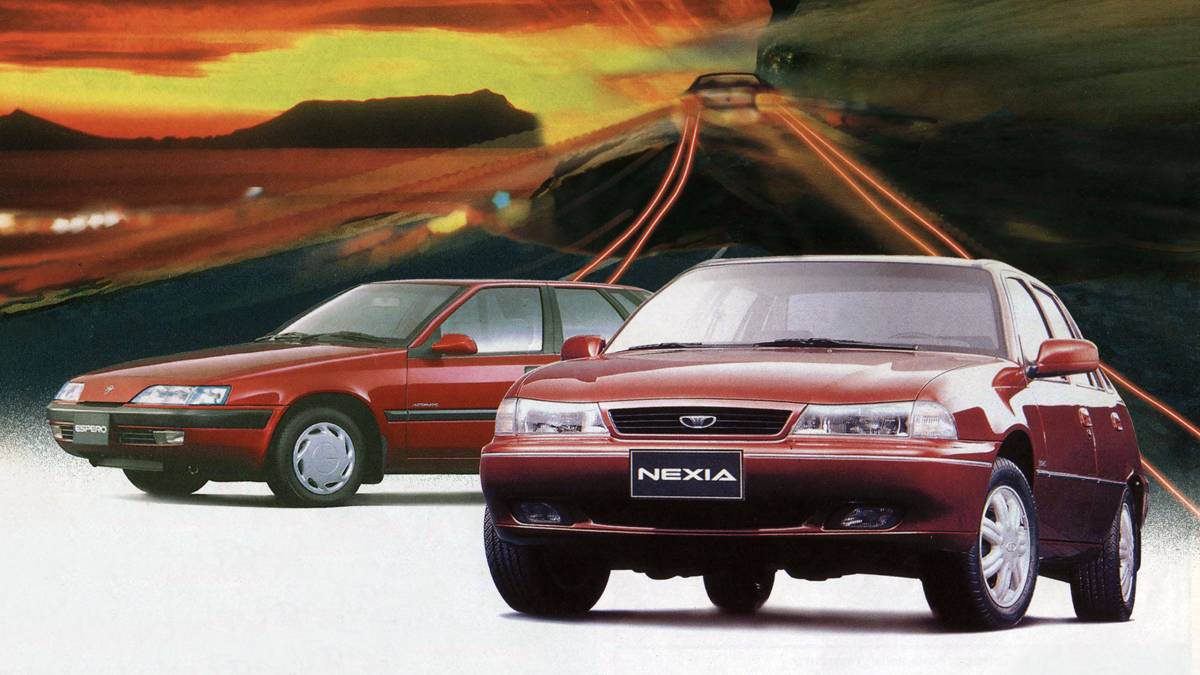
The Daewoo Espero in the Netherlands
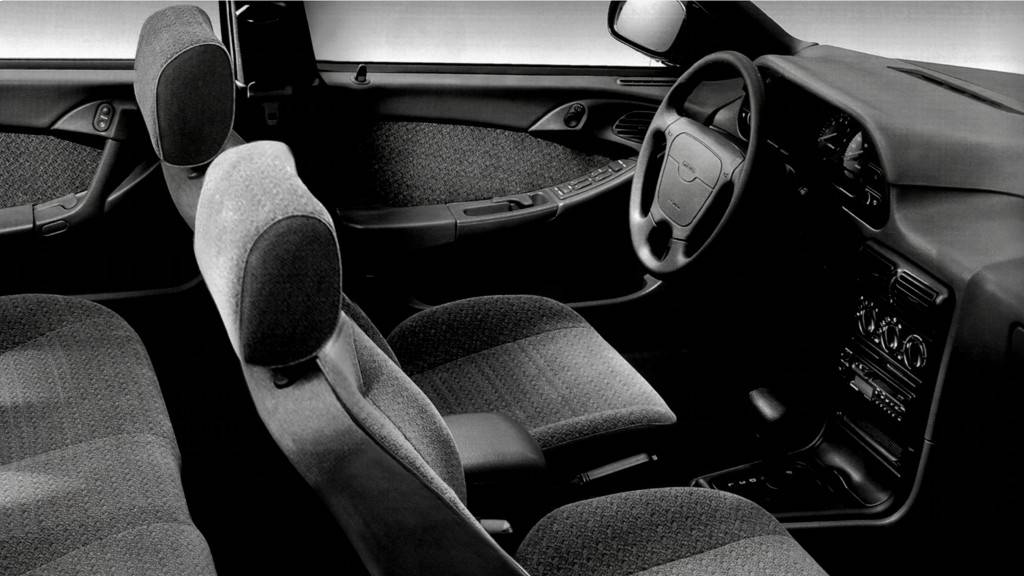
In the Netherlands in 1995, the Espero was Daewoo’s debut model along with the Nexia (a modernized Kadett E). For the Dutch consumer it may not have been the most modern car in its segment, but the Espero did offer a practical, spacious interior and relatively rich equipment for a competitive price. Daewoo also offered a generous factory warranty for the time.
Because of its relatively late introduction, the Daewoo Espero ended up being delivered in the Netherlands for only a relatively short time. Although we cannot find any sales figures, they were good. The Espero was a typical “use car”, which was quickly discarded when it broke down. A look in the RDW register shows that there are now only 53 Esperos on Dutch registration plates, of which only five have a valid MOT. So we really have spotted something rare.
Daewoo Espero gets double follow-up
The Daewoo Espero remained in production until 2002, but in the years before that its successor was already in place. Or: successors. In many markets, the Espero was succeeded by the first generation Nubira as early as 1997. The higher positioned Leganza from the same year is also considered a successor.