
Some Chinese cars can ’12C charge’ at lightning speed, but what is that really?
Charging as fast as refueling
Electric cars are rapidly improving. Just a few years ago we thought a range of 400 kilometers was impressive, but today many electric city cars already achieve it effortlessly. Still, there remains one big difference between electric cars and cars with a fuel engine: a gasoline-powered car is full in three minutes, while charging usually takes another twenty to thirty minutes. But that is about to change. In China, brands are experimenting with charging speeds that until recently seemed pure science fiction. Think: your battery full in five minutes.
China is miles ahead
In China, the battle for battery innovation revolves mainly around two giants: CATL and BYD. They are not just any battery manufacturers, but the global leaders in battery technology. They are constantly presenting new breakthroughs – batteries with more capacity, less wear and tear and much higher charging speeds.
The battle between the two is fierce. BYD came out with a battery that can charge 10C in early 2025. In practice, that means their new Han L can top up 470 kilometers of driving range in five minutes. But competitor CATL went the extra mile. During their Tech Day 2025, they showed the second-generation Shenxing LFP battery. This battery can charge 12C, with a peak power of 1.3 megawatts – good for 520 kilometers of additional range in five minutes. That’s 2.5 kilometers per second of additional range.
What exactly does 10C or 12C charging mean?
10C and 12C seem to be the new magic numbers in the world of electric cars. But what exactly do they mean? In simple words, it says how many times a battery can theoretically charge its full capacity in one hour. 1C means the battery is fully charged in one hour. At 10C, it’s 10 times faster, at 12C, 12 times.
An easy calculation example: a 50 kWh battery charges at 50 kW at 1C. After one hour of charging at 50 kW, it is fully charged. At 10C, a 50 kWh battery can charge at 500 kW and at 12C even 600 kW (12 x 50). In this example we are using a relatively small 50 kWh battery, but the new batteries from BYD and CATL are much larger. So on paper, a 100 kWh battery that can charge 12C can have 1,200 kW (1.2 megawatts) at a fast charger.
How is this technically possible?
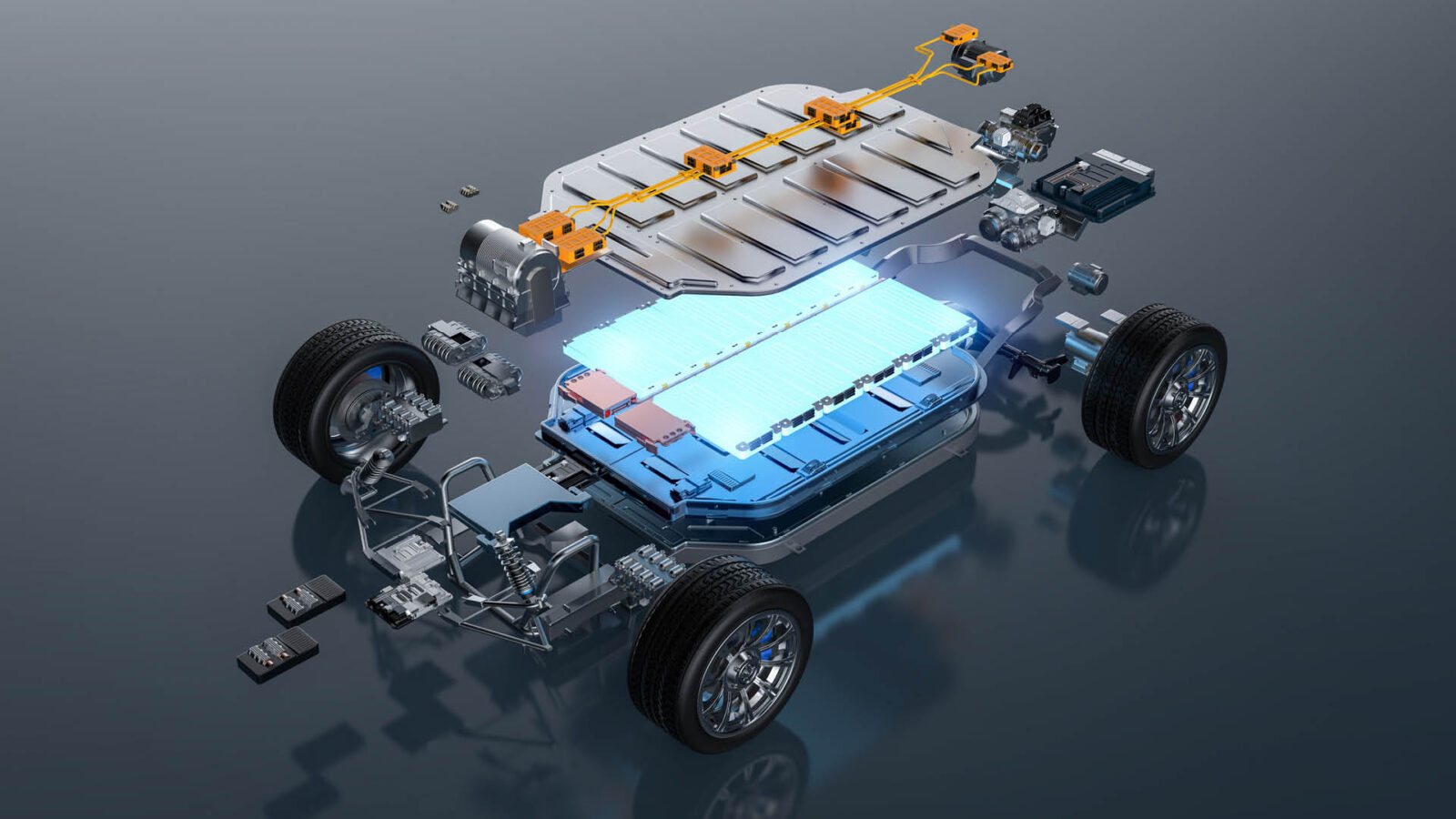
To achieve such speeds, manufacturers often use LFP (lithium iron phosphate) chemistry. This is more resistant to heat and wear. In addition, the batteries have an advanced cooling system that continuously dissipates heat. In fact, up to 1,400 amps pass through them during these types of charging sessions, and then things heat up considerably.
Why is this a gamechanger?
The advantage is simple: charging will soon be as fast as refueling. Five minutes of charging and you drive another 500 kilometers. But there are still a number of obstacles. For starters: the infrastructure is not there yet. In Europe, most fast chargers now achieve between 150 and 400 kW, while 12C batteries can handle up to 1,300 kW. Also, the technology itself is still expensive – as it always is with anything new. So it will be some time before this technology becomes commonplace and prices drop. But one thing seems certain: that sooner or later you will be able to charge your EV in five minutes seems only a matter of time.
Also watch: Shanghai 2025 auto show: ALL THE HIGHLIGHTS – AutoRAI TV