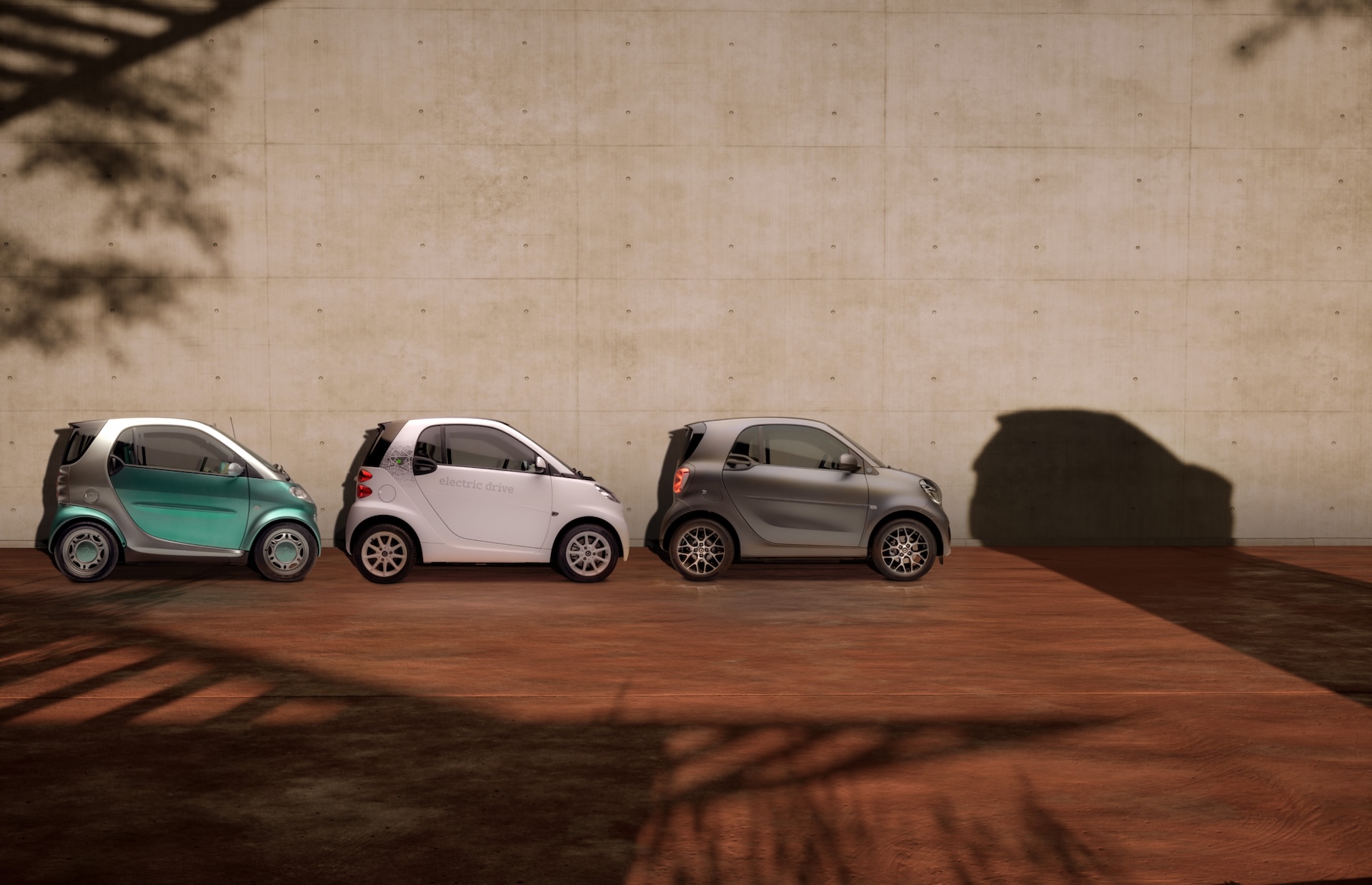
Smart Fortwo gets sequel: coming sooner than you think!
Smart #2 becomes electric two-seat model
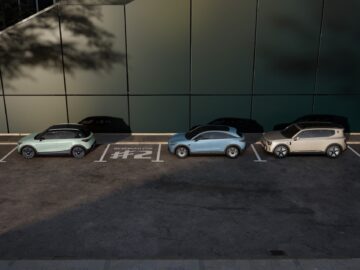
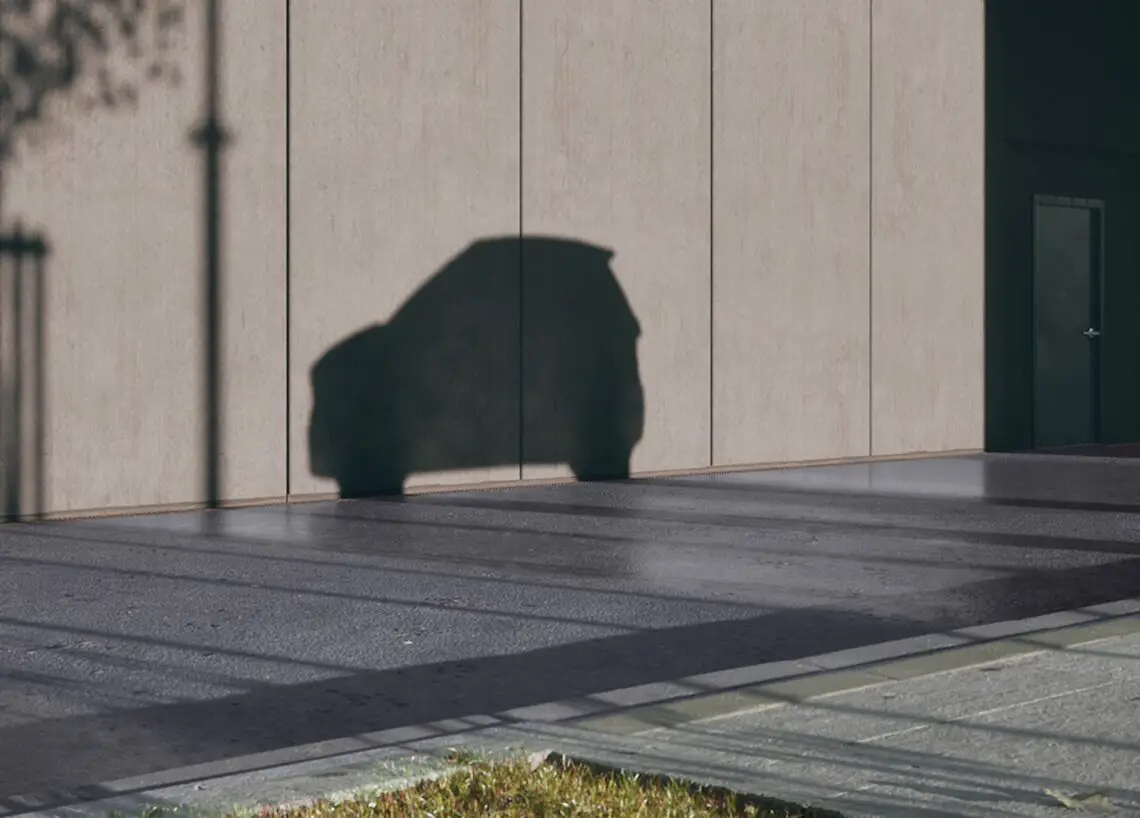
The international premiere of the Smart #2 is scheduled for late 2026. The car brand promises that the all-electric two-seat model will live up to all the core qualities of the original Smart Fortwo concept. The vehicle will be designed by the Mercedes-Benz Design Team. Production of the smart #2 – as the official spelling is – will be built in China. The Benjamin Smart is currently in the development phase.
New era
“The confirmation of our ‘project: two’ and the upcoming launch of the smart #2 marks a milestone for the smart brand on a global level. The smart #2 will shape a new era of individual urban, especially in classic smart cities like Rome or Paris,” said Dirk Adelmann, CEO smart Europe.
“The decision is timely as we benefit from the electrification wave and strong support from shareholders Mercedes-Benz and Geely. And because we are experiencing strong support from new investors, along with successful product introductions of the smart #1 and smart #5. The new smart #2 will be a unique but authentic addition to our all-electric smart product portfolio in Europe.”
The Smart #2 joins the lineup alongside the Smart #1, Smart #3 and Smart #5. With that, Smart has covered most segments, from nimble city cars to premium mid-range SUVs.
About the Smart Fortwo
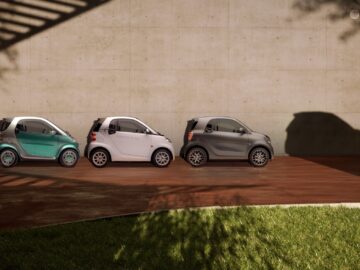
The Smart Fortwo saw the light of day in 1998 as a collaboration between Swatch founder Nicolas Hayek and Mercedes-Benz. The idea was an ultra-compact city car that was agile, economical and easy to park. The first generation (1998-2007) stood out for its two-passenger layout, short 2.5-meter length and distinctive Tridion safety frame. Despite skepticism, the Fortwo quickly gained popularity in European cities as a convenient solution for heavy traffic and tight parking spaces.
The second generation (2007-2014) grew slightly in length and offered more comfort and safety, without abandoning the compact city car concept. Electric variants (ED) also appeared during this period, positioning Smart early on in the EV market.
Even more generations
The third generation came in 2014, developed together with Renault and technically related to the Twingo. The Fortwo remained true to its unique length of 2.69 meters and was available as a coupe and convertible, with gasoline engines and again an electric version. In 2019, however, Daimler decided that Smart would go all-electric.
Starting in 2020, only EVs were offered, making the Fortwo EQ the last version. Yet demand for such small city cars declined, partly due to stricter regulations, higher development costs and changing market demand toward larger crossovers. Production of the Smart Fortwo ceased in 2024, ending one of Europe’s most iconic microcars after more than 25 years.