
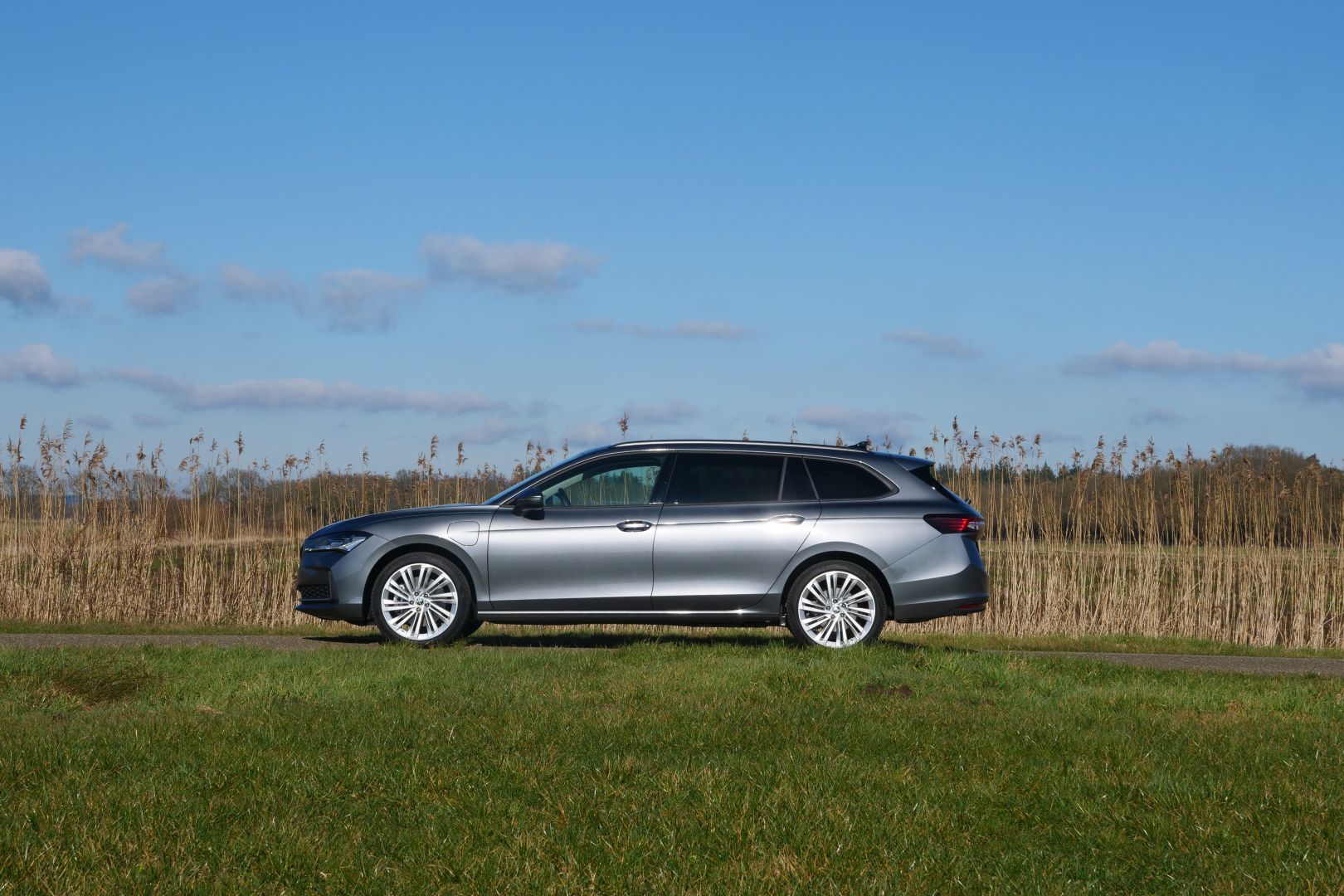
Review – Skoda Superb Combi (2025) – If you really need a lot of luggage space
Space? More than enough
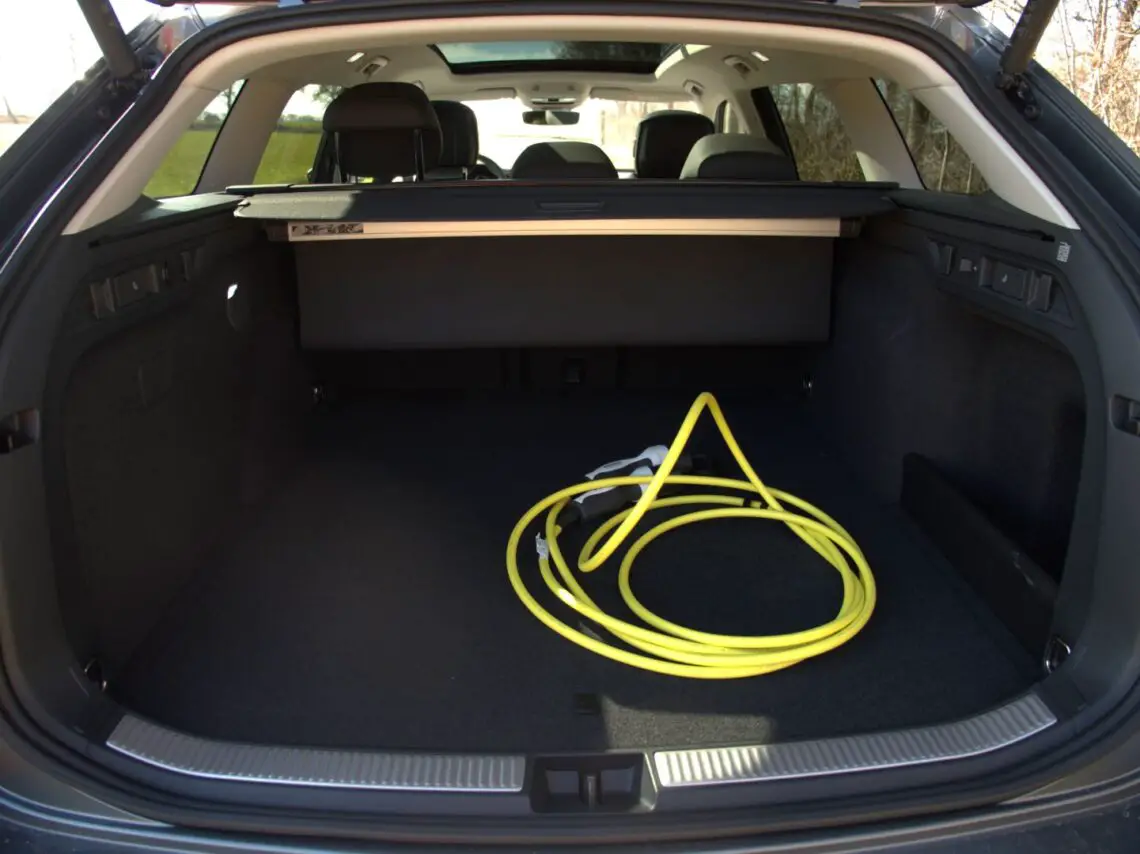
The Skoda Superb Combi is not called Superb for nothing. It is the best Skoda has to offer. In terms of luxury, but also in terms of space. With a luggage space of 680 liters, you can safely pack up your whole house and take it with you on vacation. Fold down the rear seats and you have a whopping 1,920 liters of space.
If you opt for the plug-in hybrid, the battery pack cuts 150 liters from the luggage space. That still leaves over 500 liters, making it more practical than many an SUV. Moreover, the battery is neatly hidden in the floor, so you can still carry long objects.
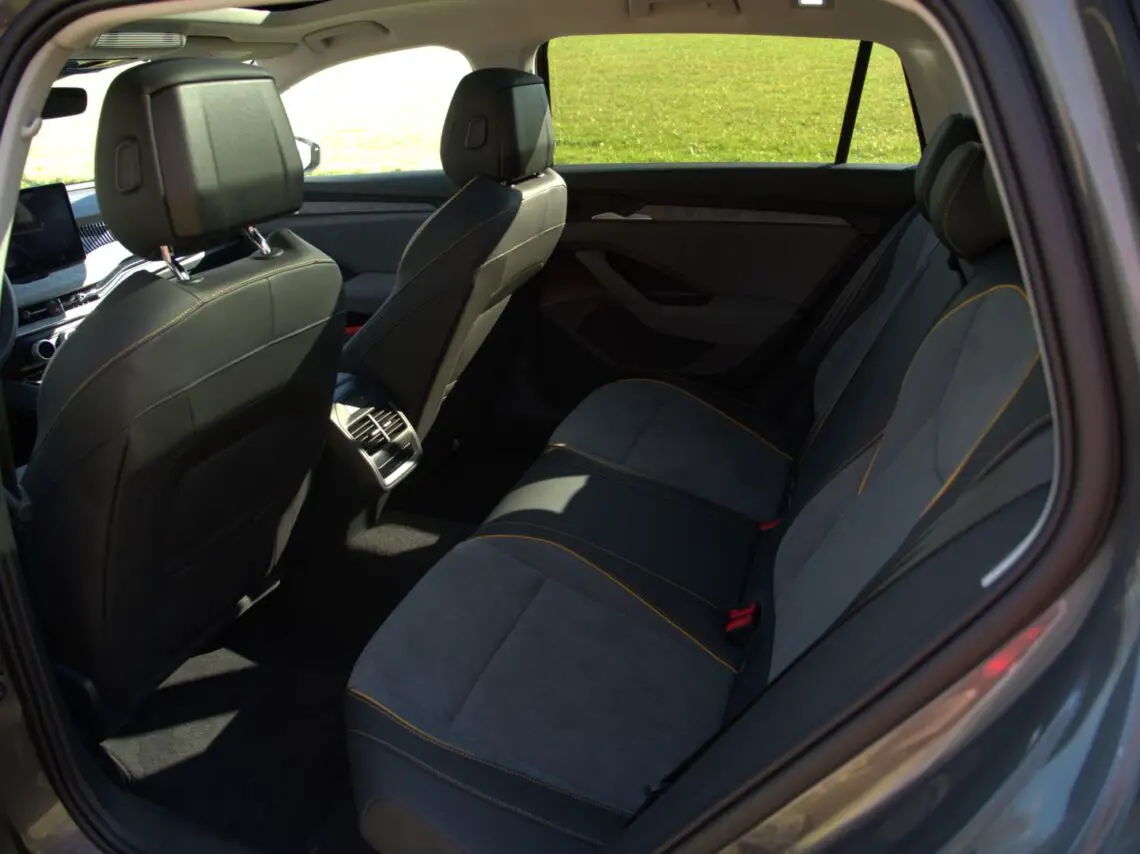
Second row of seats
In the second row of seats, occupants have nothing to complain about. The wheelbase of 2.84 meters ensures that even tall adults sit comfortably. Legroom is generous and headroom is also more than adequate. Children will not lack anything at all. Skoda has added clever details, such as storage compartments for smartphones and a tablet holder in the armrest. So you don’t have to worry about the kids getting bored during long drives. Tablet on and go.
100 kilometers on electricity
The fourth-generation Superb appeared in 2024 and was first introduced as a 110 kW (150 hp) mild-hybrid. That one did nicely what it was supposed to do, but lacked some punch. The plug-in hybrid version solves that problem. It uses the same 1.5-liter four-cylinder, but gets help from an 80 kW (110 hp) electric motor.
With a combined output of 150 kW (204 hp), the Superb is nice and smooth. Almost fast, dare we say. This is not only because of the extra power, but also how the power is delivered. While the gasoline engine revs when accelerating, the electric motor pops right in, giving you a kind of two-stage rocket.
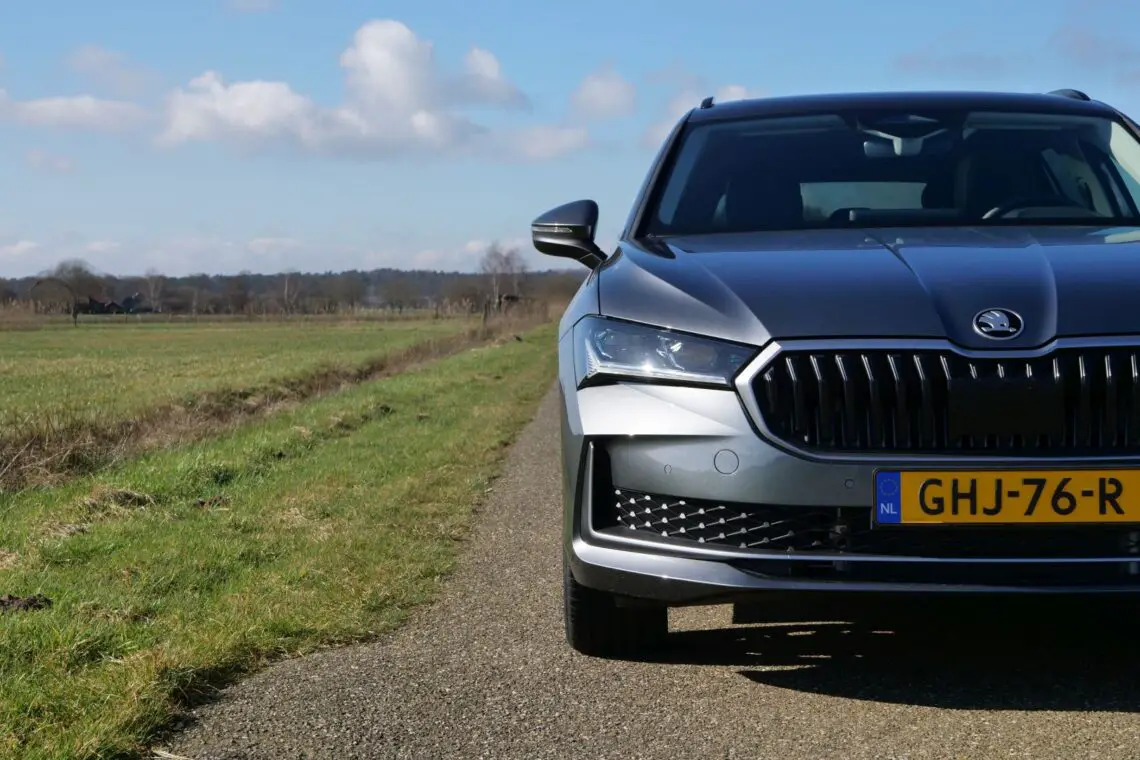
With “only” 110 hp, you wouldn’t expect the electric motor to get the big Superb Combi off the road smoothly even on its own, but it does. There again you have the advantage of readily available torque. Even on electricity, you are often the first to leave at the traffic lights, unless there is a fully electric car next to you.
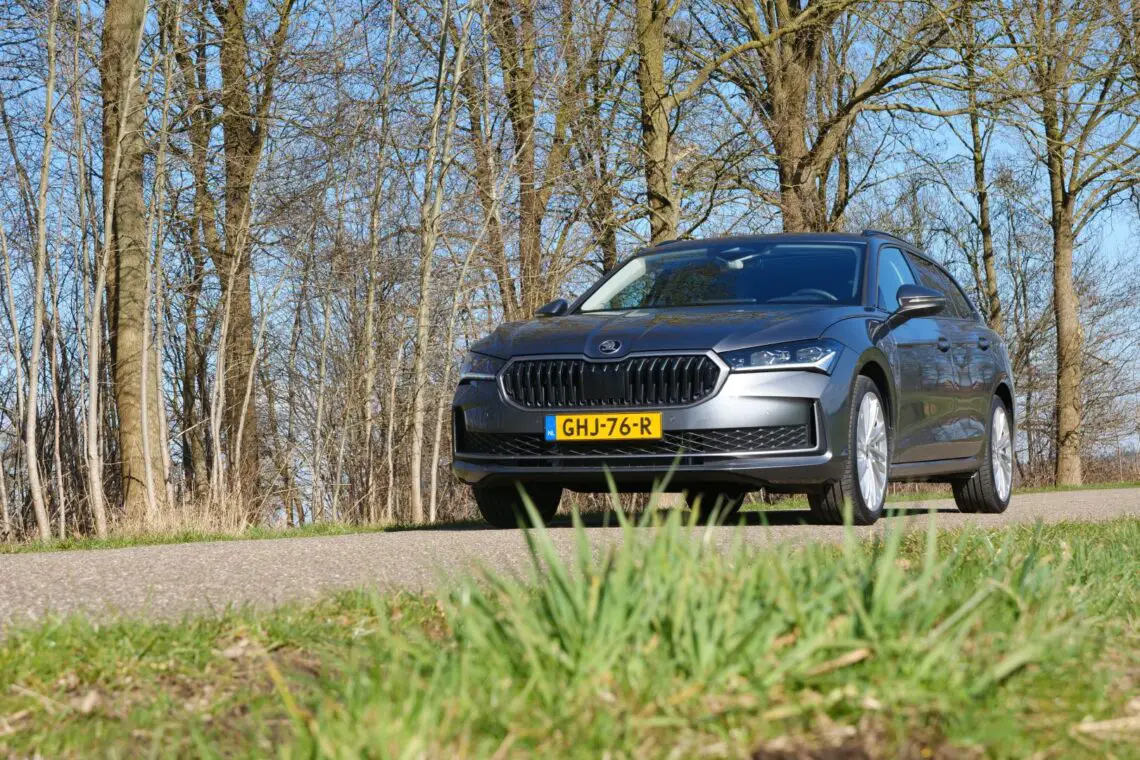
100 kilometers of electric driving
The extra power in the PHEV versus the mild-hybrid is a nice bonus, but the real gain is in the electric range of over 100 kilometers. On paper, you get about 130 kilometers on a full battery, but during our test in temperatures around freezing, we reached 100 kilometers without any problems. So in better weather, there’s even more in store.
Charging is smooth. At an 11 kW charging station, the battery is fully charged in 2.5 hours. Special for a plug-in hybrid is that it can also fast charge. With 50 kW charging power, the battery is 80% full in 25 minutes. In the Netherlands you probably won’t do that often, because fast charging is not always cheaper than refueling and thus takes a relatively long time.
Interior
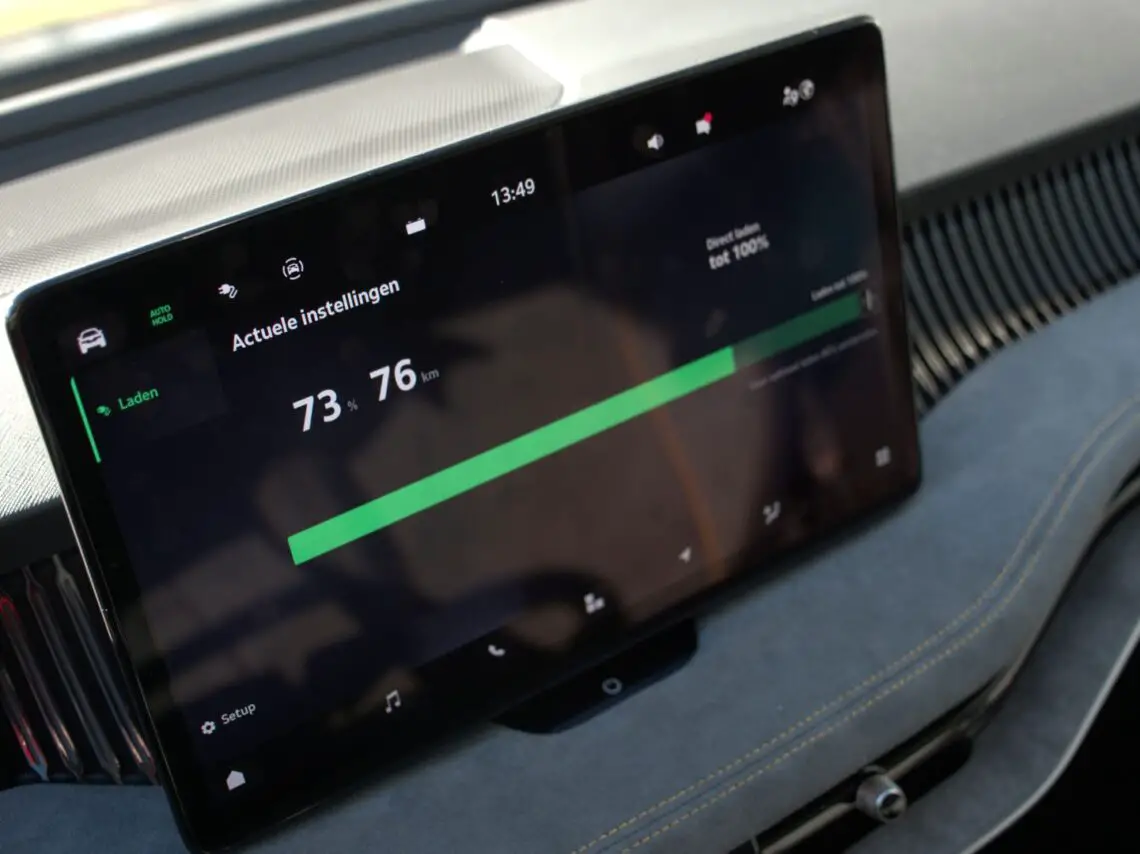
Skoda once again impressed with the interior. The finish feels premium, with lots of soft materials and refined finishes. Everything you touch is covered in high-quality materials, making it a pleasant place to be.
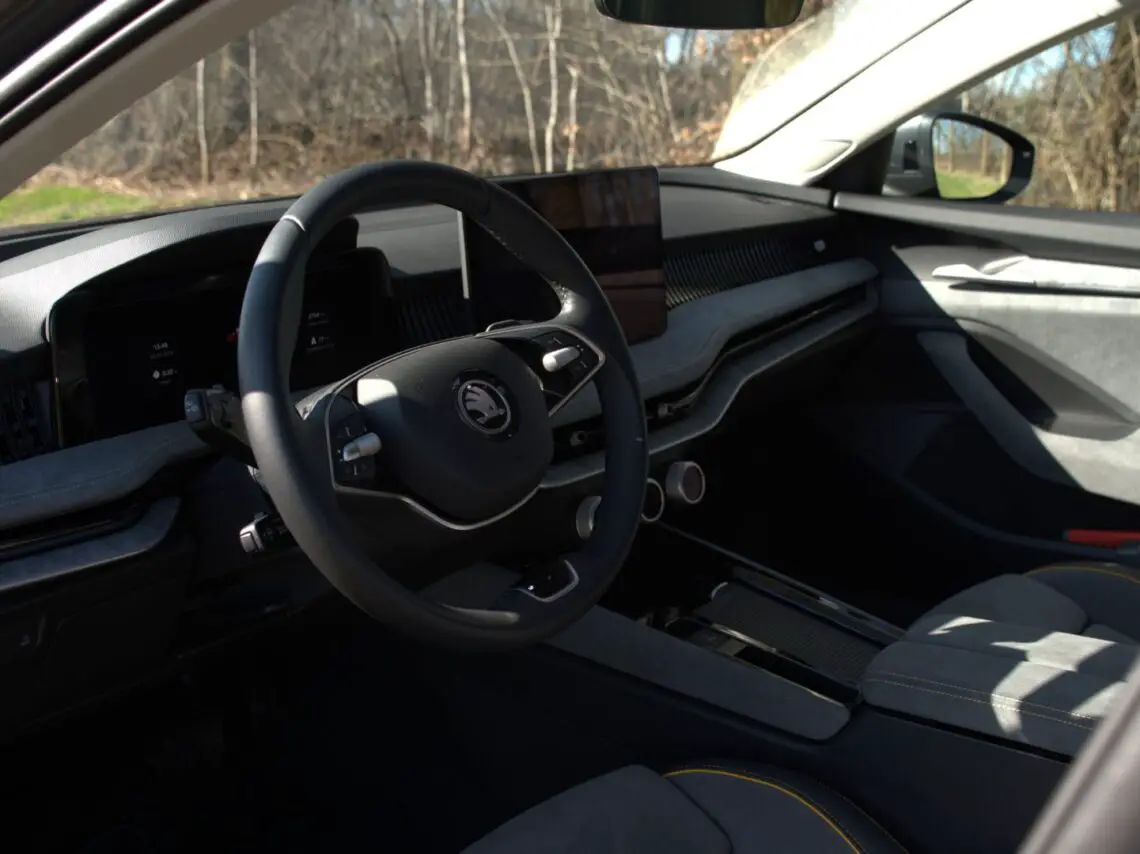
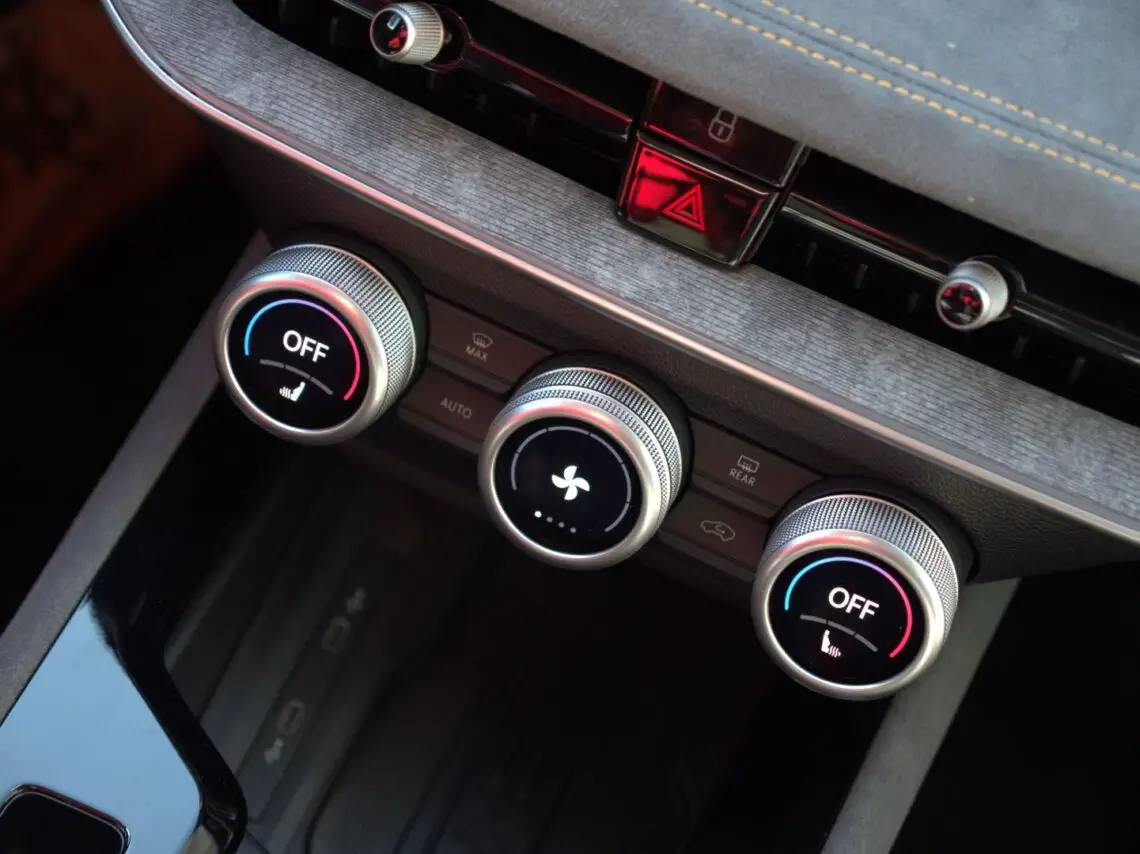
In terms of technology, you won’t be short of anything. The large infotainment screen reacts very quickly and opens menus without any delay. However, the menu structure is sometimes a bit illogical, so you have to get used to where everything is. After a week you’ll get the hang of it. In front of you is a 10-inch digital instrument cluster and in the center console you will find so-called Smart Dials. These are rotary knobs with a small display that can control multiple functions. By pressing them you change functions, so you can set seat heating, ventilation speed and driving modes, for example, with one button. Convenient and intuitive.
Prices: mild hybrid vs. plug-in hybrid
The 1.5 TSI mild-hybrid with 150 hp costs 48,990 euros and has a small lithium-ion battery that stores energy during braking. That energy is used to support a small electric motor – really just the starter motor – during acceleration, which reduces consumption slightly. You can’t really call this version hybrid, and that’s reflected in its relatively high CO₂ emissions, which makes it more expensive to buy, due to higher CO₂ taxes.
Thanks to its low CO₂ emissions, the plug-in hybrid, with a starting price of 43,990 euros, is 5,000 euros cheaper than the mild hybrid, while being more powerful and economical. You do lose 150 liters of luggage space, but you get over 100 kilometers of electric range and a better driving experience in return. In addition to the Combi, there is also a hatchback – better described as a sedan in terms of appearance – that is 1,000 euros cheaper than the Combi as a PHEV.
Conclusion: why have an SUV when you have this?
The Skoda Superb Combi is a car that offers everything you would expect from a modern family car: space, comfort, technology and an efficient powertrain. There are few family cars that offer more space and few PHEVs that offer greater range. Therefore, it is highly recommended as far as we are concerned.
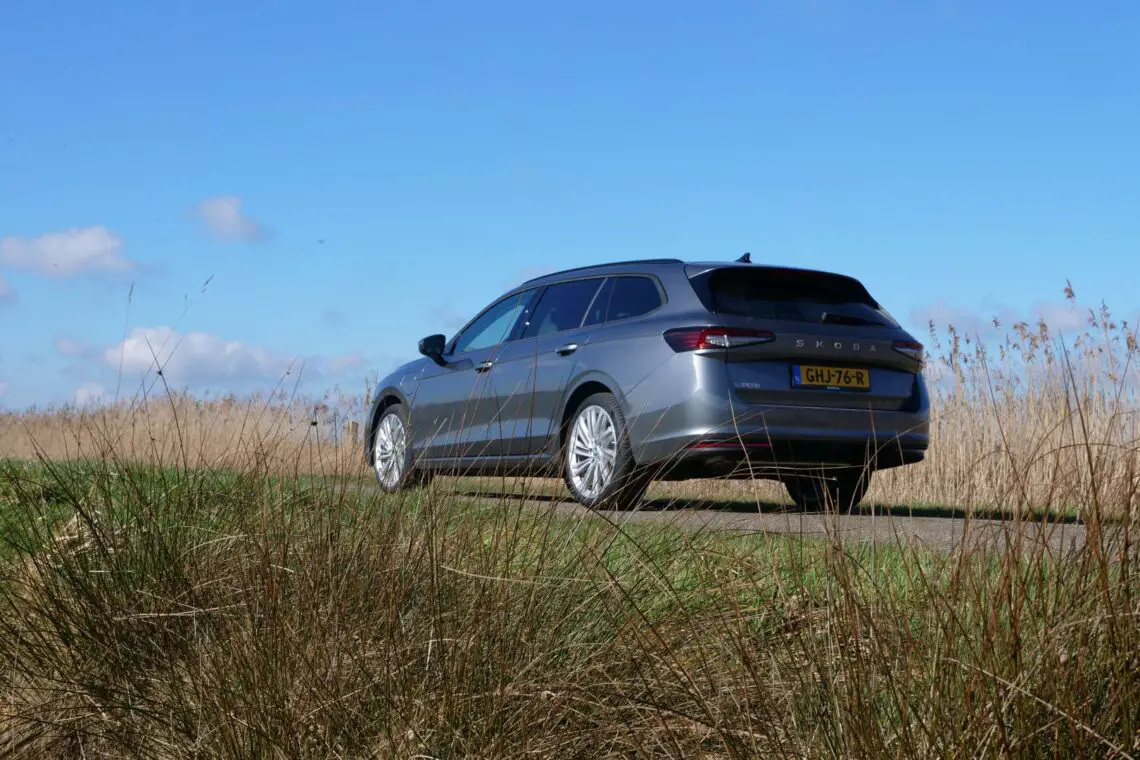
Is there nothing negative to say then? Yes, but then we will talk about taste, and taste is subjective. But if you do ask: the new generation Superb has not changed radically in terms of design from its 2015 predecessor. This is how it looks a bit like it’s from 2015. Especially in the gray lease color of our test car, it is an inconspicuous appearance that blends into the crowd. But you can look at it another way: Skoda was just ten years ahead in 2015.
Also see: Skoda Superb (2024) review – Cheaper (and better?) than Passat – AutoRAI TV