
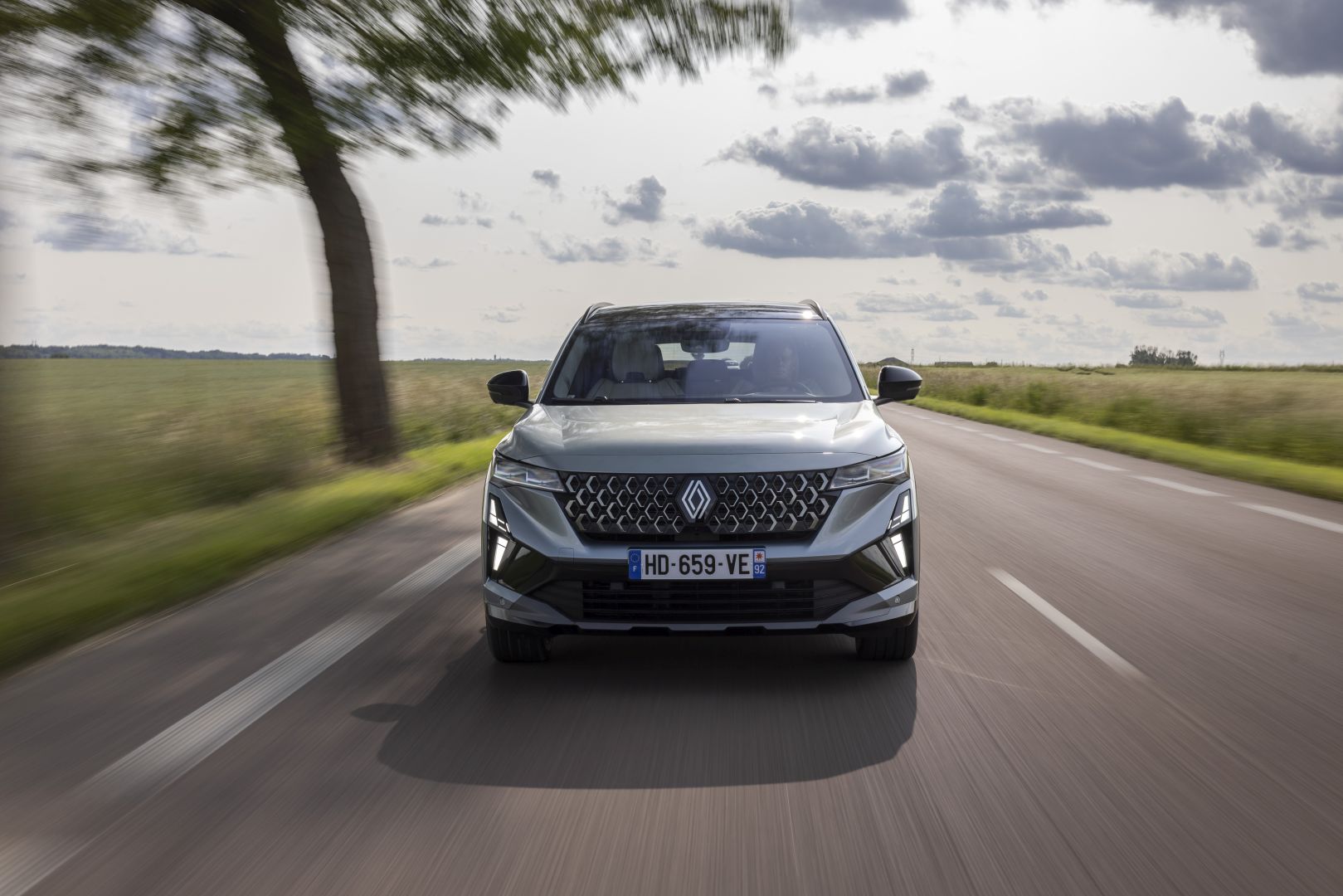
Review – Renault Espace (2025) – The smart family car for those who don’t want to charge.
New nose, familiar concept
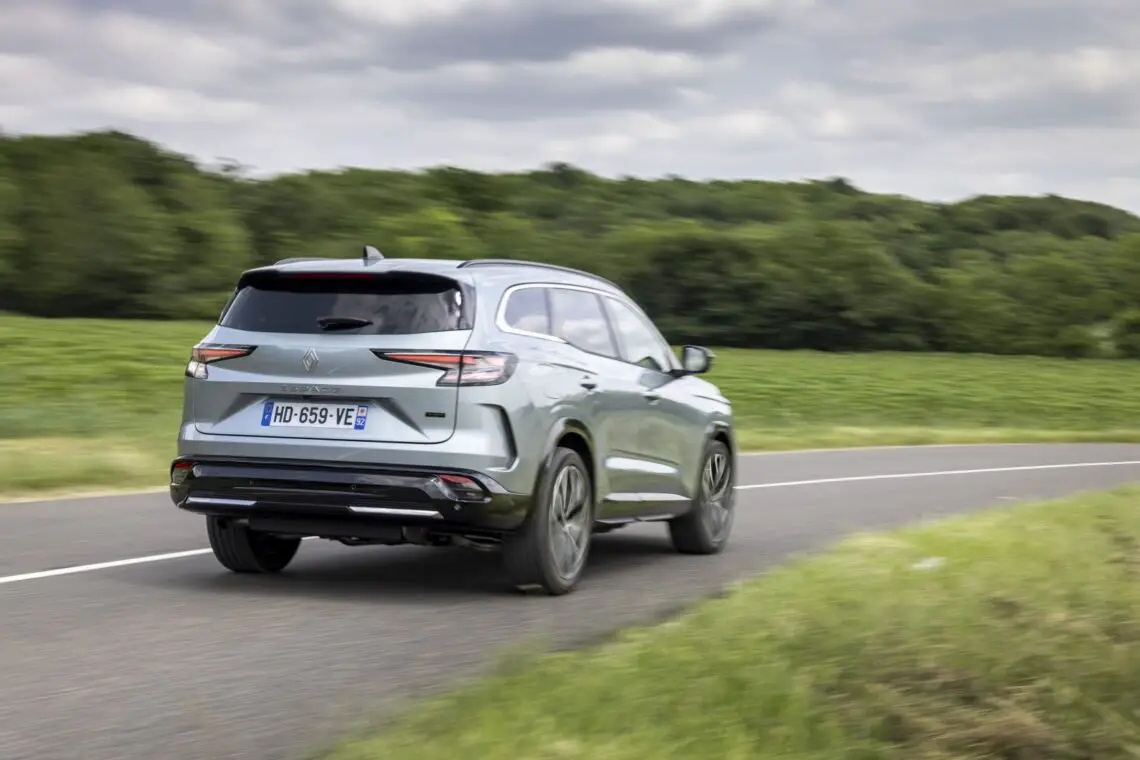
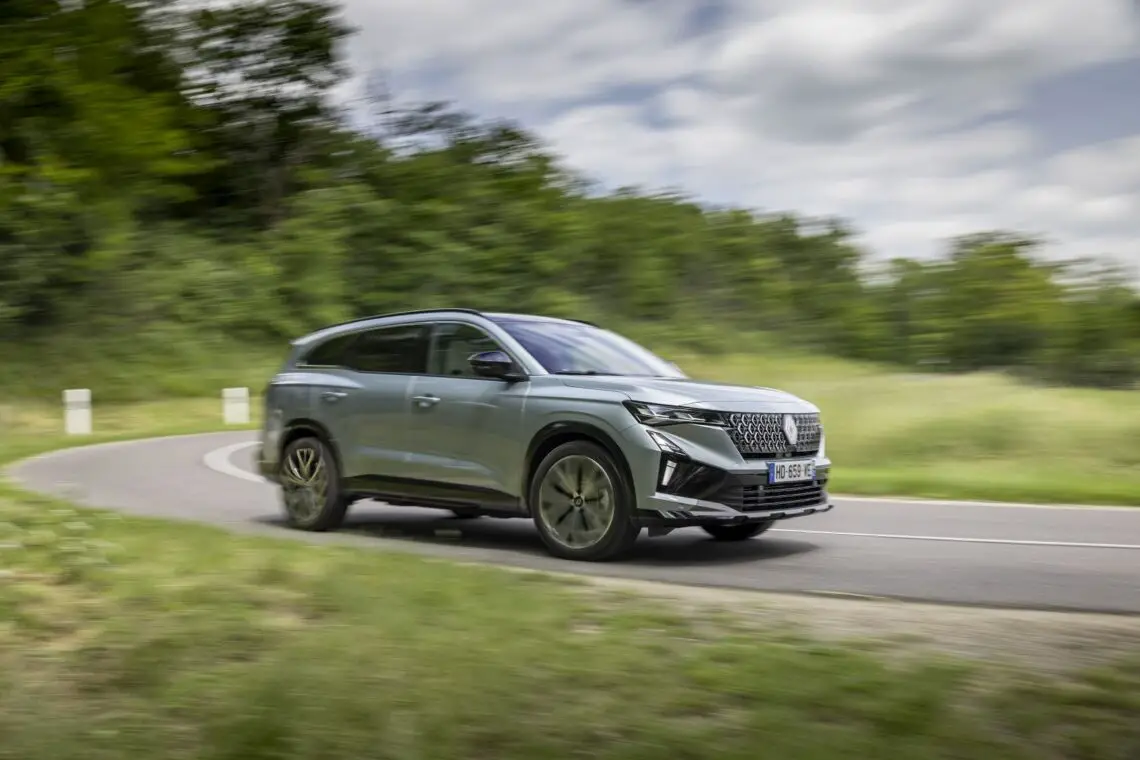
Although the current generation Espace is less than two years old, Renault thought it was time for a major update. Not just any old one: the hood, tailgate and bumpers have been replaced, the light units have been redesigned and the whole looks a lot sleeker. Why this facelift? Because Renault is adopting a new design language, since the arrival of the Rafale.
Interior
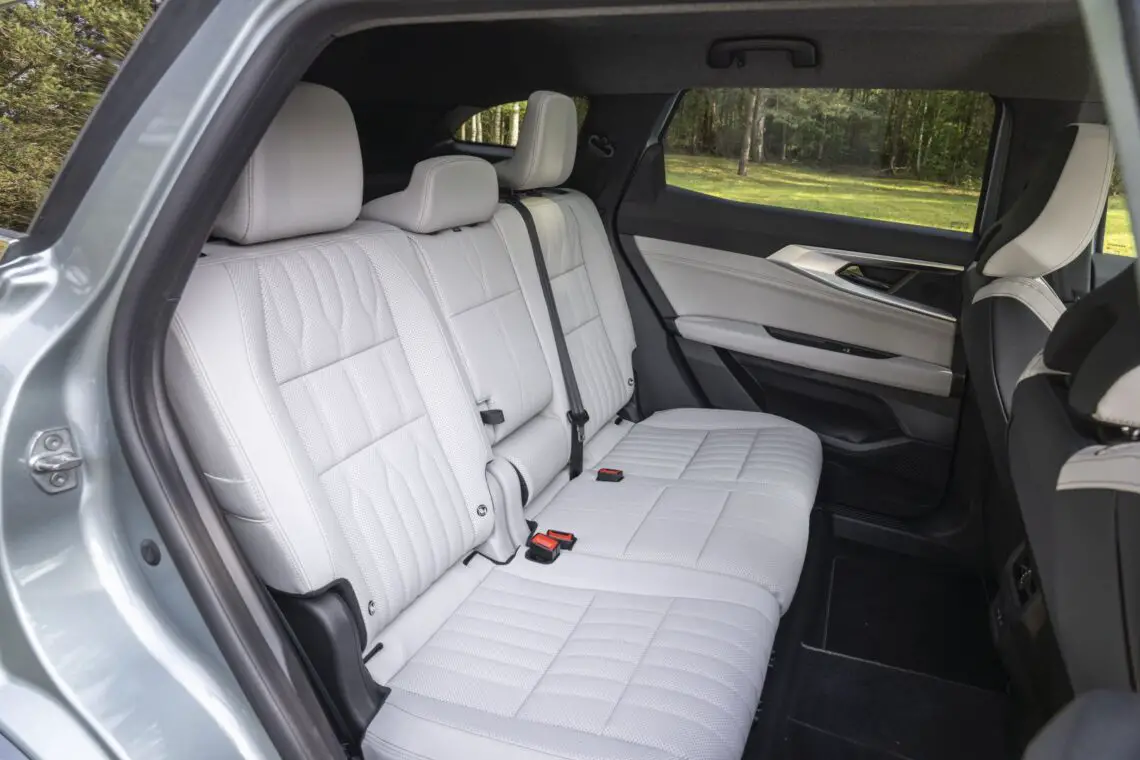
Space is still the key word. The Espace is available as a five- or seven-seater. We tested the five-seat version and can confirm: it is spacious, practical and well thought out. The second row of seats is sliding and adjustable by 21 centimeters and offers adults generous leg and headroom. We have tested the third row before and it is clearly intended for occasional use or small children.
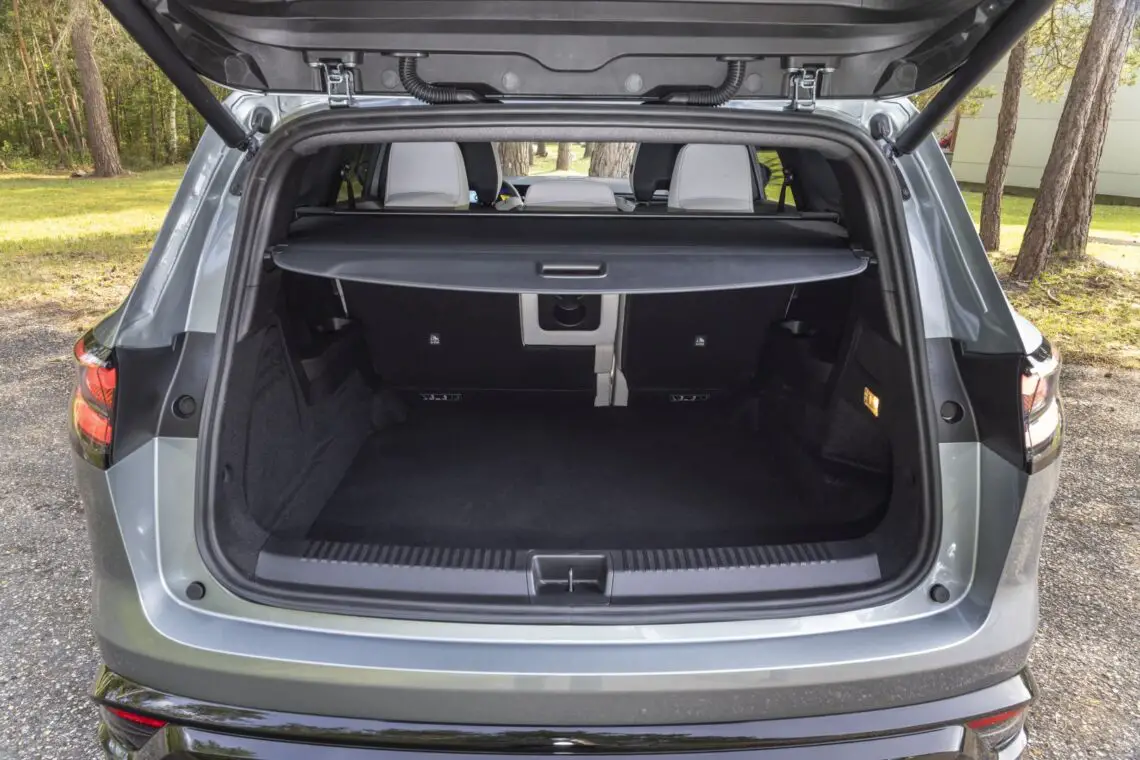
In five-seat configuration, the Espace offers an impressive 692 to 943 liters of luggage space – depending on how far forward you slide the seats. Folding everything flat creates a cargo floor of nearly 2,224 liters. More than enough for a camping trip or a trip to the hardware store.
E-Tech Full Hybrid: no plug, but economical
Under the hood is a familiar powertrain: the E-Tech Full Hybrid with 147 kW (200 hp). It combines a 1.2-liter three-cylinder turbocharged gasoline engine with two electric motors and a compact 2 kWh battery. The big advantage: you never have to charge the Espace. It drives small bits of electric at low speeds, recharges itself during braking and switches between electric motor and gasoline engine by itself. We already know the powertrain but it has been held up to the light by Renault. The switching moments are a bit more logical and not just purely focused on consumption, but also on comfort.
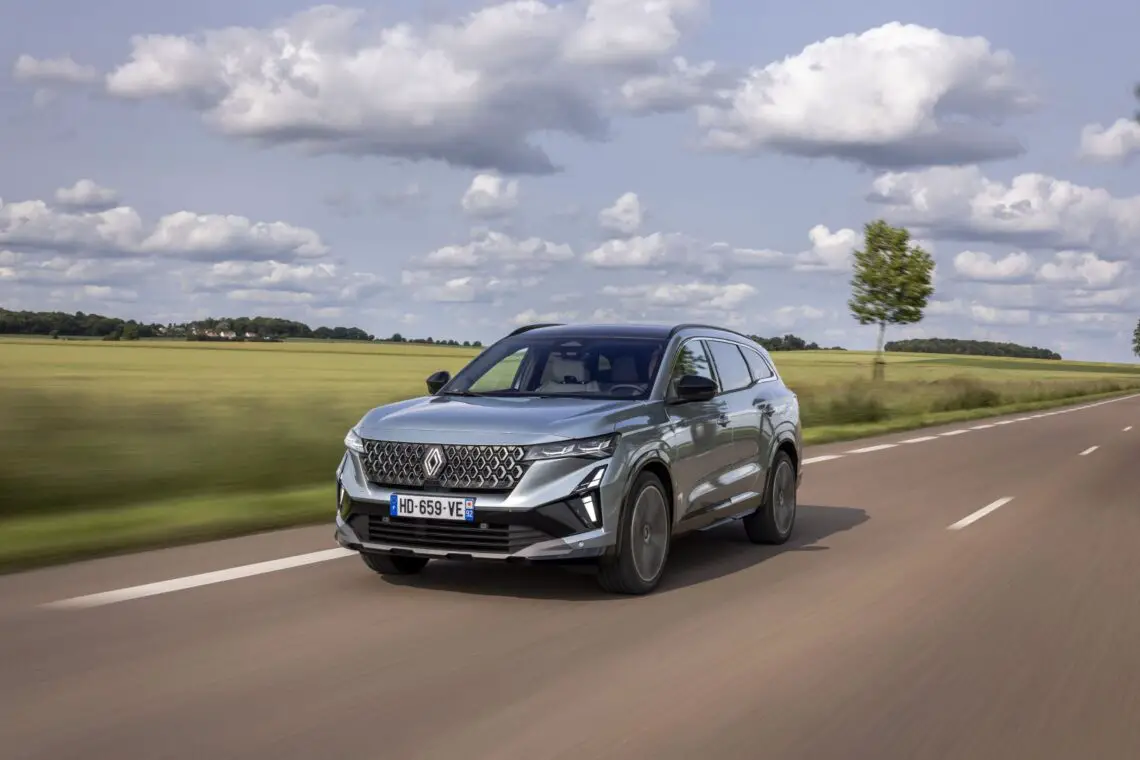
Performance is fine. The Espace sprints to 100 km/h in 8.8 seconds and does 80-120 km/h in just six seconds – handy for quick overtaking on the highway. But what really matters is consumption: according to Renault, you get an average of 4.8 l/100 km. In practice you come close, we also know from the Rafale E-Tech 200 Hybrid we tested earlier. Thanks to a large gasoline tank, you then arrive at a theoretical range of 1,100 kilometers.
Comfort above all else
Where some SUVs still feel stiff, Renault opts for comfort in the Espace. The suspension is supple, the suspension springs nicely over speed bumps and the extra sound insulation and double glazing does its work. Still, we think that a little more could be added, because from a French family car you can expect just that little bit of extra softness. In any case, the new seats offer excellent support.
With the so-called 4Control Advanced, the rear axle steers with it. This is especially noticeable at low speeds, where the turning circle is remarkably small at 10.4 meters. Think Renault Clio. Parking and maneuvering are therefore surprisingly easy for such a large SUV.
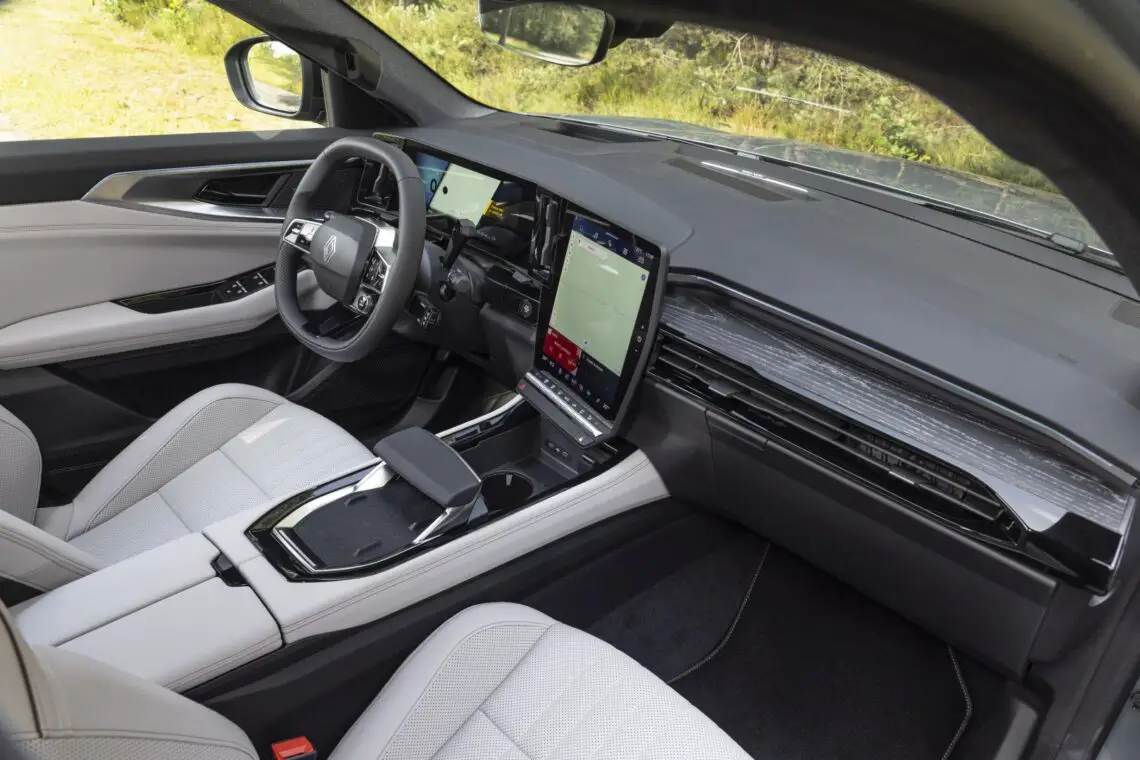
Infotainment and gadgets: almost a tablet store
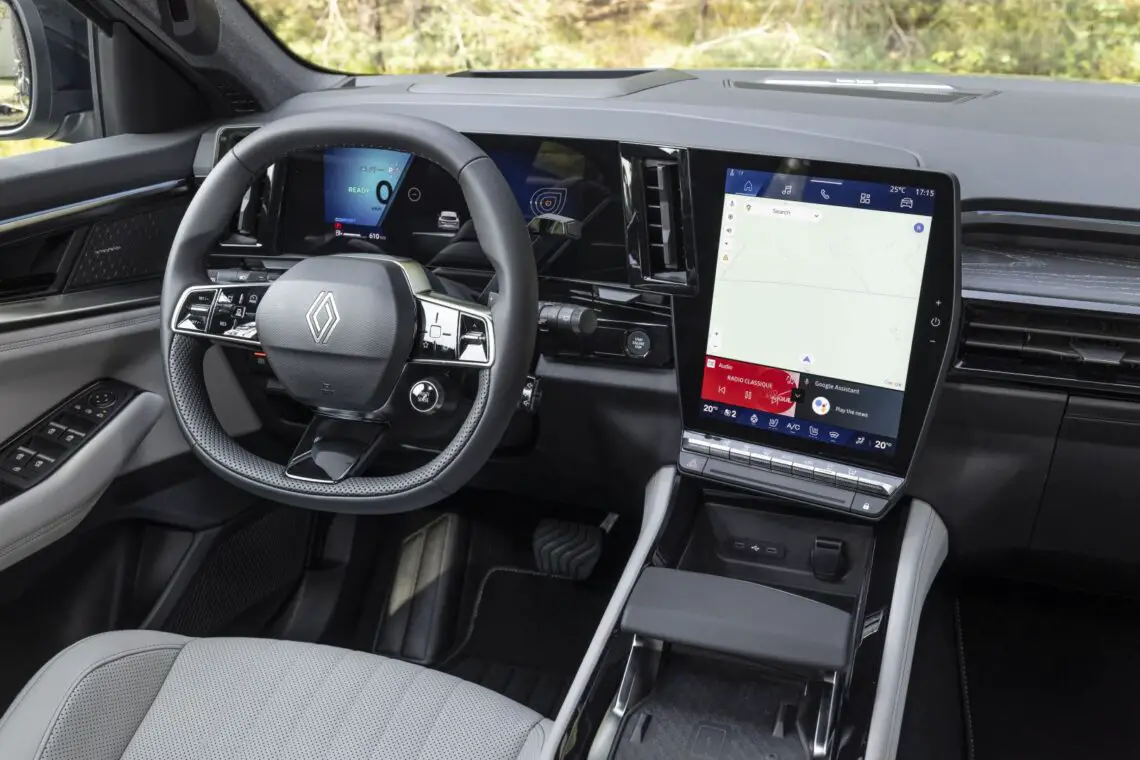
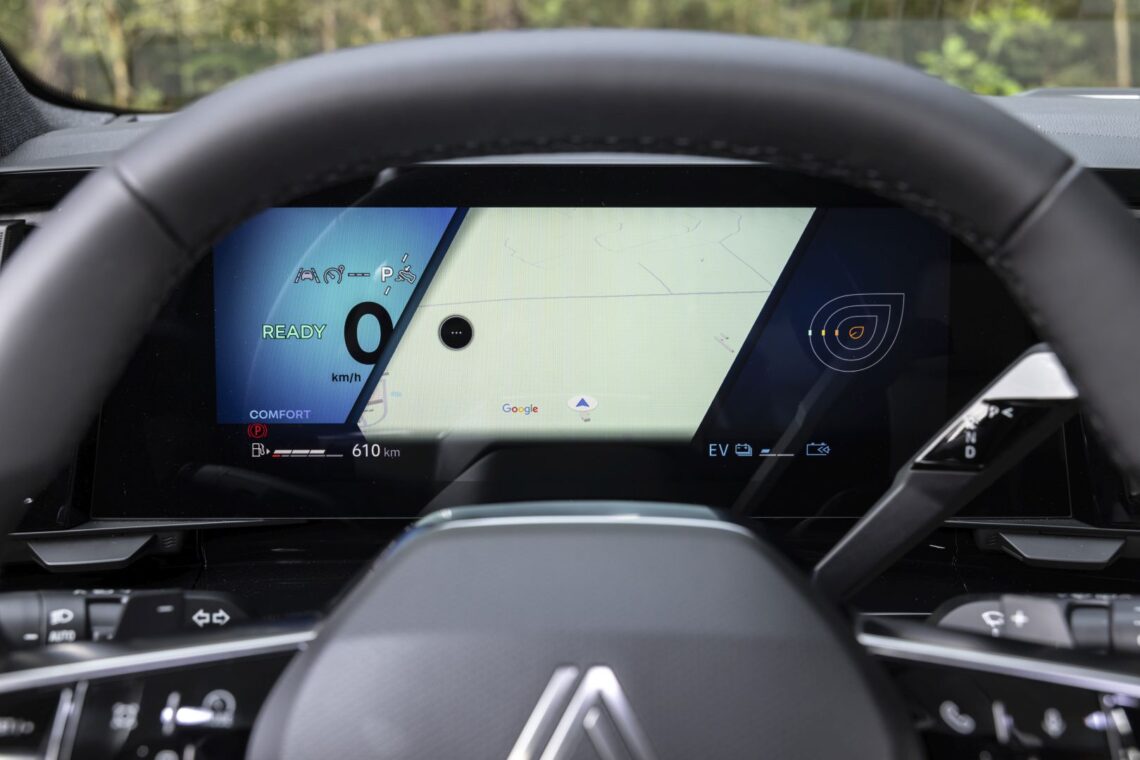
Like many other new Renault models, the openR Link infotainment system offers two large screens with Google integration. Google Maps, Google Assistant and Google Play are standard. Through the Play Store, you can download apps such as YouTube and Spotify.
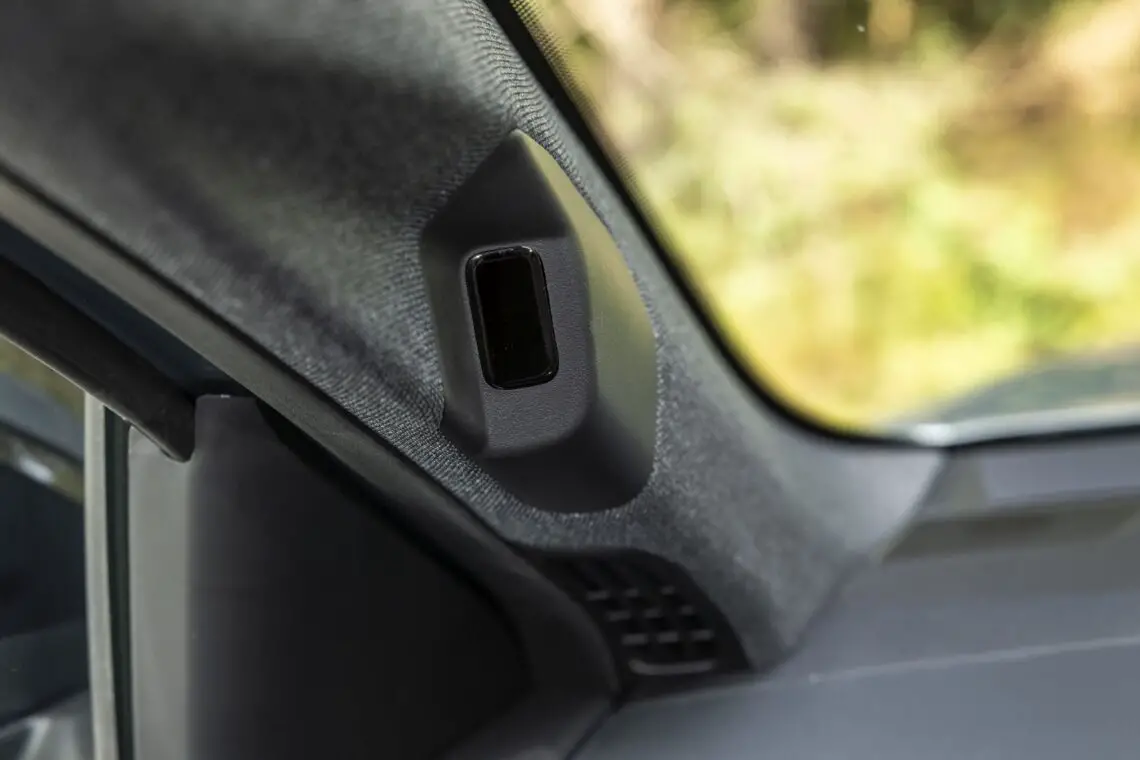
Also new is facial recognition. A camera in the A-pillar recognizes the driver and automatically loads your personal settings. Think of your favorite radio stations, seat position and navigation profiles. A nice gimmick, but definitely useful if you share the car with several people.
Conclusion
The updated Renault Espace is not a revolution, but it is a convincing evolution. It looks sleeker and, with its improved hybrid powertrain, offers a nice balance between comfort and economy. Thanks to its large luggage space, it is a pleasant family car – especially for those who have no appetite for charging passes and cables. In the video below, we tell you more: