Review – Renault 5 E-Tech Electric (2025)
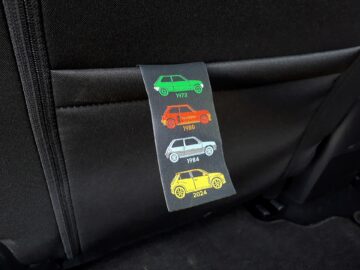
The Renault 5 really needs no introduction. The first model was the right car at the right time in 1972. The little five remained in production until 1996 and that with only two model generations. In total, more than 5.5 million were sold.
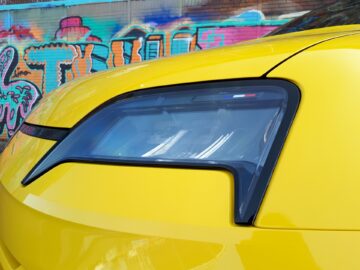
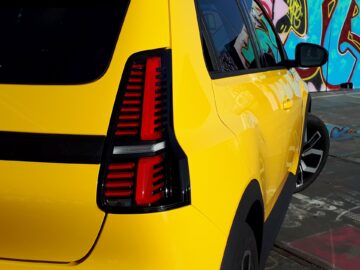
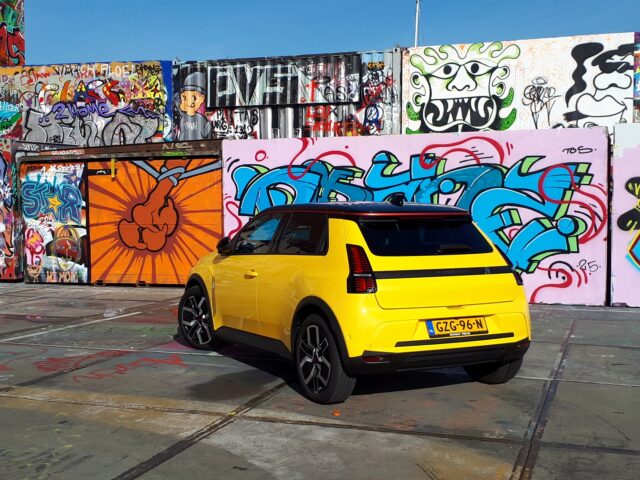
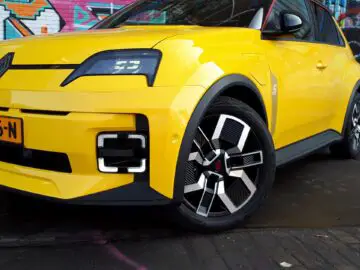
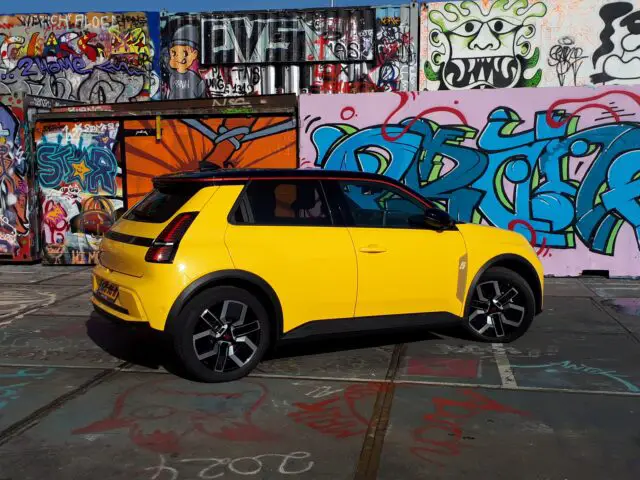
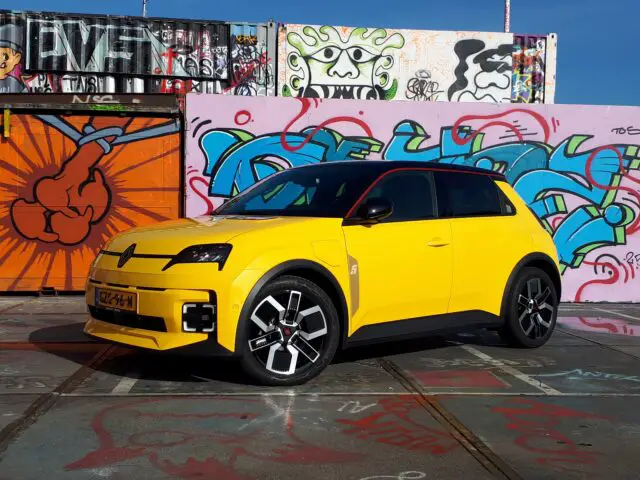
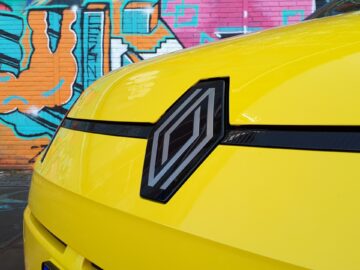
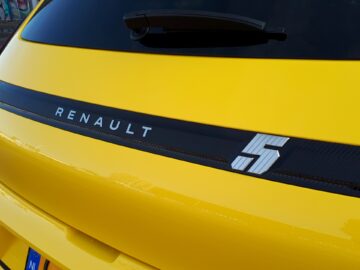
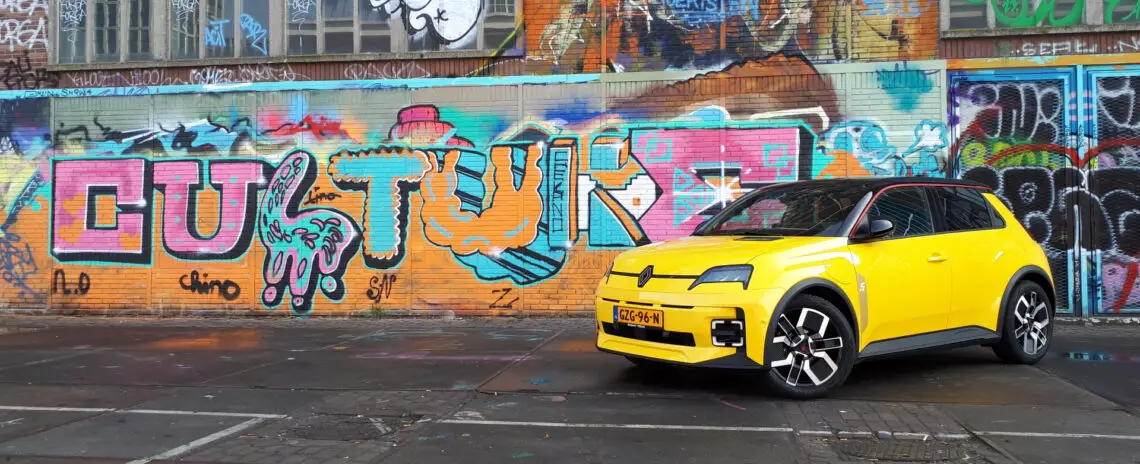
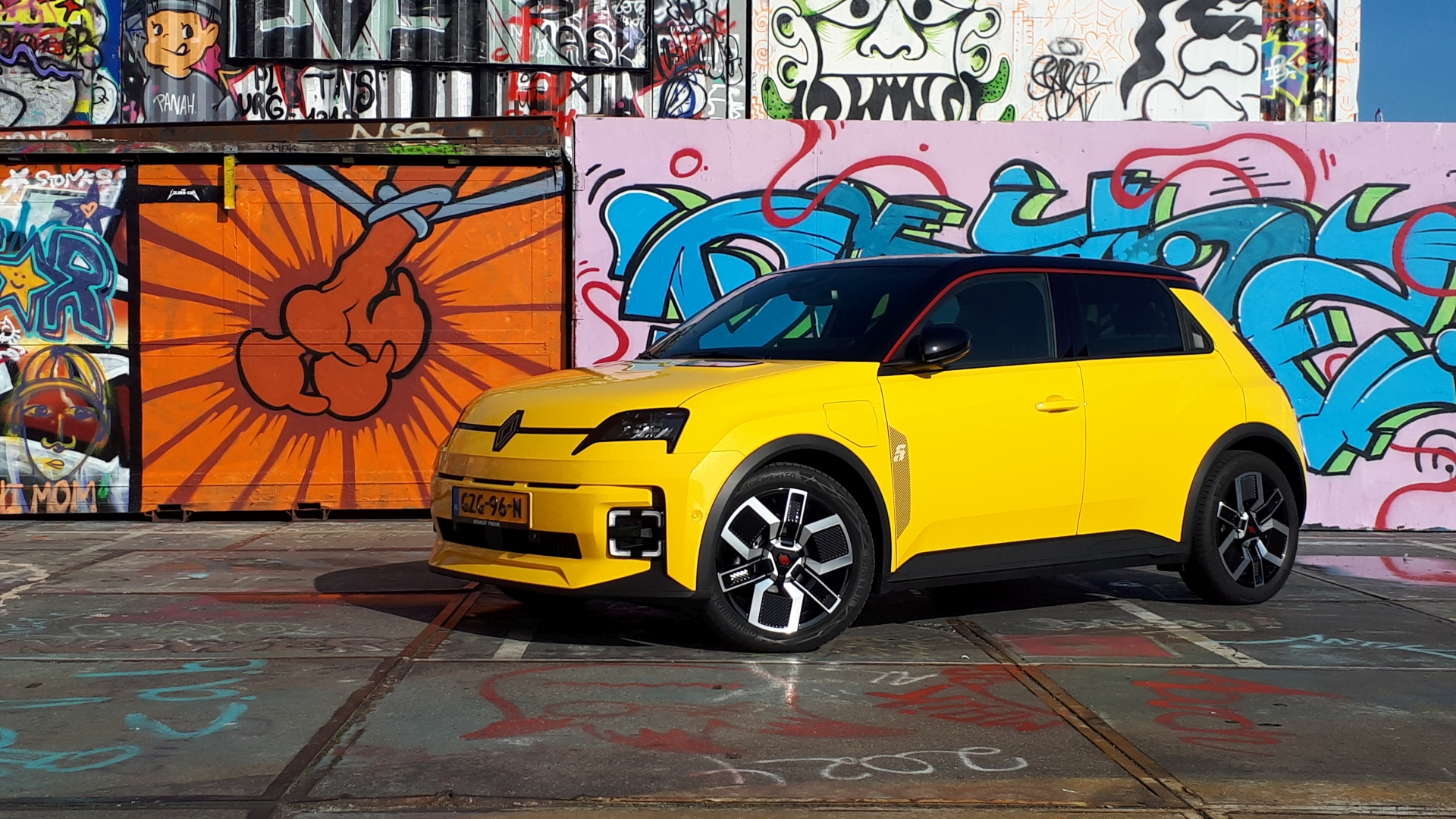
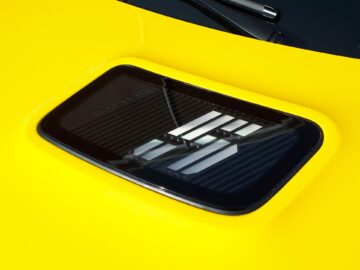
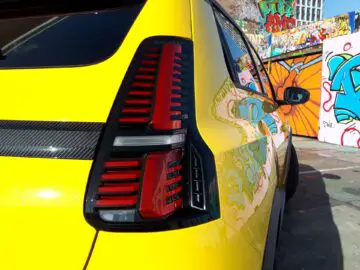
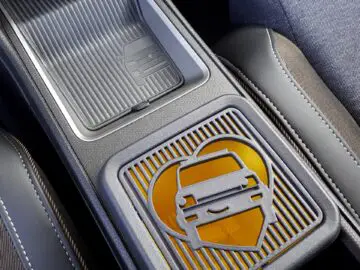
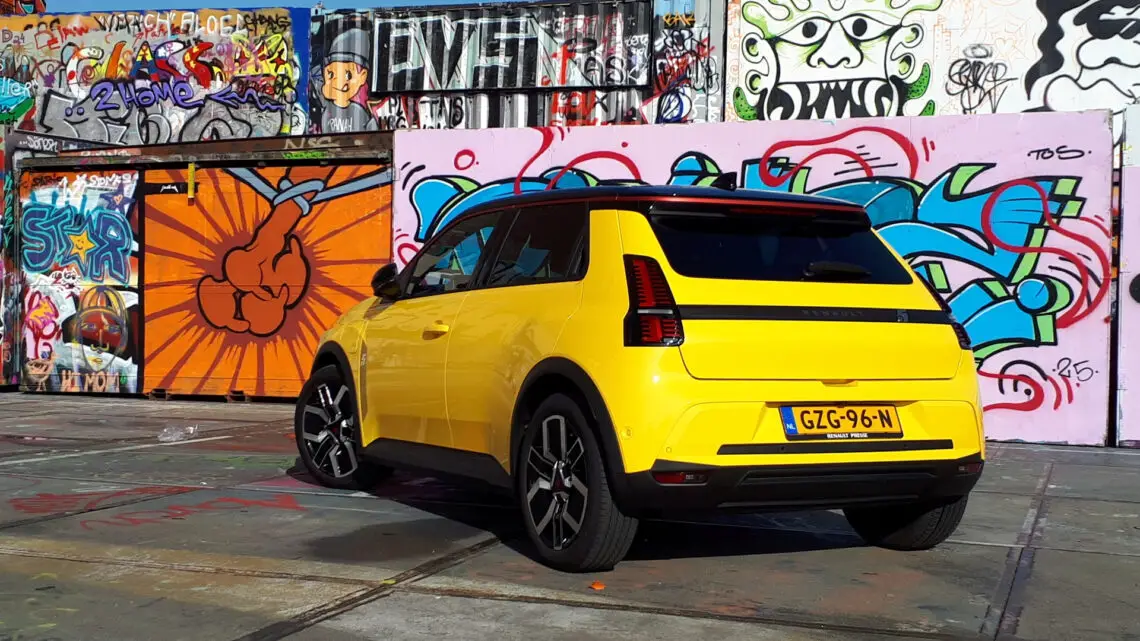
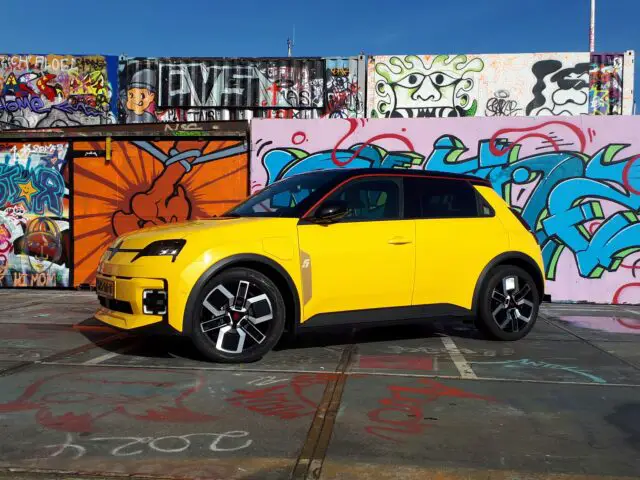
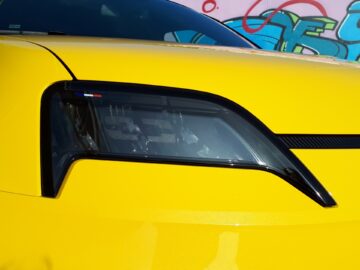
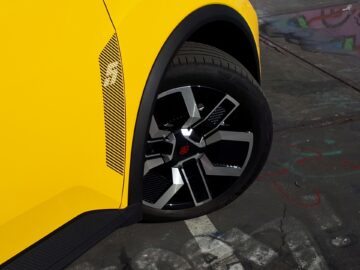
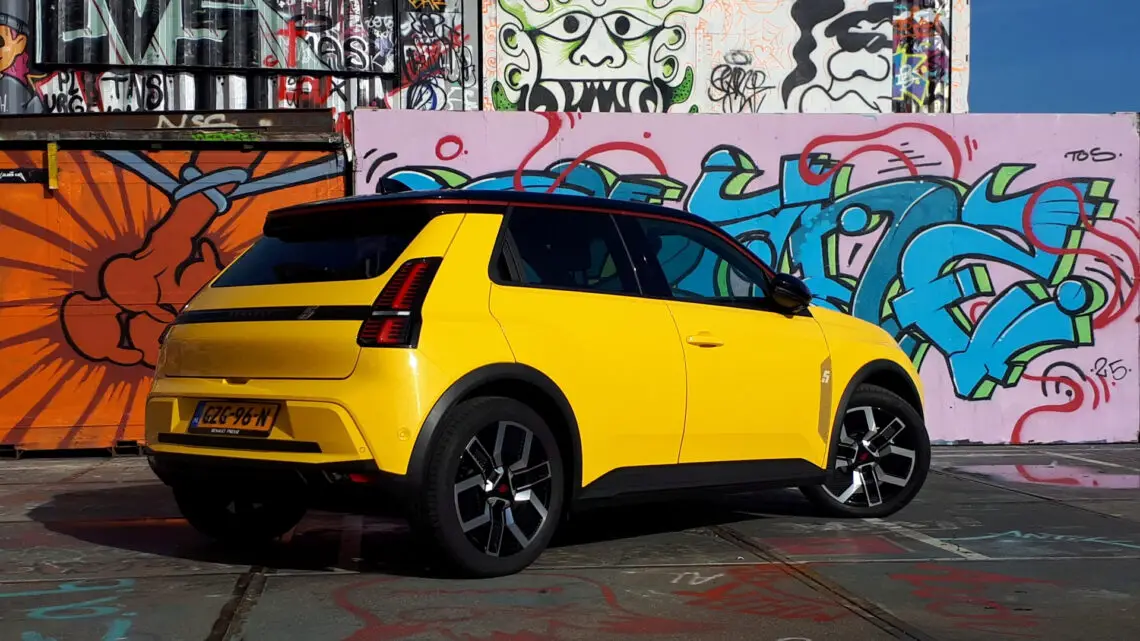
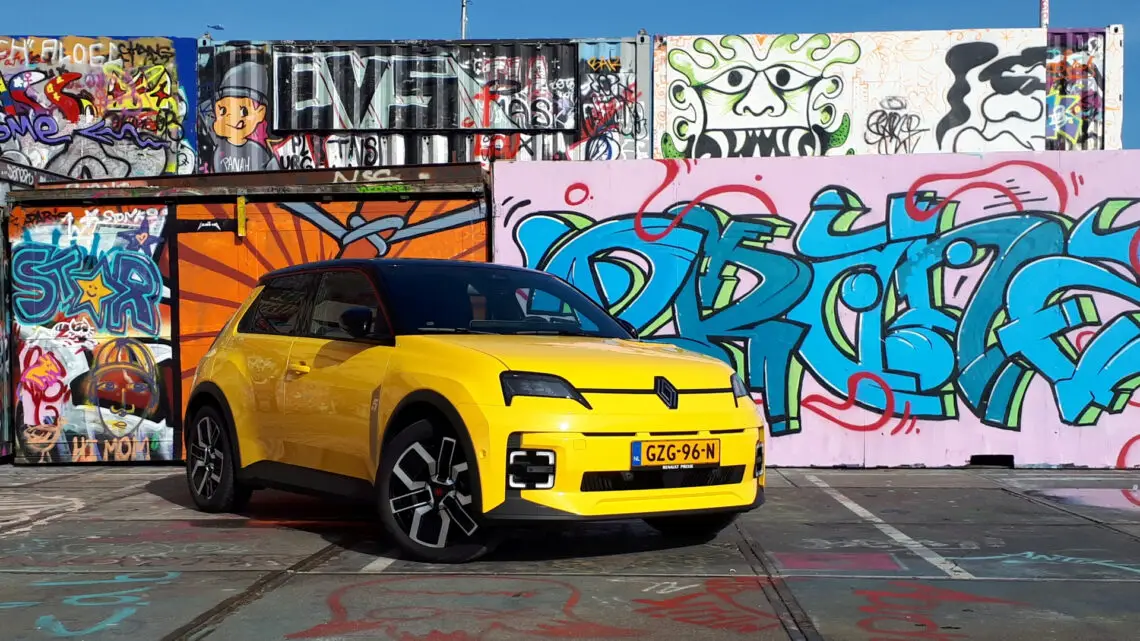
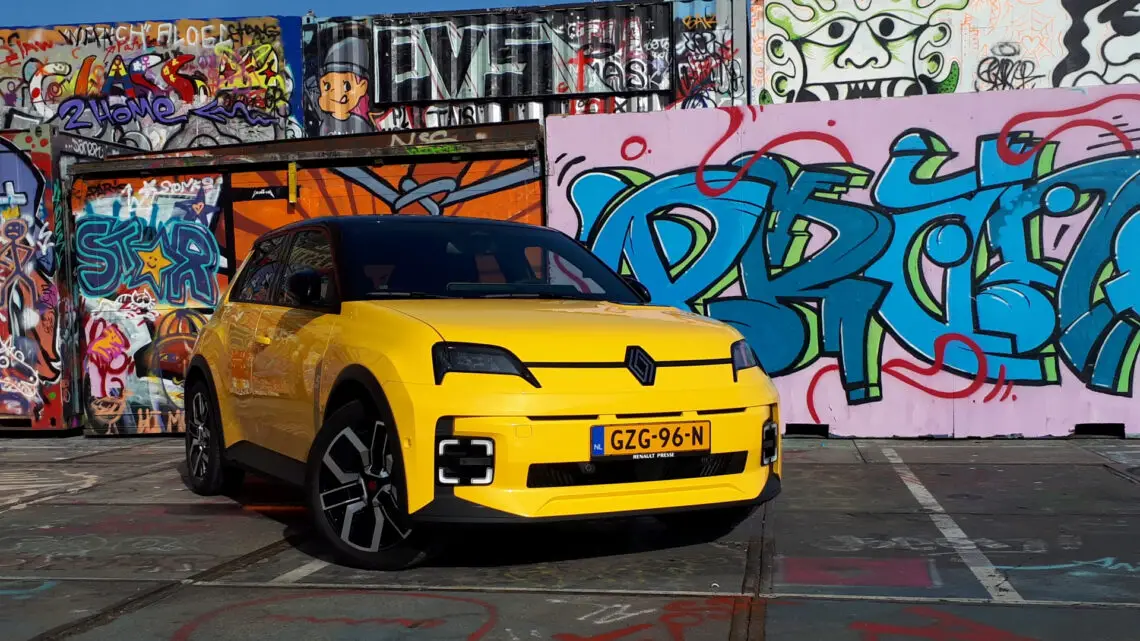
Late last year, the model line made a comeback, as the Renault 5 E-Tech Electric. That last addition makes it immediately clear that the reborn 5 will always be fully electric powered. Otherwise, the design of the new Renault 5 is full of references to the earlier models. From the distinctive silhouette to little things like the grille in the hood, which is now a playful charging status indicator. Yet the design is also not overly retro. Suppose you’ve been living under a rock and don’t know the original, it’s still a modern, quirky design.
What versions of the Renault 5 E-Tech Electric are there?
Thus, the new Renault 5 is always fully electric powered. For that, there is a choice between a version with 90 kW (120 hp) and a 40 kWh battery (Urban Range) and one with 110 kW (150 hp) and a 52 kWh battery (Comfort Range). Depending on the version, the range is 312 to 410 km (WLTP), but more on that later.
A base model with 70 kW (95 hp) and the 40 kWh battery is also available in some countries, but it cannot fast charge. Therefore, Renault Netherlands sees insufficient opportunities for that model and it is not offered here. Or not yet, because the 95 hp variant will eventually come to the Netherlands as an extra advantageous model. Whether it will be equipped with a fast charger is not yet known. Do you want even more horsepower? Then you should visit an Alpine Store and inquire about the Alpine A290. That’s a serious sports version based on the Renault 5.
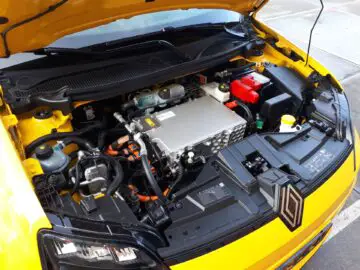
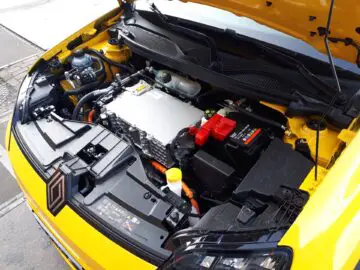
Is the Renault 5 E-Tech a bit practical?
Not much has changed about the concept of the Renault 5 after say twenty years. It is still a compact hatchback intended primarily for “urban environments. In all directions, however, it is considerably larger than the original. For example, it is 27 inches longer than the five-door from the 1980s, for one thing. On the other hand, with a length of just under four meters and a width of just under 1.80 meters, it is still a compact car.
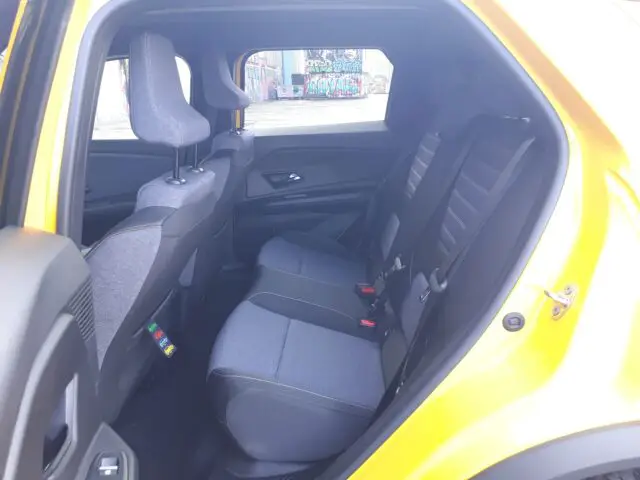
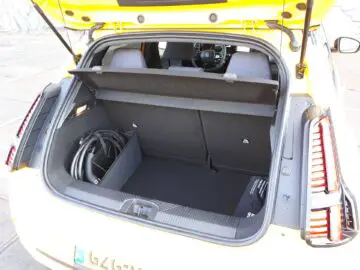
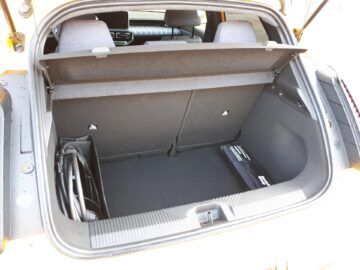
Moreover, the larger exterior dimensions naturally translate to more interior space. As much as 326 liters fit in the back, for example, and it is a five-person car. At least in theory. The focus of the spatial layout did lie on the front seats and the luggage space. In the back seat, it is cramped for adults. The feet cannot go under the front seat, and even apart from that, legroom is on the tight side. Headroom also falls just short, because the rear seat is a bit higher than the front seats. You can still manage a short drive, but as an adult you are not really comfortable in the back. For children, however, it is fine.
Another practical point: only 500 kilograms are allowed on the tow bar. Speaking of weights, the Renault 5 weighs – depending on the version – about 1,400 kg. That’s not too bad for an EV, and it makes a difference when you ‘soon’ have to pay the full road tax rate for an EV as well.
How does the Renault 5 E-Tech Electric drive?
Very good! In fact, this is one of its strongest points. The Renault 5 has a fine, comfort-oriented suspension, which handles uneven road surfaces nicely. At the same time, the suspension is firm enough to steer tightly through corners. Renault has struck a very good balance there. The new Renault 5 really invites you to take the back roads, and you don’t often see that in an EV.
Is there nothing to criticize? Yes, albeit small things. For example, at higher speeds there is relatively much tire noise, although in an EV this is quickly noticeable because there is no engine noise. As for all-round visibility, the rear window is very small and the B-pillars are a bit on the wide side. This is not problematic, but slightly thinner roof and window pillars would have been nice. Furthermore, we find the seating position a bit on the high side, both in absolute terms and relative to the car, but some people actually like that.
How far does it get with a full battery?
We discussed the theoretical values above. The version we drove – a Comfort Range – should reach 410 km (WLTP). Additionally, Renault itself indicates that with mainly highway mileage, you should count on 285 km. The official average consumption is 14.9 kWh/100 km (WLTP). After a week of testing with mainly fast and N roads (and moderate outside temperatures), we arrived at a practical consumption of 16.8 kWh/100 km. That’s still decent. That would mean a range in real life of over 300 km and that is also what the on-board computer indicates with a fully charged battery. Also nice: the remaining range indicated by the trip computer turns out to be very accurate.
How quickly can you recharge it?
Battery empty? Then you can fast charge with up to 100 kW. From 15 to 80% should take exactly half an hour. By the way, we did not have the full 100 kW on the meter, but it was close to it. Remember to enter the charging station as a destination in the navigation. This is because then the Renault 5 will already bring its battery to the ideal temperature for fast charging. Charging at a regular charging station takes about four hours at 3-phase 11 kW and 6.5 hours at a 1-phase 7.4 kW connection.
In the near future, the Renault 5 will also get a function for bi-directional charging. That means that – with the right plug – you can also power other devices. Or you can use the Renault as a kind of home battery and supply power back to the grid if necessary.
Is the Renault 5 E-Tech Electric affordably priced?
Of course, that depends on what you call inexpensive – and what you are comparing it to. Currently, the price list starts at 27,990 euros. For the more powerful engine and larger battery you are already at 32,990 euros, but then you also have a slightly higher equipment level. The most expensive version is currently the Roland Garros with a starting price of 35,990 euros. A more economical version with a less powerful engine will eventually follow and should cost around 25,000 euros.
So, on the one hand, the Renault 5 is not (yet) the real price buster it seemed to become, but in the context of the current car market it is not really expensive either. Direct competitors such as the Citroën ë-C3 (starting at 24,300 euros) and Fiat Grande Panda (25,990 euros) are somewhat more affordable. There are even more economical EVs, but they are also smaller. On the other hand, many other electric B-segment hatchbacks, such as the Peugeot e-208 (starting at 32,700 euros), Opel Corsa Electric (starting at 28,990 euros) and Mini Cooper Electric (starting at 31,400 euros) are easily more expensive in similar configurations. In that light, the Renault 5 is still relatively competitively priced for an all-new electric car in this segment.
The Renault 5 comes with a manufacturer’s limited (but common) two-year warranty. That does not include mileage restrictions. Specifically, the battery comes with a factory warranty of eight years or 160,000 km.
Which version should you have?
Of course, that depends on your personal preferences. Personally, we would definitely consider the version with a larger battery, but if you mainly do short trips, the base model is more than enough. Moreover, the Evolution base model is by no means a bare entry-level car, with full LED lighting, a heat pump, keyless entry and a fairly complete infotainment system. Also, the standard model already has the good Arkamis audio system, albeit with two fewer speakers.
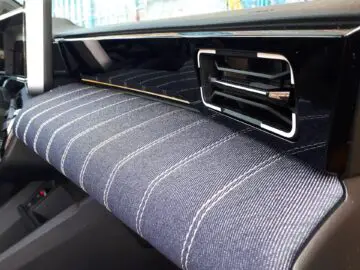
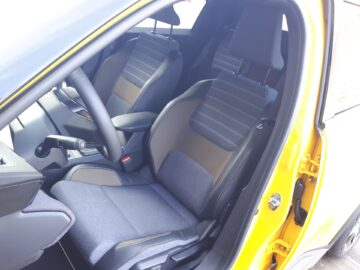

How good is the infotainment?
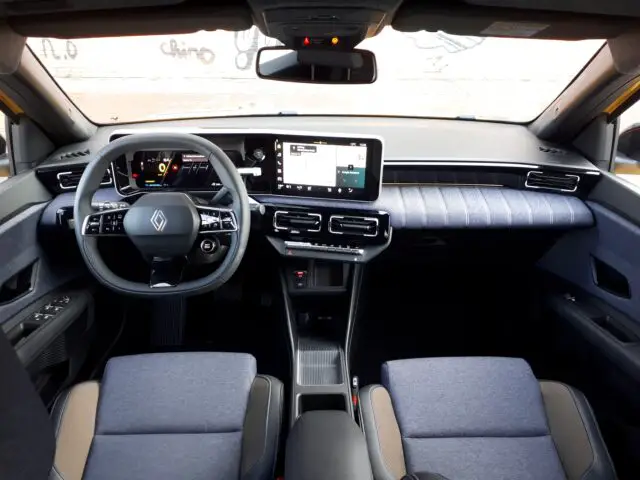
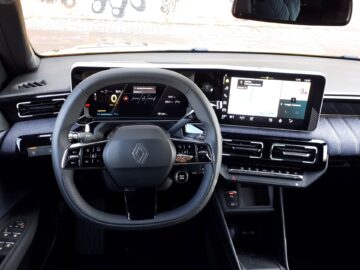
Very good! It is the same system as in other recent Renault models. Thanks in part to the Google software, the system works as quickly and pleasantly as a regular tablet or smartphone, with similar functions. We are quick to comment on that in a positive sense. What the tested Techno offers more compared to the standard model are integrated navigation and Google services, voice control, two additional speakers for the audio system and a wireless smartphone charger. In the base model, you can also use Google services, but via your own smartphone and wirelessly Apple CarPlay or Android Auto.
So, is the Renault 5 E-Tech Electric rightfully Car of the Year?
Yes, of course! Although that is subjective, we fell for its looks in the first place. A nice mix of modern design and recognizable elements of the original. In addition, the new Renault 5 also appears to have very fine driving characteristics. In fact, this is one of the finest driving EVs! Furthermore, the price-quality ratio is good and the foregoing aspects ensure that it is well worth any additional price compared to some competitors.