
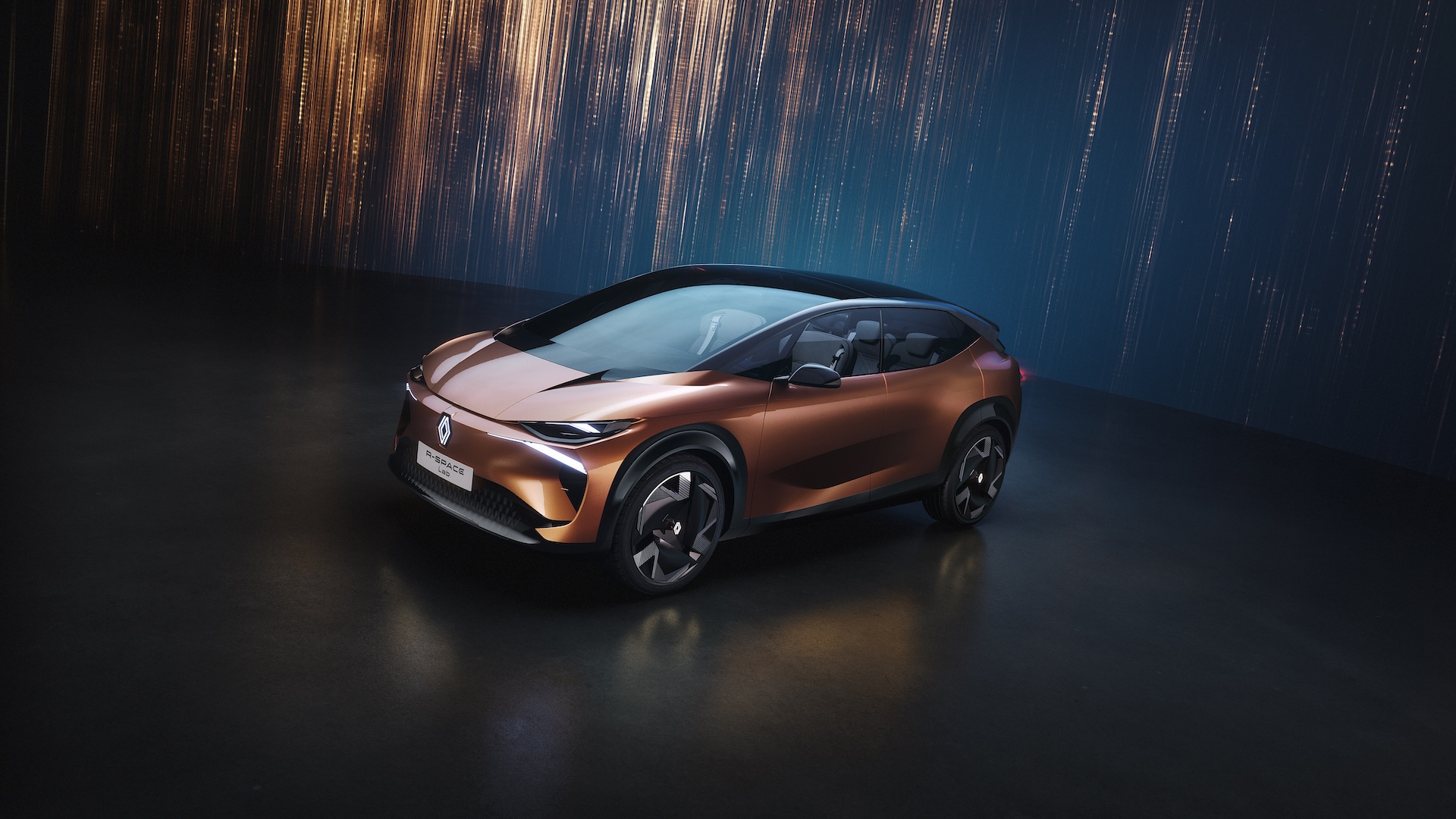
Renault R-Space Lab is study of new interior concepts
No harbinger of production model
The Renault R-Space Lab is emphatically not a precursor to a production model. According to Renault, the demonstrator serves primarily to show how the brand thinks about future vehicles in which interior flexibility, connectivity and ease of use are central. In doing so, the concept of voitures à vivre – cars that function as living spaces – is once again under discussion.
Interior as adaptable living space
A key premise of the R-Space Lab is a lightweight, modular cabin. The interior is designed as a space that can adapt to different usage situations. Technology and layout can be tailored to the needs of the occupants, for example, during work, travel or family use, according to Renault. With this approach, Renault aims to explore how the driving experience can change when the emphasis is less on traditional vehicle functions and more on comfort, flexibility and passenger interaction.
Cockpit with central panoramic screen
The cockpit of the R-Space Lab includes a wide panoramic screen that runs the full width of the dashboard. This so-called openR display shows information such as speed, driver assistance systems and multimedia functions. Operation is largely via a central touchscreen, similar to the operation of a smartphone.
The steering wheel has a compact design and works in conjunction with steer-by-wire technology, replacing the mechanical connection between steering wheel and wheels with electronic control. According to Renault, this can improve instrument cluster visibility and free up space in the cockpit.
Experiments with new safety features
The R-Space Lab aligns with Renault’s Human First program, which focuses on the safety of occupants and other road users. The concept explores several new ideas.
One example is a tactile alcohol detector that can help drivers become aware of their driving ability. Applications of artificial intelligence in the car are also being considered. For example, that technology could augment the so-called Safety Coach with contextual advice or support drivers in using various vehicle functions.
Dimensions and interior layout
The R-Space Lab is 4.5 meters long and 1.5 meters high. Despite its relatively compact height, the interior is spacious. The dashboard and front of the interior are designed to provide more room for movement for the front passenger.
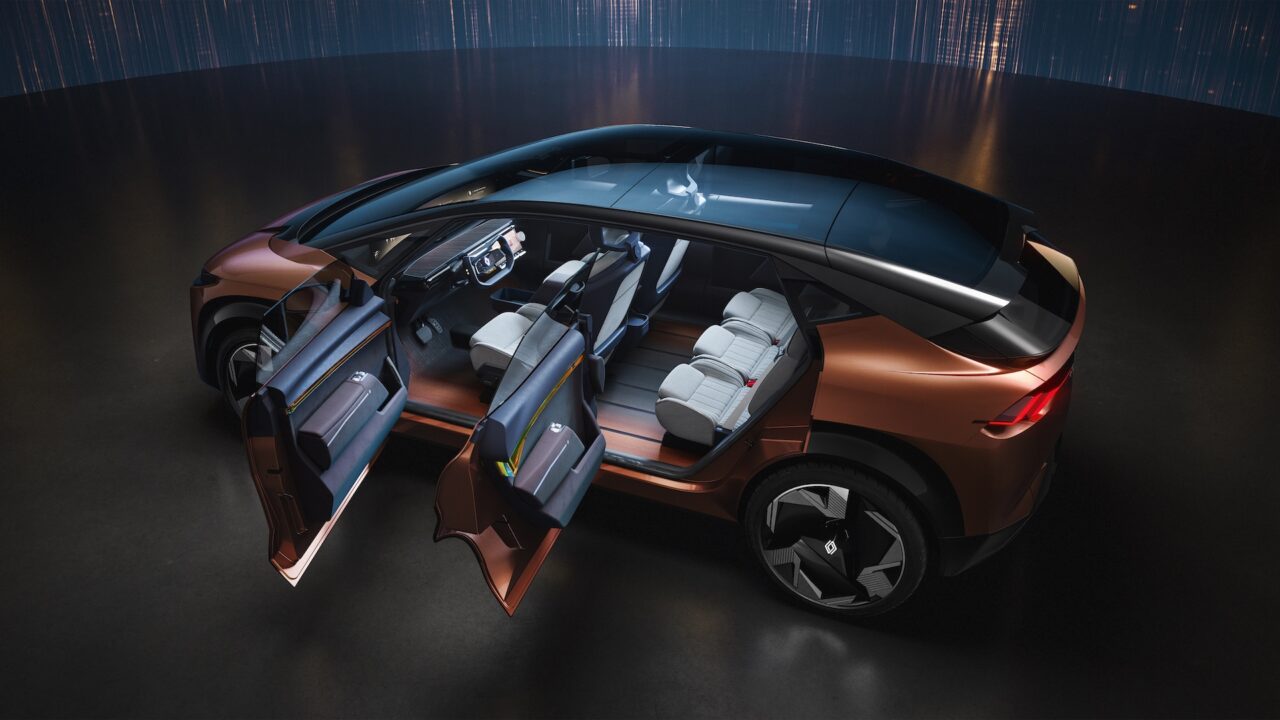
To save space, the front and curtain airbags on the passenger side are integrated into the seat. This creates space for a multifunctional glovebox that can accommodate, for example, a tablet or bag. The compartment can also be folded out to create additional legroom. The front passenger seat can slide back to the second row of seats. According to Renault, this makes it easier to maintain contact with passengers in the back, for example with a child in a child seat.
Three separate rear seats
In the rear, the R-Space Lab features three individual seats of equal width. The seatbacks recline slightly for extra seating comfort. The seats can be folded down and the seats raised.
In combination with a flat floor, this creates a flexible interior. This makes it possible to create different loading configurations, for example for transporting large objects or sports equipment. When the seats are folded down, additional space is created for luggage or a pet, for example. The rear doors open at a 90-degree angle, which should make it easier to load and unload luggage or install child seats.
Large glass surfaces
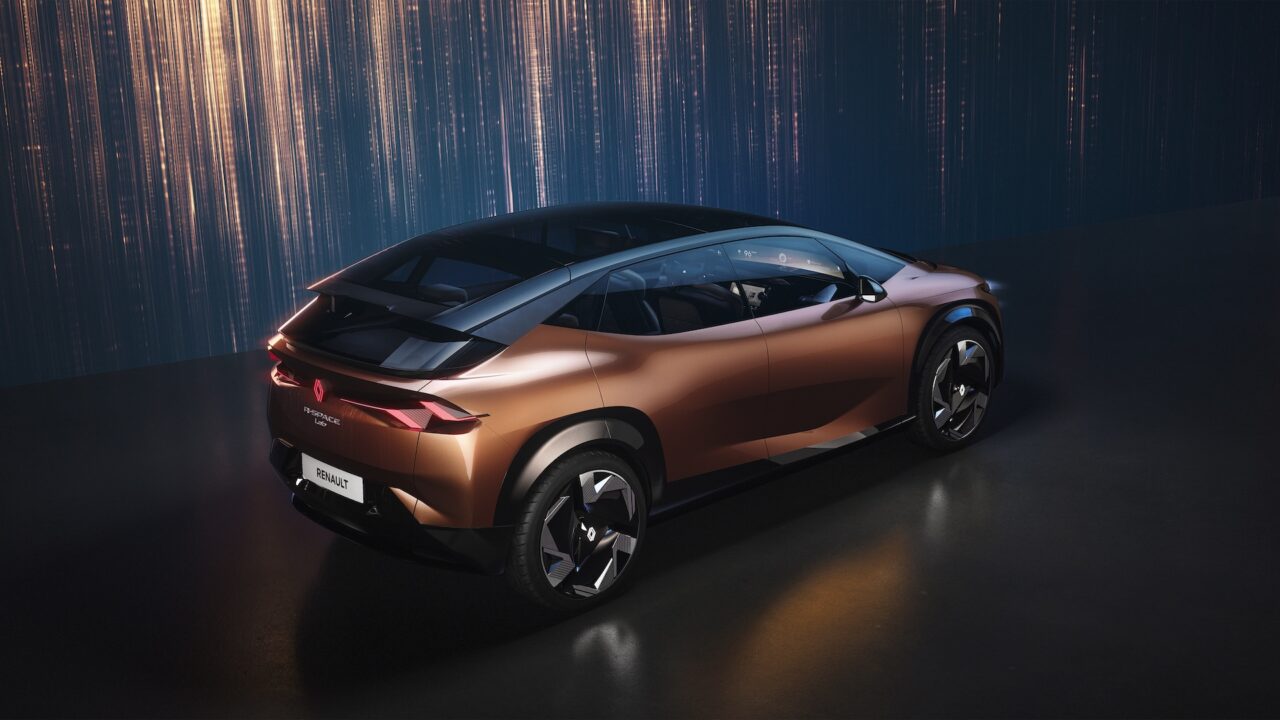
The R-Space Lab’s design is characterized by large expanses of glass. The windshield extends into a glass roof, while slender pillars, a partial B-pillar and frameless doors contribute to an open interior feel. This construction allows plenty of natural light to enter the interior, which Renault says should contribute to a spacious experience for occupants.