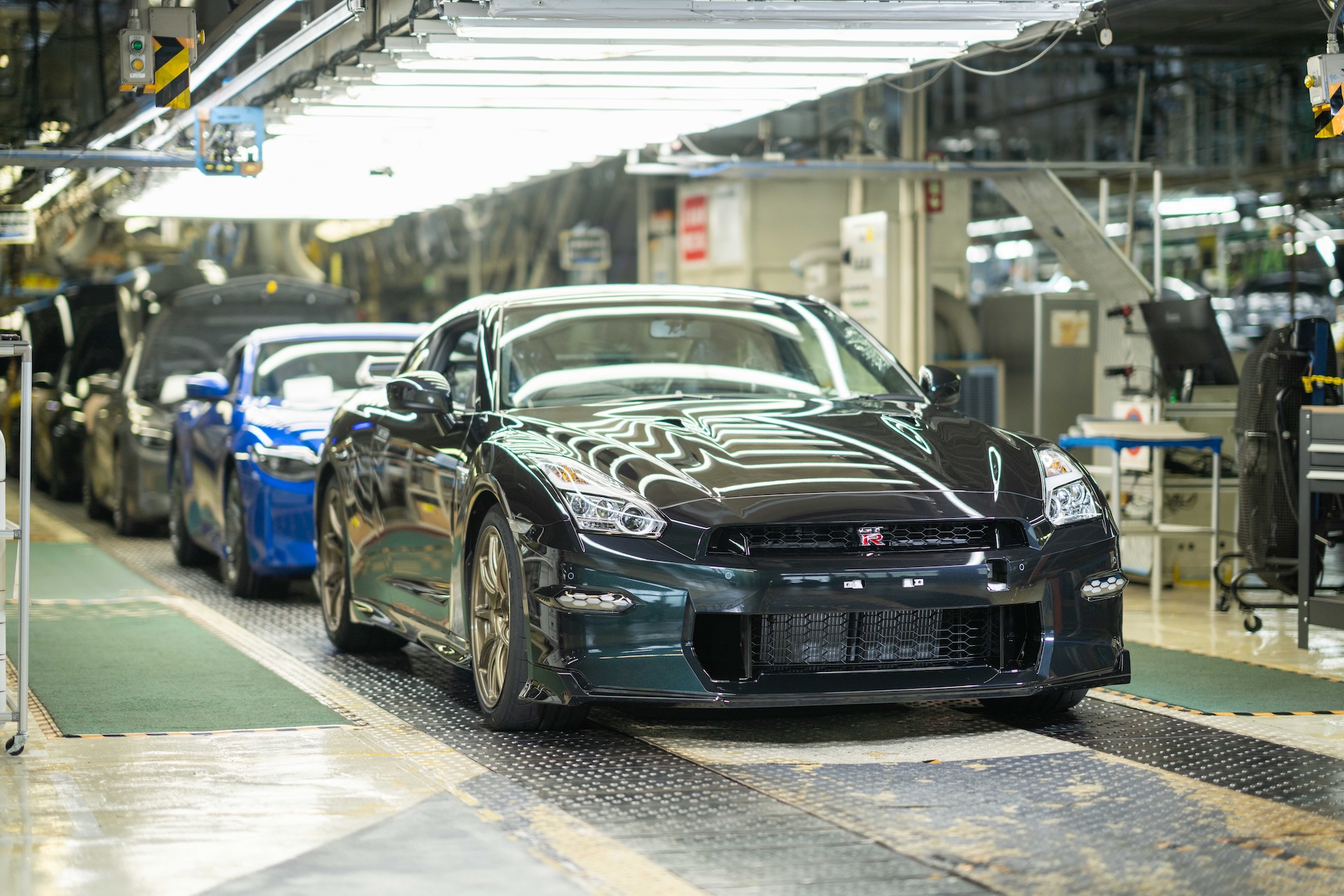
Nissan GT-R R35 closes production after eighteen years
From concept to production model
The foundation for the R35 was laid back in 2001. At the Tokyo Motor Show, Nissan showed the GT-R Concept, a study model that made it clear that the manufacturer was working on a successor to the Skyline GT-R. It was important to Nissan that the new model be separate from the Skyline line. The GT-R would be marketed as an independent model starting with the R35.
The official presentation of the production version followed six years later, also in Tokyo. In October 2007, the time had come. Two months after that, delivery in Japan began. For the brand, this marked a new step: the GT-R had to impress not only at home, but also in international markets.
First successes in motor racing
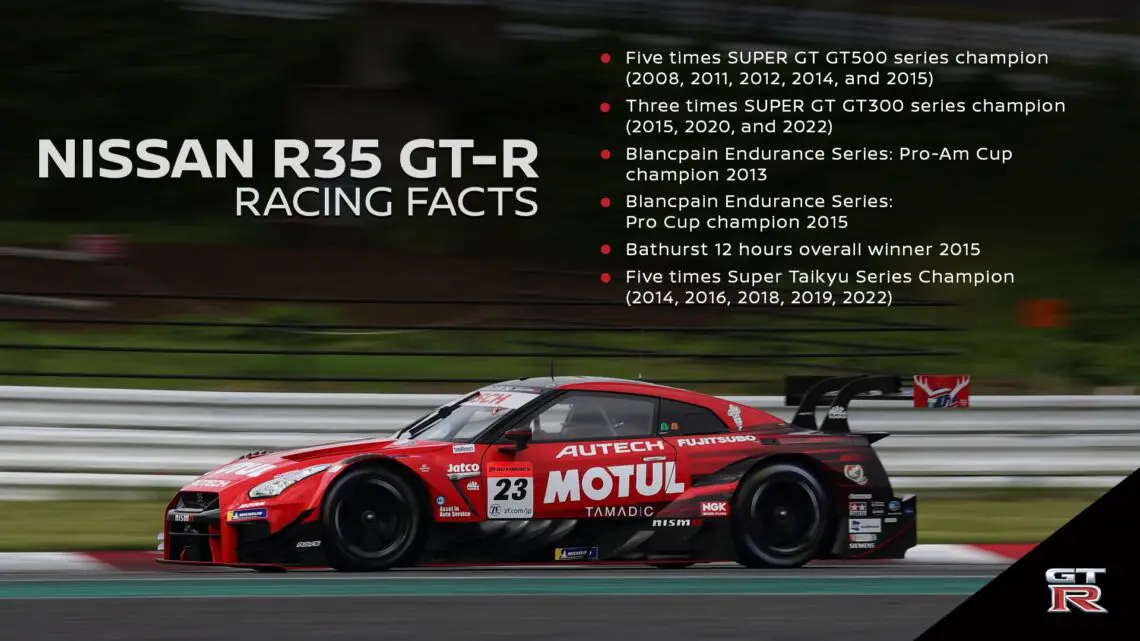
From its inception, the R35 GT-R was used in motorsports. In 2008, the model debuted in the Japanese Super GT in the GT500 class. The first season ended immediately with seven wins in nine races and the drivers’ title. Later that same year, the team also took the title in the GT500 championship. With that, the R35 was known from the beginning as a serious race car, developed not just for show but actually delivering performance on the track.
Evolution of the model
The production model underwent regular updates. In 2009, the Spec V appeared, a version that was lighter and geared more toward track use. That same year, it also improved its lap time at the Nürburgring to 7 minutes and 26 seconds, a feat that attracted international attention.
This was followed in 2010 by the MY11 model update with improvements in power and torque. A year later came the MY12, again with additional power and the introduction of a For Track package, intended for customers who wanted to use the car on the track.
The role of Nismo
An important chapter in the R35’s life cycle began in 2013 with the introduction of the GT-R Nismo. This version received an engine with 441 kW (600 hp) and highlighted the commitment of Nissan’s motorsports department. The Nismo version was later updated regularly and remained available until the end of production.
International racing successes
The GT-R was also used successfully outside Japan. In 2015, the model won the Bathurst 12 Hour in Australia. This was followed later that year by the title in the Blancpain Endurance PRO Driver’s Championship. These victories underscored that the GT-R could also be competitive in international endurance races.
Major model update
In 2016, Nissan presented the biggest update since its introduction at the New York Auto Show. The car received a modified nose, improved interior materials and technical modifications to the engine and chassis. It was an attempt to keep the now nearly decade-old base current in a rapidly changing market.
Special editions
In subsequent years, several special editions appeared. In 2018, together with Italdesign, the GT-R50 was unveiled, a limited-edition prototype celebrating 50 years of GT-R and 50 years of Italdesign. This was followed a year later by the official 50th Anniversary Edition, presented in New York.
Special versions were also regularly released in Japan. In 2021, Nissan introduced the MY22 for the Japanese market, featuring the Premium Edition T-spec and the Track Edition, co-developed by Nismo.
Final years and finale
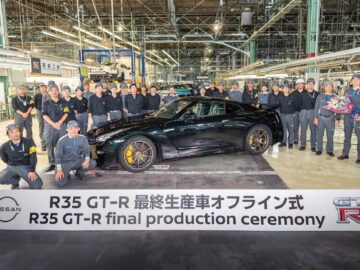
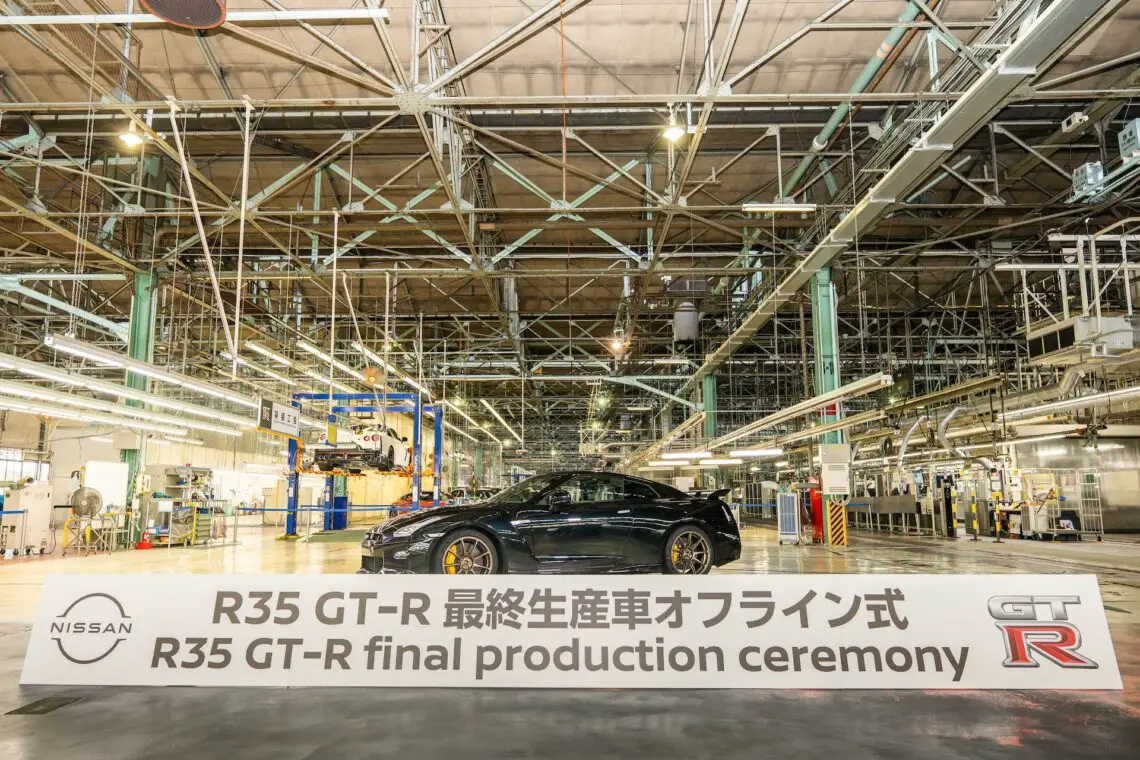
In 2024, the MY25 was presented in Japan, the last major update for the model. A year later, in August 2025, production will end. This ends an eighteen-year life cycle, exceptionally long for a sports car.
Response from Nissan
Ivan Espinosa, President and CEO of Nissan, let it be known at the announcement that the GT-R name will not be given to just any model. According to him, the R35 has set the bar high and patience is needed for a successor. Although there is no concrete plan yet, he stressed that the GT-R will evolve and reappear in the future.
A legacy of technology and craftsmanship
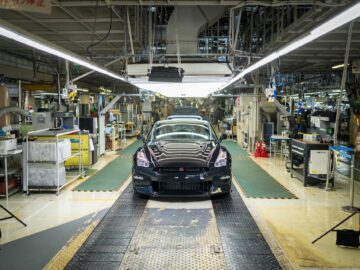
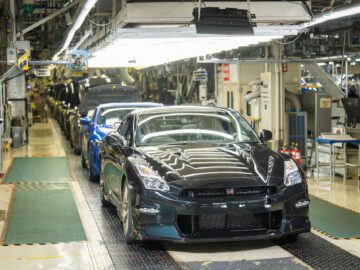
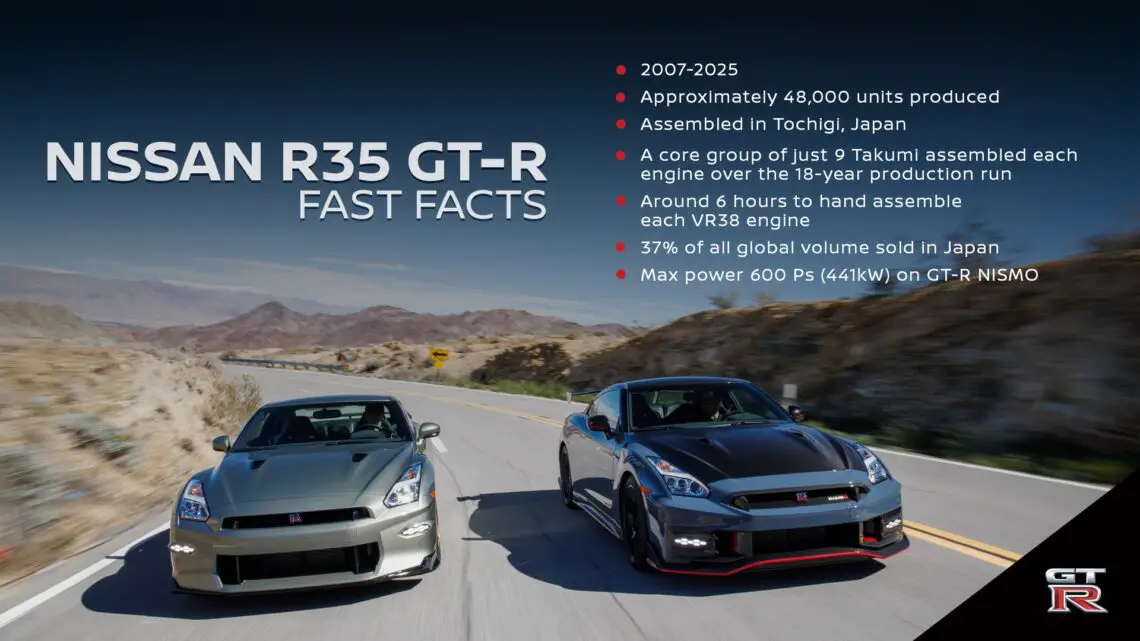
In many ways, the R35 GT-R was a model of Japanese engineering skill. The model was built with great attention to detail, with a small number of Takumi engineers responsible for assembling the engines. This artisanal approach was combined with modern technology, such as an advanced all-wheel-drive system and a dual-clutch transmission.
The balance of craft and engineering made the GT-R a car that was suitable for both everyday use and intense track work. That dual role helps explain why the model remained in production for so long.
Sales and global impact
In total, about 48,000 units of the R35 GT-R were sold. That number is modest compared to more mainstream sports cars, but it highlights the fact that the GT-R has always been a niche model. Its significance lay less in numbers and more in the technological role it fulfilled within Nissan and the broader automotive world.
The GT-R showed that a Japanese manufacturer was capable of building a sports car that was taken seriously worldwide. The model was sold in markets such as North America, Europe and Asia and enjoyed a loyal fan base.
End of an era
With the cessation of production, Nissan closes an important chapter. The R35 GT-R served for eighteen years, a period during which the car was constantly modified but always remained recognizable in its shape and character. For many enthusiasts, this marks the end of a model that was a fixture in the sports car world.
Still, the story of the GT-R does not seem to be at an end. Espinosa’s statement makes it clear that Nissan wants to preserve the name for the future. What that future looks like – electric, hybrid or with a different powertrain – remains unclear for now.
Farewell R35
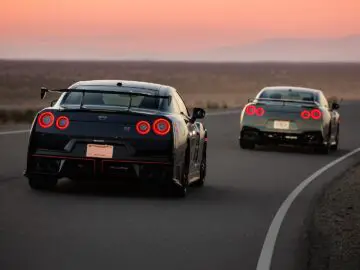
The Nissan GT-R R35 is not a car remembered for massive sales numbers or quick model changes. It is a sports car that has gone through 18 years of development without losing its original character. With victories in national and international races, a series of special editions and a loyal customer base, the R35 has earned its place in automotive history.
Although production ends in 2025, the influence of this model will continue to be felt. For Nissan, the R35 was a technical showcase and a symbol of Japanese sports car culture. The question now is how the brand will continue that legacy in the future.
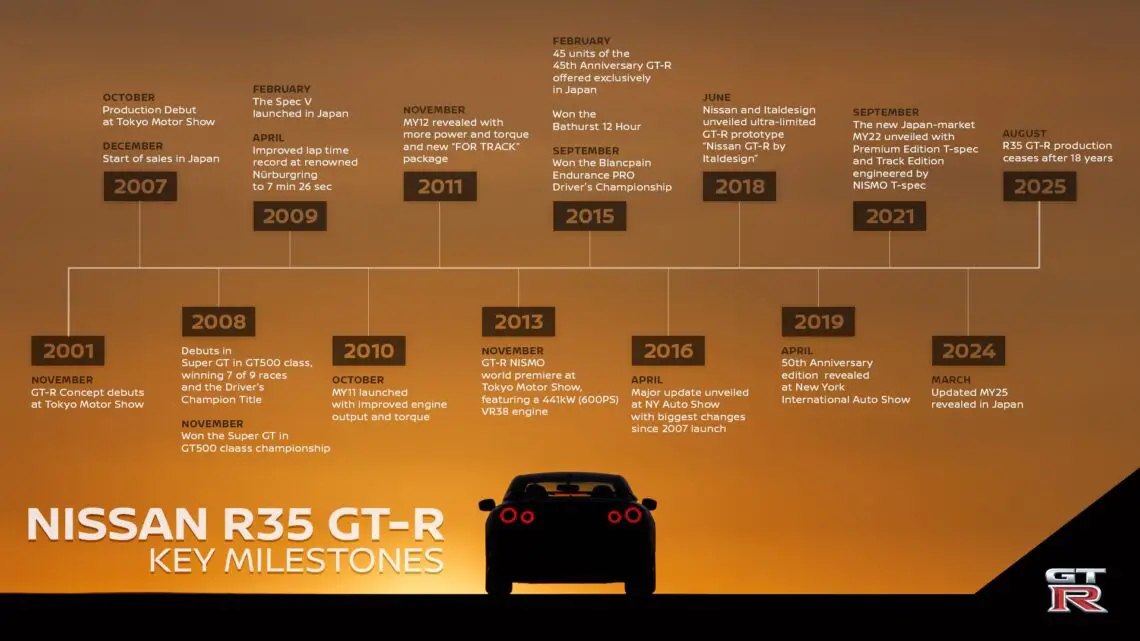
Nissan R35 GT-R timeline
2001
- November: GT-R Concept debuts at the Tokyo Motor Show.
2007
- October: Production debut at the Tokyo Motor Show.
- December: Start of sales in Japan.
2008
- Debuts in the Super GT in the GT500 class. Wins seven of nine races and takes driver’s title.
- November: Win in the GT500 class of the Super GT.
2009
- February: The Spec V is launched in Japan.
- April: Improved lap time at the Nürburgring: 7 minutes and 26 seconds.
2010
- October: MY11 launched with improved engine power and torque.
2011
- November: MY12 unveiled with more power, more torque and a new For Track package.
2013
- November: GT-R Nismo world premiere with a 441 kW (600 hp) VR38 engine.
2015
- February: 45th Anniversary GT-R delivered exclusively in Japan.
- May: Win in the Bathurst 12 Hour.
- September: Win in the Blancpain Endurance PRO Driver’s Championship.
2016
- April: Major update presented at the New York Auto Show, with the biggest changes since the 2007 launch.
2018
- June: Nissan and Italdesign unveil the limited GT-R50 prototype: Nissan GT-R50 by Italdesign.
2019
- April: 50th Anniversary Edition unveiled at New York International Auto Show.
2021
- September: The Japanese market gets the MY22, unveiled with Premium Edition T-spec and Track Edition developed by Nismo T-spec.
2024
- March: Updated MY25 unveiled in Japan.
2025
- August: End of production of the R35 GT-R, after 18 years.