New generation Nissan e-Power: this is what you’ll notice about it
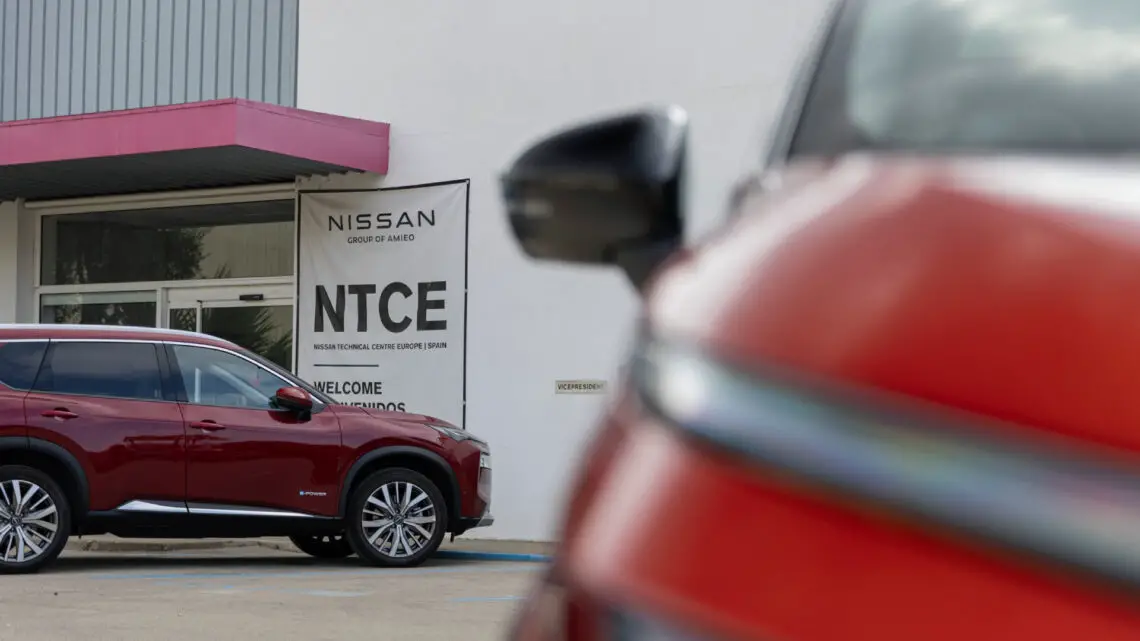
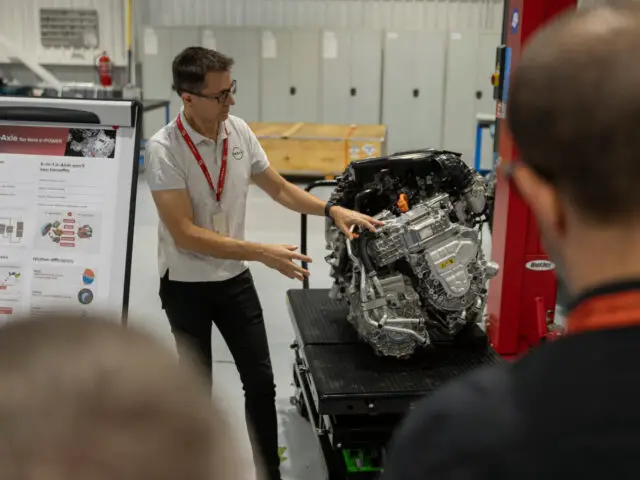
Nissan invites us to the Nissan Technical Centre Europe, located on the outskirts of metropolitan Barcelona. Several engineers explain to us what exactly is new about the revamped e-Power. It soon becomes clear that this is not an update, but that we are really dealing with a new, third generation of the e-Power system. The first generation of e-Power was introduced in Japan in 2017. The second generation followed in 2020, and since 2022 we have known e-Power in Europe as well.
All-new gasoline engine
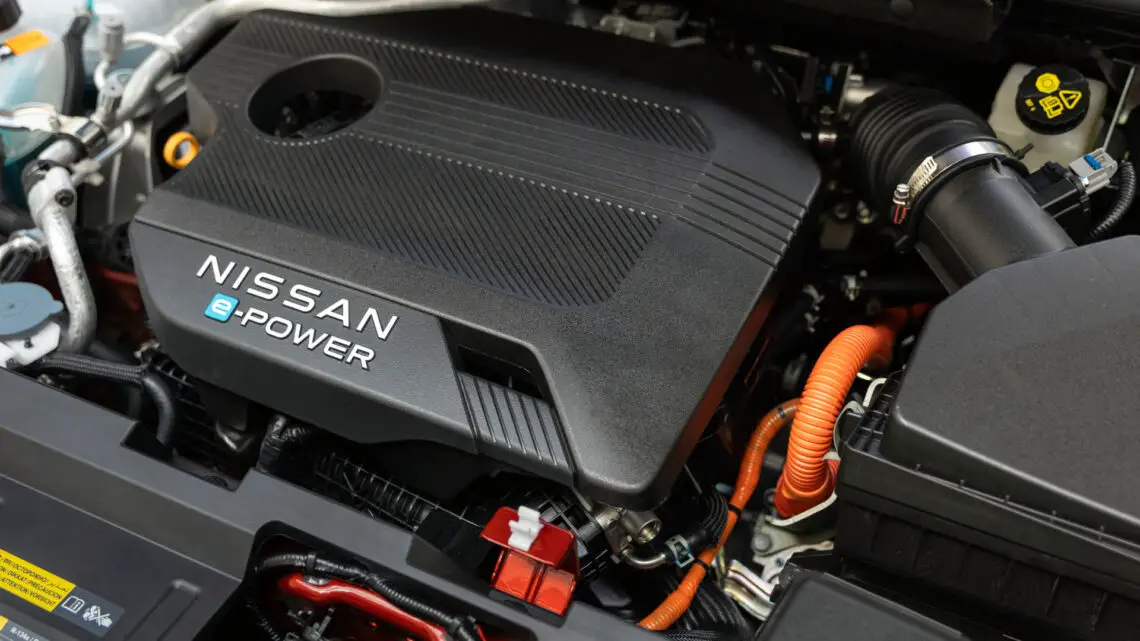
The basics have remained the same. An electric motor always drives the wheels; a 1.5-liter gasoline engine generates the necessary power. So you always experience the direct and smooth drive of an EV, along with the generous range and quick refueling of a fuel car. The gasoline engine, a turbocharged three-cylinder, is completely newly developed, though. The engine capacity of 1.5 liters is about the only thing that has remained the same.
Thanks to a longer cylinder stroke, the engine delivers its maximum torque even at lower revs. Together with a larger turbocharger, this increases the efficiency of the fuel engine, which now needs to turn less high revs. All in all, the variable compression ratio of the current e-Power is no longer needed. That makes engine engineering a little simpler again. The service interval has also now been extended, to 20,000 kilometers.
More power, lower consumption
The performance of the new e-Power powertrain is similar to the current powertrain, but in Sport mode you have 10 kW (14 hp) of additional system power. That brings the total to 151 kW (206 hp). Torque is still 330 Nm, but only in Sport mode. Outside of that, you have 310 Nm and 140 kW (191 hp). For what it matters: the 0-100 sprint now takes only 7.6 seconds, instead of 7.9.
At the same time, consumption actually decreases: from 5.1 l/100 km (almost 1 on 20) to 4.5 l/100 km (1 on 22). CO2 emissions drop from 166 to 102 g/km. Between refueling you could thus cover 1,200 km. All this is based on official WLTP values. In practice, Nissan says you should still be able to cover about 1,000 km.
Less vibration
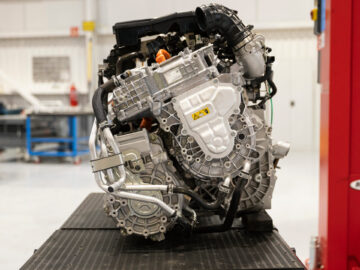
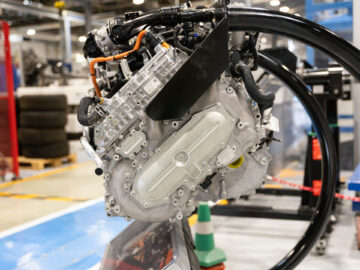
Furthermore, the power generator, electric motor, inverter and reduction and gear gears are now in one housing, which greatly reduces the number of “loose” parts and thus vibration in the engine compartment. The new construction is also lighter and more compact. See photos below: above the ‘old’ unit, below the new one. Along with improved sound insulation, the interior noise level of the e-Power powertrain is as much as 5.6 dB quieter.
The new e-Power in practice
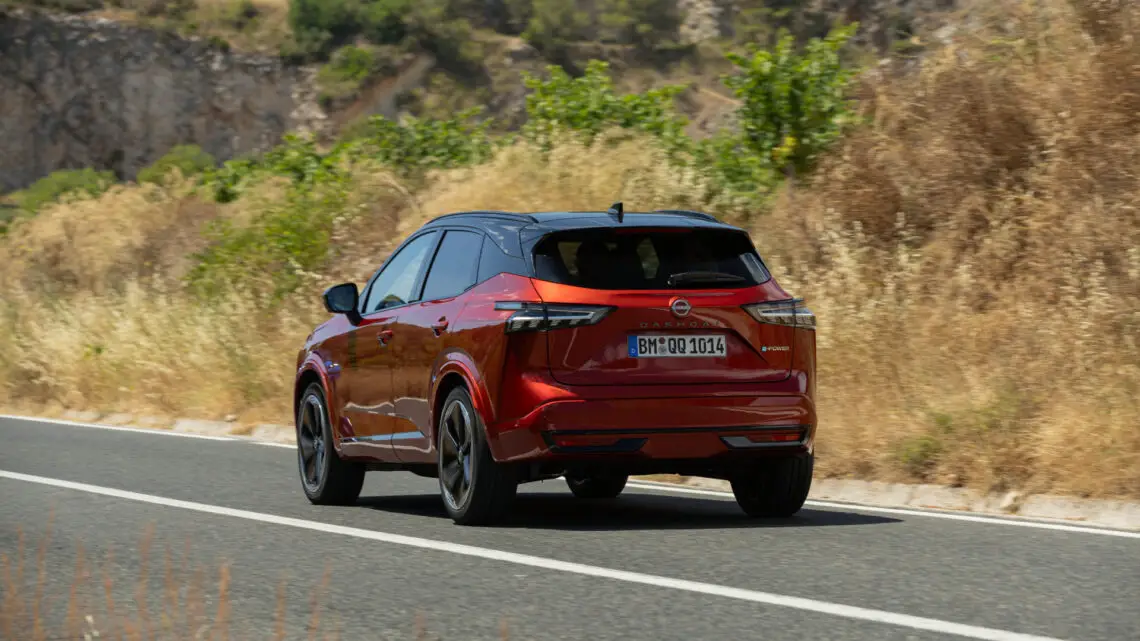
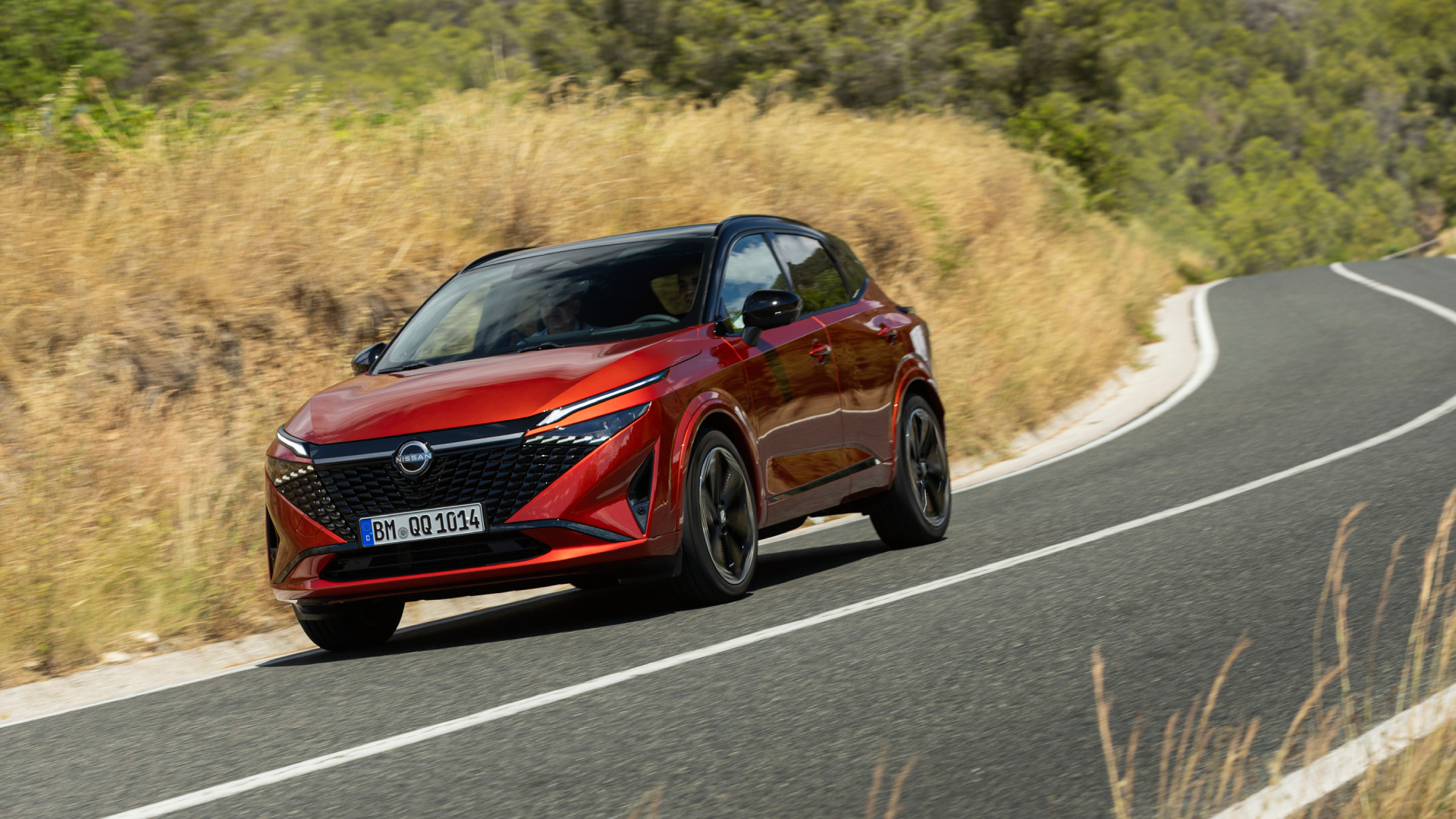
Nissan is confident about the new generation e-Power. They let us test drive two Nissan Qashqais: one with the current e-Power powertrain and one with the new generation. This allows us to compare the changes directly. The current Qashqai e-Power further confirms our previous findings. In the current version of e-Power, the gasoline engine is already doing its job very quietly, but during brisk acceleration you can still hear the it revving. In the new version, the gasoline engine is even quieter if possible. Even when we accelerated from a toll booth on the highway to the 120 km/h allowed there, only a soft hum came from the front. A noticeable difference.
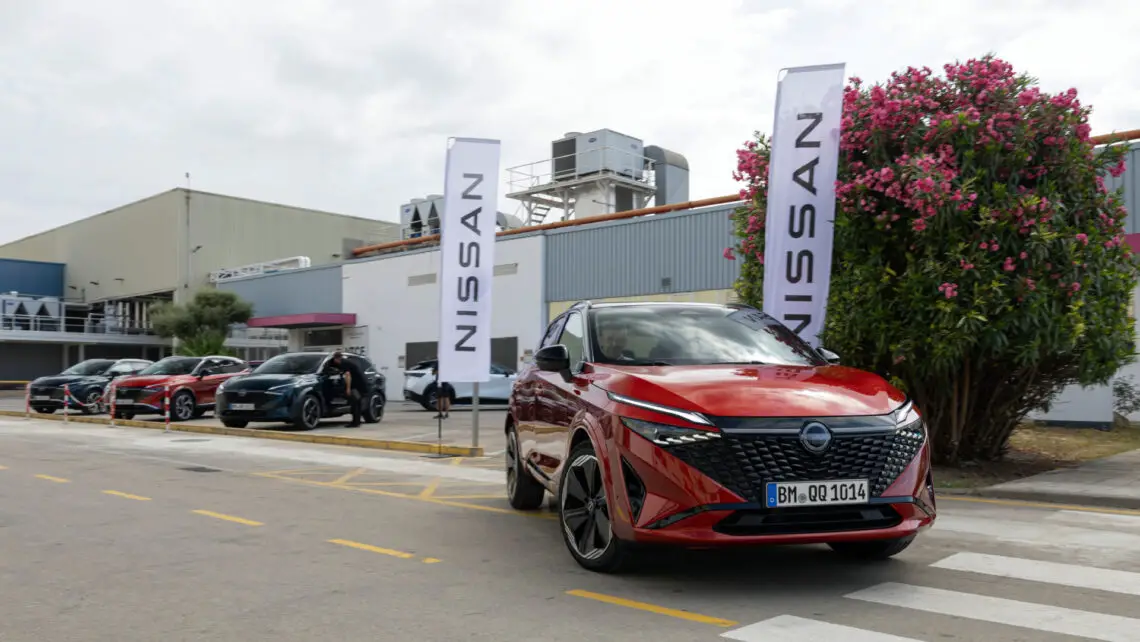
Is the new e-Power really that much more fuel-efficient? We drive a (not too long, but varied) test route twice through the hilly surroundings of Sitges, Spain. With the current Qashqai e-Power, we recorded a consumption of 5.7 l/100 km. After we drive the same route with the new e-Power powertrain, the on-board computer reports consumption of 5.1 l/100 km. This test lap through the hilly countryside may not be fully representative of consumption in the Netherlands, but it is clearly noticeable that the new e-Power is indeed more economical.
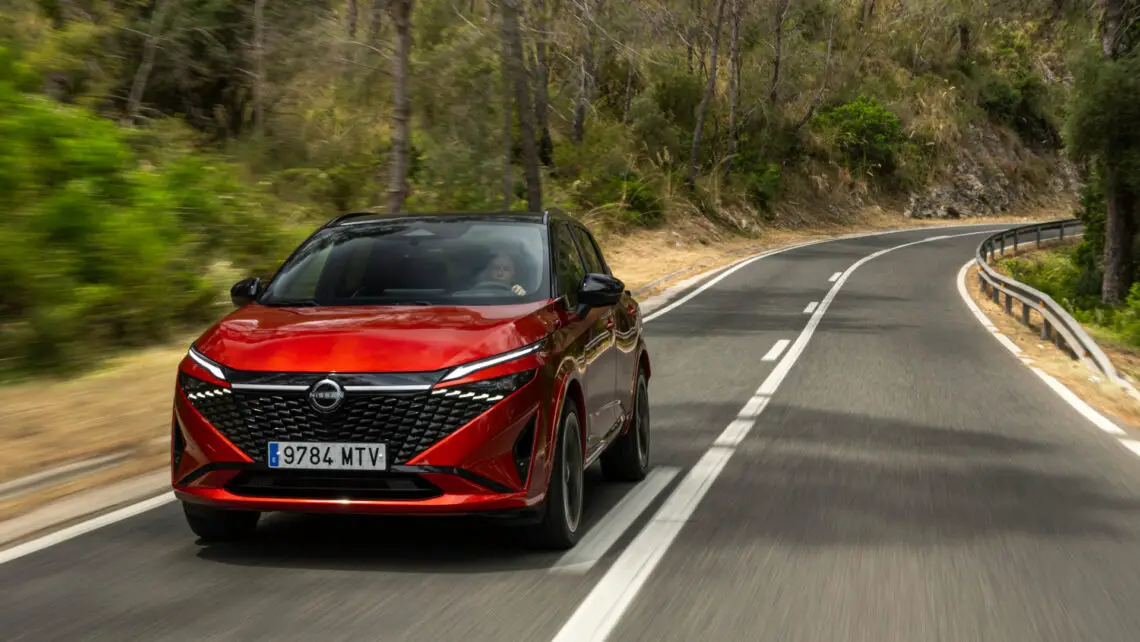
New e-Power first in Qashqai
The new e-Power powertrain makes its debut in the Qashqai, along with some connectivity improvements and ProPilot driving assistants. Delivery will start from the fourth quarter of 2025. After that, the new generation e-Power will be rolled out across the remaining models, such as the X-Trail(driving test).