
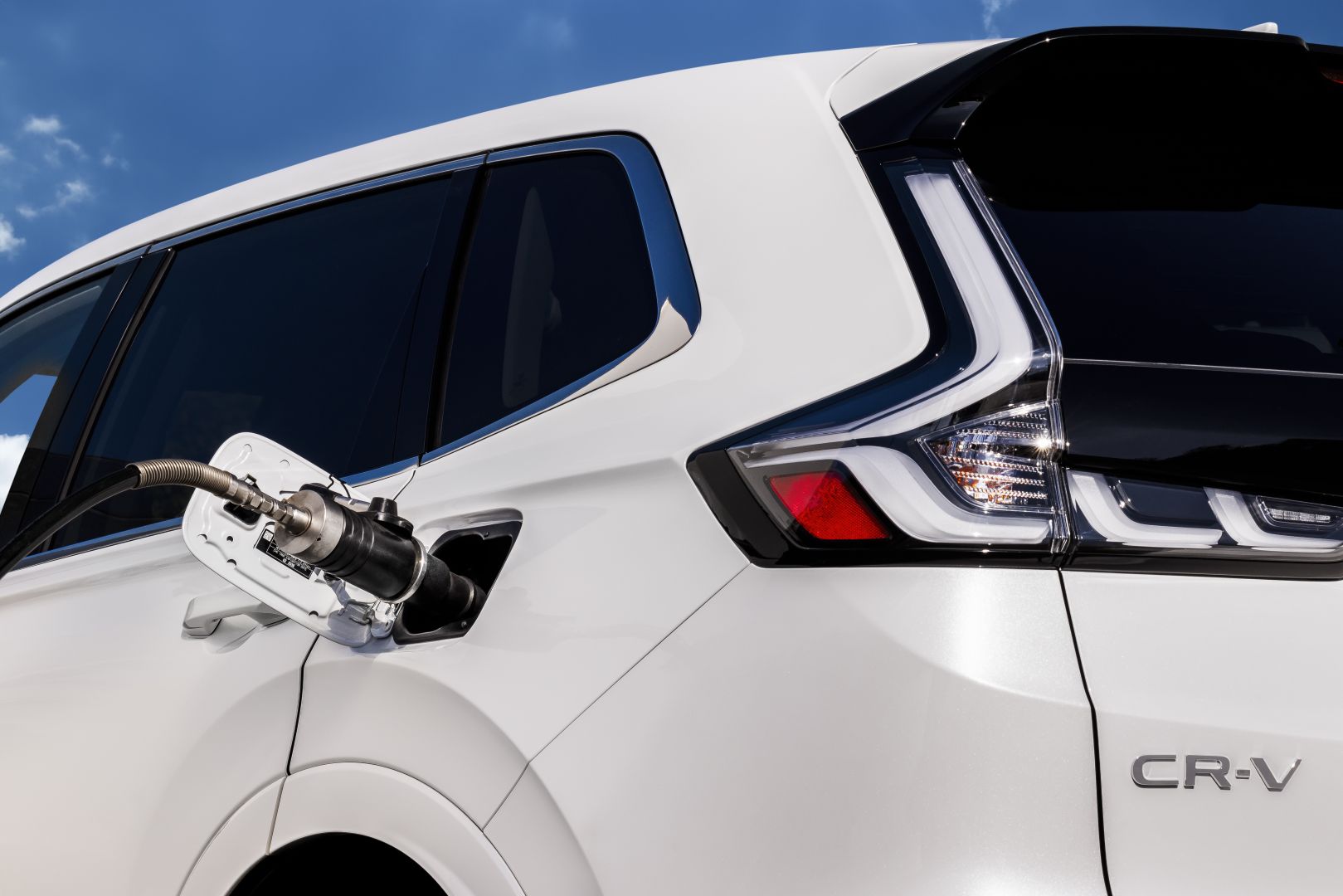
Hydrogen dream shatters: why the hydrogen car came to nothing
This is not the reason
We often read it: hydrogen cars are not popular because there are hardly any refueling stations. But then the question arises: why are there so few? When battery-electric cars first appeared, there were almost no charging stations either. Thanks to investments of billions, the number of charging stations grew rapidly, from street pole to quick charger. Why did the same enthusiasm for hydrogen filling stations and hydrogen cars fail to materialize?
Efficiency
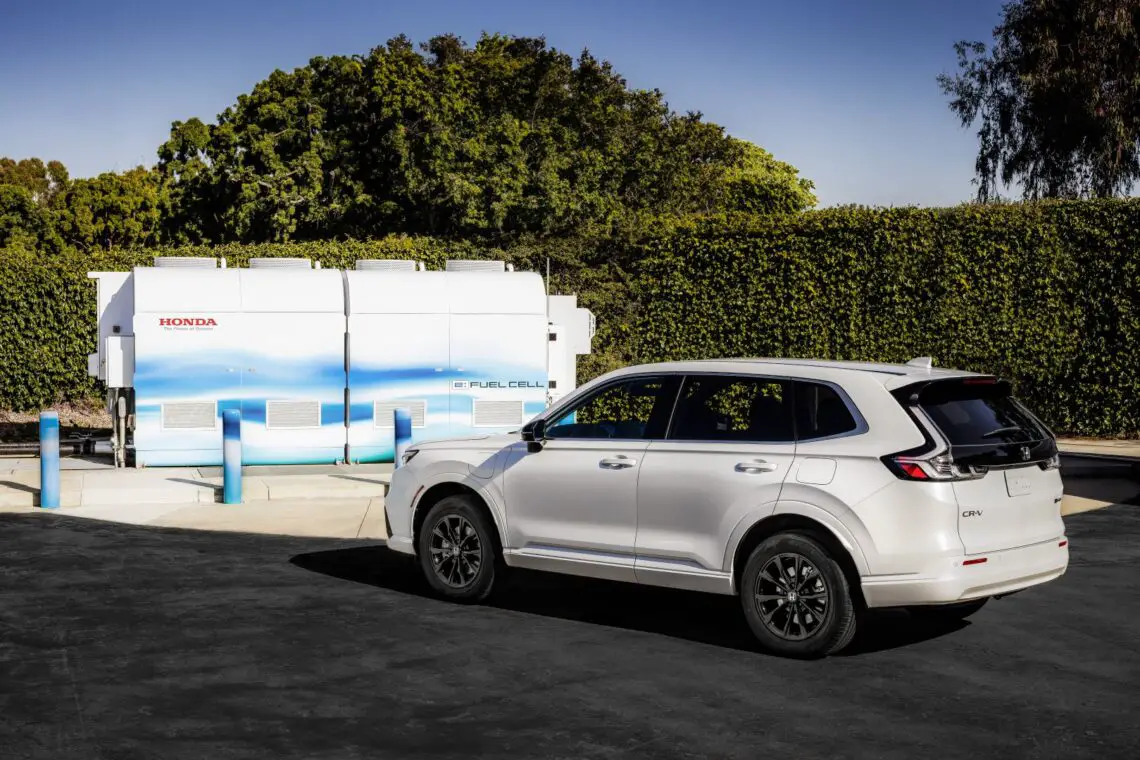
The biggest bottleneck is simple: efficiency. A battery-electric car converts power almost directly into motion. You charge at home or at a charging station, and 80 to 95 percent of that energy eventually ends up in the wheels. With hydrogen, things are very different.
First you have to make hydrogen, usually by electrolysis: electricity is used to split water into hydrogen and oxygen. A lot of energy is already lost in the process. Next, that hydrogen must be compressed under high pressure, stored, transported and pumped back into the car. There, a fuel cell converts the hydrogen back into electricity for the electric motor. Each step costs energy. In the end, often only 25 to 30 percent of the original power remains. In other words, you need about three times as much electricity to drive the same distance with a hydrogen car as you would with a battery car.
High pressure, high cost
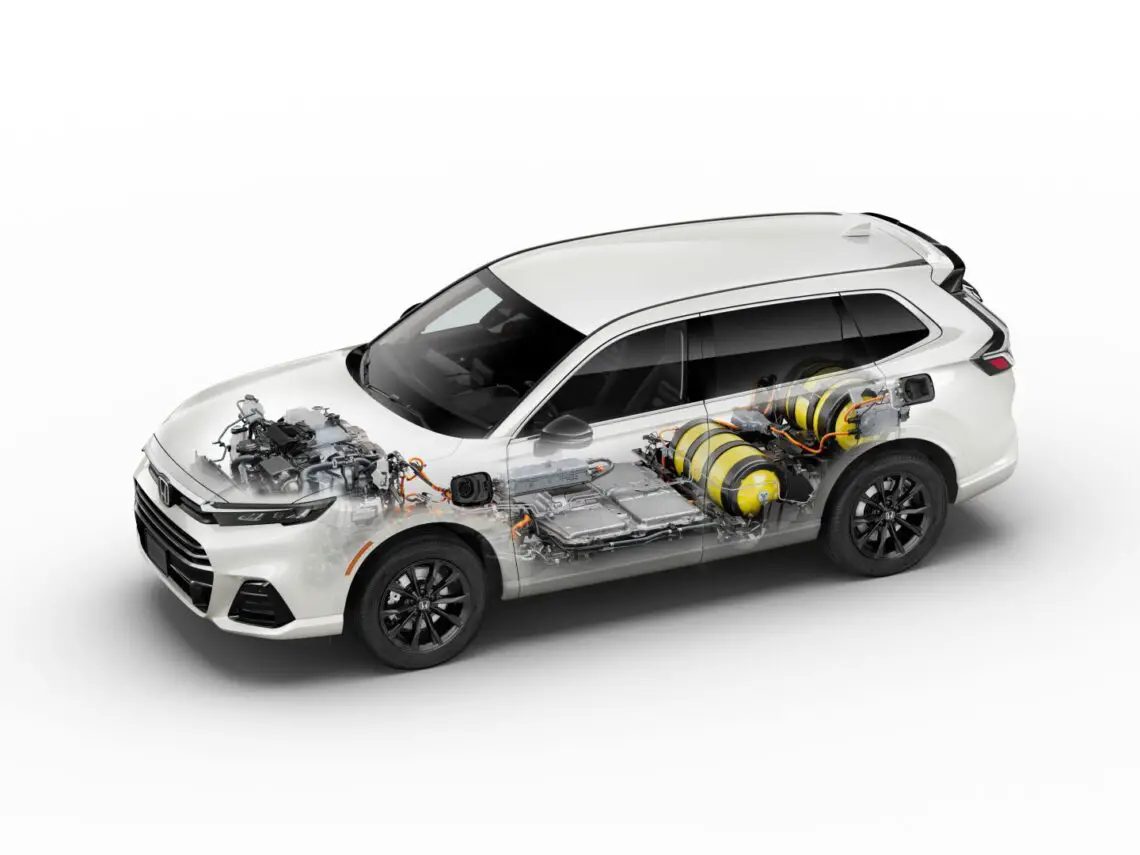
Hydrogen is the lightest element we know. It sounds harmless, but that is precisely why it is difficult to store. It escapes easily, creeps through the smallest cracks and therefore must be stored under extreme pressure: often up to 700 bar. That means expensive tanks in the car and a complicated network of pipes and compressors at the gas station.
Batteries win on all fronts
The biggest bottleneck of a battery-electric car is its battery. But while the development of hydrogen cars remained virtually stagnant for the past 20 years, batteries actually advanced by leaps and bounds. In the past decade, batteries have become significantly lighter, cheaper and more efficient. Charging is also getting faster: some EVs today reach 80 percent battery charge in just thirteen minutes. And where there used to be doubts about service life, modern batteries prove that they can last 300,000 kilometers without a problem.
On top of that, the charging infrastructure is developing faster than ever. Every new housing development is getting charging stations, parking lots at supermarkets and restaurants have charging stations, and along the highways you will find networks like Fastned, Ionity, Tesla Superchargers and Shell Recharge.
Hydrogen: perhaps it will be for trucks and industry
Does this mean hydrogen is completely hopeless? Not necessarily. For heavy transport, such as trucks, trains on non-electrified routes or shipping, hydrogen or derivatives such as ammonia can certainly be useful. There the disadvantages of battery weight and charging time come into play much more strongly, so hydrogen can actually offer a practical solution. Hydrogen is also interesting in industry, for example in steel production or as storage for green electricity. But for the ordinary motorist, the story has basically been told: the battery car has won.
Why people were excited anyway
It’s easy to judge in hindsight, but the hype around hydrogen did have a logical basis. The promise of fast refueling without long charging times appealed to many people. Moreover, it closely resembled the familiar routine of a gasoline or diesel car: you drive to a gas station, fill up in five minutes and move on.
In addition, there were geopolitical interests. Some countries or regions – such as Groningen – saw hydrogen as a way to revitalize their energy sector or as an export product. Big oil companies invested in it because it gave them a chance to leverage existing infrastructure and expertise.
But while the battery car developed rapidly and achieved economies of scale, hydrogen remained stuck in an experimental stage. Today’s hydrogen car is not much further technically than that of the 1980s. The gap with battery EVs widened every year.
Breakthrough
Hydrogen remains a fascinating technology. It is clean, versatile and definitely has potential in sectors where batteries fall short. But when it comes to passenger cars, the battle is decided. Perhaps in ten or twenty years we will see new breakthroughs that will make hydrogen cars interesting again. But for now: the plug wins.
See also: WATERSTOFMOTOR is almost ready! – Plenty of developments during Le Mans 2025