
Giant lithium discovery in Germany: good for 1 billion EV batteries
43 million tons
German oil and gas company Neptune Energy has discovered a huge lithium deposit in Altmark, a region between Hamburg and Berlin. It involves 43 million tons of lithium carbonate equivalent (LCE). You can’t use this material directly for batteries; it requires purification first. Since LCE consists of about 19 percent pure lithium, on paper the find yields about 8.1 million tons of usable lithium. By comparison, Australia and Chile – the current heavyweights in the lithium market – each produce between 9 and 11 million tons. With this find, Germany thus moves up toward the world top in one fell swoop.
Jackpot for German auto industry?
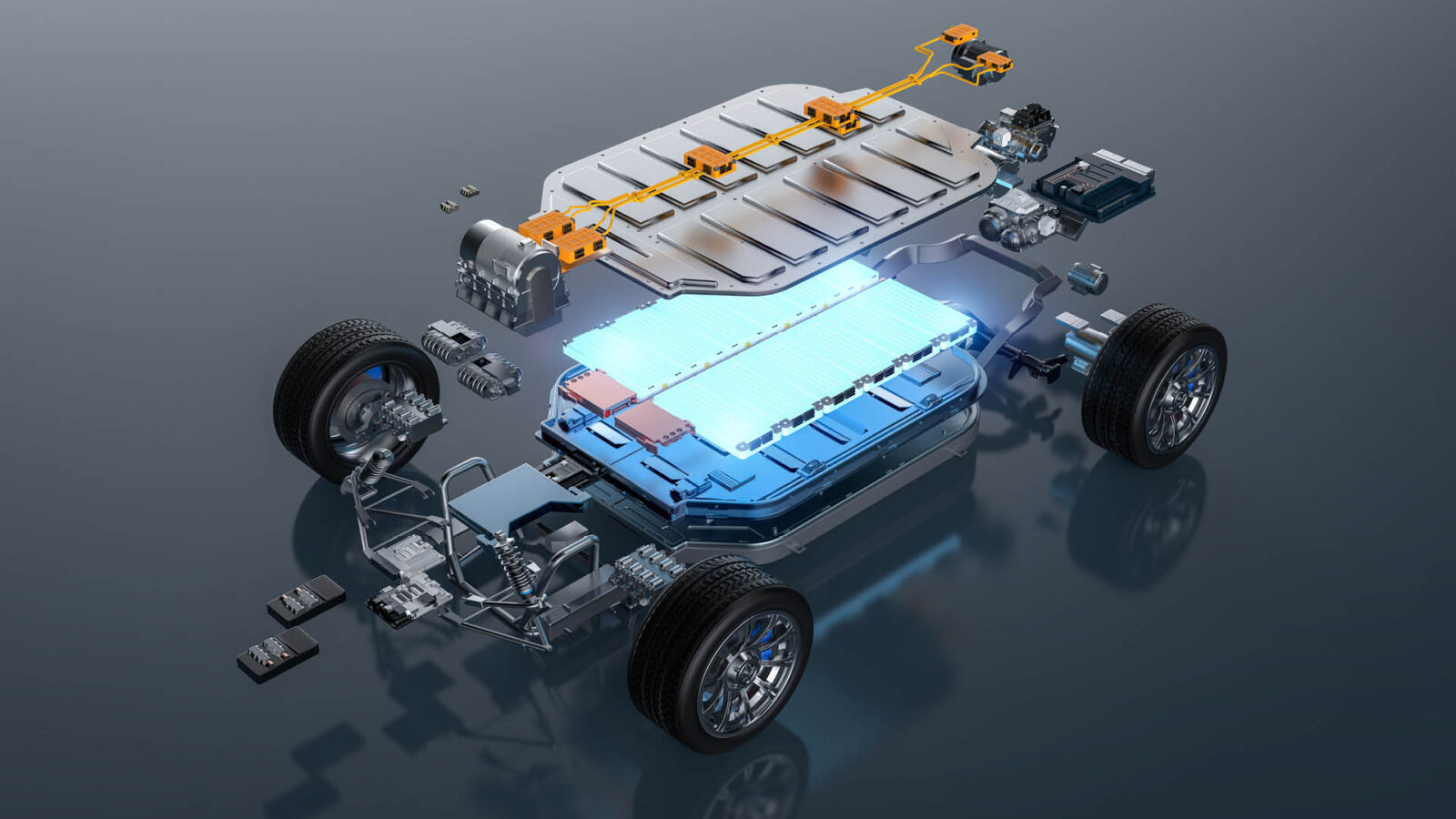
For Germany, the find comes as no surprise. The country has the world’s largest car manufacturers, but it depends mainly on imports for battery raw materials. An average battery for an electric car contains about 8 kilograms of lithium. With the new German reserve, theoretically enough material would be available to produce about 1.01 billion EV batteries. Those figures should be taken with a grain of salt, because actually extracting and purifying the good from the ground is a complex and costly process – especially in regulation-heavy Europe. But even if only a fraction turns out to be mineable, it still means a huge boost for the European battery industry.
Side notes and futures
Then there is the technological race. While lithium is currently essential for EV batteries, there is also plenty of work being done on alternatives such as sodium-ion and solid-state batteries. These could be cheaper, faster to recharge and extremely durable. But until that technology is widely ready, lithium remains the key to the electric future. In the video below, we tell you more about solid-state batteries: