Explained: why Toyota is switching to naming Gazoo Racing and Toyota Racing
Gazoo Racing: the origins
Gazoo Racing has its origins in 2007, when Akio Toyoda (then executive vice president) participated in the Nürburgring 24 Hours, along with his driving mentor and Master Driver of Toyota Motor Corporation (TMC), Hiromu Naruse and several other colleagues.
Because participation in the race was not recognized by TMC as an official business activity at the time, the team was not allowed to use the name ‘Toyota’ and participated under the name ‘Team Gazoo.’ Moreover, Toyoda’s desire to drive himself received little sympathy, leaving him no choice but to participate under the driver’s name ‘Morizo.’
“The role of Gazoo Racing is to strengthen the making of ever better cars through participation in motorsports and the training of talent.”
Humiliation
Although the team managed to finish the race, it was accompanied by a deep sense of humiliation. Indeed, many other, especially European, competitors used the race to test cars under development, while Toyota had no such car and did not even have sports cars in its sales program. Toyota was about to lose its ability to pass on knowledge and skills in car production.
When Toyoda was overtaken on the race track by development cars from other manufacturers, he felt he could hear their words, “Impossible that you guys at Toyota can build a car like this!” He vividly remembers that feeling of humiliation to this day.
Shikinen Sengu
The development of sports cars requires a manufacturing approach that not only improves a car’s features and fundamental performance, but also strives for absolute reliability even under harsh conditions. Moreover, all these efforts contribute to the development of mass production cars. At the same time, the front lines of motorsport offer numerous opportunities to hone craftsmanship and develop talent.
At the Ise shrine in Mie Prefecture, Japan, traditions and skills are passed on through a ritual called “Shikinen Sengu,” in which all the shrine’s buildings are rebuilt every 20 years. Similarly, sports car manufacturing has traditions and skills that, once lost, cannot be passed on. Driven by fears that TMC would become a company that could no longer build sports cars, Toyoda initiated the development of the Lexus LFA, with the Nürburgring as the main development site.
The LFA, launched in 2010, was TMC’s first full-scale, internally developed sports car in about 20 years. The project faced enormous challenges, including a lack of broad internal support for a type of car production that some considered unprofitable. This was evidenced in part by the requirement that production be limited to only 500 units.
Naruse, the test driver
Shortly before the launch of the LFA, the unthinkable took place: Naruse was killed in an accident near the Nürburgring. This happened not long after development of the LFA had been completed and Naruse, as Master Driver, had given his approval saying, “This is how we do it.” For Toyoda, the sudden loss of his driving mentor and TMC’s Master Driver meant an immense sense of loss.
Still, true to his belief that cars and talent are honed at the front lines of motorsports, Toyoda continued to pursue sports car development. This led to the introduction of the (GT)86 in 2012 and the GR Supra in 2019. However, the development of these models depended on Subaru and BMW, respectively, which prevented TMC from achieving a fully internally developed sports car.
“Gazoo Racing will participate in motor racing in the highest categories, such as the WRC, as well as customer racing with production vehicles“
The launch of Toyota Gazoo Racing
In April 2015, TMC decided to merge its internal motorsports activities, including “Toyota Racing,” “Lexus Racing” and “Gazoo Racing,” under the unified name “Gazoo,” with the logo “Toyota Gazoo Racing. This marked a milestone: activities that were not allowed to bear the name ‘Toyota’ in 2007 could now do so. At the same time, however, the original sense of humiliation that had driven Toyoda and Naruse slowly began to fade.
AkioToyoda, now president, decided that TMC would return to the FIA World Rally Championship (WRC) to further develop the making of ever better cars. The return to the WRC, in which cars are based on production vehicles, marked an important turning point in TMC’s motorsports activities.
Until then, TMC developed its race cars based on already completed production cars. After its return to the WRC, this order was reversed: first develop a car that could win in the WRC, then turn it into a production car. This led in 2020 to the introduction of the GR Yaris, a fully internally developed Toyota sports car based on the philosophy of motorsport-driven car production.
GR Yaris
The GR Yaris, unveiled at the Tokyo Auto Salon in January that year and winner of its first race at a 24-hour Super Taikyu race in September, subsequently appeared in a variety of motorsport events worldwide. This eventually led to the development and introduction of the GR Corolla. This revived TMC’s internal development of sports cars that can actually win in motorsport.
In 2025, Toyota returned to the Nürburgring 24 Hours after six years with a GR Yaris. Behind the wheel, Toyoda, at that time TMC’s master driver, says he was in conversation with Naruse. Only TMC’s two master drivers know what they were talking about.
Ultimate sports cars
For Toyoda, the next challenge was to perform a true Shikinen Sengu: to create the ultimate sports cars by TMC. Thus, in 2025, the GR GT, GR GT3 and the LFA Concept made their debut.
Toyota Racing
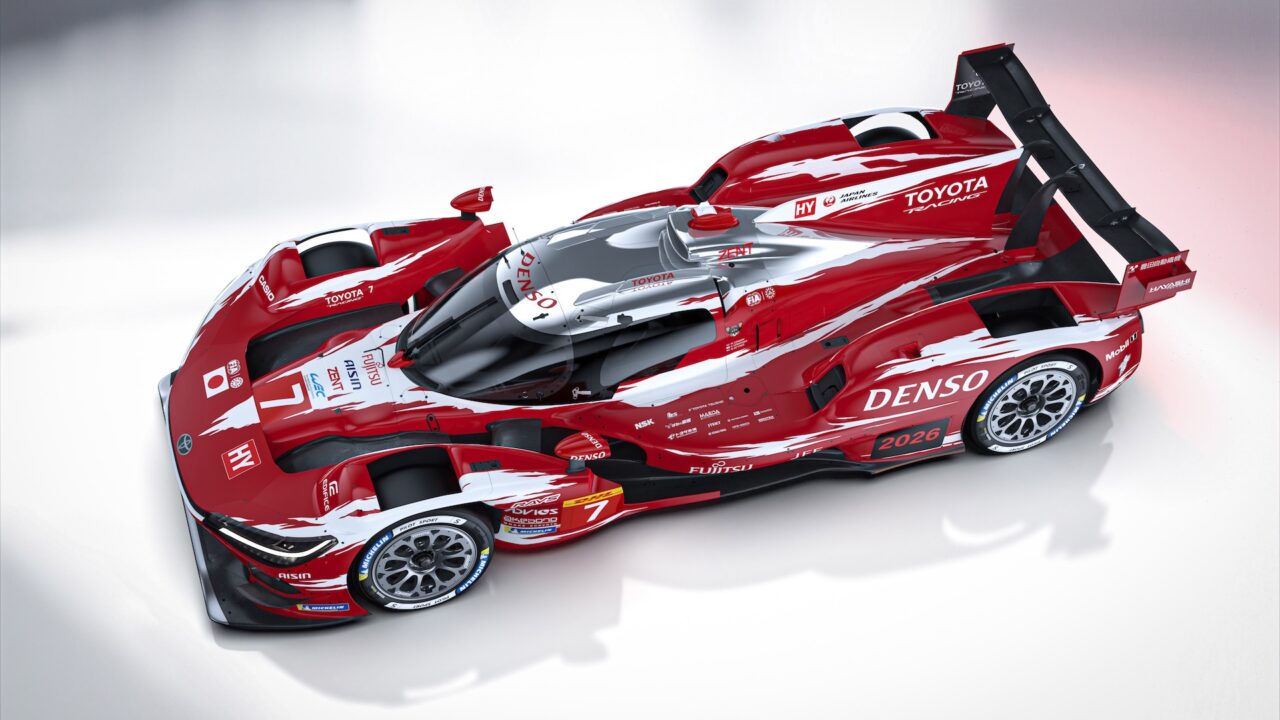
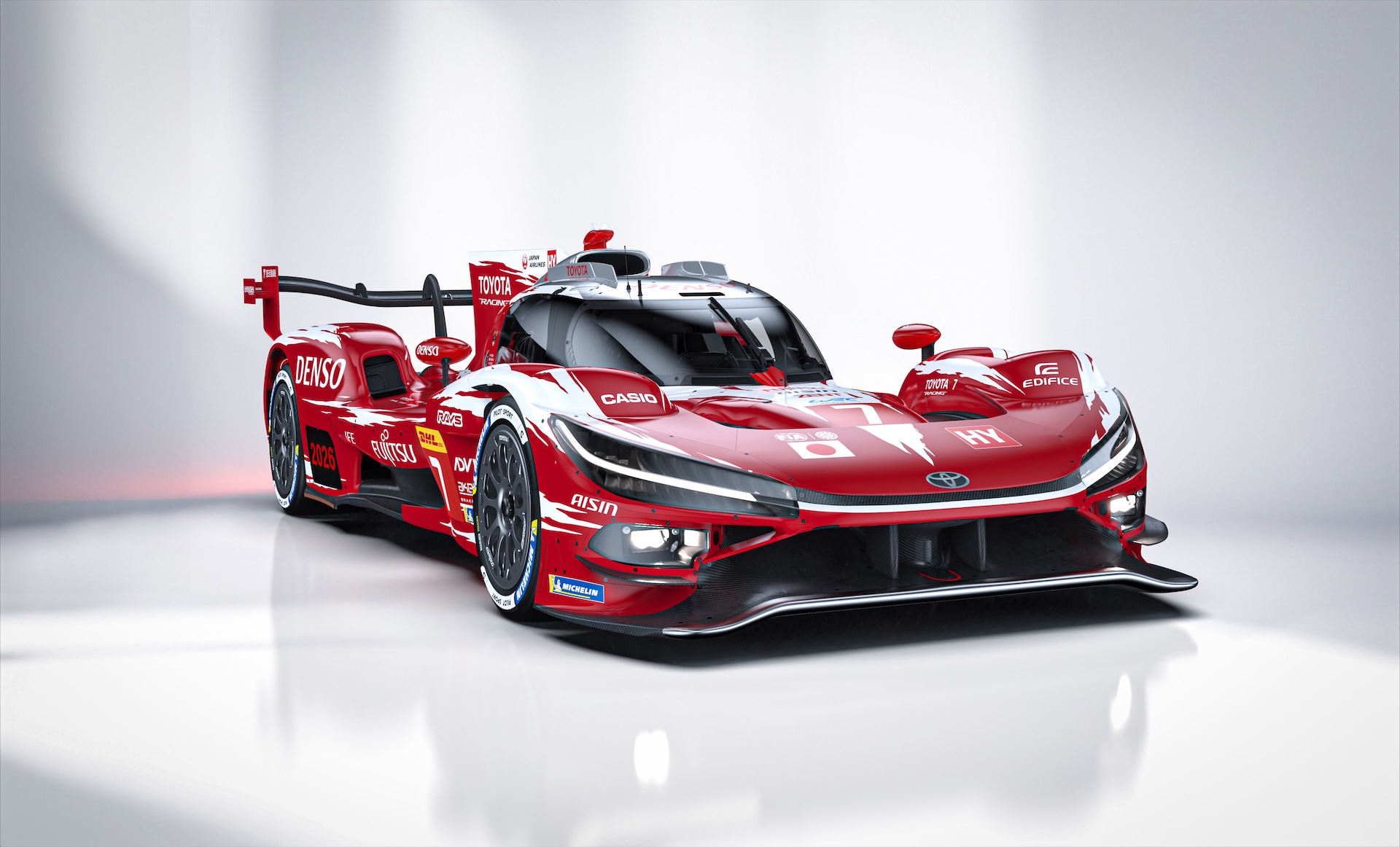
In addition, TMC’s research and development center in Cologne, Germany (Toyota Gazoo Racing Europe), under the new name “Toyota Racing,” will specialize in motorsports activities using advanced development technologies. This will promote long-term technological development, including in the field of engine development. The developed technologies will continue to be used in a variety of motorsport disciplines, including the world’s leading track races and rallies, with the aim of further improvement. Toyota Racing GmbH will further strengthen the basis for Toyota’s long-term technological development through advanced motorsports technology. Toyota participated in the FIA World Endurance Championship (WEC) from 2016 through 2025 under the name “Toyota Gazoo Racing. From the 2026 season, the team will participate under the new brand ‘Toyota Racing’ and introduce the updated ‘TR010 Hybrid’ Hypercar.
TGRR
TGRR (Toyota Gazoo Rookie Racing) continues its current activities. As an organization that carries both the “T” of Toyota Racing and the “G” of Gazoo Racing in its name, TGRR aims to act as a bridge between the two. The team sharpens in motorsports the products and technologies developed by both and also acts as a hands-on learning environment (dojo) for training talent.