
Electric or hydrogen: where will the truck go?
Battery-electric truck
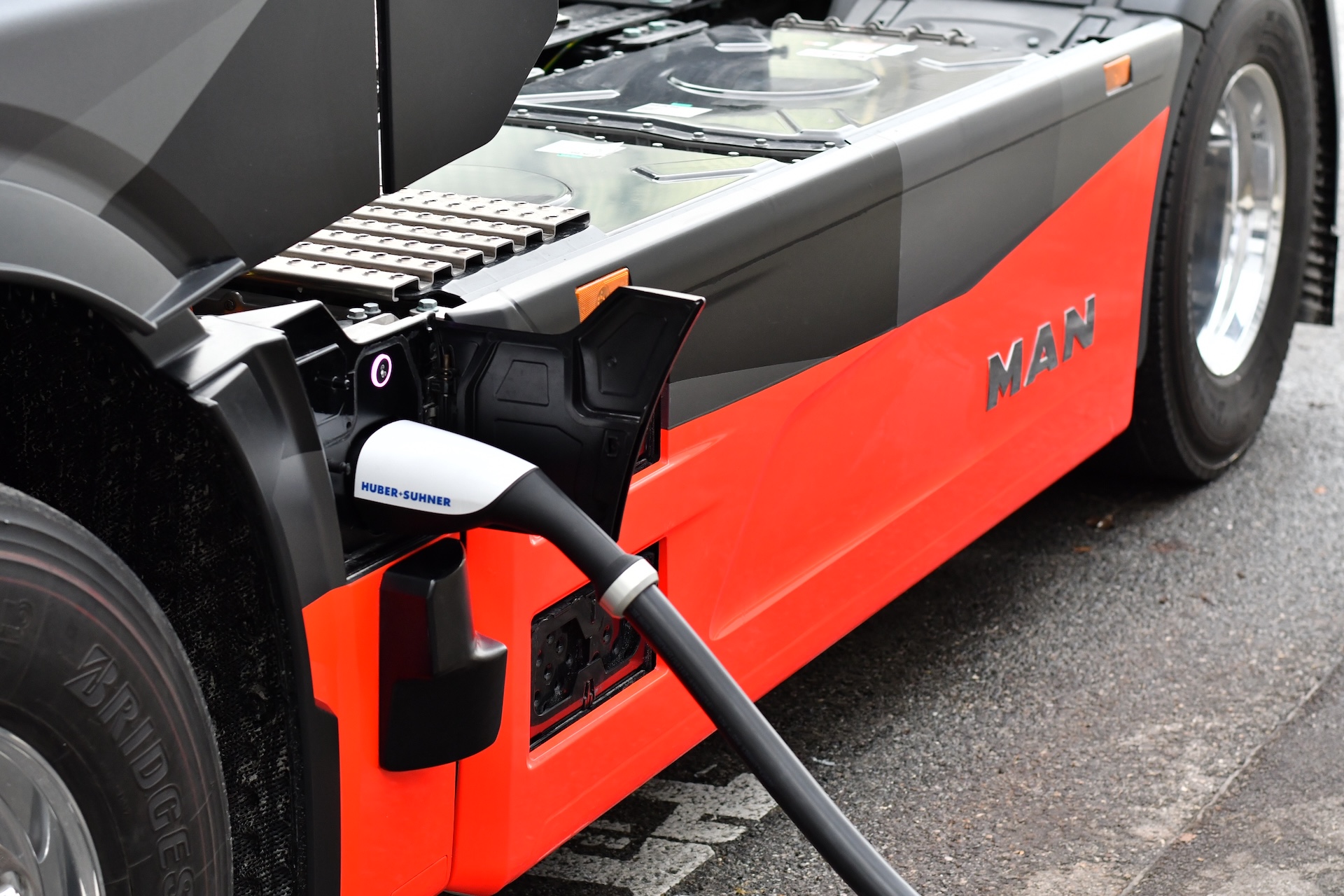
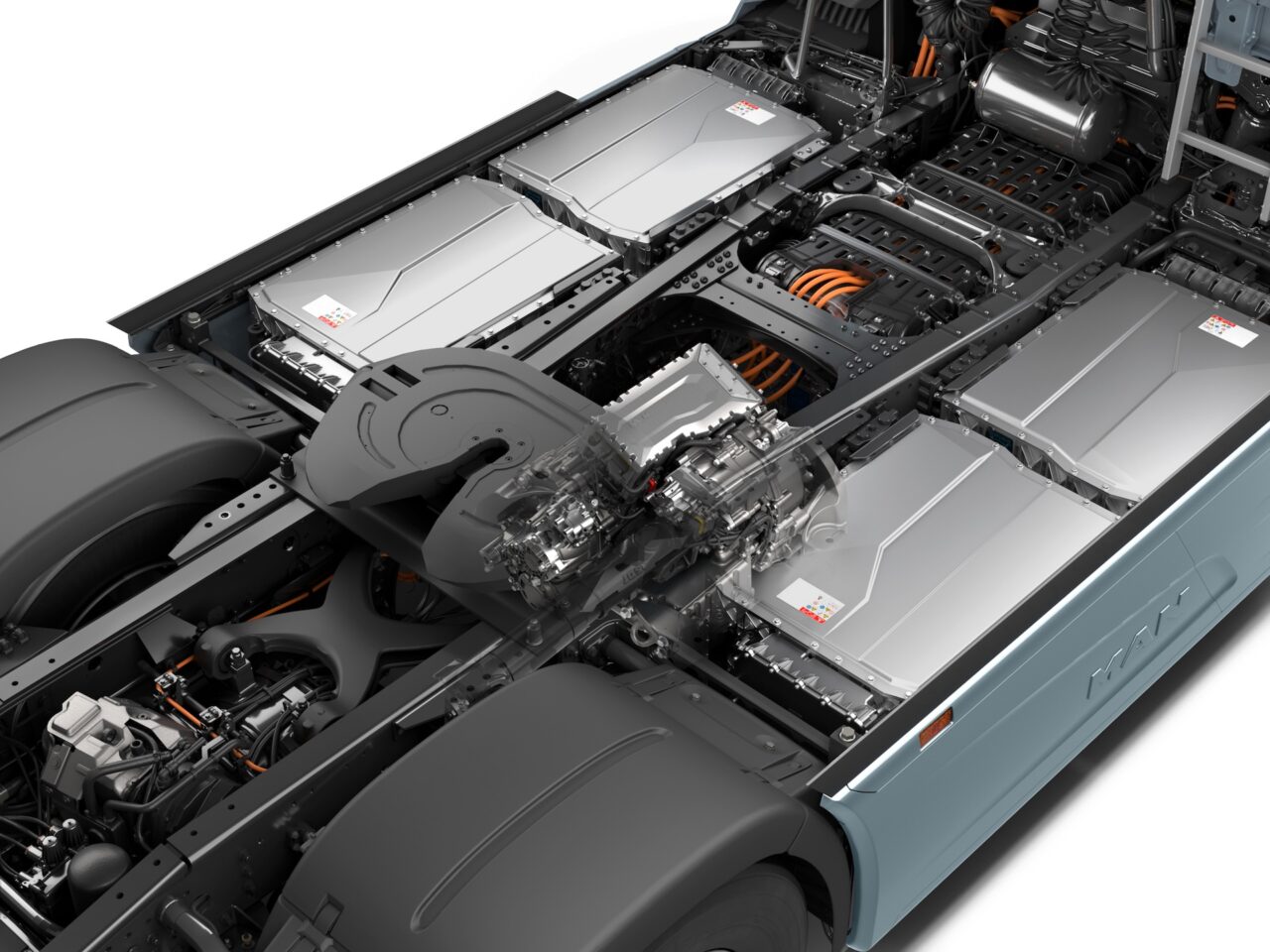
Let’s start with the battery-electric truck. These, surprisingly, run on batteries. Heavy-duty guys, often weighing thousands of pounds, hidden under the chassis or in a cabinet behind the cab. Those batteries drive electric motors that, in turn, turn the wheels. Simple and effective. The technology is similar to that of an electric passenger car, but on steroids. You plug it in, charge for a few hours, and it’s ready for the next ride.
Hydrogen-electric truck
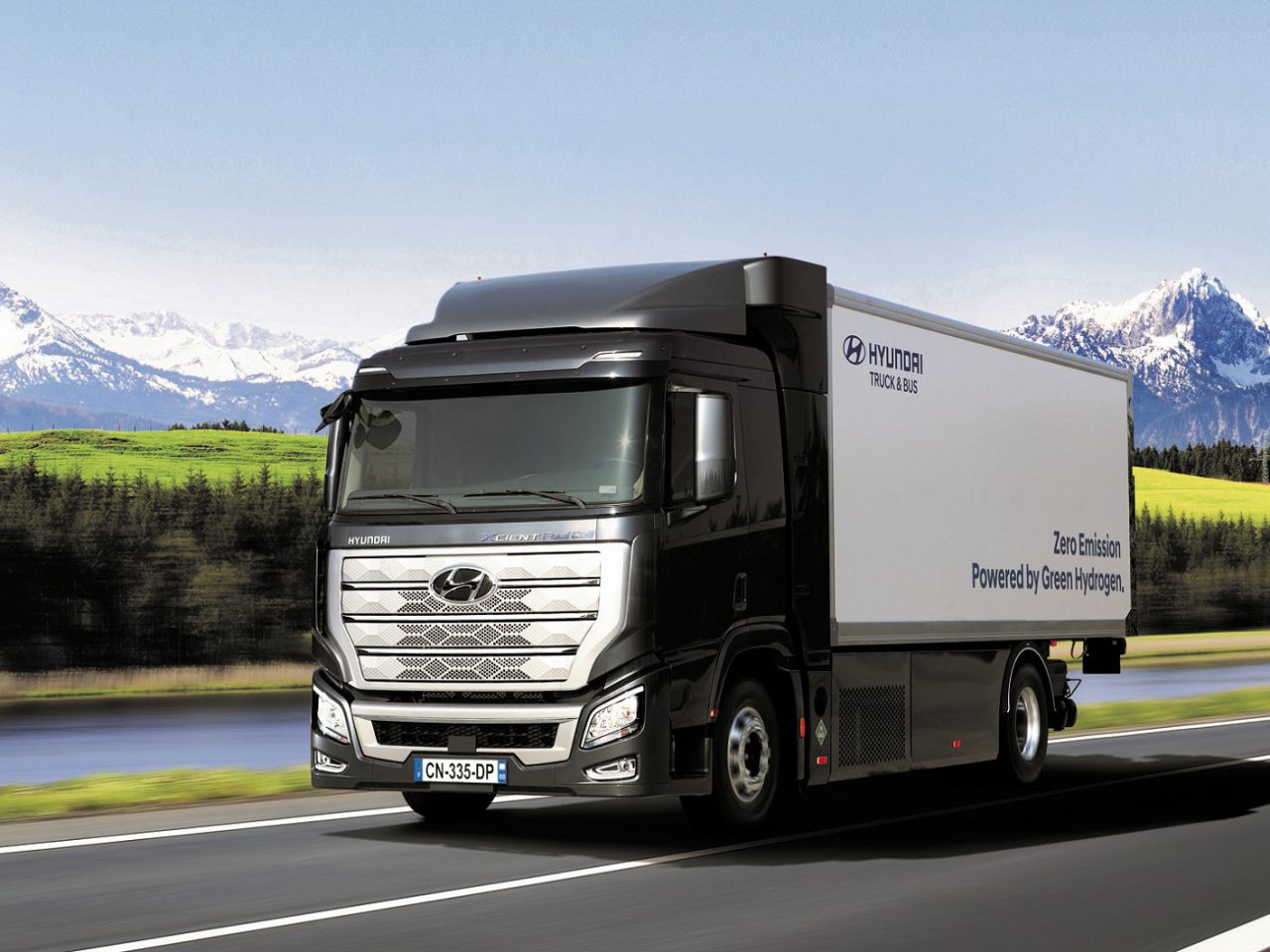
Then there is the hydrogen-electric truck. You fill that up not with electricity, but with hydrogen. That hydrogen goes to a fuel cell. In that cell, a chemical reaction creates electricity. No magic, just chemistry. The generated electricity then feeds an electric motor. And hup, you’re driving. The exhaust? No smoke comes out of that, just some water droplets.
Both electric powered
But where is the difference? At first glance, they seem the same: both electric-powered, both emission-free at the tailpipe. Yet the differences are substantial. A battery-electric truck has to be recharged. Depending on the payload, that takes a while. Hydrogen refueling is a lot faster. It takes just as long as refueling diesel. So for those who eat up miles, hydrogen seems more attractive.
Yet it’s not just a matter of pit-stop time. There is more at play. Take efficiency. Batteries are more efficient. Of the energy you plug in, much of it actually gets to the wheels. The energy losses with hydrogen are somewhat greater. The only question is: can you call that a problem?
Heavy duty batteries
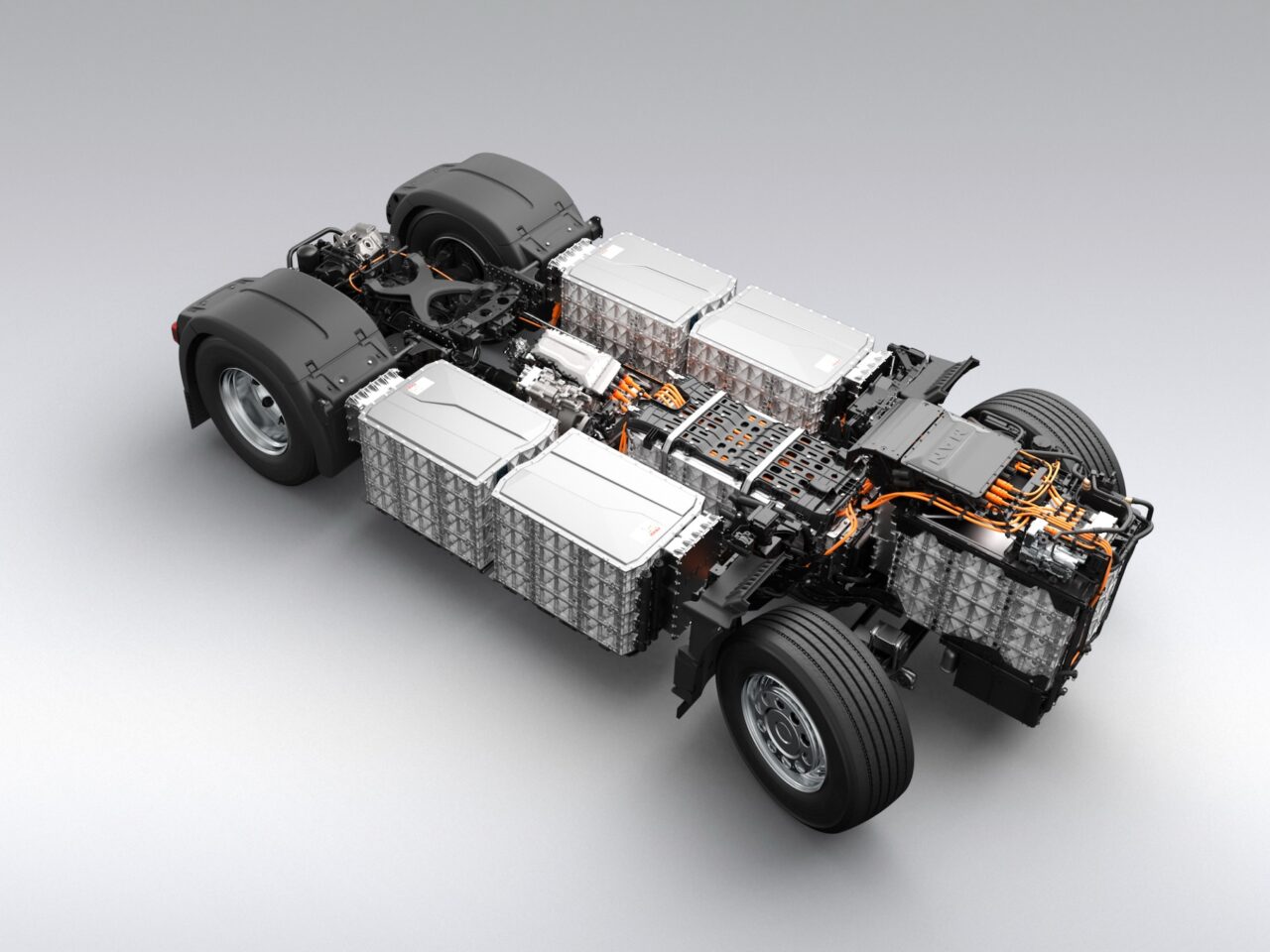
On the other hand, batteries are heavy. And we mean really heavy. In a tractor-trailer combination, the battery can weigh as much as 4,000 kilograms. Weight you can’t use for your load. Hydrogen systems are lighter. And that counts if you’re transporting soda or steel, for example. Plus, hydrogen currently has an edge for longer distances, especially if charging options are limited along the way.
Infrastructure is the other battleground. Fast-charging stations are rapidly springing up for electric trucks. So in that sense, electric trucks now have an edge. Charging stations are also becoming more powerful, smarter and better planned. Hydrogen stations are not very numerous yet. Without really large infrastructure, there will be no breakthrough, no matter how beautiful the technology is. But improvements are also being made. In Europe, agreements have been made to drastically expand the number of hydrogen filling stations.
Cost report
And then there is the cost issue. Battery-electric is cheaper in energy and maintenance. There are fewer moving parts in the powertrain, and power from the grid is cheaper than hydrogen for now. But the battery itself is expensive, and its production is not exactly a green hobby. Hydrogen also involves hefty costs, both for production and refueling facilities. Moreover, hydrogen is not nearly as cheap as you would like, especially if you make it in a sustainable way – with green electricity, that is, not from natural gas.
Car manufacturers are divided. Mercedes-Benz, Volvo and Scania are betting heavily on battery-electric for regional transport. MAN is also testing hydrogen, mainly for international transport, but also supplies battery-electric. Hyundai and Toyota even already have hydrogen trucks running in Europe.
In cities, the battery-electric truck is advancing. Think garbage trucks, city distribution or construction traffic. They drive short trips, can recharge at night, and you barely hear them. Ideal. On the long haul, hydrogen is often seen as the solution. Where there is no time to charge and no room for extra weight.
Market is on the move
The market is in flux, but diesel should not be written off just yet. While policymakers plan for emission-free zones and manufacturers are busy developing electric and hydrogen trucks, the diesel engine still thunders briskly along Europe’s highways. And for good reason.
Diesel trucks
Diesel trucks are still the backbone of international freight transport today. They are reliable, powerful and, not insignificantly, there is a fine network of refueling stations and workshops available. Try matching that with hydrogen or electricity. Moreover, diesel trucks can easily drive a thousand kilometers on one tank, without charging stress, waiting times or apps that say the plug-in pole is occupied. The same goes for vans. Buying a van? Chances are it will still have a diesel engine in it, even though more and more vans are appearing with an electric powertrain, be it battery or hydrogen.
There are also economic reasons. Many transportation companies have made large investments in modern Euro 6 diesels. Those engines are cleaner than ever, with advanced particulate filters and AdBlue systems that reduce emissions. As long as those trucks keep running trouble-free, there’s no way they’re going to end up in the scrap yard. They are simply too valuable for that.
‘For when there really is no other way’
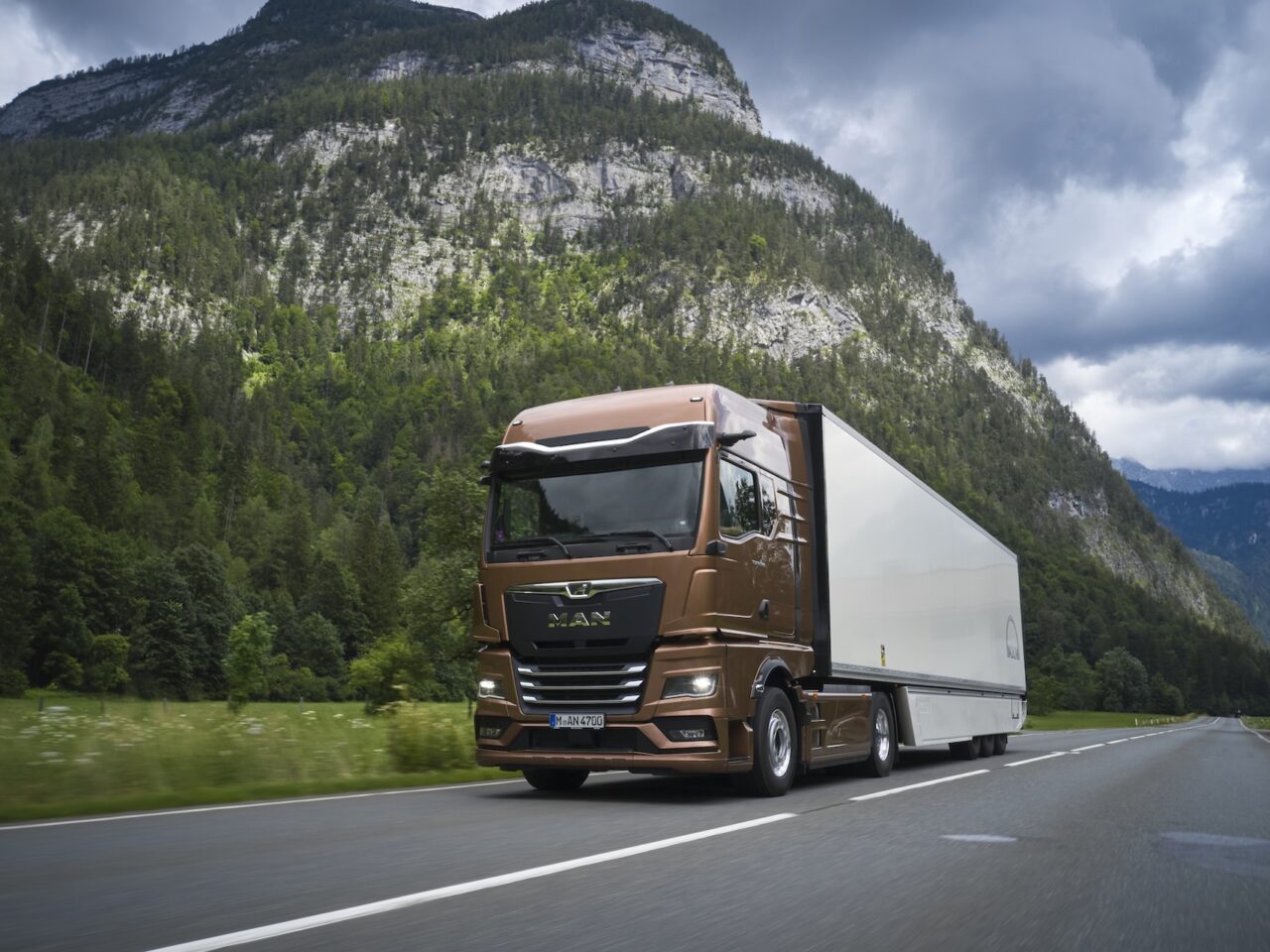
There are also applications where electric or hydrogen is simply not (yet) practical. Think of heavy construction equipment, long journeys over mountain passes or refrigerated transport where the cargo must be kept cool and the drive train needs energy. A diesel engine will keep running without a hitch, regardless of temperature, load or topography. You do see diesel slowly moving into a new role. In the future, it will probably become the solution ‘for when there is no other way’. The truck for the last stretch in the mountains, the backup for failing loading infrastructure, or simply the choice for companies that cannot yet afford an alternative. So yes, diesel will stay for a while. Maybe not as a hero of the new era, but certainly as a reliable worker. The energy transition is not a button you flip, but a slide you slowly push to the right.