
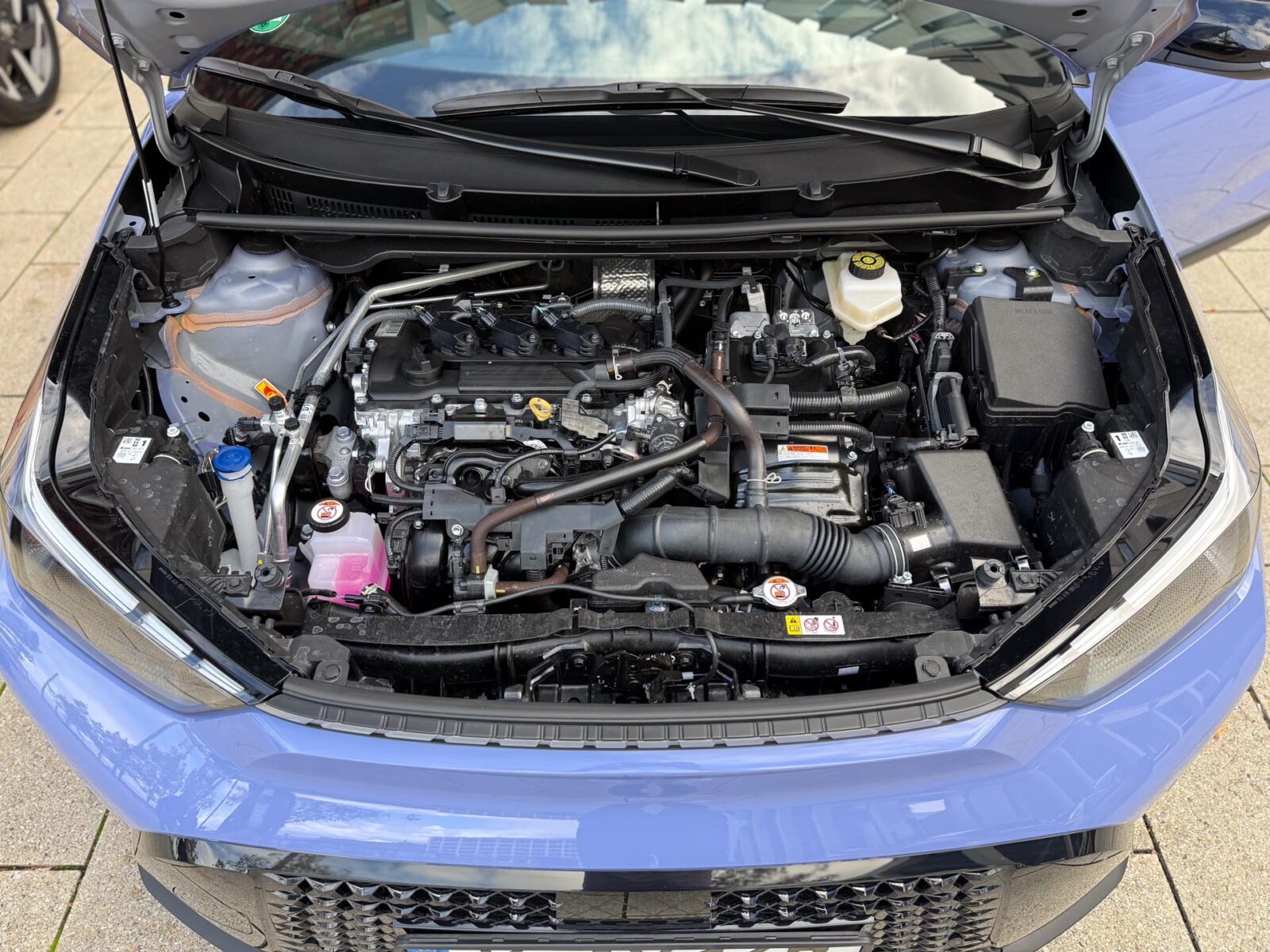
Always switching between power and gasoline: Why hybrids hardly ever break down despite all that start-stop behavior
The engine that never gets a rest
A hybrid actually does constant tug-of-war between gasoline and electricity. The engine fires, stalls again, fires again – sometimes dozens of times during one trip. This happens, for example, at traffic lights, in a traffic jam or when you take your foot off the gas. The electric motor then takes over briefly to save fuel. Useful, but all that starting and stopping causes extra wear and tear.
Start
According to oil brands such as Mobil1, most of the engine wear occurs at start-up. Let that be precisely what hybrids often do. Fortunately, modern hybrids are smart enough to limit the damage: the engine sometimes runs without fuel for a few seconds first, allowing the oil to lubricate things before it really wakes up.
Cold engine
Another thing: because the engine is often off, it doesn’t get as hot as a regular car. A cold engine means more condensation. That moisture ends up in the oil, which is not a good combo. In the long run, it can cause rust or extra wear. Hybrids take that into account, too, by occasionally running the gasoline engine longer. Still worried? Then go for a nice drive once in a while. Fifteen minutes on the highway works wonders: the oil warms up, the moisture evaporates and the engine stays healthy.
Built to survive
Hybrids also often use special engine oil, extra strong starter motors and smart software that monitors everything. Some brands, such as Toyota and Ford, often even use heat from the exhaust to get the engine up to temperature faster.
Practice shows that it works. There are plenty of hybrids driving around with tons on the odometer. Think of former Toyota Prius cabs that, as a second family car, still drive around every day without any problems. In short: you can buy a hybrid with peace of mind. Whether this also applies to plug-in hybrids? We’ll tell you about that in the video below: