
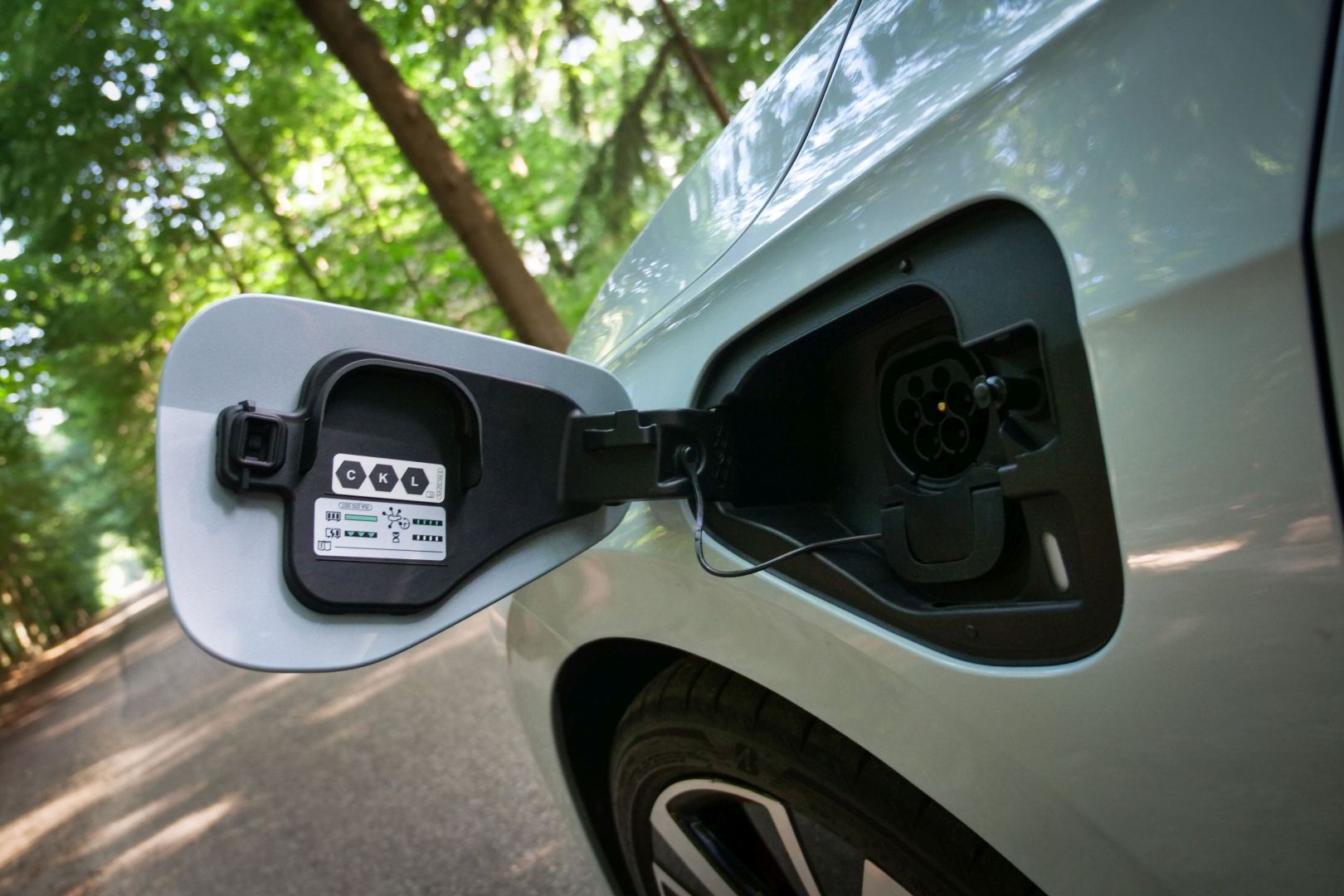
Why plug-in hybrids suddenly have less power (and become much more expensive)
Stricter test, tougher requirements
The Euro 6E-bis standard is the latest European emissions standard that has applied to all newly homologated cars since Jan. 1, 2025. Unlike the previous Euro 6d test, which assumed a simulated distance of 800 kilometers, Euro 6E-bis looks at a much longer drive of 2,200 kilometers. In doing so, Europe wants to more realistically chart how a PHEV behaves in everyday life – because in practice, many drivers appear to barely charge their car.
Whereas an older plug-in hybrid in the laboratory often ran for miles on electricity, the new test takes into account that the battery runs out of power along the way and the gasoline engine has to do more mileage. Result: the measured CO₂ emissions double or triple in many cases.
Less power
To meet these stricter requirements, manufacturers must modify their powertrains. This is often done by slightly reducing turbo pressure and engine management to reduce emissions of nitrogen oxides (NOx) and particulate matter. The downside: it costs power. Thus, many new cars suddenly deliver a number of horsepower less than before, purely because the engine is now tuned to the Euro 6E-bis standard.
More realistic figures
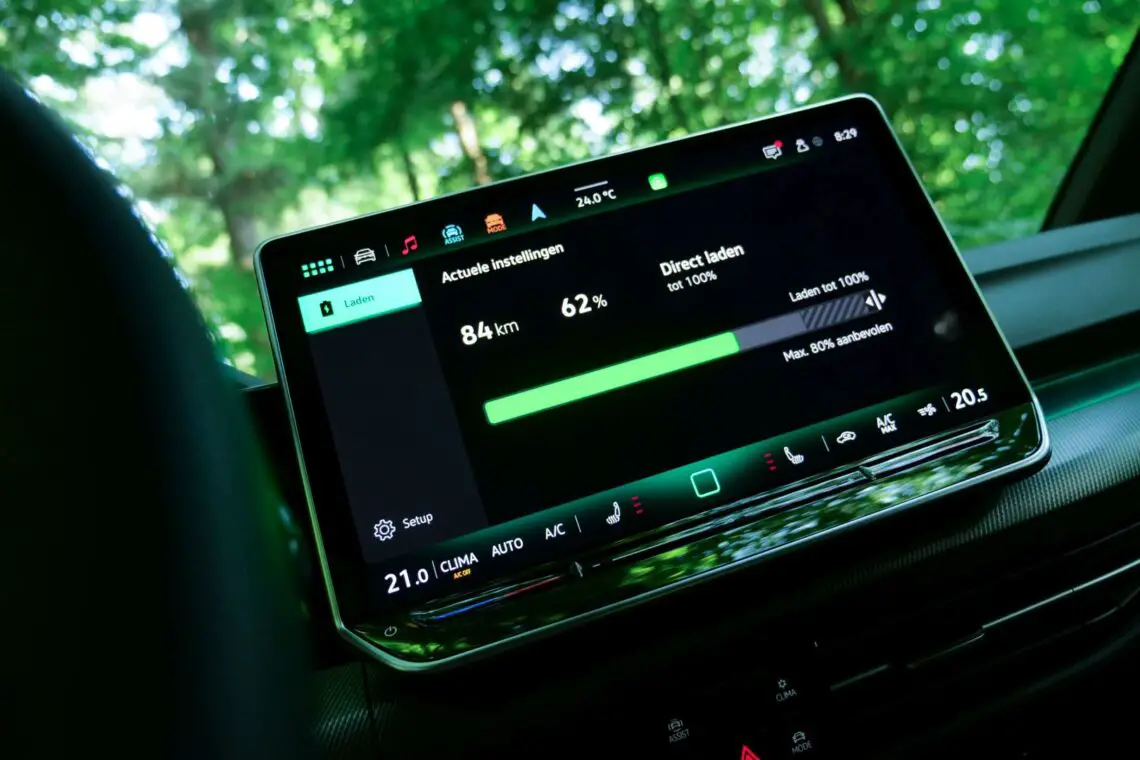
The stricter testing rules do not come out of the blue. Since 2020, every new car in Europe has been equipped with an On-Board Fuel Consumption Meter (OBFCM). This measures how much fuel and electricity cars actually consume and sends that data anonymously to the European Commission. That data showed that PHEVs were in practice consuming up to three times more fuel than their official WLTP figures indicated.
Higher bpm
For Dutch buyers, the stricter Euro 6E-bis standard would normally be quite expensive, because here the bpm is directly linked to the official CO₂ emissions. The higher those emissions, the higher the tax – and thus the purchase price. Due to political intervention, plug-in hybrids in the Netherlands remain unaffected for the time being, but it remains to be seen how long this will continue.
What will the future bring?
From 2027, the Euro 6E-bis-FCM phase will follow, with the simulated distance in the test doubling again to 4,400 kilometers. That standard will further narrow the gap between theoretical and actual emissions. For car taxes in the Netherlands – with bpm per gram of CO₂ – that means one thing: the PHEV will completely lose its fiscal luster, becoming thousands of euros more expensive in many cases. With that, the plug-in hybrid seems to have had its day.
Also see: This is what NO ONE talks about with plug-in hybrids – AutoRAI TV