
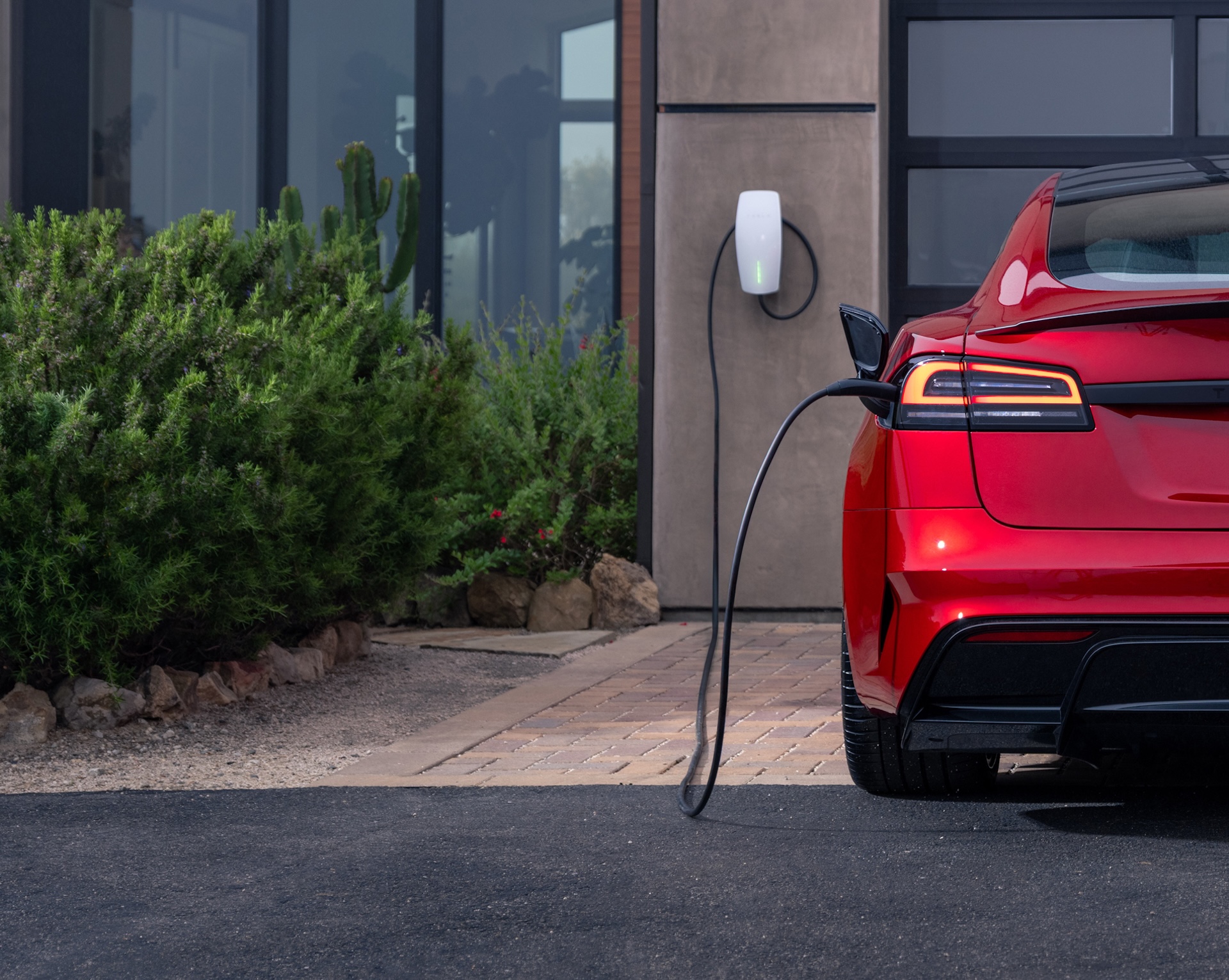
These iconic electric Tesla cars go out of production after 14 years
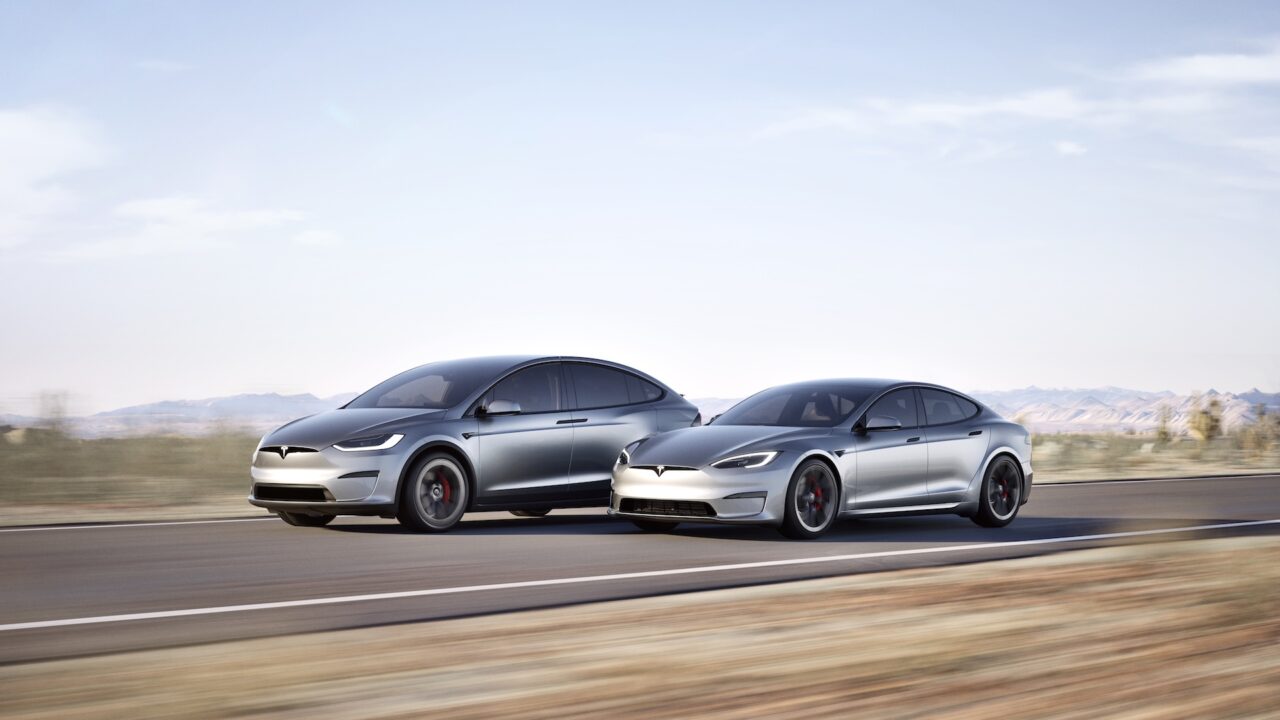
Tesla Model S and Tesla Model X
So after fourteen years of pioneering the electric car industry, two of the most iconic models in Tesla’s history will come to an end in 2026: the Model S and Model X. “Production will stop at the end of the second quarter of 2026. There is no successor ready yet,” Victor-Jan Vanparijs, Tesla spokesman, told AutoRAI.nl in a comment.
Tesla Model S
When the Tesla Model S was launched in 2012, it was more than just another electric sedan. It was a statement: electric driving could not only be practical, but also impressive, fast, stylish and full of technology. The range was exceptional for the time, the performance potentially phenomenal, and the car suddenly put electric driving on the map as a full-fledged alternative to luxury gasoline cars.
Tesla Model X
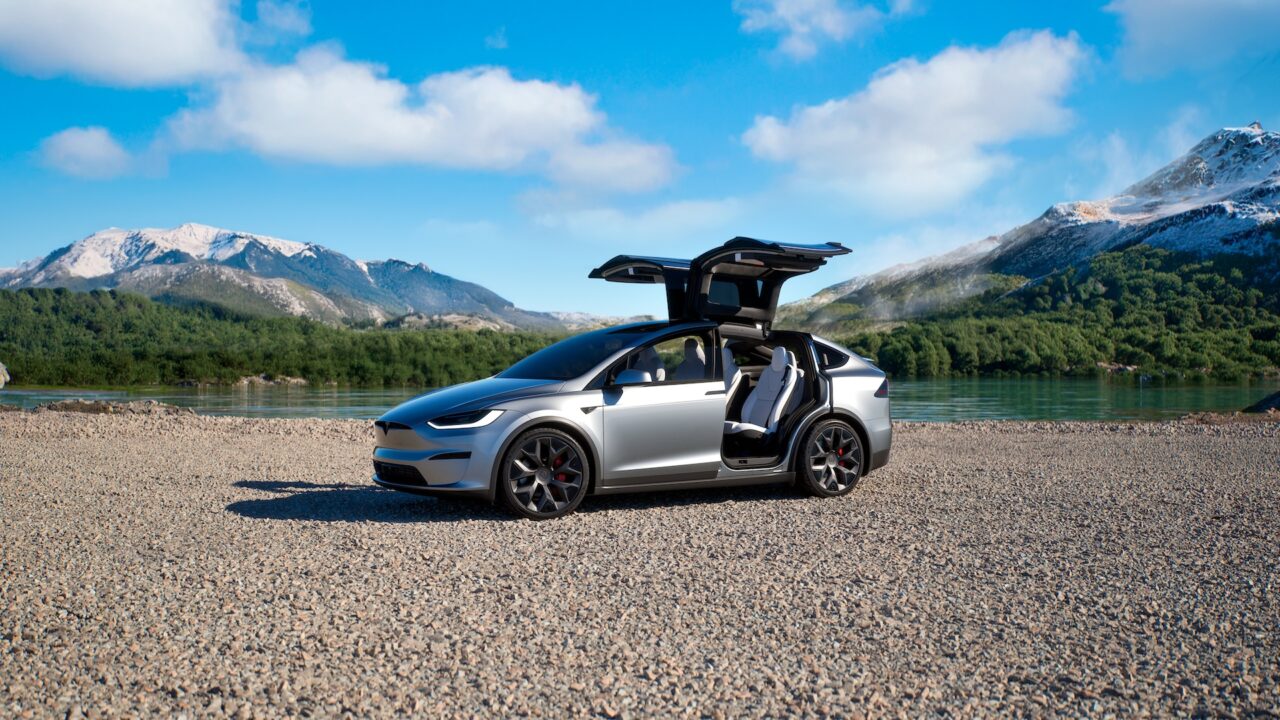
Three years later, in 2015, the Tesla Model X followed: an electric SUV with distinctive Falcon-wing doors, all-wheel drive and a spacious cabin that was meant to appeal to families and lifestyle buyers. It was Tesla’s answer to the growing demand for electric alternatives in the SUV segment.
Together, these two models symbolized the first chapter of Tesla’s rise: they were groundbreaking and helped shift electric cars from a niche product to a serious, global alternative to internal combustion engines. Both were technically innovative for their time, with software updates, smart battery systems and performance-oriented variants such as Plaid versions.
Higher volumes, lower production costs
Over the years, Tesla’s focus gradually shifted to higher-volume models with lower production costs. The Model 3 and Model Y became the best-selling Tesla models worldwide, together representing about 97% of total sales by 2025.
In contrast, the Model S and Model X had been running at relatively low volumes for some time. Their sales continued to decline – despite repeated updates and price adjustments – making them a lesser fit with Tesla’s strategy of efficient and scalable production. Now Tesla is officially announcing that the Model S and Model X will be phased out, with a production stop scheduled for the second quarter of 2026.
Optimus, a humanoid robot
The reason for the shutdown is striking: Tesla wants to use the vacated production space at the Fremont factory to produce Optimus, a humanoid robot developed by Tesla. According to CEO Elon Musk, Tesla sees the future not just in vehicles, but in the integration of artificial intelligence, robotics and autonomous systems: with robots and robotic cabs as possible mass-market products of tomorrow.
Officially, the replacement of car lines will not be done by another car, but by a product that has never before been produced in such numbers by a car company: robots. The ambition is great: Tesla already proclaimed plans to eventually build up to 1 million robots a year at this location.
What does this mean for owners and the market?
Tesla has pledged that existing Model S and Model X owners will continue to receive service and support in the future, even if production stops.
Continuous improvement
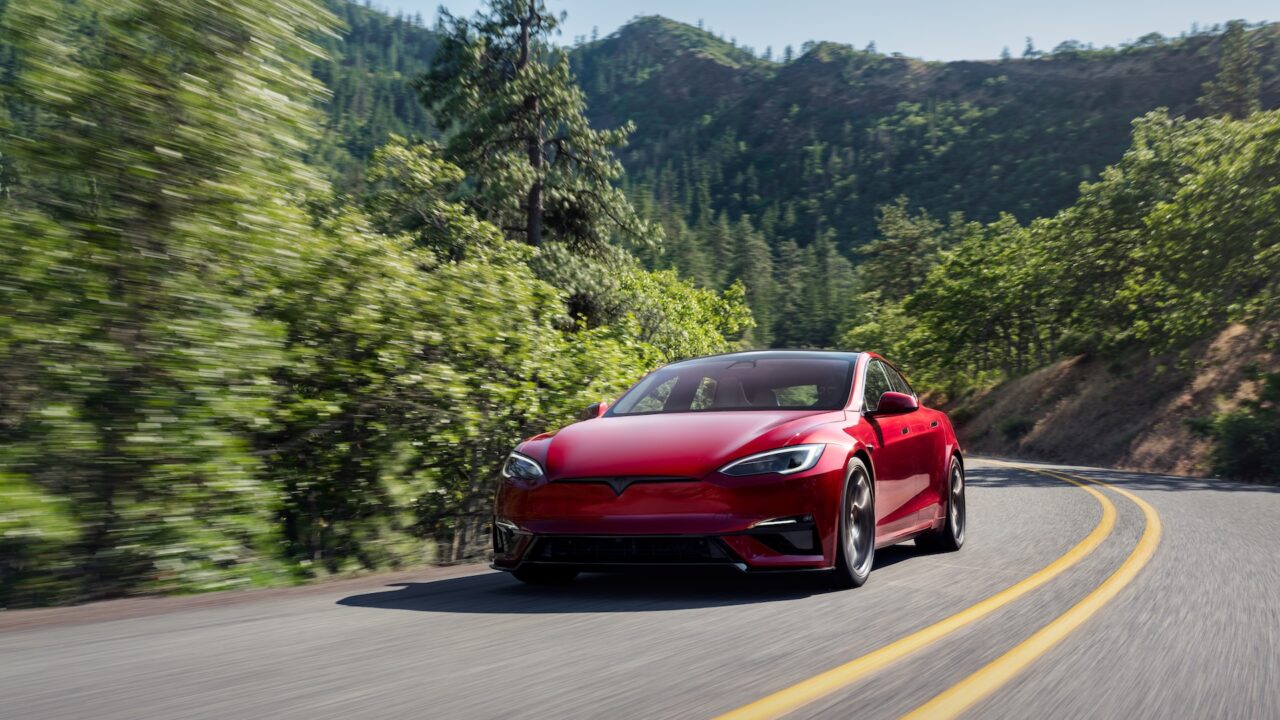
Since their unveiling, Tesla has made numerous improvements and upgrades to both models, through free wireless software updates for existing owners or through our production lines on model updates. In 2021, Tesla launched a radically revised Model S and Model X, featuring a new powertrain, a new chassis and an updated exterior and interior. Every aspect of the original Model S and Model X design, from the tires to the glass roof, has been revised to better fit the needs of each driver, without losing any of the identity that made the original versions so great.
With the goal of building the best car in the world, Tesla unveiled the Model S Plaid. With its carbon-fiber encased rotors, the Plaid engine delivers a perfect power curve, making Model S Plaid the very fastest vehicle on the road while still being quiet, comfortable and practical in normal daily use. The Plaid Track Mode was developed, allowing Model S to record a lap record time for a series-produced electric vehicle at the Nürburgring in Germany in 2021 and to do so again in 2023 with the enhanced Track Package.
With the Plaid powertrain, the Model X became the most powerful production SUV in the world with an output of 1020 hp, capable of sprinting from 0 to 100 km/h in 2.6 seconds with 6 passengers and all their luggage on board.
Update in October 2025
Tesla still introduced refined versions of Model S and Model X in October 2025.
Upgrades include.
- Free Supercharging and Premium Connectivity
- A quieter interior
- Better insulation against wind noise and rolling noise
- Improved active noise cancellation through more effective noise isolation
- New insulation materials and redesigned undercarriage
- Sound-absorbing materials in the interior
- New rim designs – 19″ and 21″ for Model S / 20″ and 22″ for Model X
- Dynamic mood lighting
- A spacious third row of seats in Model X with more space at shoulder level
- New dedicated user interface
- Front panel camera
- Blind spot indicator
- Adaptive headlights
- Improved efficiency
- Greater reach
- New tires with low rolling resistance
- A more aerodynamic rim design
- More consistent performance under hot and cold weather conditions
- More comfort and dynamics
- New components for optimal driving comfort
- Revised and fine-tuned air suspension system
- Model S Plaid also received a series of additional upgrades.
- New front end
- Front splitter for improved stability at high speeds
- New backside
- Carbon fiber spoiler for improved stability at high speeds
- Diffuser with updated styling to improve aerodynamics
- Improvements to the drive unit with refined carbon-fiber encased rotors
- New stability-enhancing components for improved handling at high speeds
What does that cost?
Delivery range in the Netherlands:
- Model S
- All-Wheel Drive
- Range of 744km [WLTP].
- 0-100 km/h in 3.2 seconds
- Top speed of 240 km/h
- Plaid
- Range of 612 km WLTP
- 0-100 km/h in 2.1 seconds
- Top speed of 262km/h / 322 km/h with optional Carbon-Ceramic Brake Kit
- All-Wheel Drive
- Model X
- All-Wheel Drive
- Range of 600 km [WLTP].
- 0-100 km/h in 3.9 seconds
- Top speed of 240 km/h
- Plaid
- Range of 567 km [WLTP].
- 0-100 km/h in 3.2 seconds
- Top speed of 262 km/h
- All-Wheel Drive
The Tesla Model S is still available in the Netherlands from 110,990 euros. The Tesla Model X costs a minimum of 115,990 euros.