Spotted: a 1933 Citroën 10A
The spotted specimen
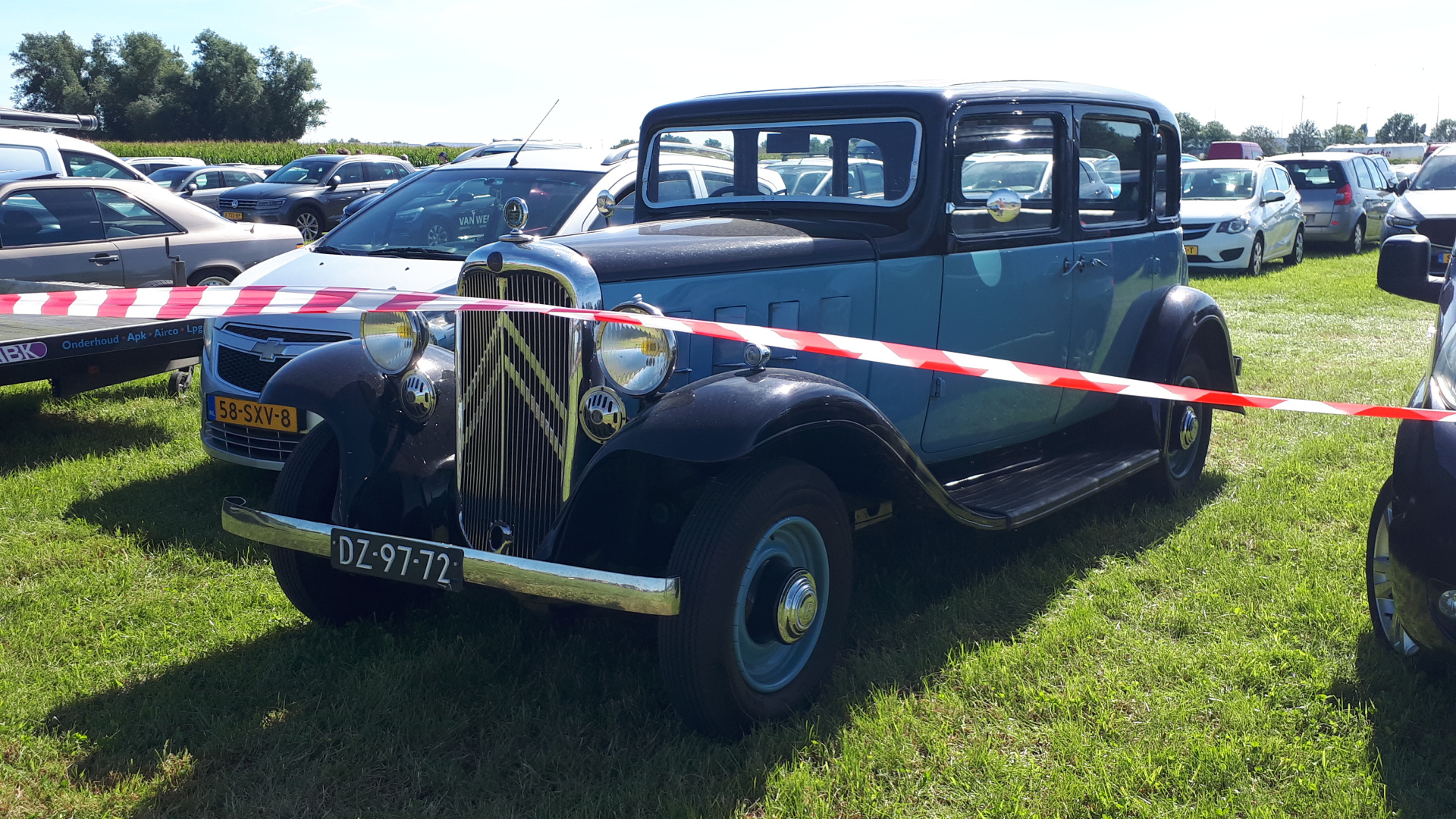
Anyone who regularly attends car events knows that the visitor parking lot is often home to many beautiful things as well. For example, in the visitor parking lot of the American Cars Meeting in Benningbroek, North Holland, we saw this beautiful 1933 Citroën 10A. The car has been in the Netherlands since 2020 and the current owner has owned it since then as well. Furthermore, a license plate check does not yield any details, or it should be that the Citroën is officially black and green, instead of blue.
The Citroën Rosalie
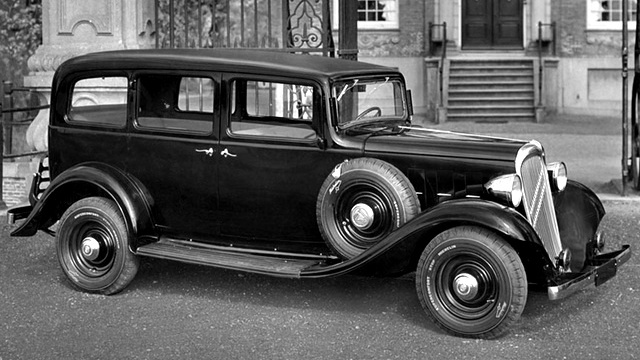
The spotted Citroën is part of what is collectively called the Citroën Rosalie. A name best known for the race car that set a number of records, it also belonged to Citroën’s mid-range models. This model line was delivered from 1932 through 1938.
Fiscal horsepower
Within the Citroën Rosalie series, you had the 8CV, 10CV and 15CV. These were the three engine variants: a 1.5-liter four-in-line, a 1.8-liter four-in-line and a 2.7-liter six-in-line. The CV designations referred directly to the French tax system of the time. It is going too far to explain that taxation in full here. In any case, these tax capacities did not directly correspond to the engine’s real power, but were calculated in a somewhat complicated way based on engine size and maximum rpm, among other factors. For example, the famous Citroën 2CV really does not have only two horsepower. The Citroën 10CV we spotted has an output of 25 kW (34 hp).
Higher in the market
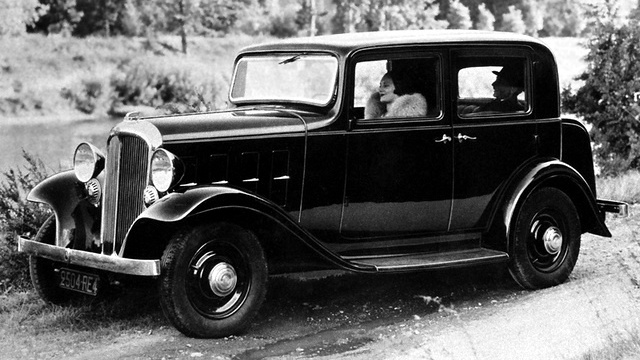
The Citroën Rosalie models were the successors to the Citroëns C4 and C6 (which therefore have nothing to do with the later models of the same name). With the new Rosalie, not only the model line, but Citroën as a whole climbed a rung in the car market. The Rosalie can be seen as a mid-range car in the overall car market at the time, but remember that car ownership at the time was far from being for everyone.
The choice was vast
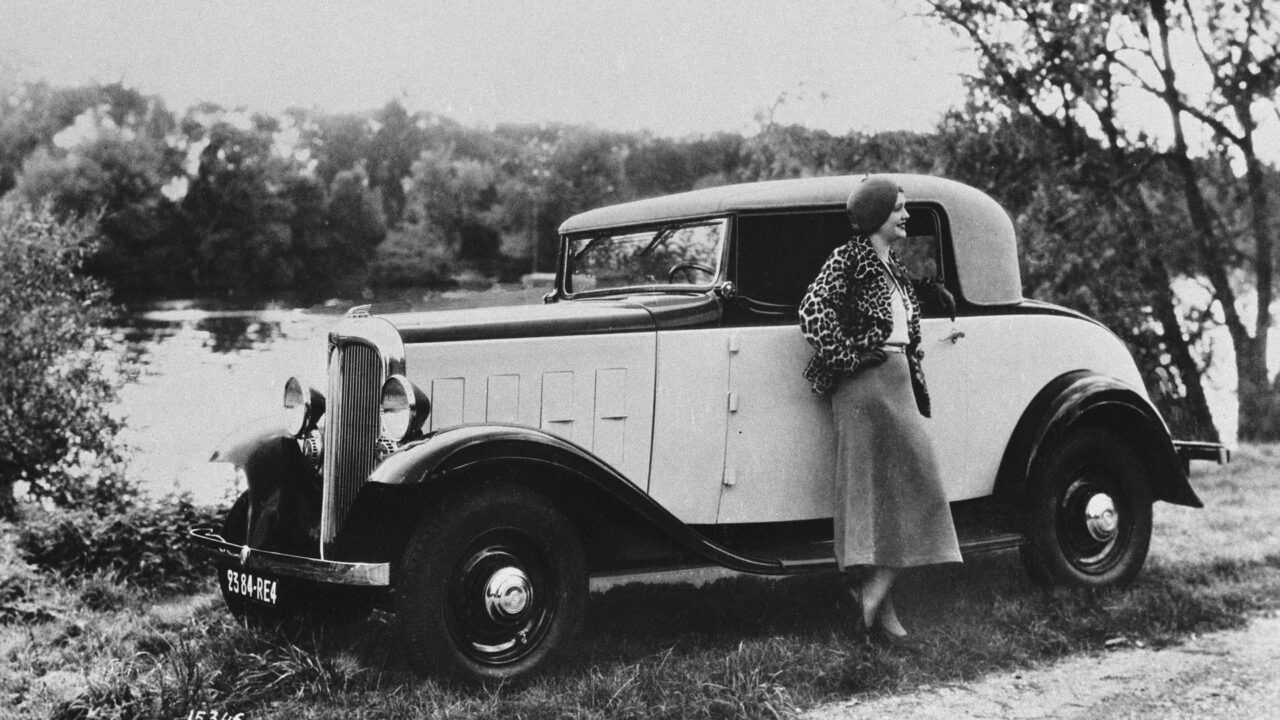
As was customary at the time, there were quite a few body styles to choose from. First, the 8CV, 10CV and 15CV each had a different wheelbase. Within these three basic models, there were six to eight body styles to choose from. Commercial vehicle variants are not even counting. This multiplicity of versions was possible in part because Citroën was one of the first European automakers to use assembly line production.
Major update for the Citroën Rosalie
In 1934, the revolutionary Citroën Traction Avant entered the market. This was a successor of sorts to the Rosalie, but for various reasons the Rosalie remained available alongside the Traction for several more years. In the process, the Rosalie underwent something we would today call a facelift. For a more modern look, the grille came to be angled ‘down’ a bit more.
This “facelift model” was also referred to as the B series, or the NH version (for “Nouvel Habillage,” literally “new clothes”). Shortly thereafter, the 8CV and 10CV were replaced by the 7UA and 11UA, with engines from the Traction. These versions were also referred to as MI, from Moteur Inversé (‘reverse engine’). In fact, compared to the Traction, the engines were rotated 180 degrees to drive the rear wheels. After 1938, the Traction took over completely from the Rosalie.