
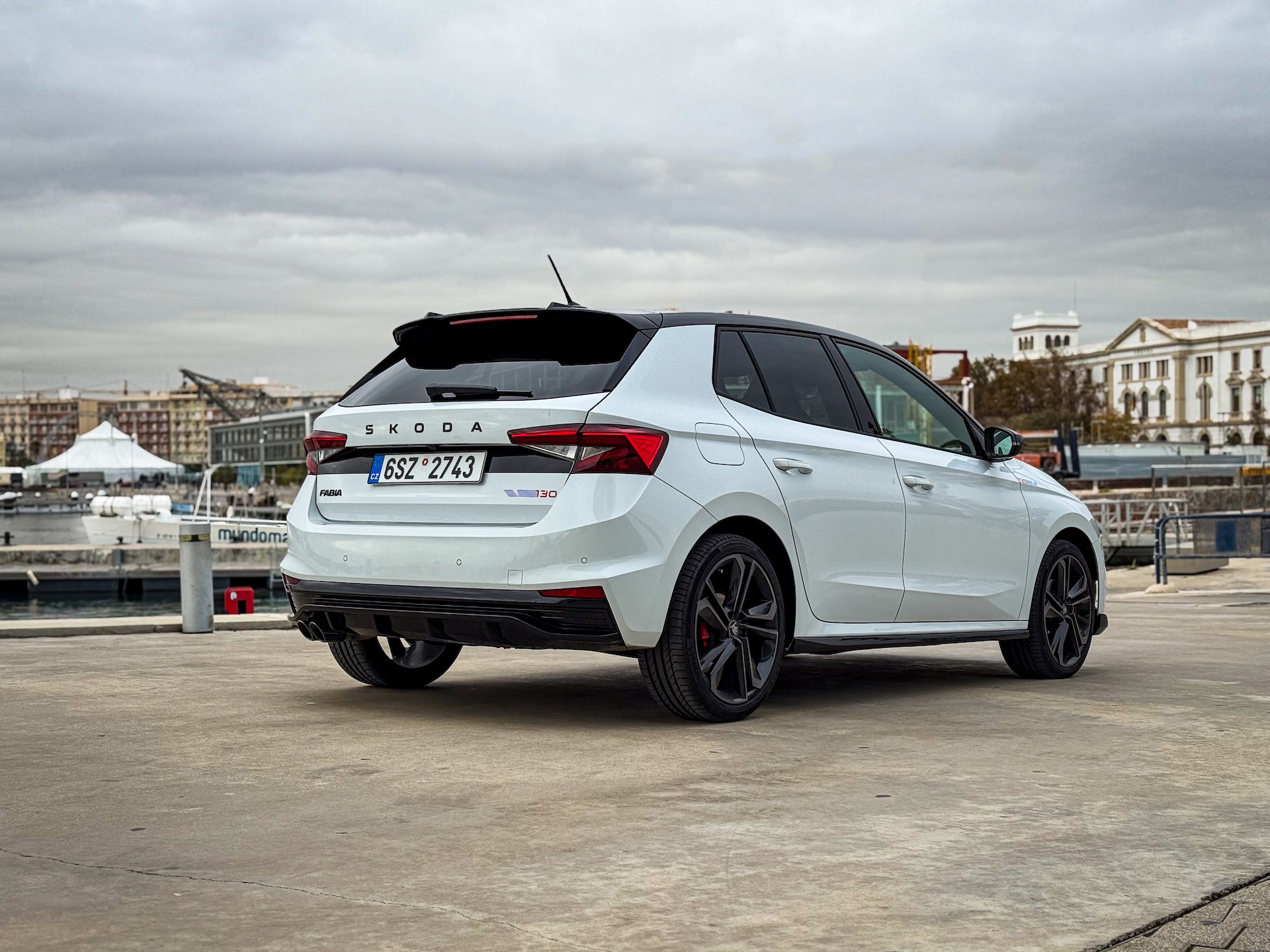
Skoda Fabia 130: forbidden fruit of Skoda
Jubilee model with clear provenance
The Skoda Fabia 130 was developed as a special anniversary model in honor of Skoda’s 130th anniversary. The base is the Fabia Monte Carlo with 1.5 TSI, but the technical development team took care of almost every facet of that powertrain. The engine, chassis, steering, aerodynamic details and even the DSG transmission received its own set of modifications. No simple sticker pack, then, but a factory car with distinct character and technical modifications.
Power in kW
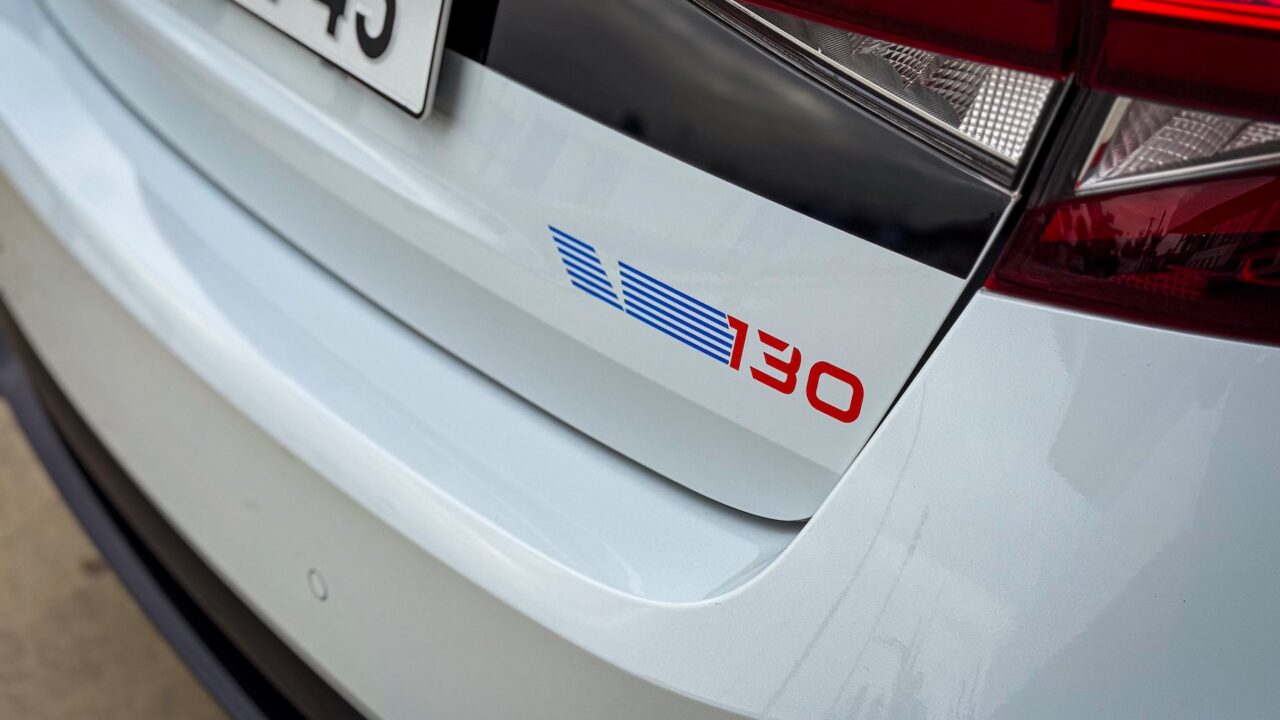
The number 130 does not refer to the displacement, but rather to the anniversary year and to the power output, expressed in kW. The 1.5 TSI evo2 normally produces 110 kW (150 hp), but in this version it produces as much as 130 kW (177 hp). This gives the Fabia a level of performance not previously available in a production model of this type.
Technique of Skoda Fabia 130
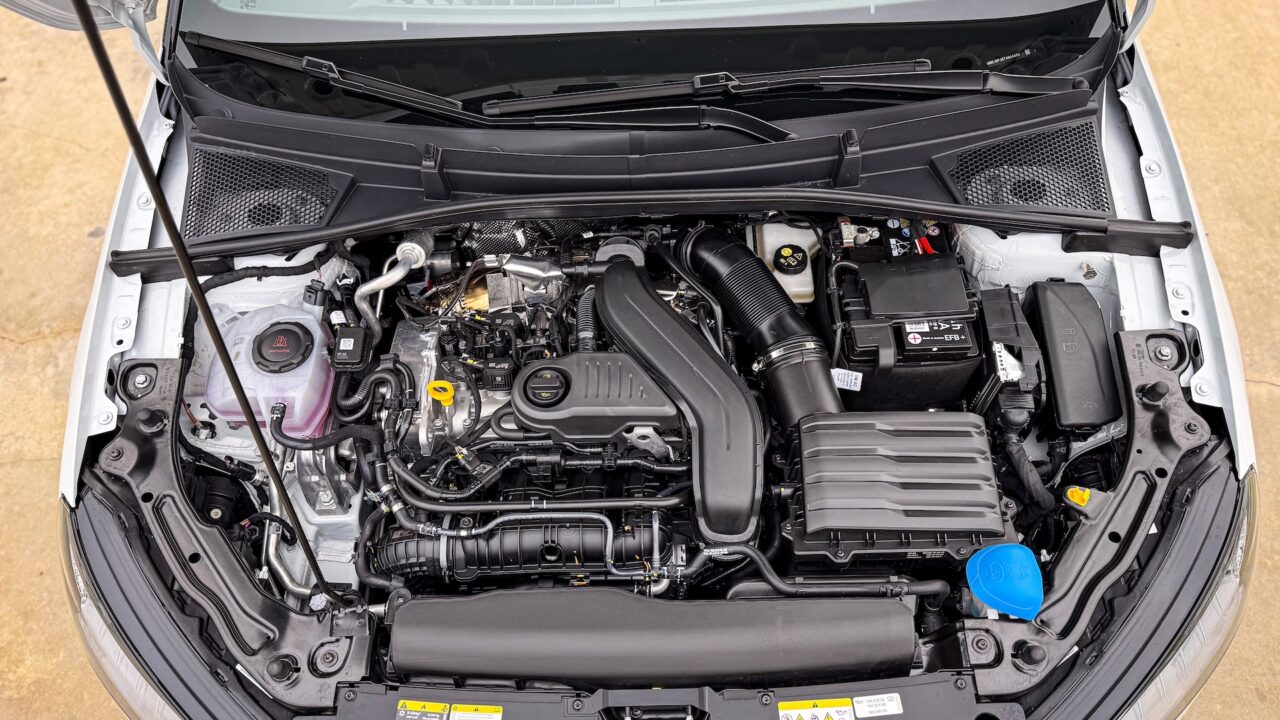
Under the hood we find a familiar base, but a large number of components have been updated to make the extra power available reliably and smoothly. The intake plenum has been modified, as have the vibration damper and various internal mechanical parts such as the rocker arms. The engine delivers its increased power from 3,500 rpm and builds it linearly toward the 5,750 to 6,000 rpm mark, where the peak power of 130 kW is available. Torque remains at 250 Nm, but that torque is available longer in the rev range, which should be especially noticeable during intermediate sprints.
Recalibration of DSG
The DSG transmission also received a recalibration. The shift points are higher, giving the engine more room to exploit its revs. In Sport mode, the transmission uses a dual-clutch transmission, something that improves smoothness as well as giving more control when accelerating hard. The transmission logic during braking has also been tweaked, allowing the car to pick up faster when resuming speed.
Performance
These technical changes make the Skoda Fabia 130 accelerate faster than the standard 1.5 TSI. The sprint to 100 km/h takes 7.4 seconds. Intermediate sprints are also smoother: 60 to 100 km/h takes 3.8 seconds and 80 to 120 km/h requires 4.8 seconds. Top speed reaches 228 km/h. In fact, this is just a hot hatchback.
A base: -15 mm
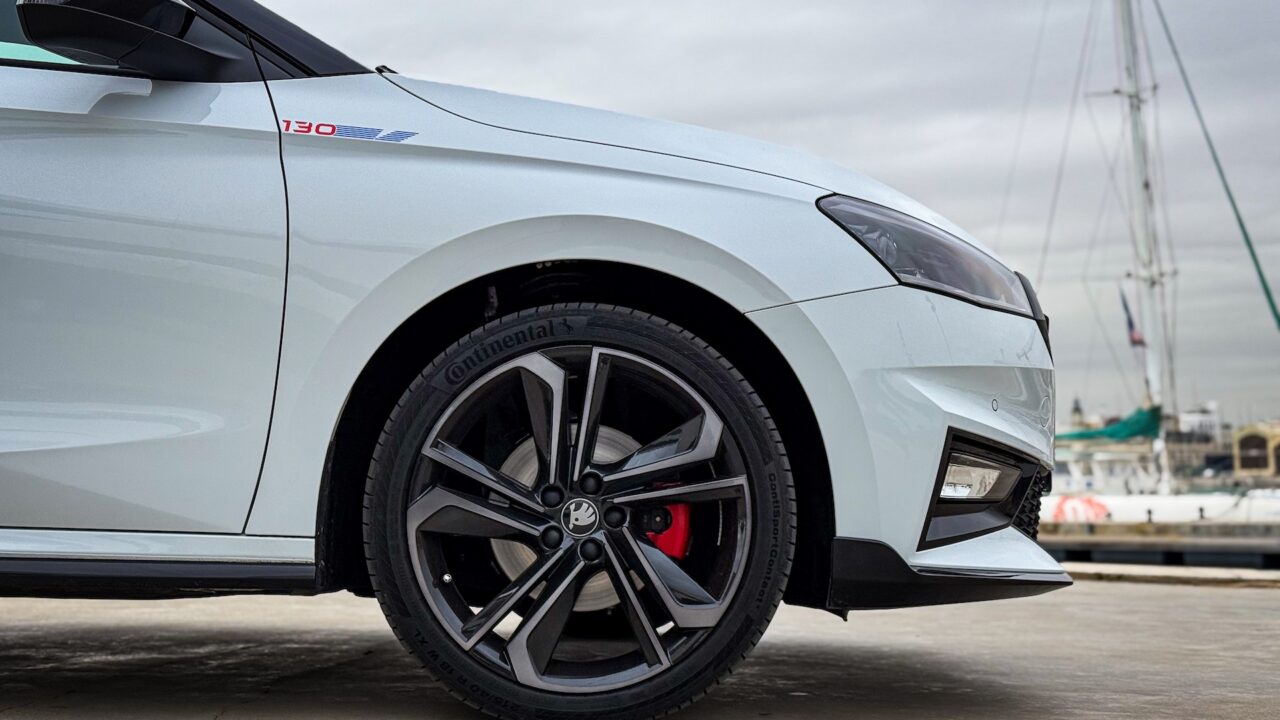
The suspension is lowered fifteen millimeters and is combined with 18-inch Libra wheels developed specifically for this version. The lowering is not just about looks; according to Skoda, it also contributes to greater stability and a more direct steering feel. The steering itself has also been recalibrated, which should give the steering wheel more feedback and respond faster to input in both normal and sport modes.
Of interest is the presence of a two-step dynamic control system that can be operated via the infotainment screen. Traction control (ASR) is completely disengageable, allowing a slight degree of wheel slip in controlled conditions. Those who opt for ASR Sport in combination with ESC Sport later get sweeping stability control, allowing the car more freedom without taking safety out of the picture. It makes the Fabia 130 a car that can do more than its compact size initially suggests.
Motorsports as a source of inspiration
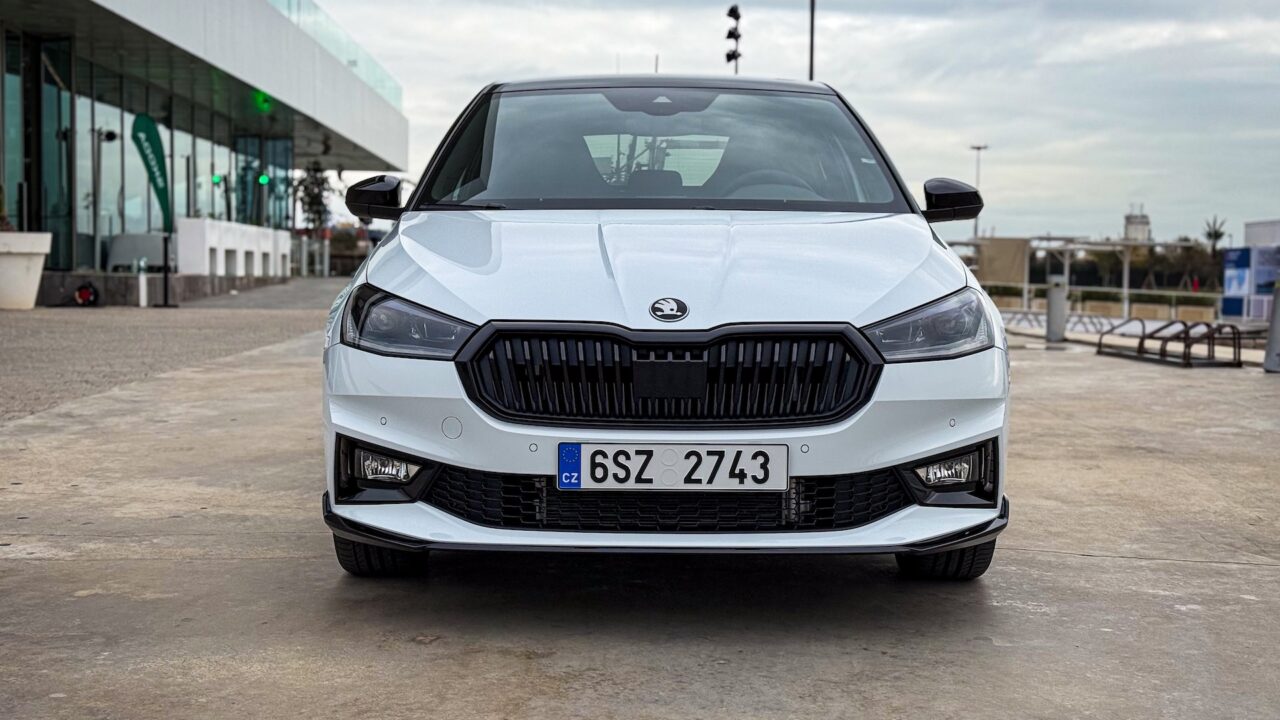
The Fabia 130’s design deliberately references Skoda’s rally history. The model comes in four colors outside the Netherlands and gets standard black styling elements such as a roof, front spoiler, diffuser and rear wing. The wheel arches are filled with dark-tinted Libra rims, which combine with the lowered bodywork to form a solid visual base.
On the flanks and tailgate we find 130 emblems inspired by historic Skoda racing models. The headlights have black housings, making the nose of the car look more compact. At the rear, a black strip runs the width of the car, a detail adopted from the Fabia Rally2 models. A cool detail as far as we are concerned. The double exhaust pipes under the diffuser complete the look.
The interior of the Skoda Fabia 130
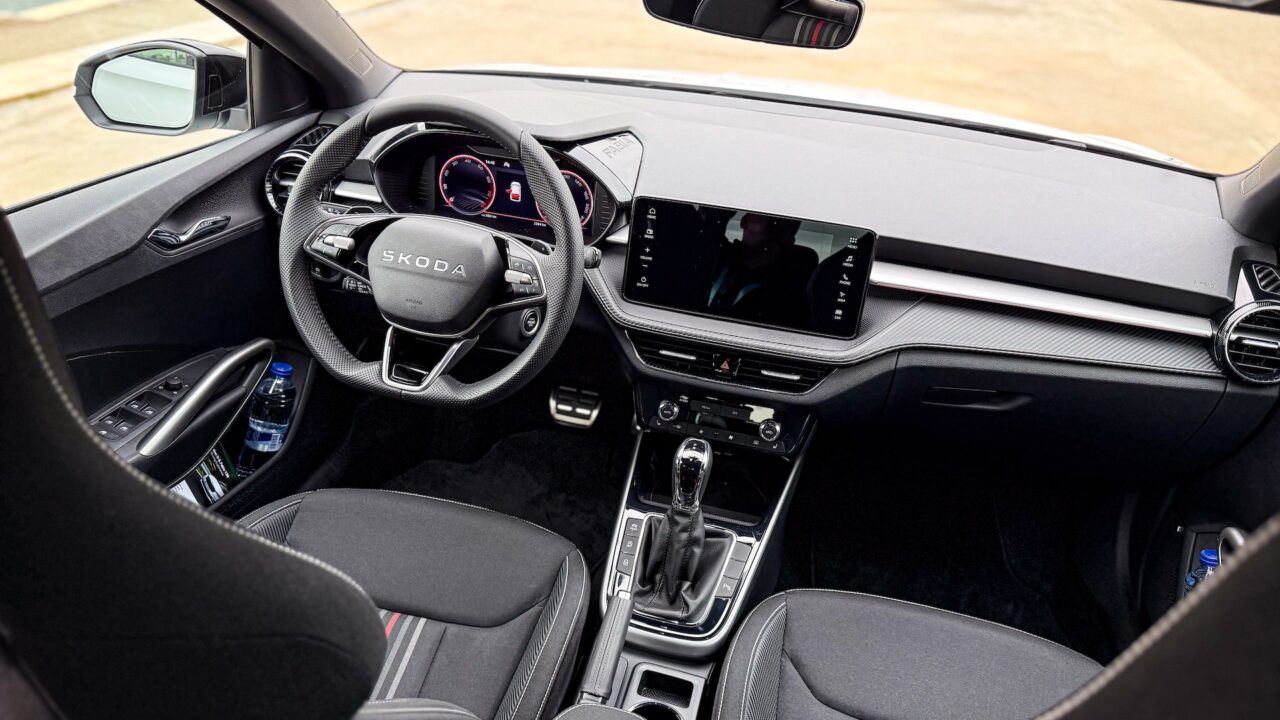
Inside, Skoda opted for sport seats with firm side cushions to help you stay in place at higher cornering speeds. The three-spoke sports steering wheel suits the character of the car and is comfortable to hold. The pedals have stainless steel covers and the sills are finished with black aluminum trim. Silver details on dashboard and door panels subtly break up the dark interior.
The ten-inch digital instrument cluster is standard, while the nine-inch infotainment screen remains optional. Controls are largely the same as the Monte Carlo version.
A model with both history and future
The Fabia is now an established name within Skoda and more than five million examples have been built since its introduction in 1999. That past included sportier variants such as the Fabia RS with 1.9 TDI and the later RS with 1.4 TSI. However, the most immediate spiritual predecessor of this model is the Fabia R5, a limited edition that celebrated its link to rallying.
Skoda has been active in rallying for many years, from WRC activities to building successful models in the Rally2 class. The Fabia Rally2 and earlier R5 models proved extremely competitive, winning numerous championships in national and international competitions. The Fabia 130 draws heavily on that tradition in terms of its look and feel, forming a link between the compact model that can be used every day and the sporty heritage with which Skoda emphatically presents itself.
A car for enthusiasts with patience
The Fabia 130 will not appear in the Netherlands, but it will be on the market in other European countries, with deliveries scheduled from December 2025. For the Dutch enthusiast, this means that the car will only become interesting when used examples become available. By then, the BPM disadvantage will already be partially incorporated into the market value, making imports a viable option. In short: the Skoda Fabia 130 is a car for enthusiasts with patience.