Review – Zeekr 7X (2025) – The nightmare of Elon Musk
Between the greats
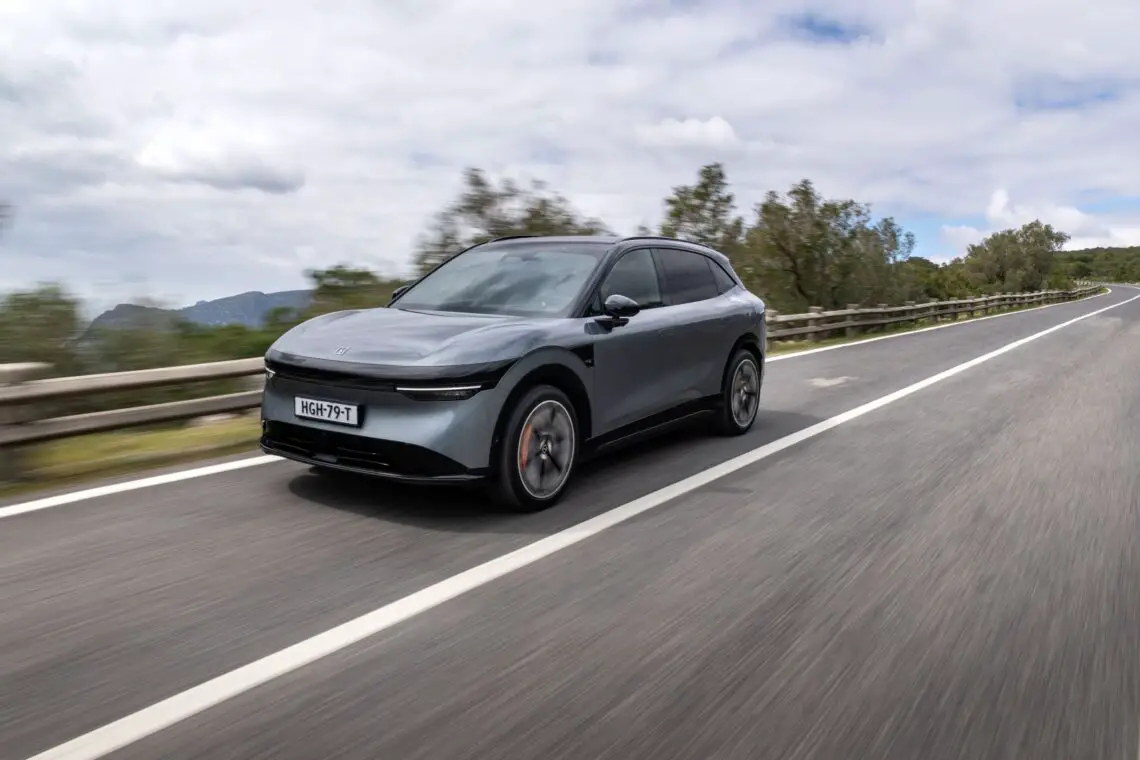
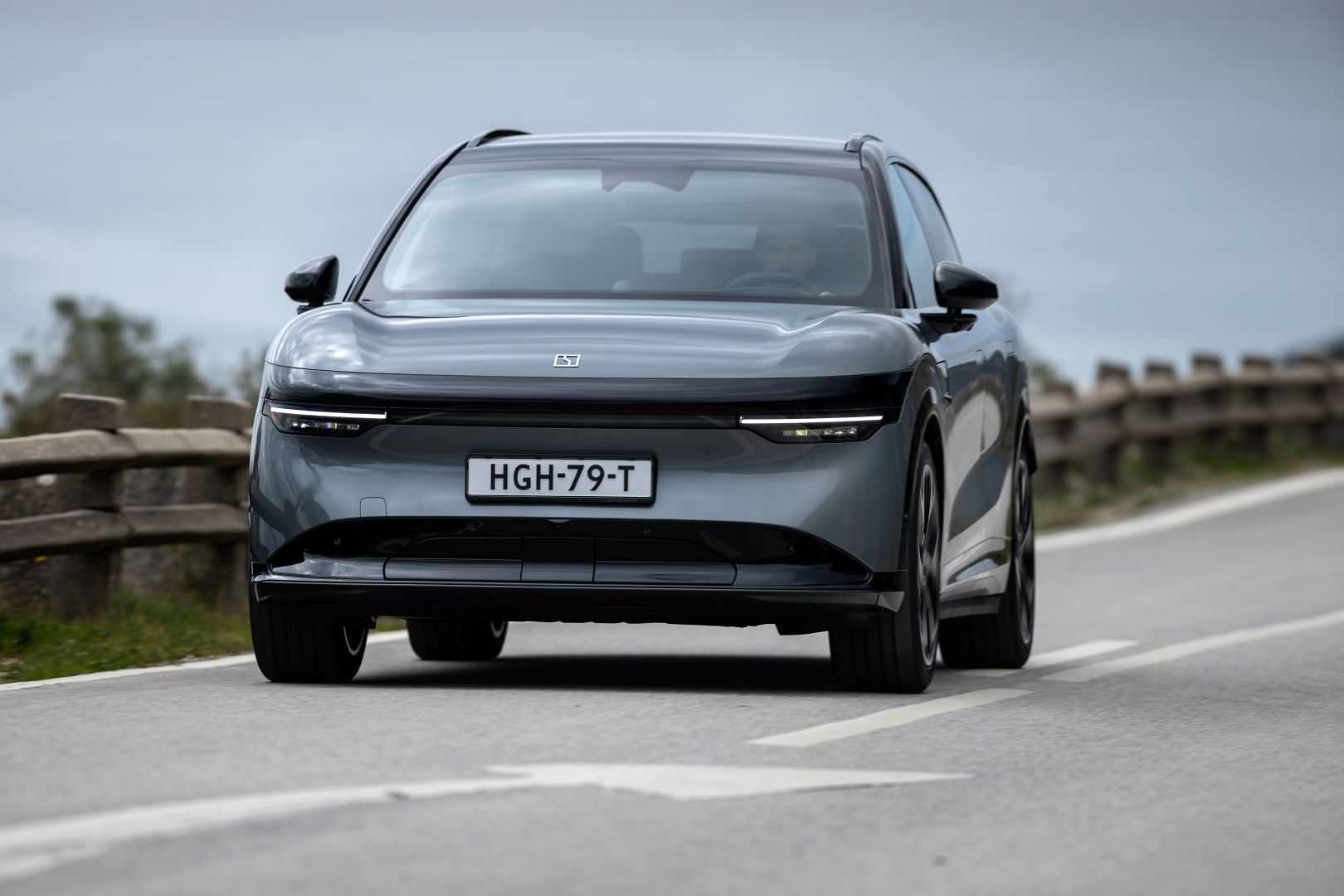
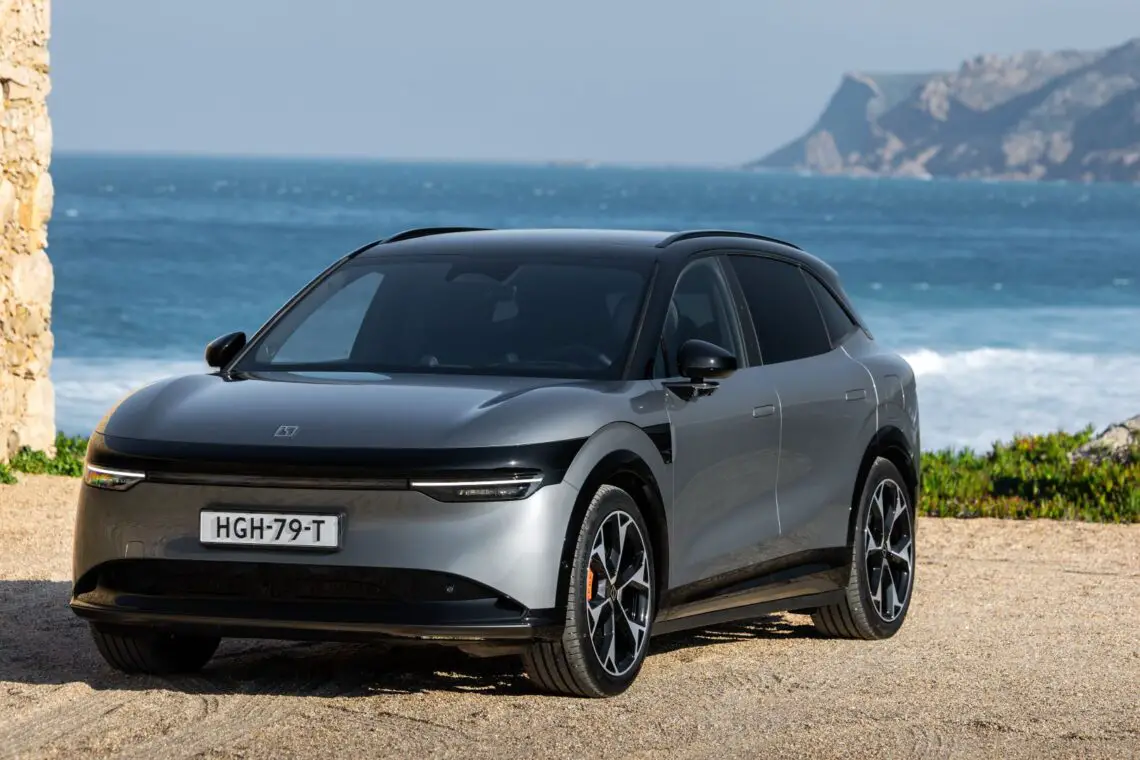
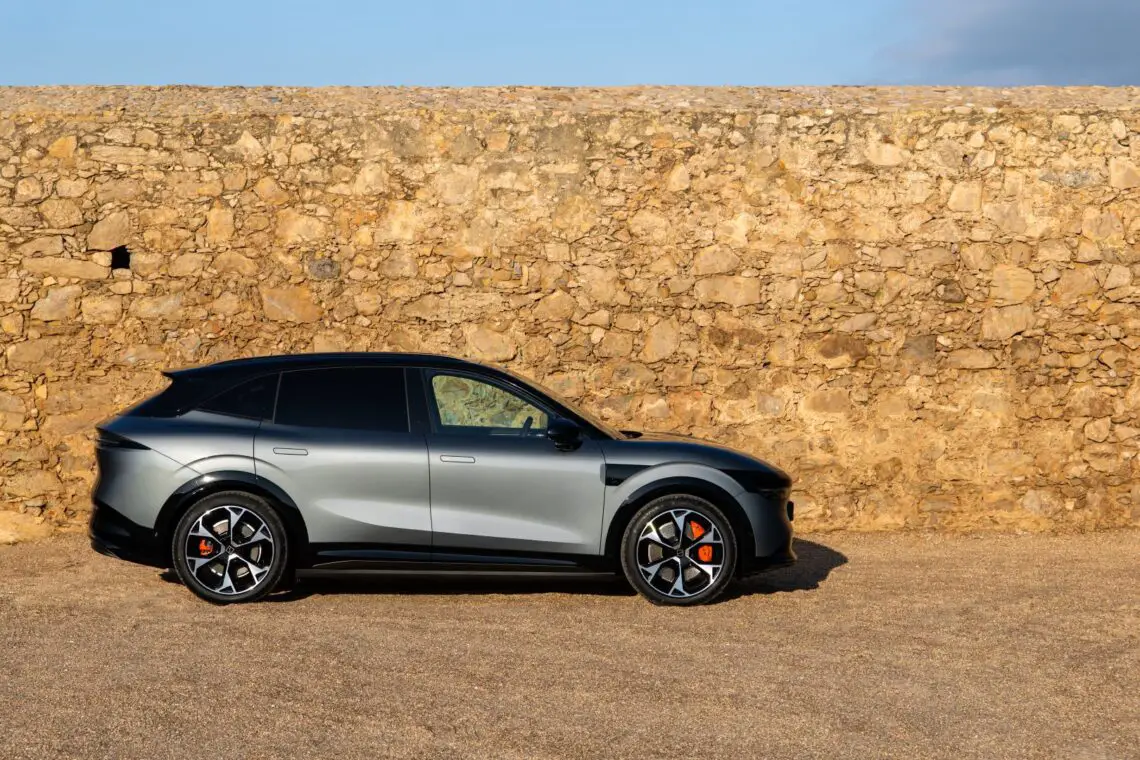
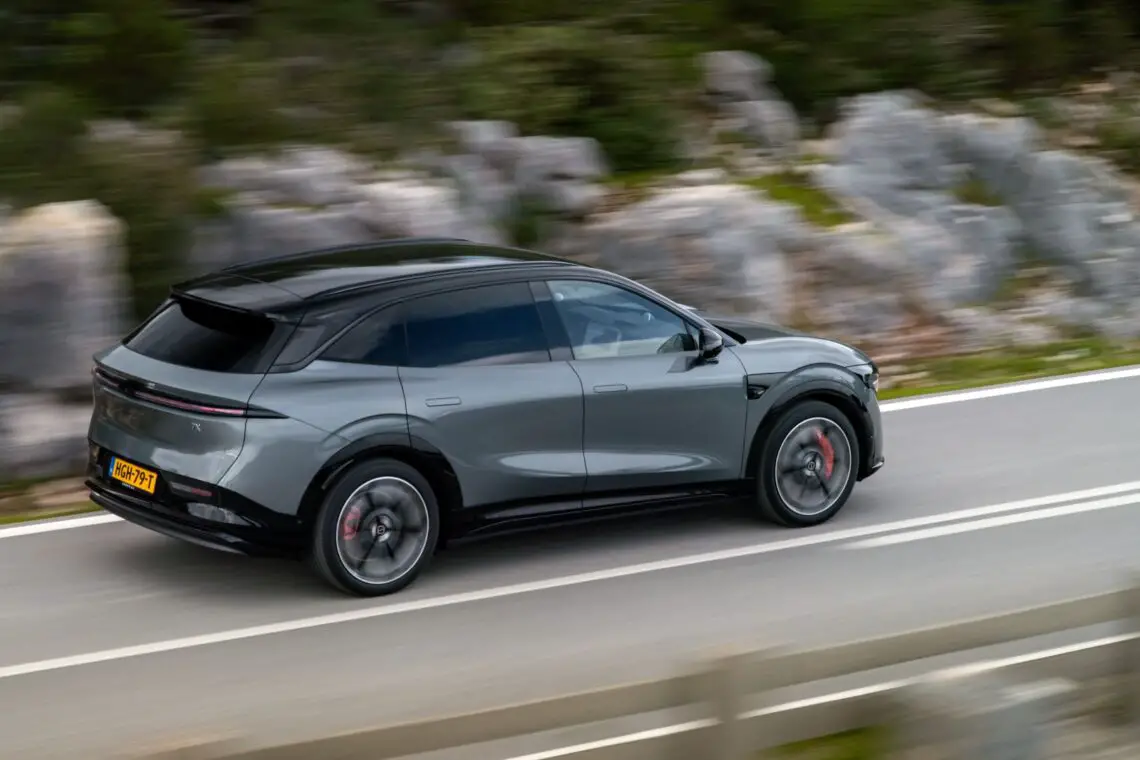
At 4.88 meters in length, the Zeekr 7X positions itself between the Tesla Model Y, Mercedes-Benz EQE SUV, Audi Q6 e-tron and BMW iX3. A little bit of everything, in other words. In terms of dimensions and design, it is closer to a crossover than a traditional SUV, making it a perfect fit for the European market. Its design is unremarkable, with a sleek nose and trendy continuous light strip, both front and rear. You have a choice of just four body colors – white being the only one at no extra cost.
Core, Long Range and Privilege
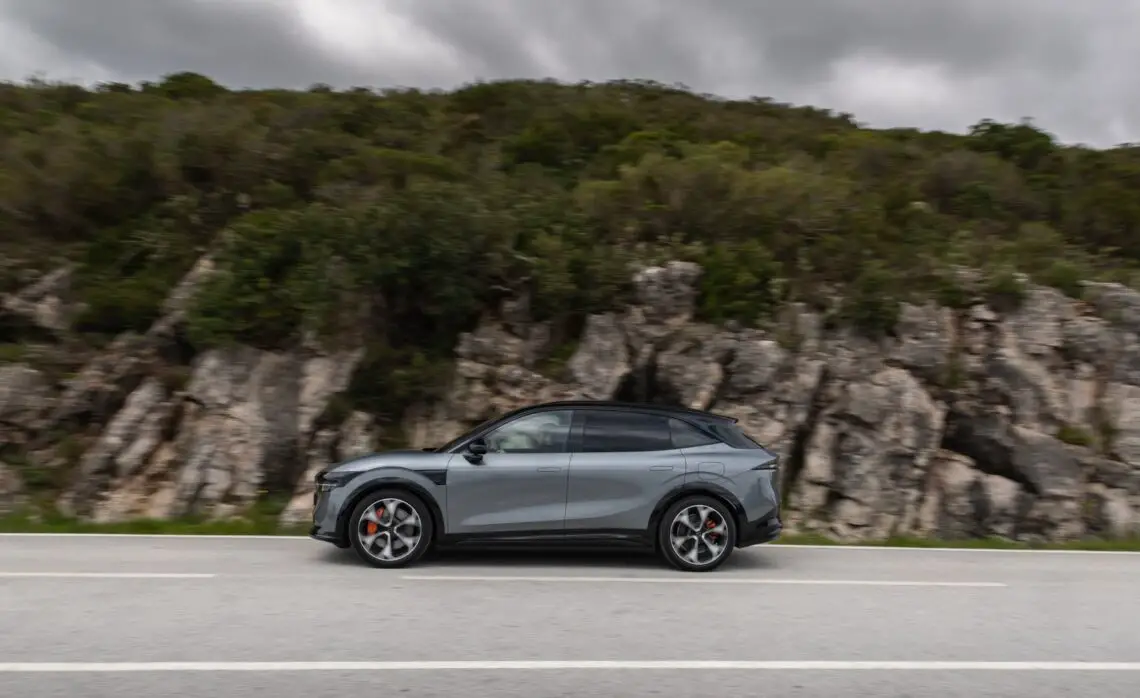
The 7X comes in three flavors: Core, Long Range and Privilege. The first two are rear-wheel drive with 309 kW (421 hp), the top version – the Privilege – has all-wheel drive and a whopping 470 kW (639 hp). With that, it sprints to 100 km/h in 3.8 seconds. Fast boy, in other words. The Core and Longe Range need six seconds for a 0-100 sprint and are thus also nice and smooth. All variants are limited to 210 km/h. The 7X rolls standard on 19-inch wheels, but the Privilege is on 23-inch. You only get air suspension and adaptive dampers (standard) on the top version.
Comfort and grip
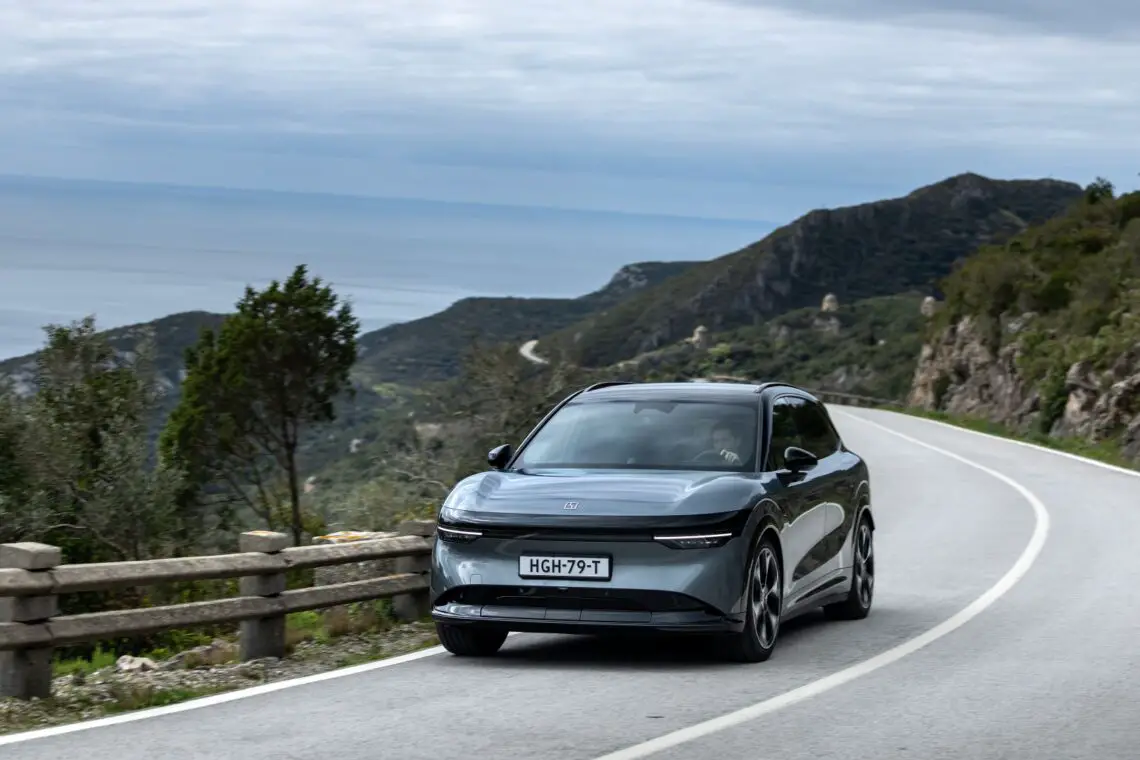
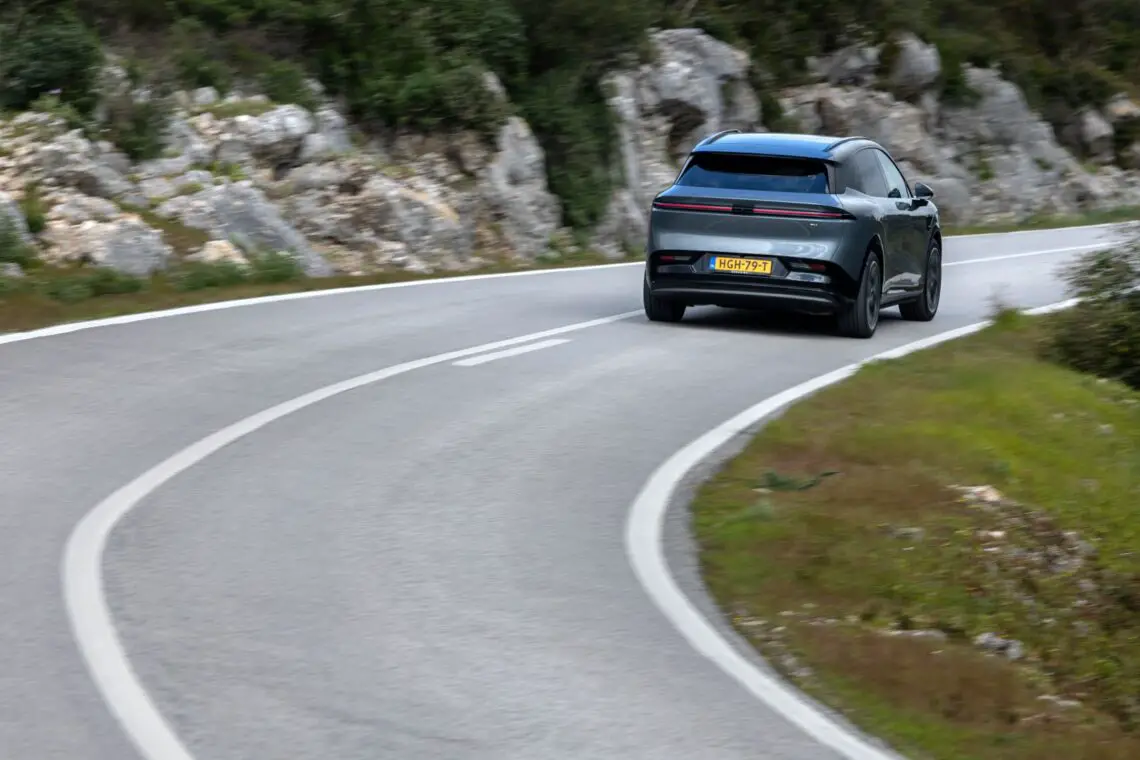
The 7X is not a distinctly sporty car, but with the Privilege trim you will be the first one out at the stoplight. The acceleration is downright impressive – especially when compared to direct competitors such as the Audi Q6 e-tron, BMW iX3 or Mercedes-Benz EQE SUV. The suspension manages to keep that power well in check. The air suspension neatly filters out bumps without becoming soft. When cornering, you do notice the hefty weight. At 2,400 kg (2,500 for Privelige), the 7X is considerably – some 300 to 400 kg – heavier than its competitors. Like having a hefty guy sitting in every seat. While driving, this does not bother you enormously – the 7X never feels bulky – but it does add up when it comes to road tax.
Bizarrely fast loading
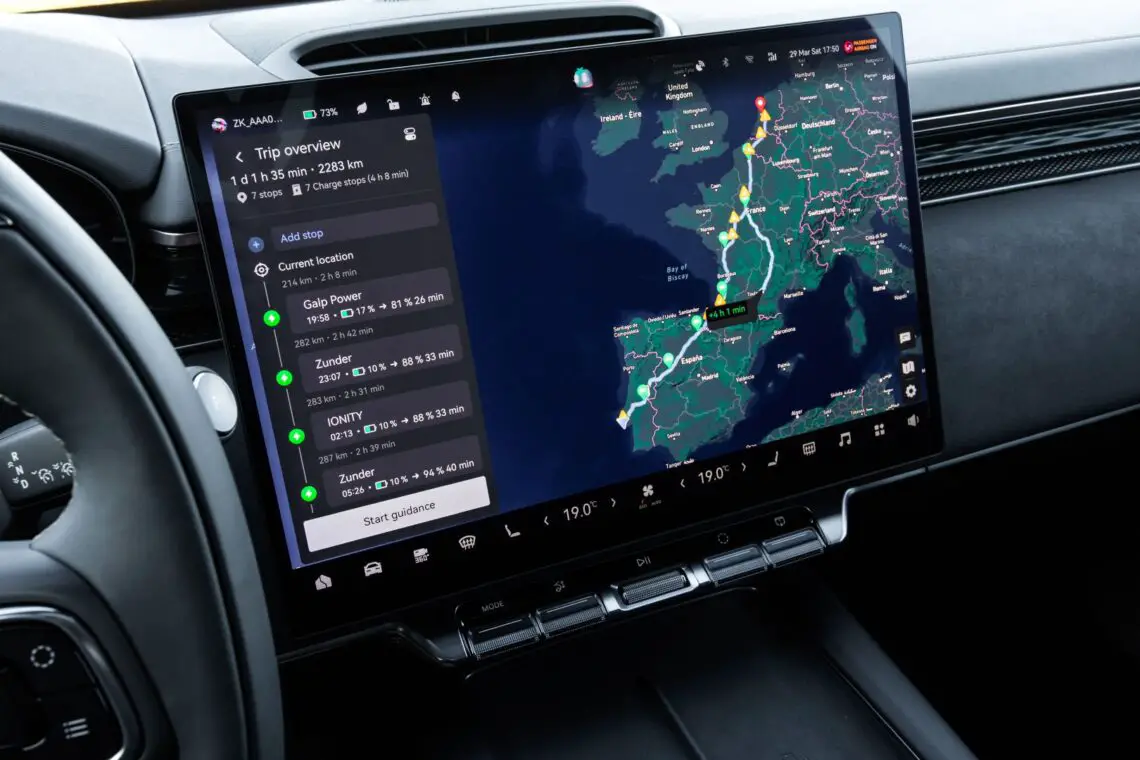
At a charging station, the 7X leaves the competition far behind. The Core with 75 kWh LFP battery charges from 0 to 80 percent in just 13 minutes. You read that correctly: 13 minutes. The larger 100 kWh NMC battery takes 16 minutes. At least as impressive. According to Zeekr, the peak charging capacity for now is 360 kW, although in theory it can handle 480 kW. But there are no such powerful charging stations in the Netherlands yet. Home charging or charging at a public pole is also faster than average with the 7X: with 22 kW.
Range
The Core gets 480 kilometers far on a charge, the Long Range up to 615 kilometers. In this respect, it is on par with many competitors. During our test drive, the trip computer indicated 530 kilometers with a full battery. The powerful Privilege with AWD has to give up a bit and gets stuck on paper at 540 kilometers.
A lesson in software as well as hardware
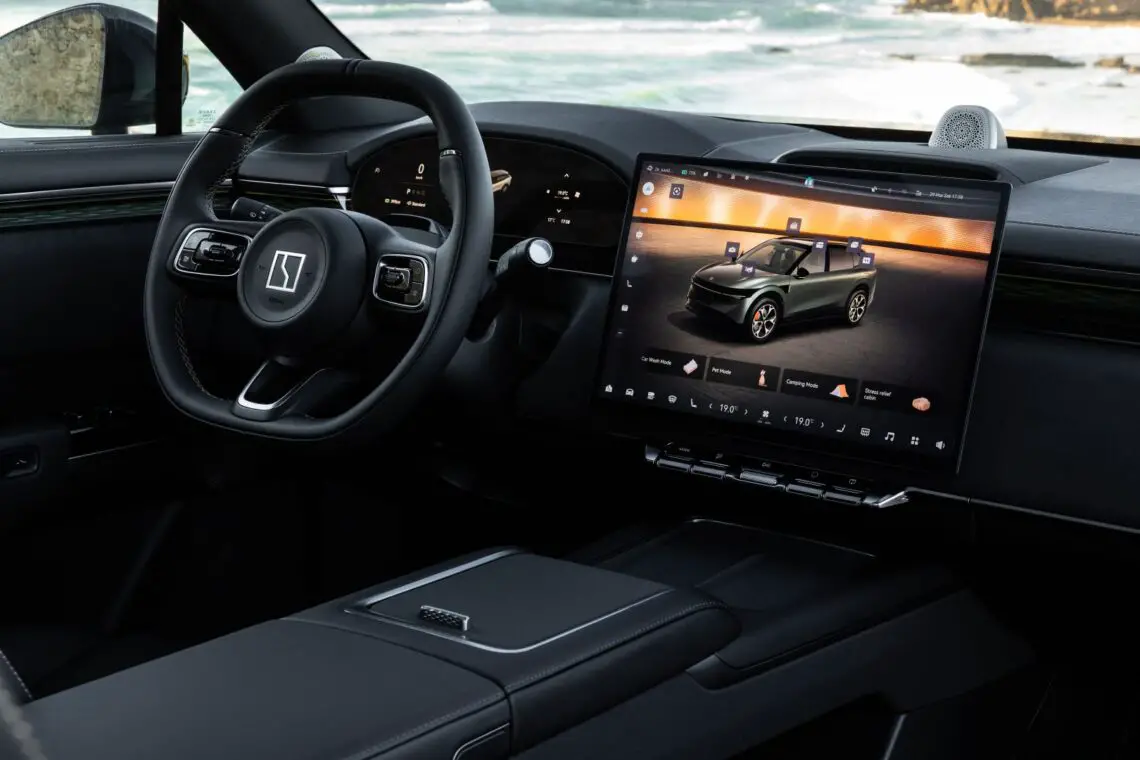
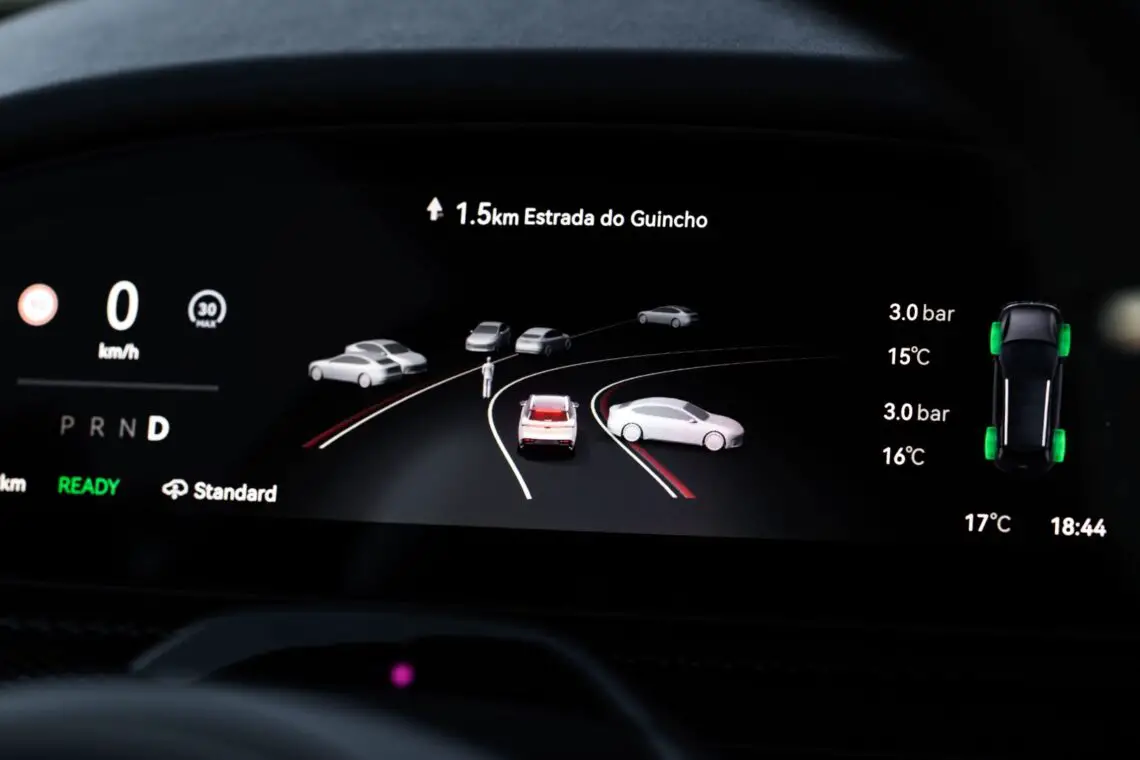
The interior is another showpiece of the Zeekr 7X. The razor-sharp 3.5K screen looks impressive, but it’s the speed and logic of the interface that stand out. This is partly due to the powerful Qualcomm chipset that drives everything under the skin. Nothing delays or slightly too long loading times; everything opens immediately. It also works intuitively – also nice.
In front of you sits – optionally – a 36-inch(!) augmented reality head-up display. Optional is an audio system with 21 speakers and speakers in the driver’s headrest. So like many Chinese EVs, the 7X is extra thick with goodies.
Luggage space
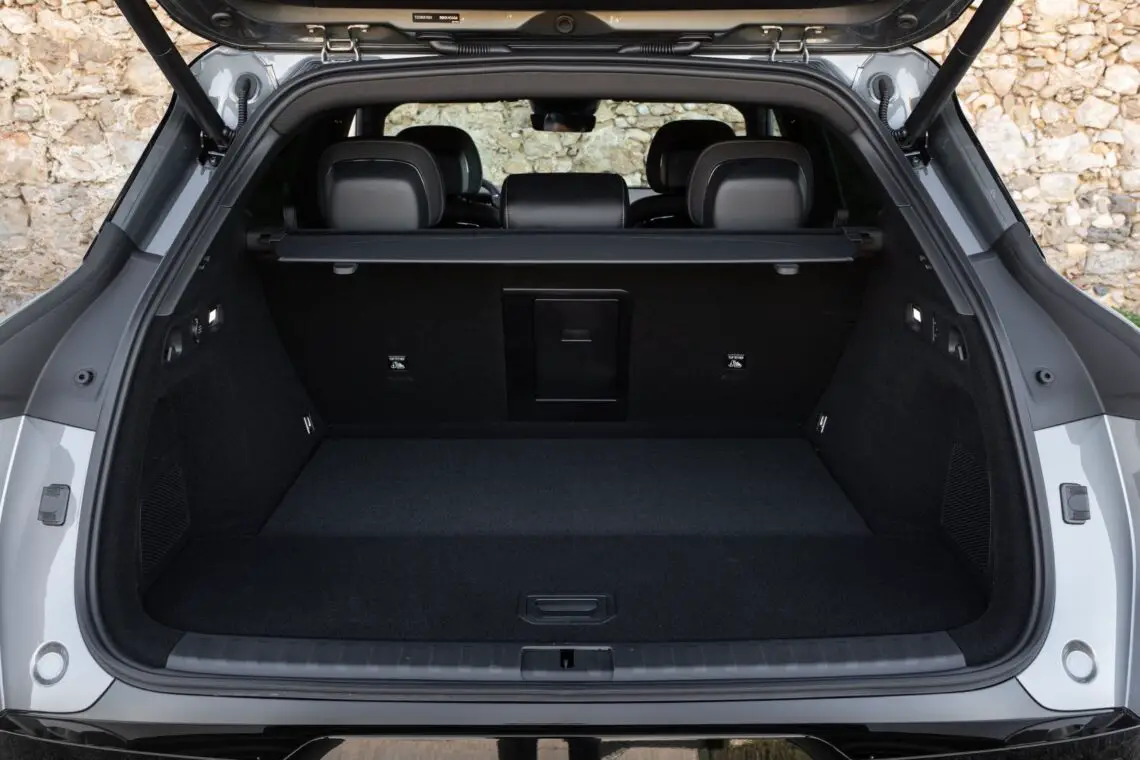
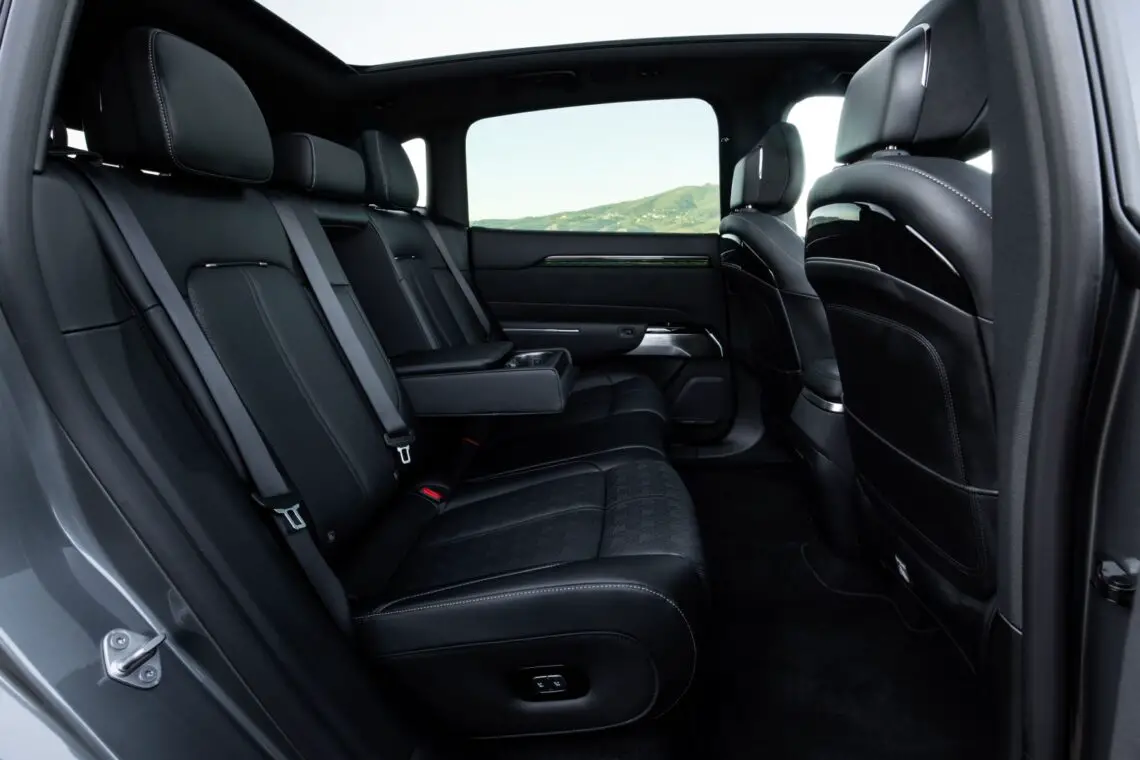
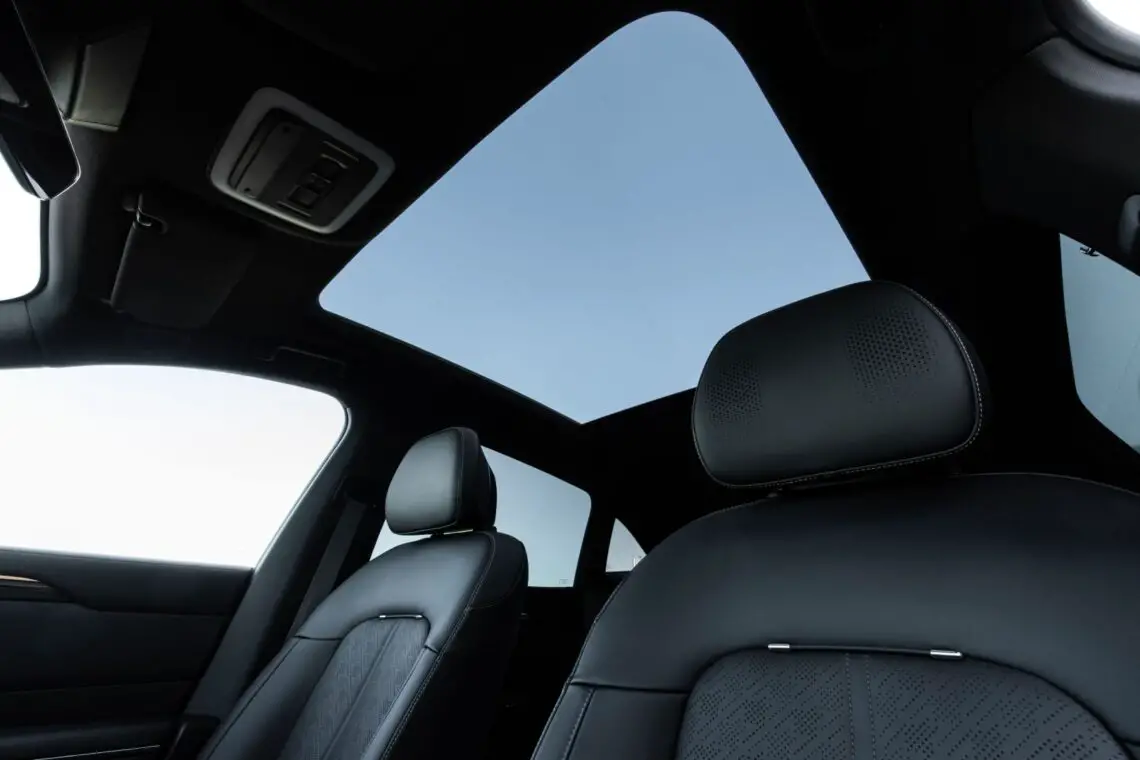
The seats in the Privilege version feature ventilation and massage. They sit like a glove. The second row of seats offers considerable legroom – the Chinese love that – and the flat floor makes it extra comfortable for those sitting in the middle. There are even two storage compartments under the rear seat, where you can leave stuff. The trunk holds 539 liters and the frunk another 66 liters (or 42 liters in the AWD version). Moreover, each version is allowed to tow 2,000 kilos – quite unique in this class. In short: the 7X is very practical.
Which one should you have?
The Core is surprisingly fully equipped, including a heat pump, 19-inch rims, LED matrix lighting and 22 kW AC charging and 360 kW DC charging as standard. So for 53,000 euros you get a hefty EV with fast-charging power that puts even premium brands ahead of the pack. The Long Range offers more range (615 km), but do you need that when you can fill up the small battery (480 km) so quickly? After some 400 kilometers of driving, taking a 13-minute break is not a bad idea, it seems to us. The Privilege is the most complete, with all the trimmings, but costs 10,000 euros more. Air suspension is nice to have, but on the tight asphalt in the Netherlands you can do just fine without it.
Conclusion: unknown makes loved?
The Zeekr 7X is one of today’s most complete electric SUVs. It charges faster than all its competitors, offers great comfort, a powerful infotainment system and impressive performance. That it is a bit heavier than average is a minor minus point on an otherwise convincing overall package. The question is whether Audi, BMW and Mercedes-Benz drivers dare to make the switch – and whether Volkswagen, Hyundai and Kia drivers are willing to dig a little deeper into their pockets. In any case, Dutchmen with Tesla shame who want to swap their car will find a logical successor in the 7X.
What does the Zeekr 7X cost?
For the 7X, those Chinese are asking a minimum of 53,990 euros (Core) and 63,990 euros for the top version (Privilige). That makes it more expensive than a Model Y, Kia EV6, Hyundai Ioniq 5 or Volkswagen ID.4, but considerably cheaper than electric SUVs from Mercedes-Benz, BMW and Audi.