How self-driving cars affect traffic
What is a self-driving car?
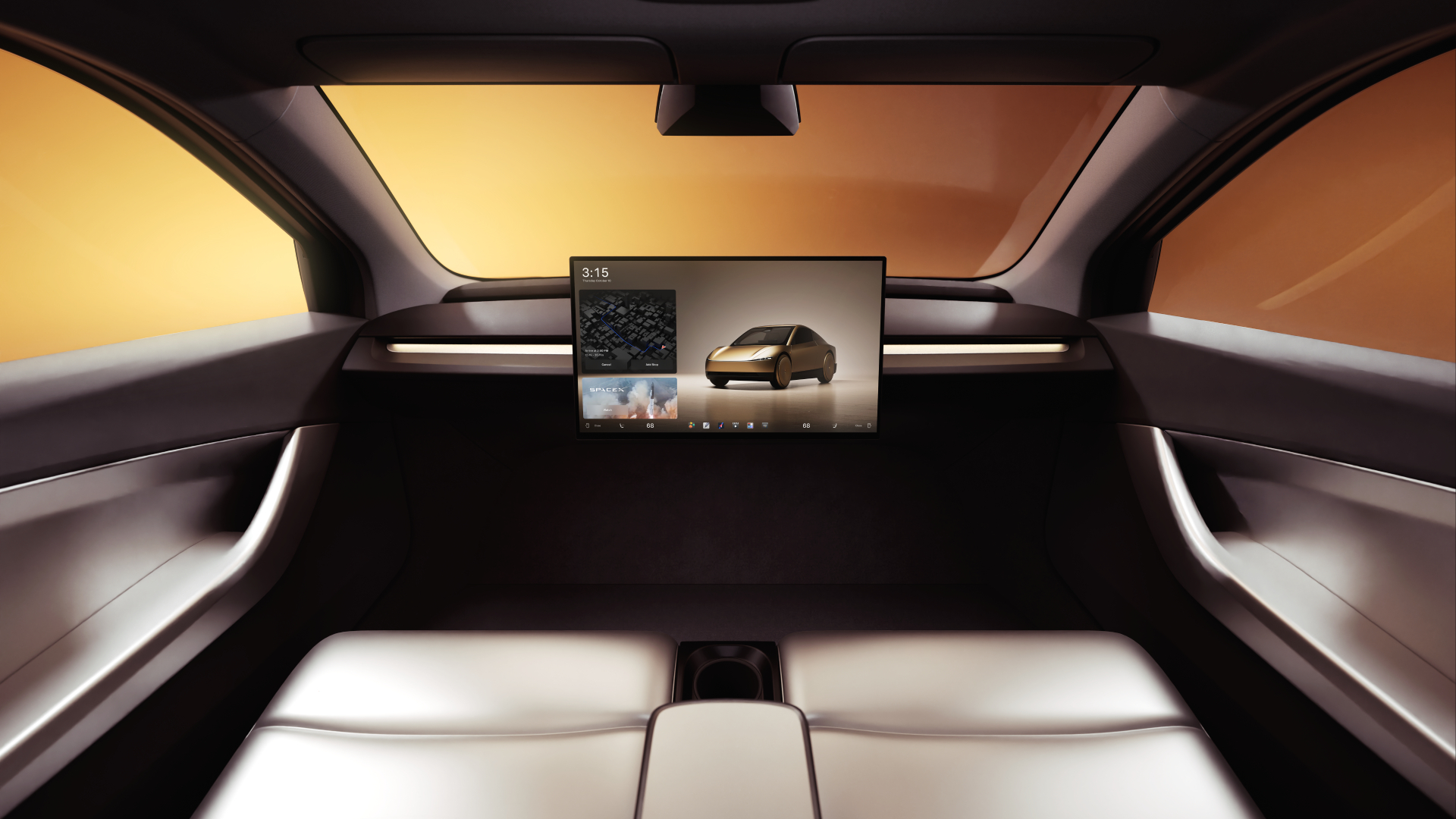
A self-driving car is one that can make decisions and react independently while driving. Examples include braking for a pedestrian, merging onto the highway and responding to other traffic situations. The car “sees” its surroundings through a combination of navigation, sensors (radar, lidar, sonar) and cameras. Then a computer, often driven by artificial intelligence (AI), processes this information in real time to determine the appropriate action.
Key technologies
An autonomous driving car is full of technologies. First, of course, GPS and navigation software, because that tells the car where it is and where to go. Next, on-board cameras see traffic signs, traffic lights, the lines on the road and other vehicles. Radar detects remote objects and measures their speed. Lidar is a type of radar system, but based on lasers that map the environment in 3D. Sonar is mainly used for short distances, such as when parking. Finally, there is AI and machine learning: the software learns from previous situations and adapts to new ones.
The levels of autonomous driving
There are five levels of autonomy – Level 0 indicates that there is no automation and the driver controls the car entirely by himself.
- Level 1: simple support, such as adaptive cruise control.
- Level 2: advanced assistance – such as lane-keeping assistance and automatic (emergency) braking assistance. The driver still has to actively pay attention and is fully responsible.
- Level 3: The car can drive itself, but the driver must be able to intervene at all times.
- Level 4: largely autonomous driving and car can interpret complex situations. The car can find its own safe spot when conditions no longer lend themselves to autonomous driving.
- Level 5: fully autonomous, without the need for anyone to operate steering wheel or pedals. Man is passenger.
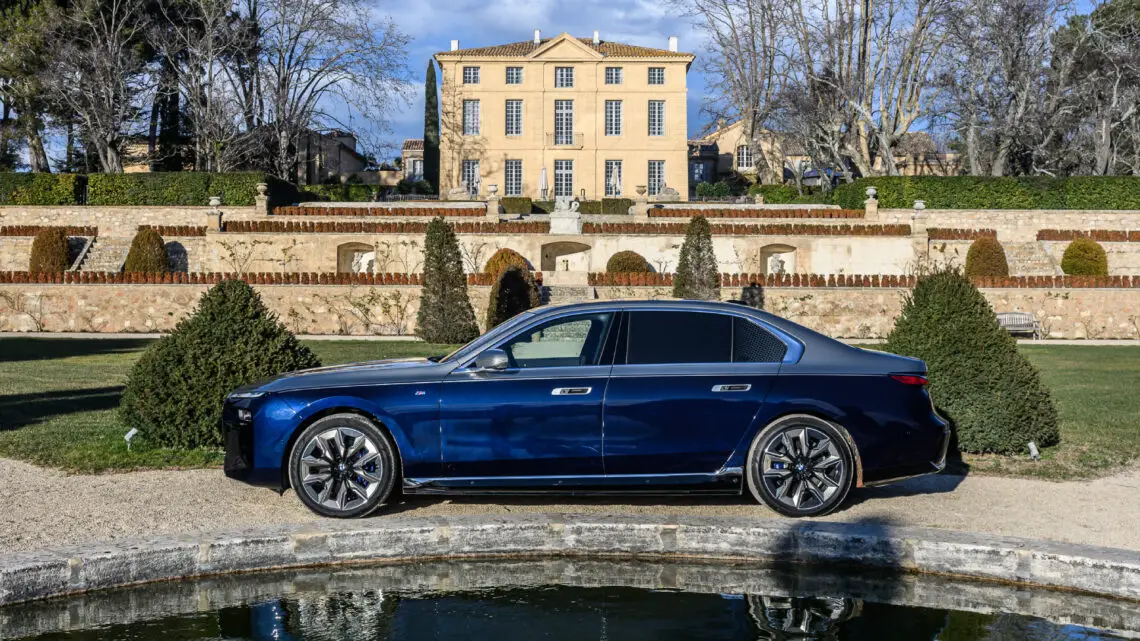
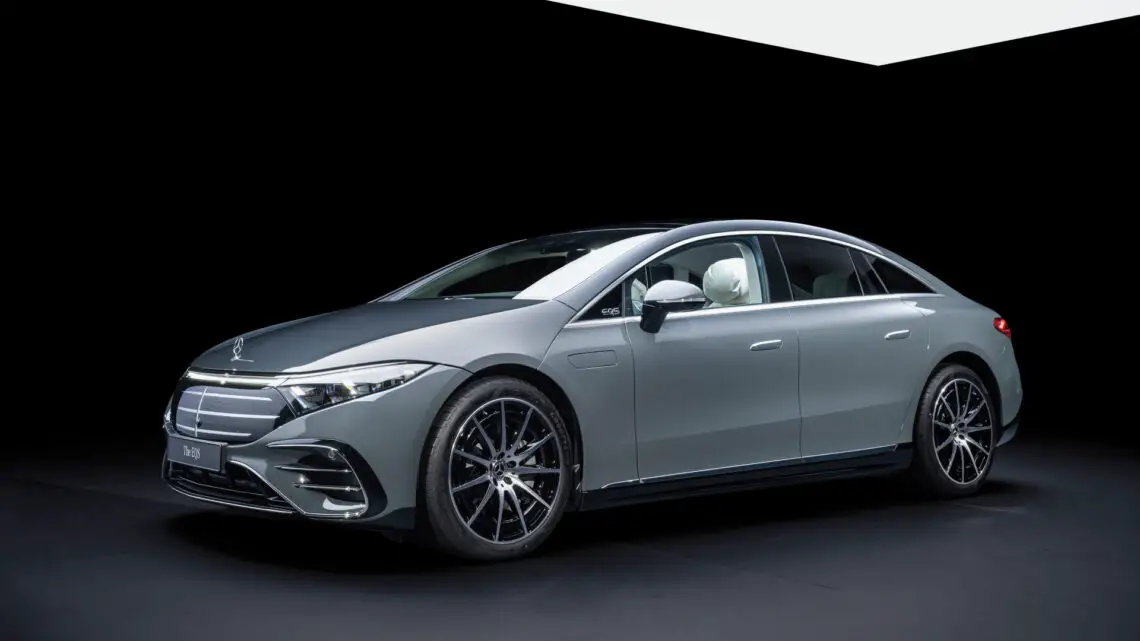
Level 2 is currently prevalent in the Netherlands and Level 3 is slowly being rolled out, but it could take years. Consider cars from brands such as Tesla, Mercedes-Benz and BMW with driver assistance systems. In some cases, there are test models with Level 3 autonomy, such as the Mercedes-Benz S-Class. Level 5 still exists only in test form.
Effects on traffic
Fewer human errors
More than 90 percent of traffic accidents are caused by human error, such as distraction and inattention, fatigue and alcohol. Autonomous vehicles can greatly reduce this margin of error by being always alert and reacting in milliseconds.
Smoother traffic flow
Self-driving cars can “cooperate” better than human drivers. For example, if all cars in a traffic jam were to communicate with each other, they could accelerate at the same time. That reduces traffic jams and shortens travel times.
Less tailgating and ghost traffic jams
Because autonomous vehicles constantly maintain the ideal following distance and do not brake or accelerate abruptly, they can prevent so-called “ghost traffic jams. This type of traffic jam often occurs for no apparent reason, purely due to restless driving behavior.
Risks and challenges
Relying too much on technology
Self-driving cars are not yet flawless. There are cases where systems misinterpreted objects or did not intervene in time. Especially at Level 3, there is a risk that drivers will rely too much on the system, stop paying attention and therefore intervene too late.
Pedestrians and cyclists
The Netherlands is crowded with cyclists and pedestrians. Autonomous vehicles must learn to deal with the unpredictable behavior of these road users. A cyclist who does not extend a hand or drives against traffic, or a child who suddenly runs into the street – it remains difficult for computers to properly assess these situations.
Misunderstandings in traffic
Self-driving cars strictly follow the rules. In principle, this allows them to “cooperate” better. But in practice, traffic is often a matter of interaction and mutual understanding: eye contact, a nod, a hand gesture. Such informal communication is missing from autonomous vehicles, which can cause confusion or unnecessary stops.
Impact on infrastructure
The advent of self-driving cars also affects our roads. Consider the lines, for example: cameras and assistance systems rely on clear lines. But they are not always there. Also, typical Dutch bicycle lanes are a challenge for driving systems. Furthermore, roads must be mapped to the nearest centimeter for digital navigation. In the future, cars will probably be able to communicate with traffic lights and other vehicles (V2X: vehicle-to-everything), and this requires good communication infrastructure. This will require investment from governments and road authorities, especially if the number of autonomous vehicles ever increases.
Practical trials and experiments
Several pilots with self-driving vehicles have been conducted worldwide. In the Netherlands, tests have been conducted with self-driving shuttles, such as the WEpod between Wageningen and Ede, and the ParkShuttle in Capelle aan den IJssel.
Abroad, some tests go a step further. In the United States, Waymo cars (from Google) drive around Phoenix without a driver. In China, Baidu is experimenting with robot cabs in several cities. Initial lessons from these pilots:
- Autonomous vehicles are safe, but currently quite limited in their area of deployment.
- Snow, rain and crowded urban situations remain difficult for self-driving cars.
- The reliability of autonomous driving cars grows with each year of experience and data collection.
As a driver, how do you deal with a self-driving car?
For now, it will be a few decades before truly self-driving cars take to the roads. Should the time come, here are some tips. Do you see a driverless car, or one where the driver does not appear to be actively steering? Stay calm and behave predictably. Self-driving cars are programmed to react cautiously. Avoid unexpected maneuvers, as they are poor at that.
Look extra carefully when approaching intersections or traffic circles, especially if you think you are dealing with a test vehicle or Level 3 car. Chances are that such a car will follow the rules in an exemplary manner – and thus will not allow itself to be forced to yield the right of way for a moment, as some human drivers do.
Pros and cons of self-driving cars
Advantages
- Fewer accidents: by avoiding human error.
- More comfort: no stress about traffic jams and parking.
- More efficient traffic: better flow and fewer emissions.
- Mobility for all: including the elderly and people with disabilities.
Cons
- High cost: the technology is still expensive.
- Limited employability: in complex situations, humans often still need to provide solutions.
- Technical failures: no system is 100% reliable.
- Legal issues: who is liable in an accident?
Are self-driving cars already for sale?
Fully autonomous driving cars (Level 5) are not yet for sale. But many modern cars already offer Level 2 (and some Level 3) features. For example, the Tesla Model S/Model 3 with Autopilot and Full Self-Driving. Also consider the Mercedes-Benz S-Class and EQS with Drive Pilot (allowed at Level 3 in Germany) and the BMW i7 with advanced driving assistance. The Audi A8 is already equipped with Level 3 preparatory technology.
Tesla’s Full Self-Driving is not yet approved as an autonomous system in Europe, but it is continuing to be rolled out.
A new traffic image
Self-driving cars are changing traffic. They promise greater safety, comfort and efficiency, but also bring challenges: legal and practical. The transition from human drivers to autonomous systems still takes years, but there is no doubt the traffic picture will be different in the future.