
How does winter affect your car insurance?
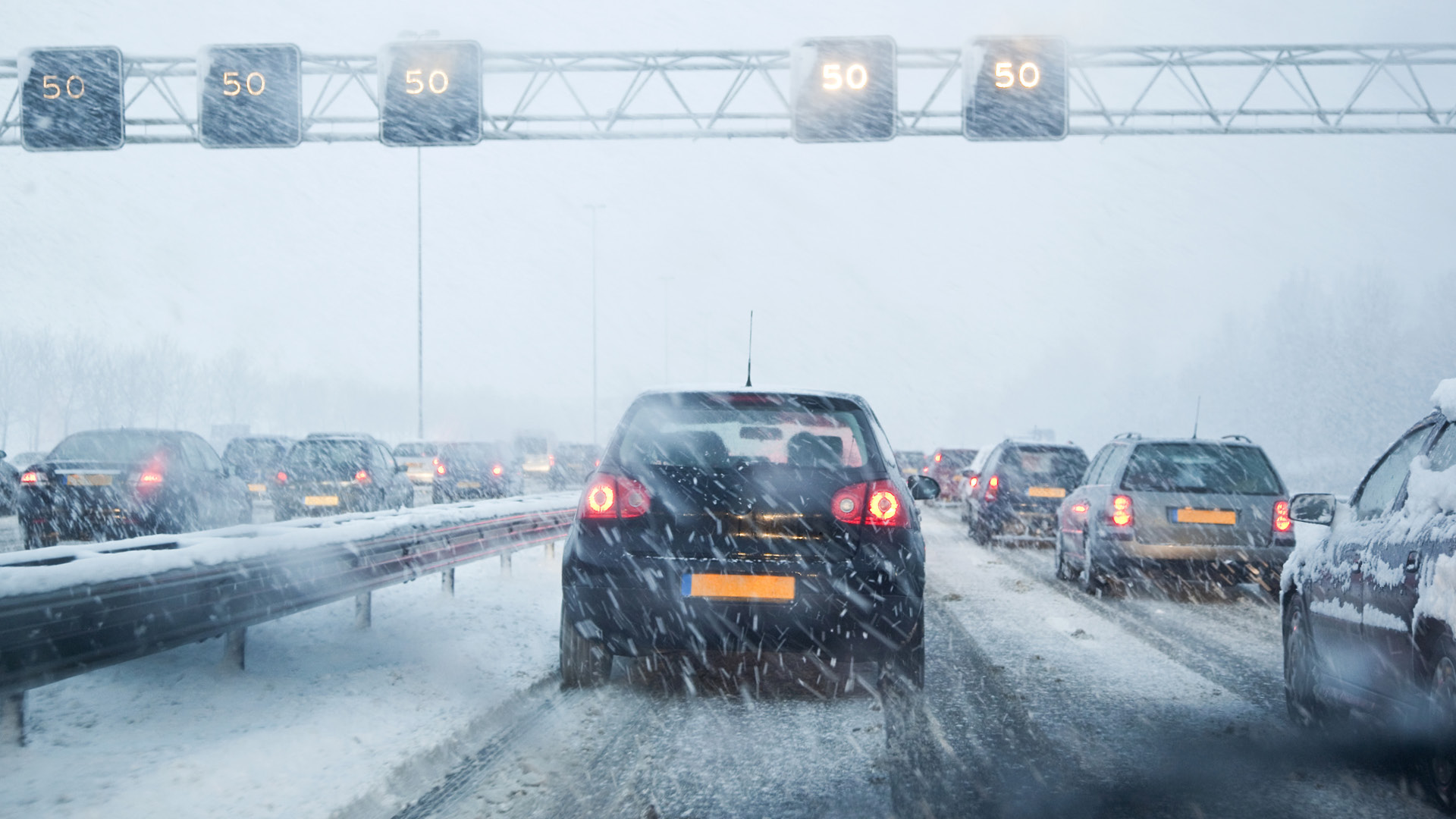
On days with persistent frost and snow, the number of accidents increases enormously. Not only Rijkswaterstaat, for example, reported that it received a report almost every minute, insurance companies are also raining claims for damages due to the winter conditions. But which winter damages do you pay for out of your own pocket and which are reimbursed?
What does your car insurance cover in winter weather?
Whether winter damage is covered depends on your insurance. With only third-party insurance, you have limited protection. It only covers damage you cause with your car to others. Do you slide through a curve and end up with a bent wheel because of the curb you just drove into too fast, or do you end up in a ditch? Then you pay for it out of your own pocket….
This is different with limited or full hull insurance. Damage caused by storm, hail and windshield damage is usually covered and the nice thing is that this type of damage usually does not affect your claim-free years, or your no-claim discount.
Skids and snowballs
Many typical winter damages to your own car are only covered by comprehensive insurance. Think damage from skidding, a collision on a slippery road or that one clumsy move that just caused you to slide off the road. Even damage from brine or a collapsed roof due to snowfall is covered. That sounds good, but there is a downside. If you make a claim, it does usually cost you claim-free years. So sometimes it’s smarter to pay for minor damage yourself.
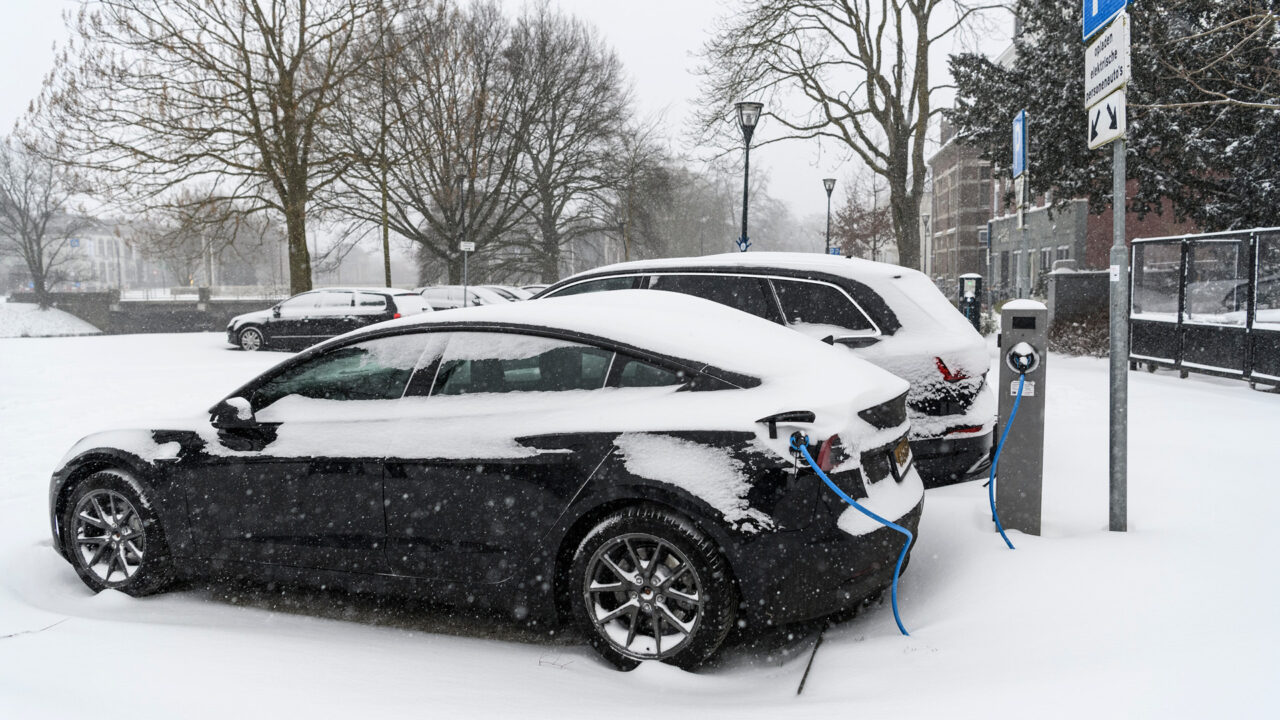
Then this. A snowball fight brings out your inner child and may seem harmless, but it can cause damage to your car. Should this have been done on purpose, that also falls under the coverage of your comprehensive insurance, unless you can recover damages from the snowball thrower. Speaking of that inner child, should someone up to the age of 14 have thrown the snowball, you can often turn to the parents’ liability insurance.
Breakdown on the road is … bad luck?
Not only damage, but breakdowns are more common in winter. Dead batteries, starting problems and frozen doors cause top pressure at the ANWB and other roadside assistance services as soon as it freezes. What you will and won’t be helped with varies by provider. Being stuck in snow or mud is often excluded from roadside assistance, but can sometimes be covered by your car insurance. Also note the coverage area of your roadside assistance, depending on your ambitions to go winter sports, for example.
Are you allowed to drive in weather warnings?
In extreme weather conditions, KNMI can issue code yellow, orange or red. Code red means an official weather alarm – and we would stay home anyway. Yet in principle, you can continue to drive on the road. As long as you drive normally and carefully, your insurance remains valid.
However, they do look extra closely at your driving habits and the way you participate in traffic. For example, driving with poor visibility can cost you dearly. Those who do not clear their windows properly risk a fine of 310 euros. Are the outside mirrors also frozen or fogged up? Then that’s another 190 euros on top. What a waste of your 13th month.
Are winter tires mandatory or not?
Contrary to what you might think in winter conditions, winter tires are not mandatory in the Netherlands. Not even with snow or sleet. The lack of winter tires makes no difference in terms of liability after an accident in our cold little country. For your own safety, however, it is of course useful to have good winter tires.
This is different abroad. In countries such as Germany, Norway, Sweden and Finland, winter tires are mandatory during certain periods. Do you drive there without winter tires and get involved in an accident? Then the insurer can claim that you are “grossly negligent,” as it is so nicely called. In that case, a claim payment may be denied, even if the accident was not your fault. So you then become responsible for your own damages because you did not have winter tires.
Here’s how to reduce the chances of winter problems
A few simple measures already make a difference. Rather than putting your car on the handbrake in freezing weather to prevent freezing, put it in first gear. Make sure there is enough anti-freeze in the cooling system and don’t forget to put a good ice scraper in your car – or have one at home. Pouring hot water over the windows seems convenient, but can actually cause cracks. Oh, and this method of defrosting is not optimal either:
Also check your windows for star holes. In freezing weather, these can suddenly tear through, and your door rubbers will remain more flexible if you treat them with, for example, greasy agents such as Vaseline or silicone spray.
With these tips, you can be well prepared to hit the road in winter conditions. However, if it is not necessary to hit the road, we would advise you not to hit the road. After all, an accident is in a small corner. Whether that’s a slightly too enthusiastic handbrake turn or a snowball….