
EV charging with 1,500 kW fast charger: soon in Europe, BYD promises
Power outputs up to 1,500 kW through a single connection
The new charging technology, according to BYD, enables power outputs of up to 1,500 kW through a single connection. Combined with the updated Blade Battery 2.0, a charge from 10 to 70 percent could take about five minutes. A charge from 10 to 97 percent takes about nine minutes, according to the manufacturer. Even at low temperatures, charging speed should remain high. BYD reports that at an outside temperature of -30 degrees Celsius, a charge from 20 to 97 percent could take about 12 minutes.
Second Generation Blade Battery
The second-generation Blade Battery is the basis for these charging speeds. The battery uses lithium iron phosphate (LFP) cells and was developed after six years of research, according to BYD. The manufacturer says it succeeded in improving both energy density and charging speed. Energy density is said to have increased by about five percent, enabling a driving range of more than 1,000 kilometers, according to China’s CLTC measurement method.
According to BYD chief Wang Chuanfu, electric car charging speed remains an important factor for consumers. During the presentation in China, he stated that further improvement in charging times and performance at low temperatures is needed to convince a wider group of motorists to drive electric.
‘FlashPass’ ion transport system
The Blade Battery 2.0 uses a so-called “FlashPass” ion transport system. This consists of several technical modifications to the cathode, electrolyte and anode of the battery. The cathode has a structure with different particle sizes, allowing lithium ions to be released faster. The electrolyte has been optimized using AI to enable higher ion conductivity. The anode contains a three-dimensional structure that enables faster uptake of lithium ions.
Less resistance
These modifications would reduce the internal resistance in the battery, which BYD says reduces heat generation during charging. At the same time, changes have also been made to the structure of the electrodes and the orientation of graphite particles. This should further accelerate the transport of lithium ions and contribute to the higher energy density.
Solid Electrolyte Interphase
Another technical change concerns the so-called Solid Electrolyte Interphase (SEI), a protective layer in lithium-ion batteries. According to BYD, this layer has been made thinner in the Blade Battery 2.0 for better ion conductivity while maintaining chemical stability. The battery is also said to have a mechanism that can repair minor damage in this layer.
No fire
BYD claims the improvements have not come at the expense of safety and longevity. During tests, the battery is said to have passed, among other things, a simultaneous fast charge test and a so-called nail penetration test without thermal runaway, smoke or fire. Similarly, a test in which four battery cells were short-circuited simultaneously would not have resulted in a fire or explosion, even at temperatures above 700 degrees Fahrenheit. In addition, battery capacity degradation would have been reduced by about 2.5 percent compared to the first-generation Blade Battery.
New type of charging station: Flash Charger
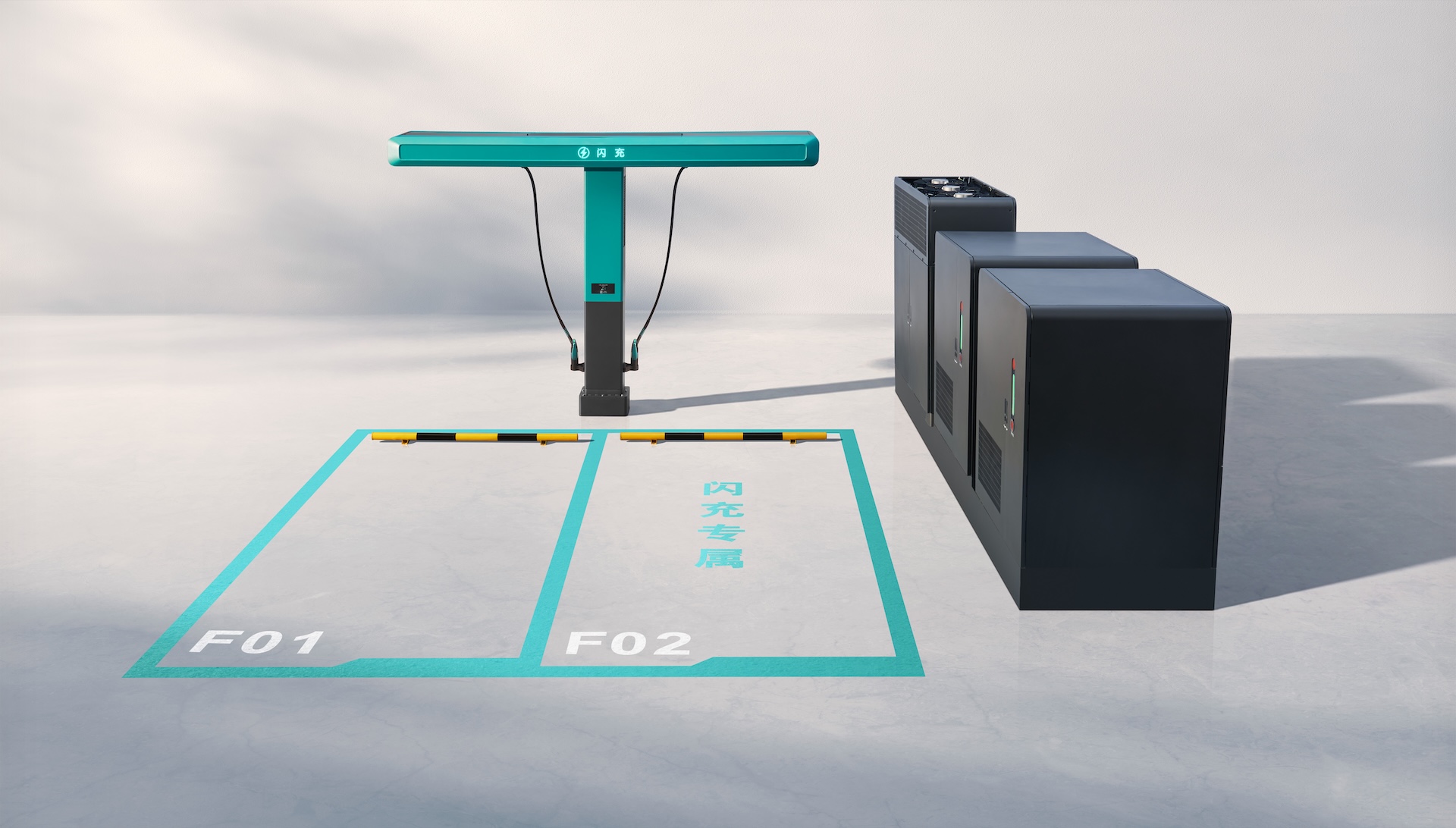
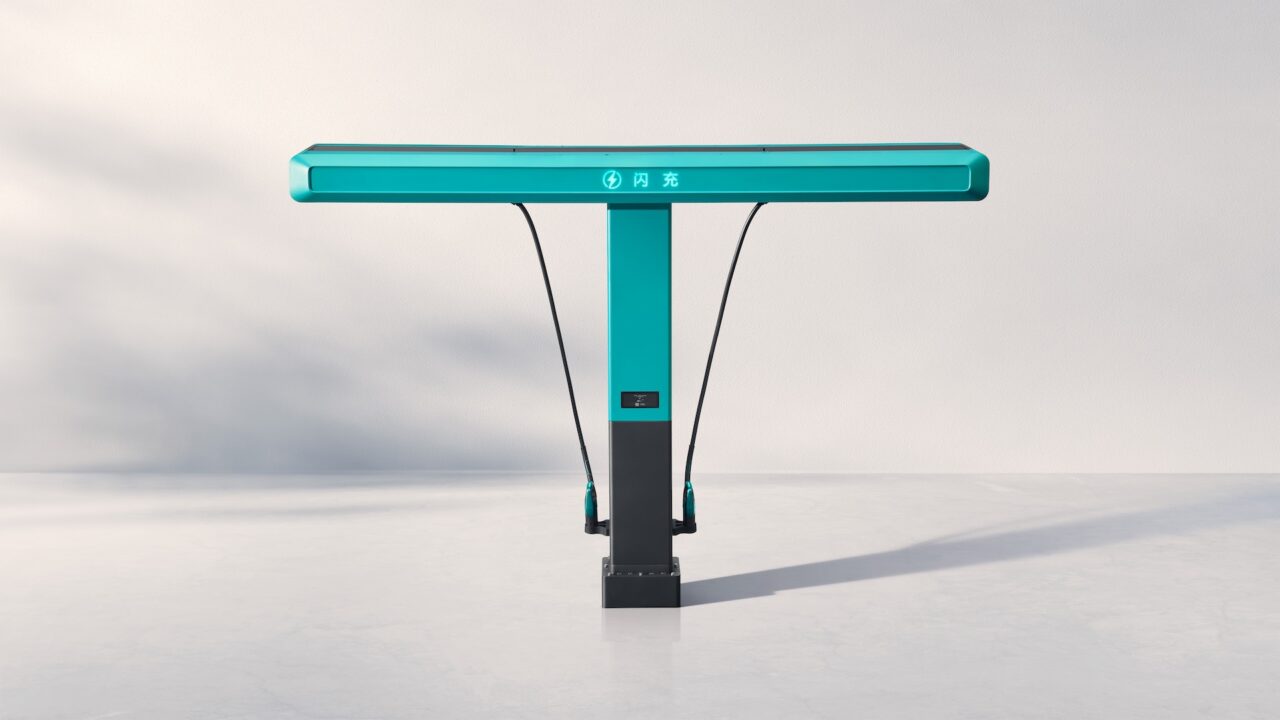
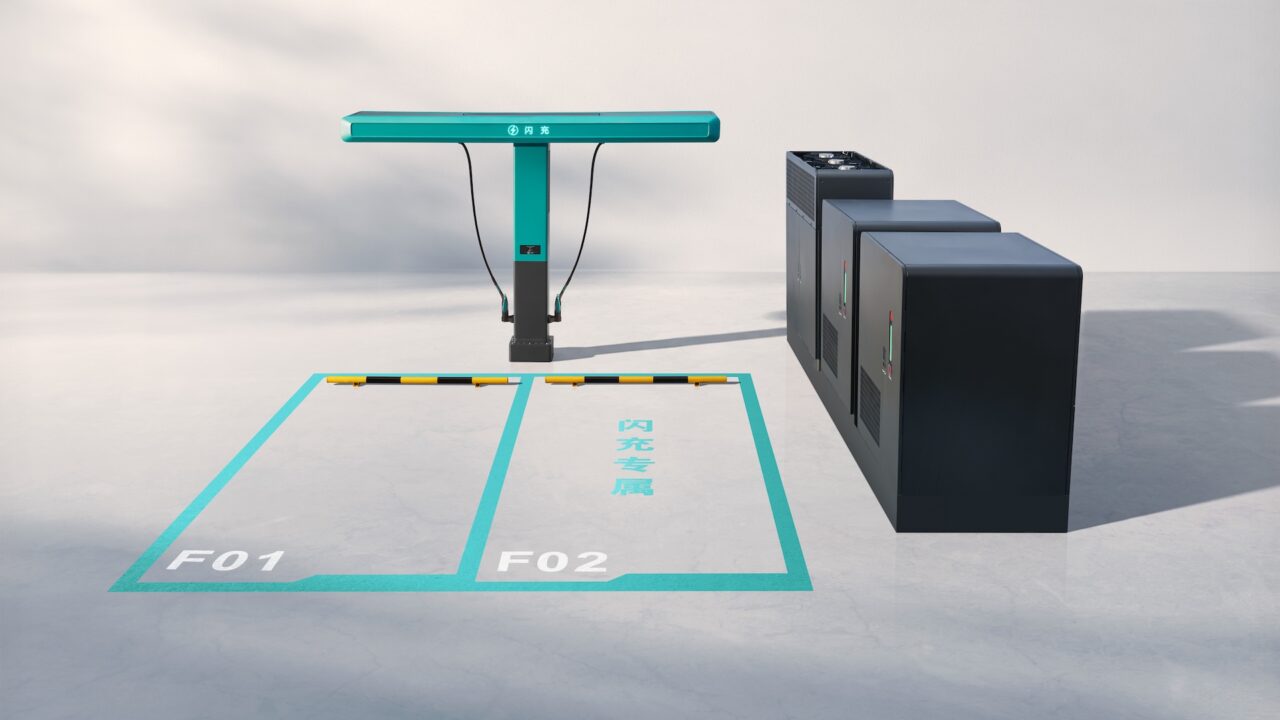
In addition to the battery, BYD is also introducing a new type of charging station. According to the manufacturer, the Flash Charger can deliver up to 1,500 kW and has a T-shaped construction where cables and connectors hang above the vehicle. This reduces cable contact with the ground, which BYD says makes it easier and more hygienic to use. The cable is routed through a rail system and pulley mechanism, which should make connecting the car feel lighter.
To enable the high charging capacities, the charging station is combined with an energy storage system. This battery is charged more slowly and can then act as an energy reservoir during fast charging of vehicles. According to BYD, this can help bypass grid limitations and avoid peak loads.
4,239 Flash Charging stations already in use today
In China, BYD has now installed 4,239 of these Flash Charging stations, measured as of March 5, 2026. The company expects that number to reach about 20,000 locations by the end of the year.
Denza Z9GT
The first car to use the new battery and charging technology is the Denza Z9GT, an electric shooting brake from premium brand Denza, which is part of BYD. This model should be the first to appear on the European market with the new technology. Details about the European specifications of this car will be announced later, according to BYD. The company additionally indicates that the new Flash Charging stations should eventually become available outside of China. Further information on the international rollout will follow at a later date, according to the manufacturer.