Choose the best charging cable for your car
Why the right charging cable is important
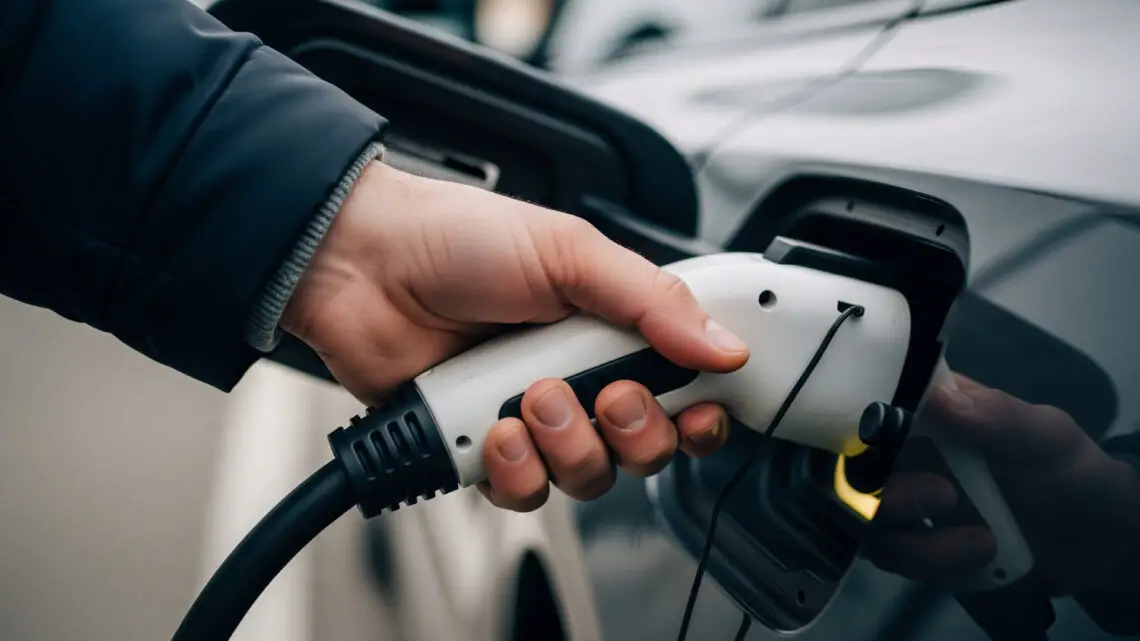
Electric and plug-in hybrid cars have specific requirements for charging. Consider the type of plug, the maximum charging capacity in kW, and the method of charging (1-phase or 3-phase). If you use the wrong charging cable, charging can take much longer or not work at all. At worst, an unsuitable cable can overheat, causing a fire hazard and/or damage.
A proper charging cable ensures that your car receives power safely and efficiently. It prevents unnecessary energy loss and limits wear and tear on both the cable and your car’s charging connector.
Is a charging cable always included?
Many new electric cars and plug-in hybrids come with a charging cable as standard. That can be a cable for charging via a regular wall socket at home, for example (Mode 2 cable) or a cable for charging posts (Mode 3, charging post at home and public charging posts). But this is not always the case. Some brands only supply a cable for home charging, while for charging at public charging stations you have to buy an additional cable yourself. Also, the included charging cable may be shorter than you are comfortable with in practice – or too short anyway.
Consequences of the wrong charging cable
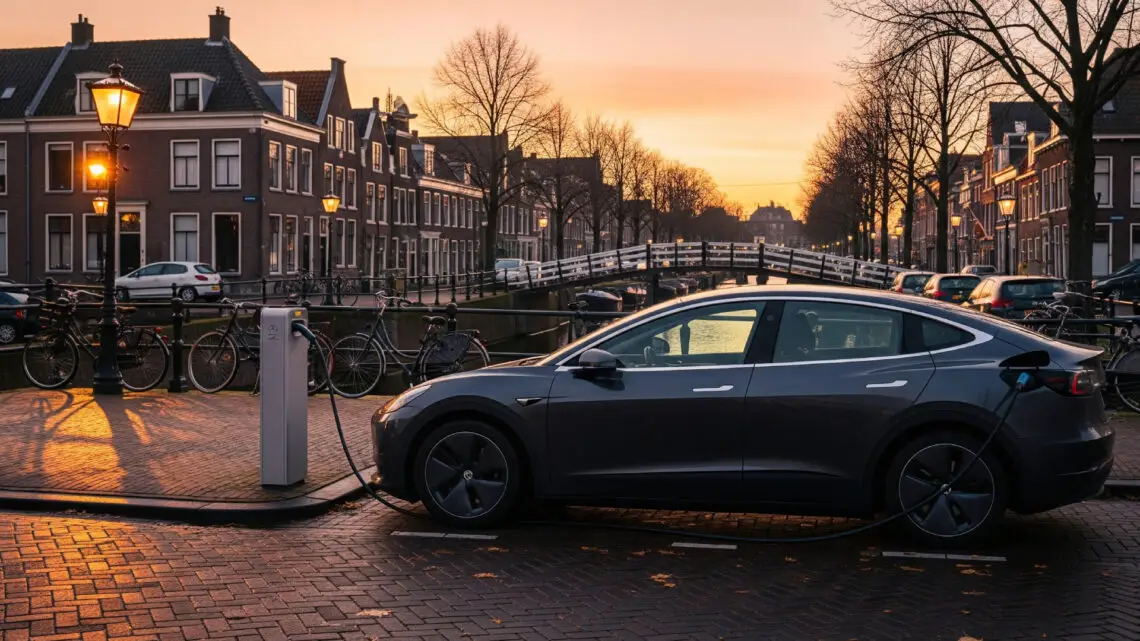
With the wrong charging cable, you may suffer from:
- a lower charging capacity: your car will then charge the battery only slowly
- no connection: the plug does not fit or the communication between car and charge point does not work
- safety risks: overloading can lead to overheating, fire and damage
- awkward to use: cables that are too short or stiff make charging difficult
What to look for when choosing a new charging cable
Many people think it’s just about the right plug and connection, but there are more factors:
- type of plug on the car side: in Europe, Type 2 (Mennekes) is the standard; older models or imported cars may have Type 1
- type of plug on the charging station side: public charging stations usually have a Type 2 connector.
- maximum charging power: check whether your car supports 1-phase or 3-phase charging and what power (e.g. 11 kW or 22 kW); adjust your choice of charging cable accordingly
- cable length: cables usually range in length from four to eight meters; a longer cable offers more flexibility but is heavier and more difficult to store
- cable thickness and quality: a thicker cable can pass more current without overheating
- flexibility and weather resistance: choose a cable that remains flexible even in cold weather and can withstand rain and sunshine
- storage and portability: a convenient storage bag or reel prevents the charging cable from kinking and wearing out
Buy new cable from brand dealer or elsewhere?
The brand dealer can always supply you with the exact cable that fits your model. The downside is that the price at the dealer’s is often higher, but then you have more assurance of quality and any warranty and service. There are also specialized charging accessory suppliers who claim to offer quality equivalent cables at a lower price. But if you know what specifications your cable must meet and you find exactly that cable, you can safely buy from another provider. Also, do always check that the cable meets European safety standards (CE mark) and the vendor offers a warranty.
What does a charging cable cost?
The price of a charging cable depends on its length, type, quality and charging power. For a standard 1-phase charging cable, you often pay between 150 and 250 euros. A 3-phase cable with 22 kW charging capacity usually costs between 200 and 350 euros. Special, extra long or extra flexible cables can be even more expensive.

Types of charging cable and their application
There are several types of charging cable for electric and plug-in hybrid cars.
- Mode 2 cable: for charging from a regular wall outlet. Often included with the car. Charges slowly (2.3 kW) and is mainly an emergency solution or for occasional use.
- Mode 3 cable: for charging stations both at home and from public charging stations. Suitable for 1-phase or 3-phase charging, with higher powers up to 22 kW.
- Type 1 charging cable: for cars with a Type 1 connector (especially older and American models).
- Type 2 charging cable: the European standard for almost all new cars.
- CCS (Combined Charging System): for fast charging with direct current (DC). These cables are attached to the fast charger, so you don’t need to buy them yourself anyway.
- CHAdeMO: an older Japanese fast-charging standard, mainly in use with brands such as Nissan and Mitsubishi. Such cables are also always attached to the charging pole.
Different charging cables for different charging spots
So depending on where you charge, you may need a different cable.
- Home charging via wall outlet: Mode 2 cable, slow charging, suitable for occasional use.
- Home charging via fixed charging station: Mode 3 cable with correct phase (1 or 3) and charging power.
- Public charging stations: Mode 3 cable, often 3-phase for faster charging.
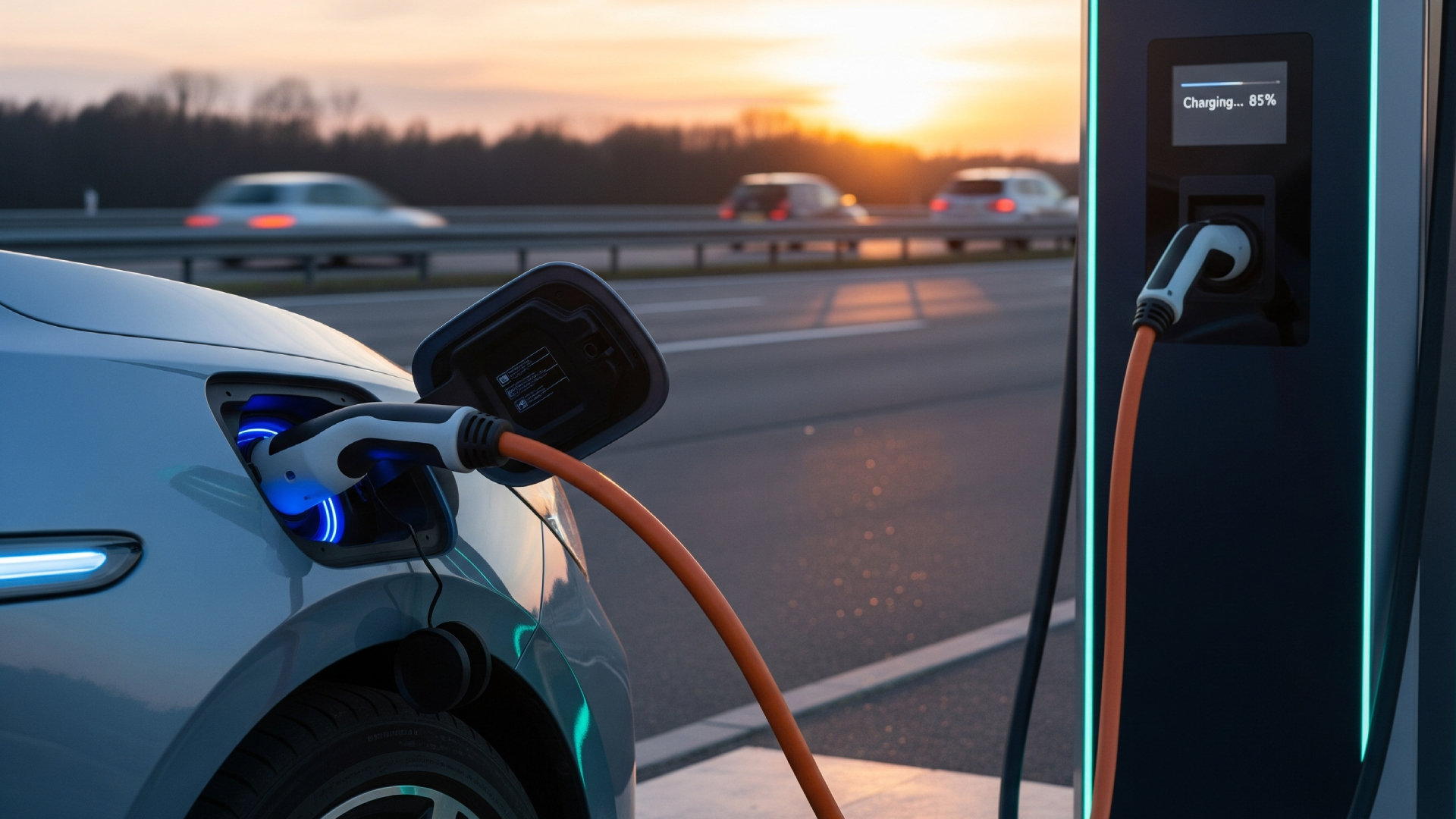
- Highway fast charging: no need for own cable, cable is attached to the fast charger.
Additional tips when choosing a charging cable
Consider the future: if you have a 1-phase car now, but may buy a 3-phase car later, a 3-phase cable may be a smart investment. A 3-phase charging cable can be used to charge a 1-phase car, but the charging speed is then limited to the maximum charging speed of the 1-phase car. The 3-phase cable cannot utilize the extra phases and the car charges only on the available phase.
Rather, choose a slightly longer cable than you think you’ll need; that avoids hassles if your charging point is hard to reach. Also, invest in a good quality cable, even if it costs more. It’s all about safety and reliability.
Choose deliberately
Choosing the right charging cable for your electric or plug-in hybrid car requires more than just finding the right plug. You need to pay attention to power, phase, length, quality and ease of use. The brand dealer is a safe choice, but there are also reliable alternatives provided you know what you need. That way, you can make sure you can always charge safely, quickly and without problems – wherever you are.