Review – Jaecoo J7 (2025) – First Introduction
The number of new brands introduced to the Dutch market in recent years has been uncountable on one hand for some time. Now another one has arrived: Jaecoo. We were first introduced to this brand earlier this year in China. That’s where Jaecoo comes from, after all. By the way, the name is pronounced “djeekoe”.
Price and positioning Jaecoo J7
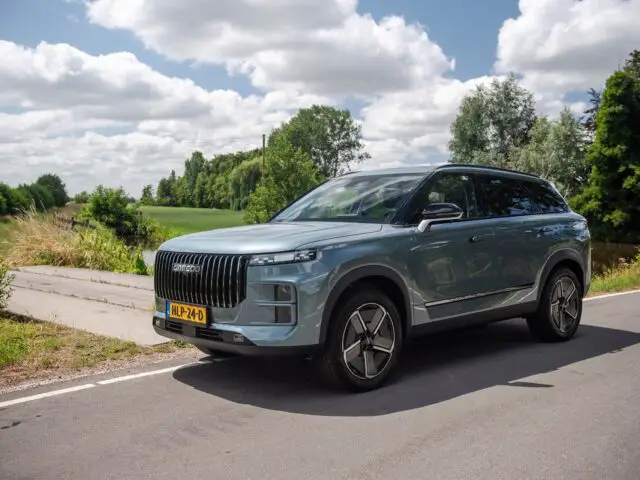
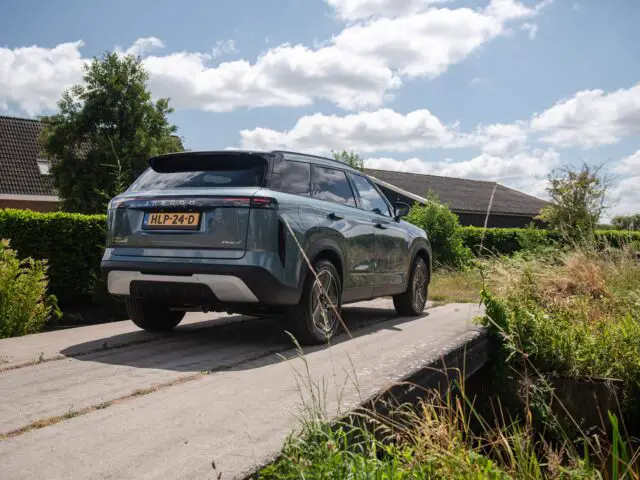
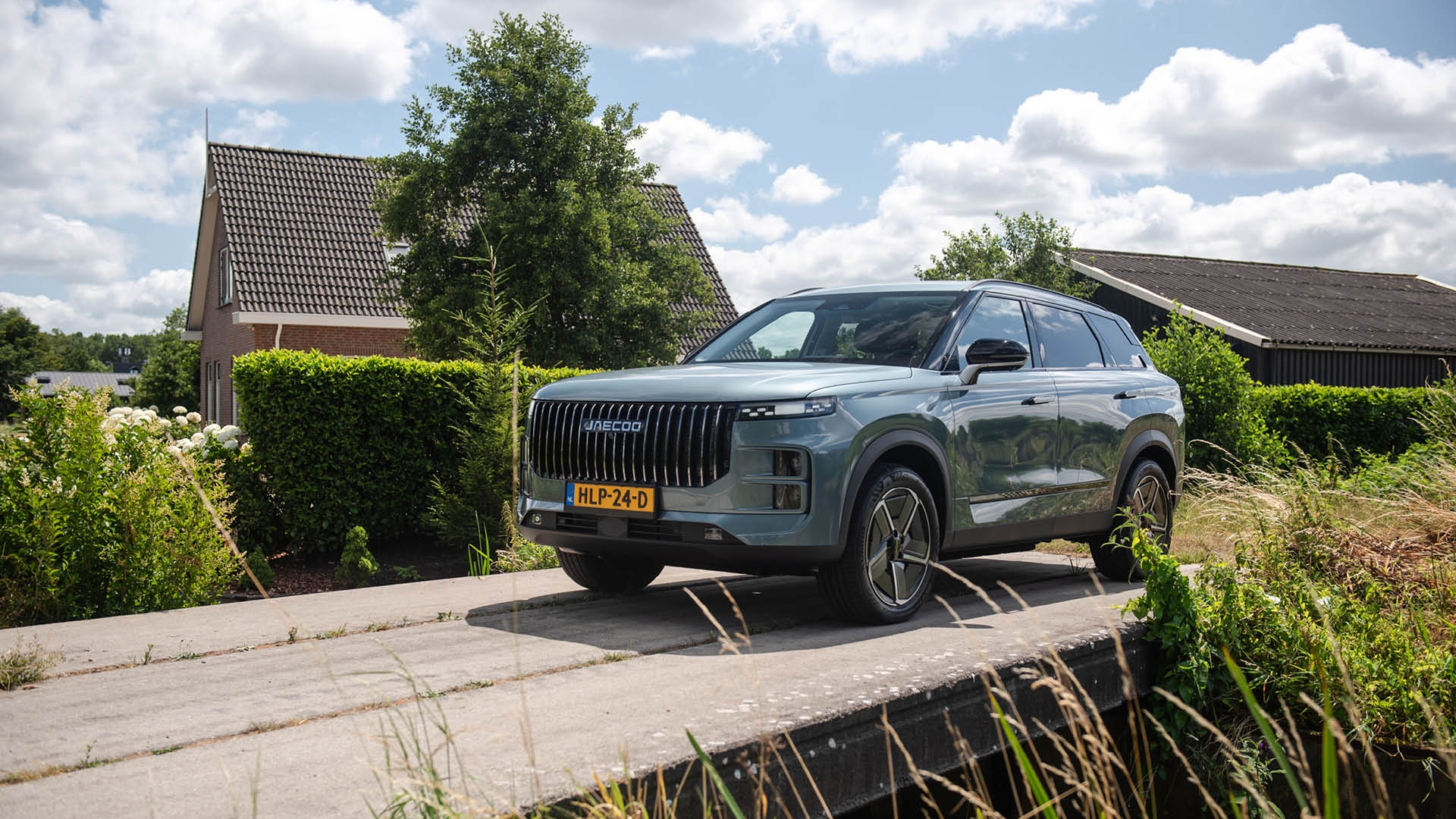
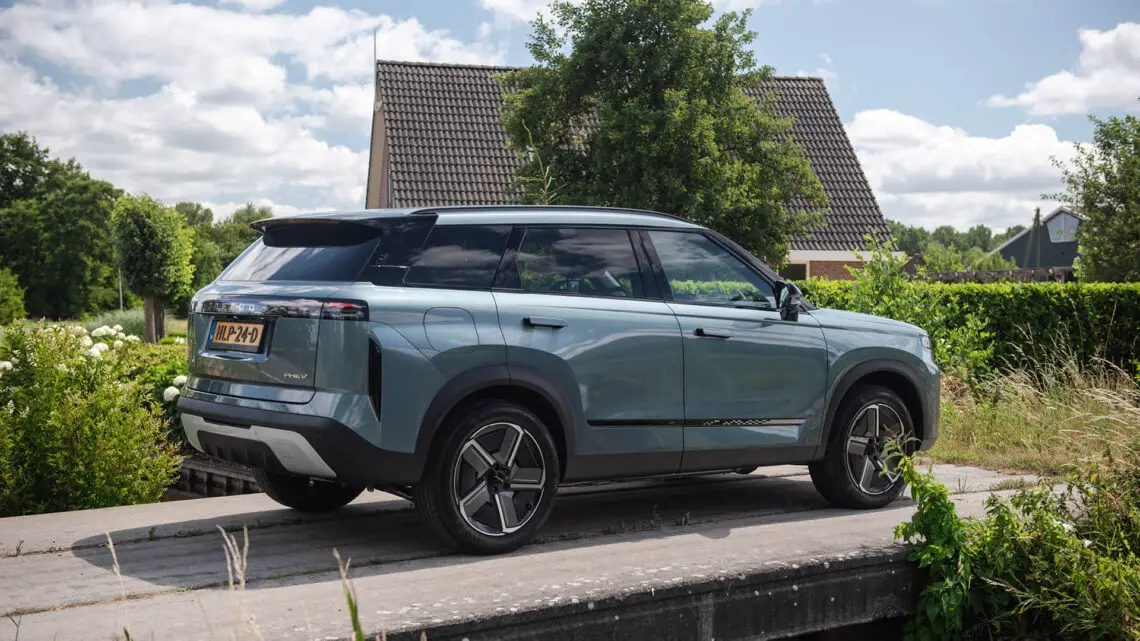
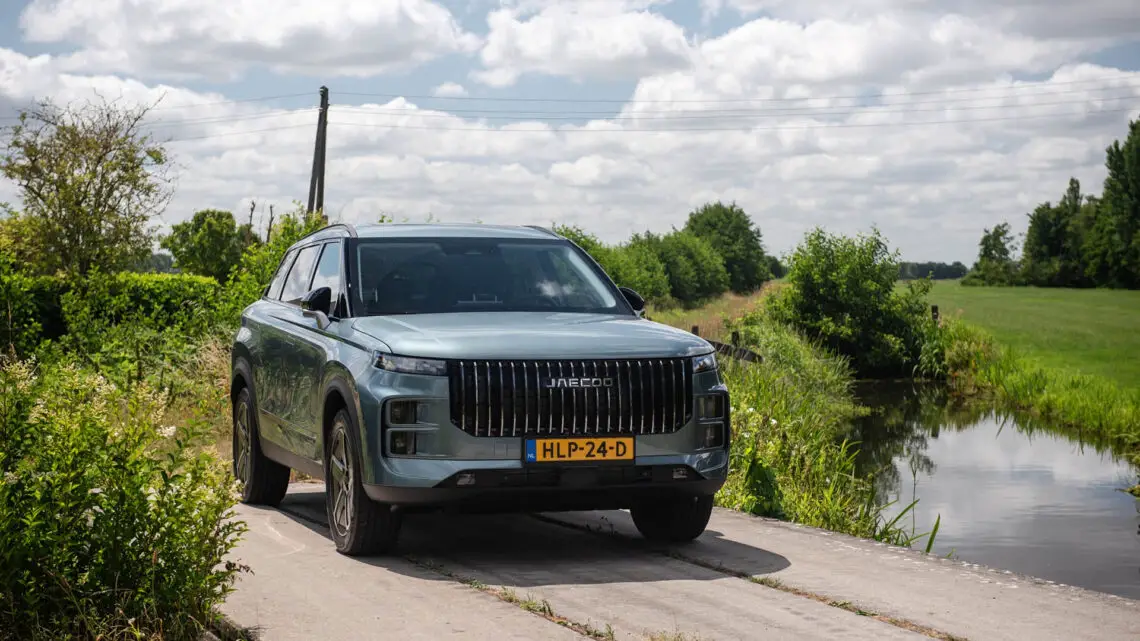
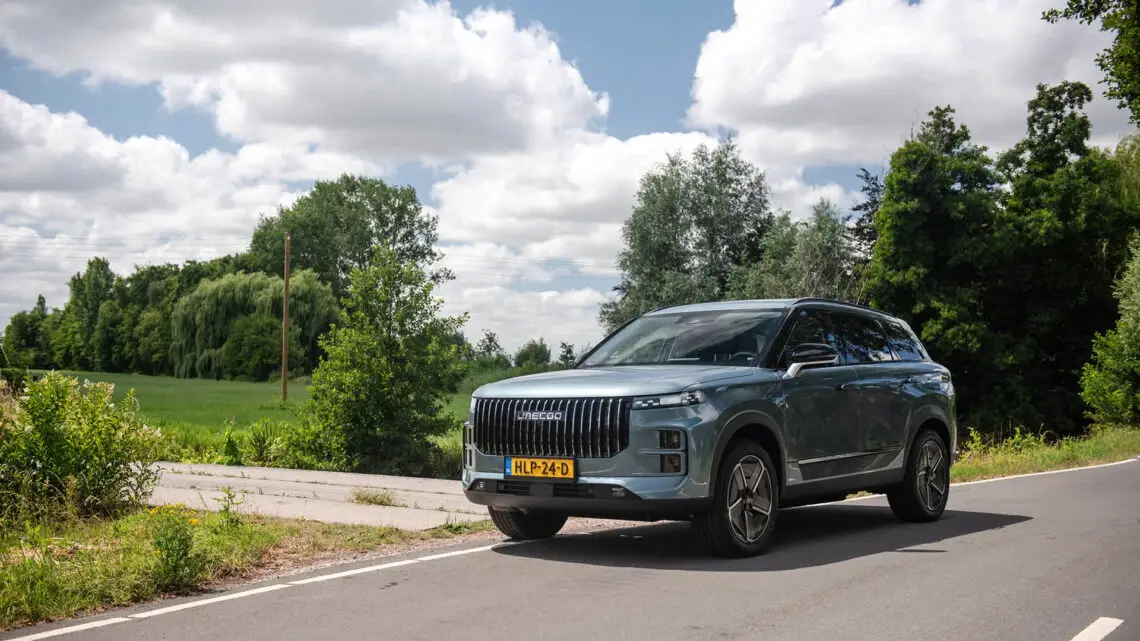
In that first introduction, we looked at the compact J5; this review focuses on the Jaecoo J7. The J7 is a five-passenger SUV about 4.5 meters long. That places it in the so-called C-segment, or the class of the Nissan Qashqai, among others. The J7 is available in the Netherlands from 37,900 euros, which is a competitive price in this segment these days. A slightly more luxurious version costs 39,900 euros.
Equipment Jaecoo J7
For that money, you don’t get a bare-bones car. For example, standard features include 19-inch alloy wheels, keyless entry, faux leather upholstery, electrically adjustable front seats, interior air filter, infotainment with integrated navigation, four USB ports (both A and C) and adaptive cruise control with traffic jam assistant. The more luxurious version adds steering wheel and windshield heating, heated and ventilated front seats, a head-up display, a wireless smartphone charger and a power tailgate, among other features.
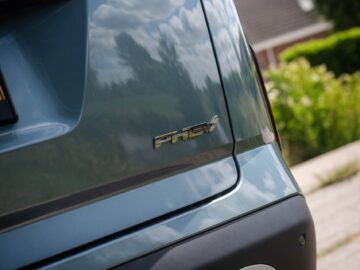
Jaecoo J7 always plug-in hybrid
In the Netherlands, the Jaecoo J7 always comes with a plug-in hybrid powertrain. A gasoline engine and an electric motor together provide 255 kW (306 hp) and 525 Nm of torque. According to factory specifications, it is possible to drive 90 kilometers completely electrically. Together with the gasoline range, a total range of 1,200 km is created, with an average fuel consumption of 6.0 l/100 km.
Impressive use of materials
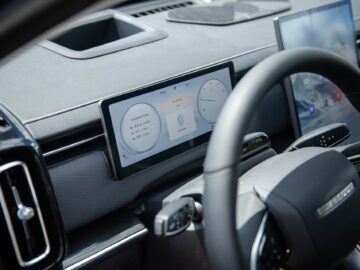
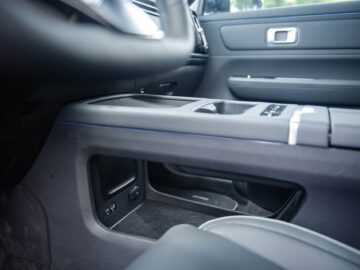
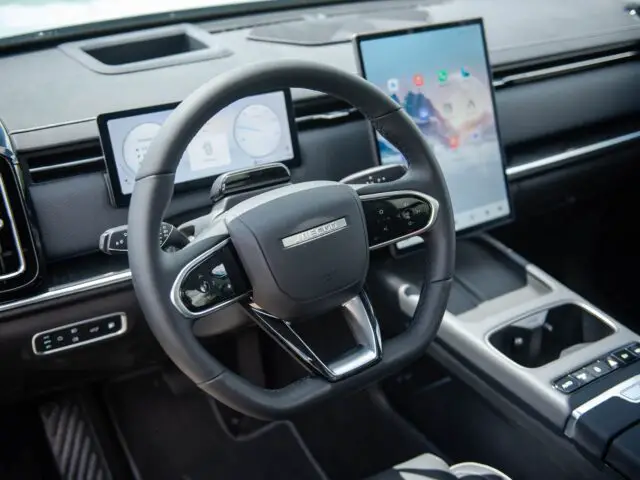
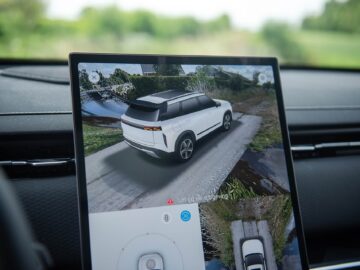
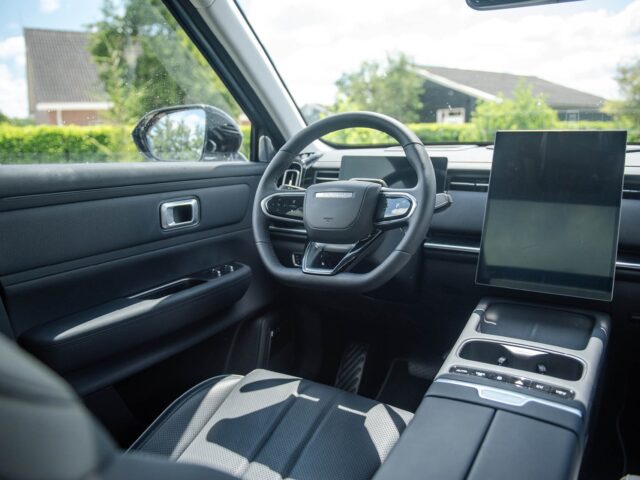
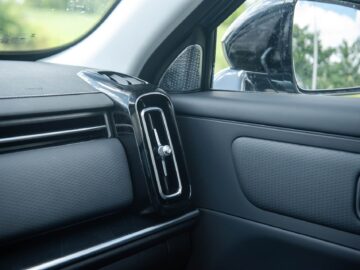
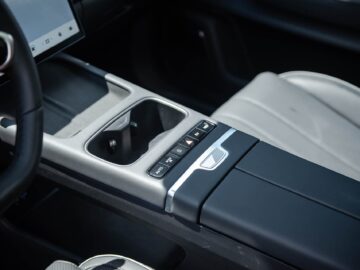
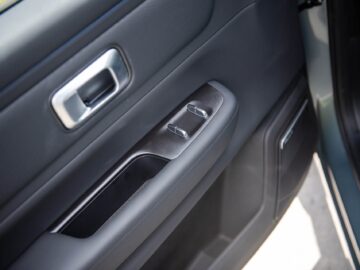
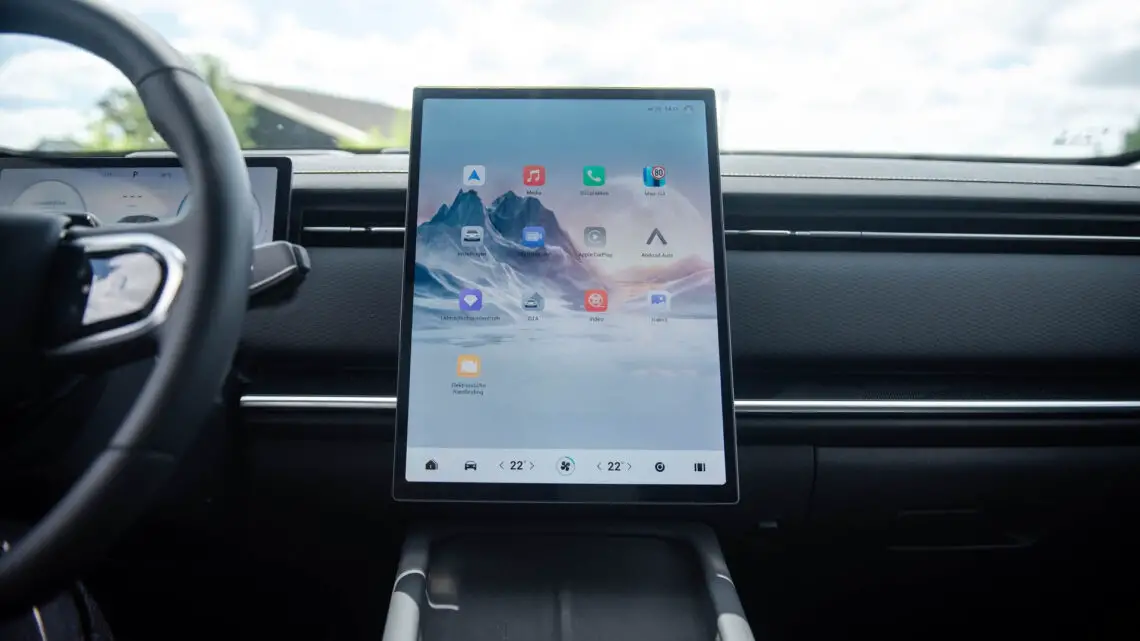
The interior of the Jaecoo J7 looks sleek and uncluttered. True to the latest trends, the number of physical buttons is limited to a few basic functions. By far most of it is controlled via the central 14.8-inch display. Impressive is the interior finish. Everywhere you see beautiful and fine-touch materials. By no means do you feel like you are in one of the “cheapest” cars in this segment, quite the contrary. The interior is also free of rattles or creaks. The seat is a bit on the firm side and could offer more lateral support, but otherwise offers excellent comfort.
Interior and luggage space
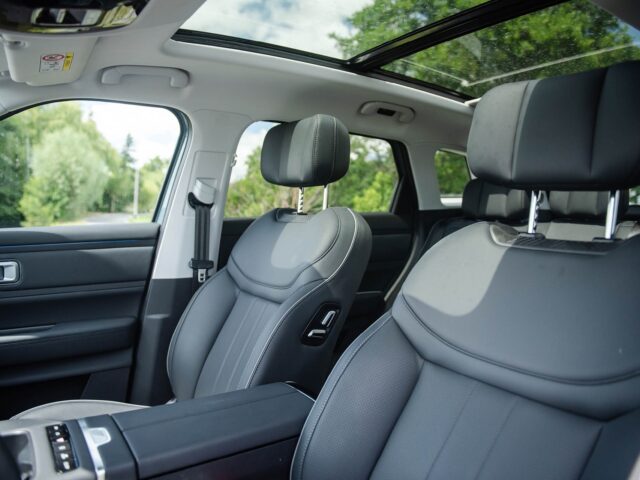
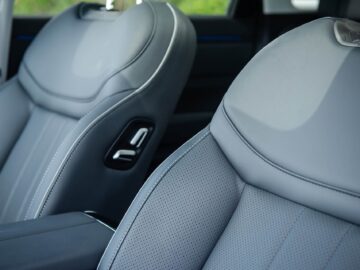
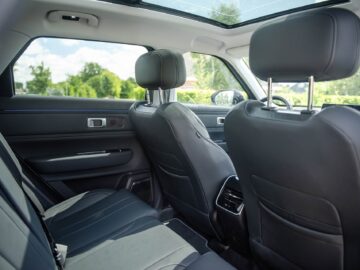
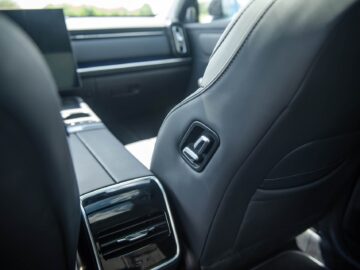
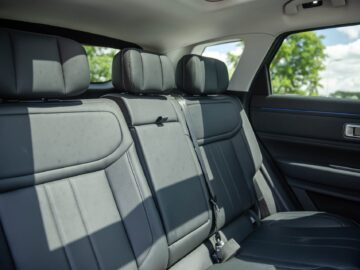
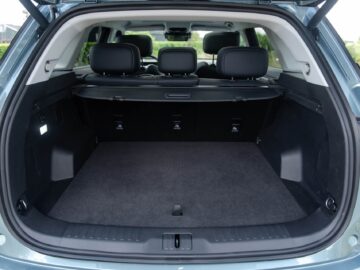
In the back seat, the Jaecoo J7 is nice and roomy, both in terms of leg and head room. We have been in larger cars with less interior space before. Remarkably, you can also adjust the passenger seat from the back seat. Handy if someone was (or is?) sitting there who put the seat too far back. Luggage space is also generous, holding 500 liters or 1,265 with the rear seats folded down.
(No) infotainment in the Jaecoo J7
We can keep this chapter short: the SIM card of the test car had not yet been activated. So we were not able to test the online functions of the infotainment. That includes the navigation, even an offline map was not available. Connecting one’s own smartphone via Android Auto (Apple CarPlay is also there, of course) offered a solution and that does work, but about the connectivity of the car itself we can’t say that much. Offline things, such as menu structure and system speed, are nicely fine.
Lots of “driving assistance
Also in terms of driving assistants, the Jaecoo J7 is richly equipped by default, but those who leave everything on the default settings soon go crazy with beeps. Beep because the speed limit is changing. Beep because you are driving 1 km/h faster than that limit. Beep because you are close to the lane edge. Beep because you look at the screen to see why it’s beeping again now. By the way, the warning that you are not paying attention also gets you if you just look straight ahead at the road – and often.
Fortunately, there are plenty of ways to customize such “assistance. Besides simply turning off, many systems allow you to set a wider margin and/or ensure that the system only warns visually on the instrument cluster. Saves a lot of anxiety. Specifically Driver Attention Alert, lane keeping assist and speed warning are (required by law) on in abundance every trip, but those systems have a handy hotkey to silence them.
Are the assistance systems otherwise working well? Varying. On the one hand, the lane assistant intervenes subtly and, with the right setting, not even too prematurely. However, the car sometimes suddenly “sticks” to one of the lane margins. So does the steering assist with active adaptive cruise control. In turn, the adaptive cruise control does its job well in “normal” traffic, but in congestion traffic it should anticipate the car in front better. It regularly pulls up sharply only to brake just as hard again, for example. That could really be more fluid. And why do the windshield wipers in automatic mode decide that on a sunny day the window should be wiped?
Ride characteristics Jaecoo J7
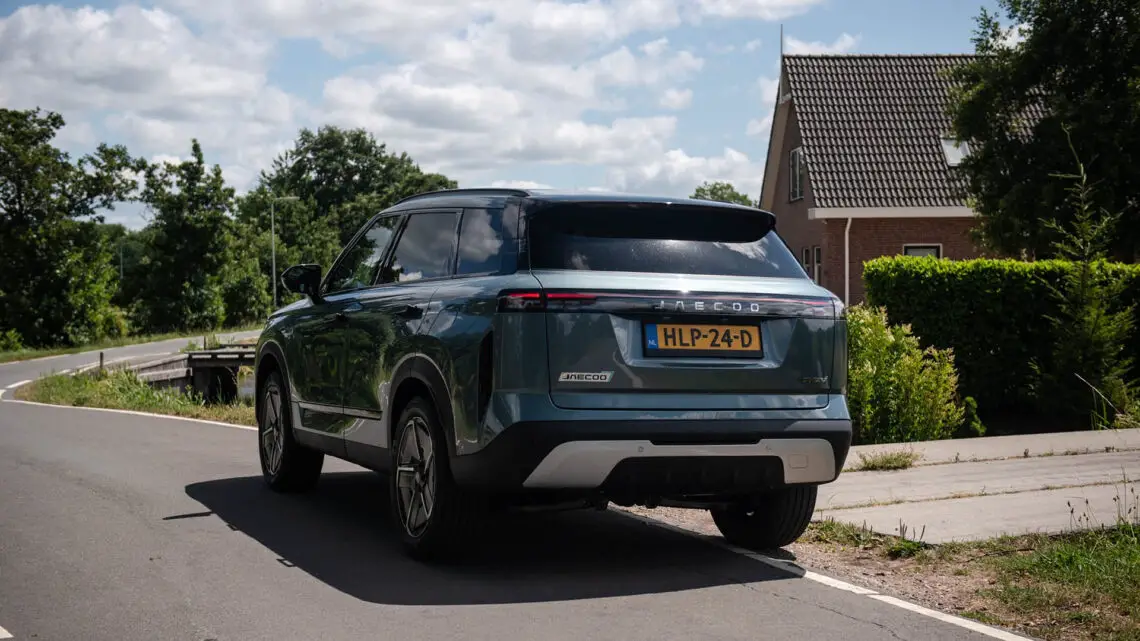
If you turn off the driving assistants before departure (or at least set them to silent), you are left with a car with a driving experience that is just fine. The suspension comfort is perhaps a bit stiff on short bumps, but otherwise pleasant and comfortable. The steering has a fine heaviness. In terms of handling, the J7 may not excel, but it is just fine. While driving, it is also nice and quiet on board. Even when the gasoline engine has to deliver a lot of power, it stays at a soft source. You really only notice whether the engine is active by any driveline display on the central screen.
Practice consumption Jaecoo J7
Of course, how much power or fuel you consume in practice depends on how often you charge and what kind of trips you drive. During the test days, unfortunately, we hardly had any opportunity to charge the Jaecoo J7. So we mainly drove the plug-in hybrid like a regular hybrid. On the other hand, this allowed us to test the practical consumption at its most unfavorable.
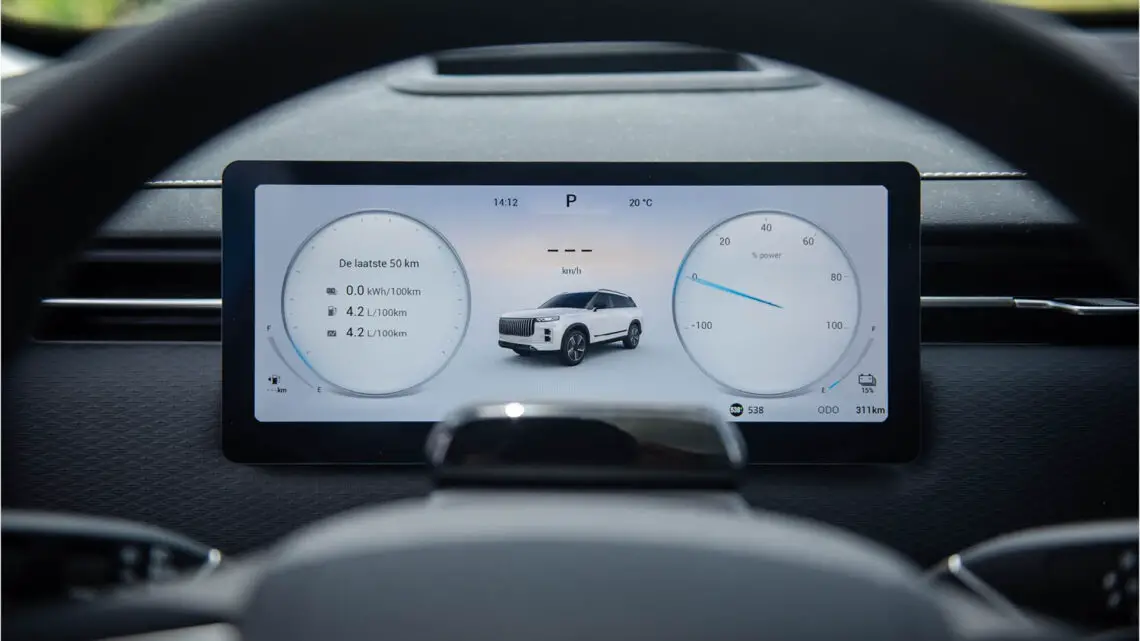
Remarkably, the trip computer can only display the average consumption of the past 50 kilometers. Relative to the last refueling or reset, you only see the total liters consumed. Power consumption is only displayed that way anyway, including for that last 50 km. If we then offset the total liters consumed during the test period with the kilometers traveled, we arrive at an average consumption of 5.3 l/100 km. That’s still a very tidy score.
Conclusion
The Jaecoo J7 has a fairly competitive price, yet also rich standard equipment, a nice finish, and it also turns out to be surprisingly economical. In terms of handling, it may not excel, but it is just fine. Only in the area of driving assistants does Jaecoo really have some homework to do. If that is not important to you, it is otherwise a good value for money offering.