
Maximizing solar driving: here’s how to make the most of the sun
What exactly is solar energy?
Solar energy, in this case, is electricity generated from sunlight, usually through solar panels. These panels convert solar radiation into electricity. You can use that electricity directly, store it in a home battery or use it to charge your electric car (EV) or plug-in hybrid, for example – if you at least have a charging station at home. So driving on solar energy means in practice: charging your EV with electricity you have generated yourself on your roof.
The sun as an energy source: a dream come true
“For nothing goes the sun,” is the saying. This makes solar energy not only sustainable, but also economically attractive. At a time when energy prices are fluctuating – especially upward – and fossil fuels are becoming more and more expensive as well as increasingly considered polluting, solar energy is one of the smartest ways to combine mobility and sustainability.
Lightyear: Dutch solar car with ambition
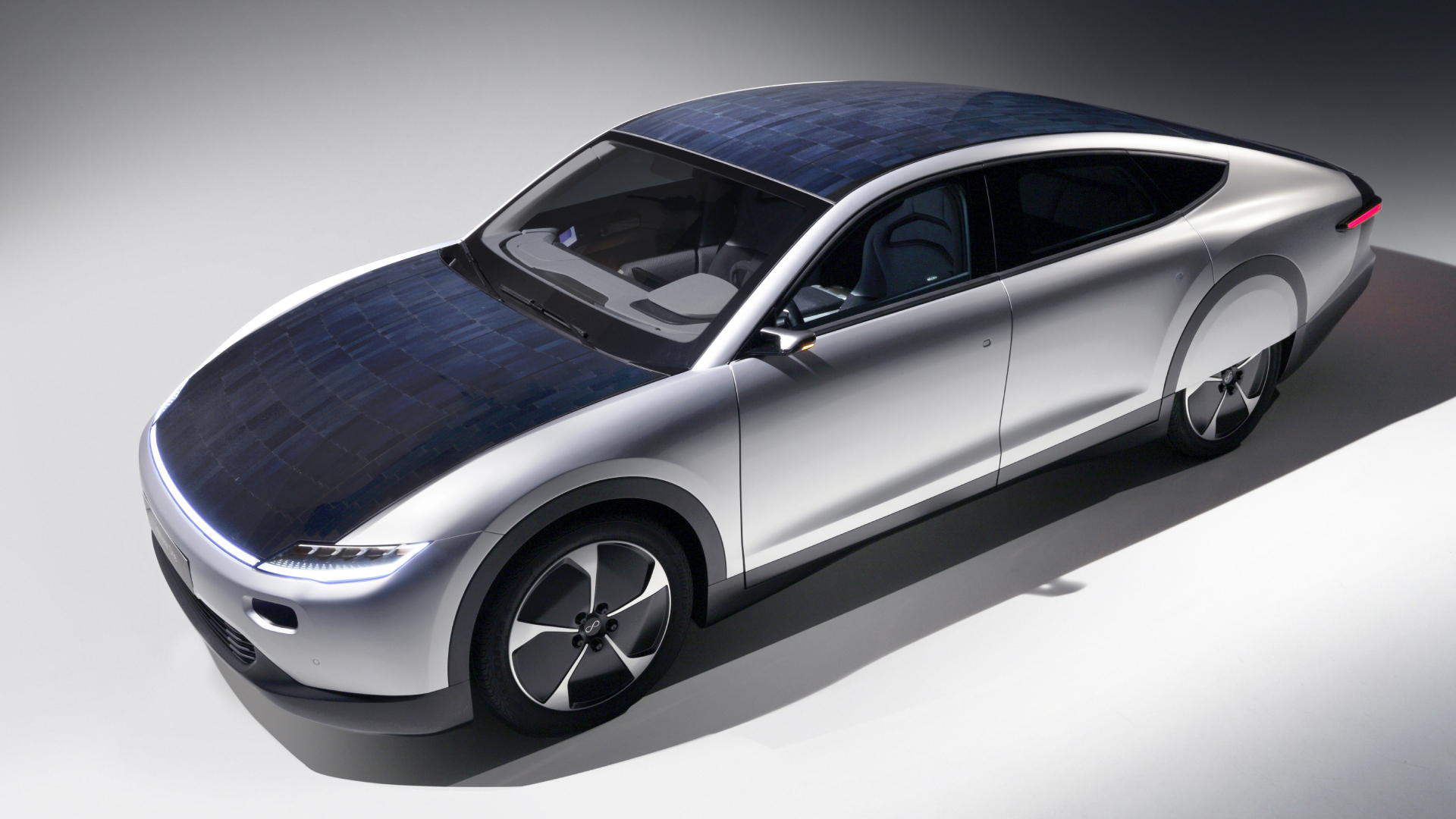
One of the best-known examples of a “solar car” is the Lightyear. The Dutch manufacturer attracted international attention with the Lightyear One. Solar panels are integrated into the roof and hood of this electric car, good for about 70 kilometers extra range per day on sunny days. The Lightyear features an efficient system that makes maximum use of every ray of sunlight. It has four electric motors (one per wheel) and a peak output of 130 kW (177 hp). The range on a full battery (without sun) is about 625 kilometers according to the WLTP standard. Despite technical successes, the company faced financial setbacks. The Lightyear 2, a more affordable model, also failed to reach the market as a result. Lightyear is now engaged in developing solar panels for integration into EVs from other manufacturers.
TU Delft and Nuna: world champion solar cars
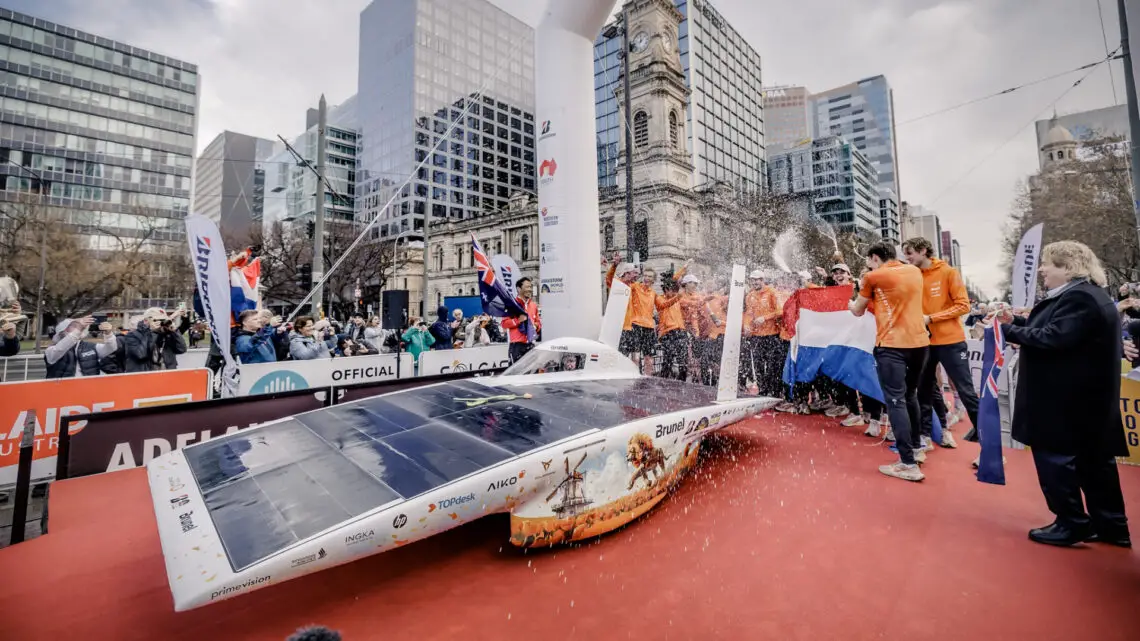
The Netherlands is a leader in solar cars. The TU Delft student team won the 2025 World Solar Challenge in Australia for the eighth time. With their solar car Nuna 13, they drove over 3,000 kilometers through the outback, purely on solar energy. The World Solar Challenge is a prestigious race that focuses on technology, efficiency and solar yield. Nuna 13 demonstrated what is technically feasible, although these types of vehicles are not yet suitable for daily use.
Why solar cars aren’t in showrooms (yet)
Although the Lightyear and Nuna are impressive, you can’t buy “solar cars” (yet). The technology is complex and expensive, and for many consumers, range, comfort and practicality are even more important than solar cells in the roof.
Fortunately, there is good news: even without a solar car, you can drive on solar energy. An electric car or plug-in hybrid, combined with solar panels and a smart home charging station will get you a long way.
How do you charge your car with solar energy?
The principle is simple: if you generate power with solar panels during the day, you can use that power directly to charge your car. To do this, you ideally need a smart charging station that can communicate with your solar panels and your energy management system. Many modern charging stations offer that capability.
The solar power charges your battery, which you can use to drive at night or the next day. You are then literally using the sun as an energy source. Those who are smart about it will hardly have to pay for power at a public charging station.
Practical tips for getting maximum benefit from solar energy
1. Charge your car’s battery during the day
It sounds logical, but many people charge at night. Then there is no sun and you charge through the grid. By charging during the day (for example, on your day off or home work day), you use the power your solar panels are generating at that time. That’s how you actually drive on solar power.
2. Use a smart charging station
Smart charging stations can tune themselves to the current supply of solar power, lowering and increasing the charging current depending on solar output. In some cases, they communicate with a home battery, if there is one. Examples include the Zappi, Smappee or SolarEdge Home EV Charger. These ensure that your car charges only when solar power is actually available.
3. Tune your charging schedule to the sun
Check your solar panel app (such as Enphase, SMA or SolarEdge) to see when you are generating the most power. Plan your charging sessions based on that. Some apps automatically pair with your charging station and control the charging process.
4. Provide adequate home loading capability
An 11 kW charge point is often more than adequate for home use, but be sure to pay attention to the connection in your meter box. Sometimes an attenuation is necessary. With a 3.7 kW charge point, you charge more slowly, but that too is fine if you have time.
5. Choose a car with good charging control
Some EVs can handle variable load capacities well. Consider models from Hyundai, Kia, Volkswagen, Skoda, Tesla and Renault. These often combine well with solar charging solutions. Do check if the car is “PV-ready” if you really want to optimize.
6. Consider a home battery as intermediate storage
If you generate more during the day than you can directly use at home and for your EV, a home battery is ideal. It temporarily stores your solar energy. You can then recharge your car battery in the evening with power generated by the sun earlier that day. This way you maximize the use of your own solar power.
Note that home batteries are (still) pricey. The investment is between 5,000 and 10,000 euros, depending on the capacity.
What exactly should you not do?
- Hanging your car on the charger by default at night
You then consume grid power – unless you have a home battery – and that’s a waste of your solar panel output.
- Combining too-small solar system with large consumption
Do you have an EV and generate less than 3,000 kWh per year? Then you often still charge through the grid. Get a solar panel system that matches your consumption.
- Charging at peak times without smart control
In summer, the grid load is sometimes high during the day. By smart charging, you also help to relieve the electricity grid.
The future: two-way charging and your car as a home battery
Some electric cars can do more than just run on (solar) power. With two-way charging, you can also feed energy from your car’s battery back to your home. This way, your car acts as a mobile home battery.
Brands like Hyundai (Ioniq 5 and Ioniq 6), Kia (EV6) and Nissan (Leaf) already offer models with this technology. With Vehicle-to-Home (V2H) or even Vehicle-to-Grid (V2G), you supply power back to your home or the grid. Say you charged your car with solar during the day, then you can feed your household with that same solar power at night.
The sun is your best ally on the road
Driving on solar energy is long gone from the future. With solar panels, a smart charging station and a good electric car, you can already benefit from free energy from the sun. You save on your energy bill, drive sustainably and contribute to a lower load on the electricity grid.
Solar cars like the Lightyear and Nuna show where we can go. But already today you can use your own solar power plant for your mobility. The smarter you charge, the more you get out of it.