
Dynamic energy contract saves EV drivers hundreds of euros
What exactly is a dynamic contract?
With a dynamic energy contract, you pay the electricity price of the moment. This changes hourly, depending on supply and demand. On sunny or windy days, the price may drop, while during cooking around dinner time, the price peaks. With a fixed contract you buy security, but you almost always pay more – because the energy supplier charges a risk premium.
EV on the charger: smart or stupid
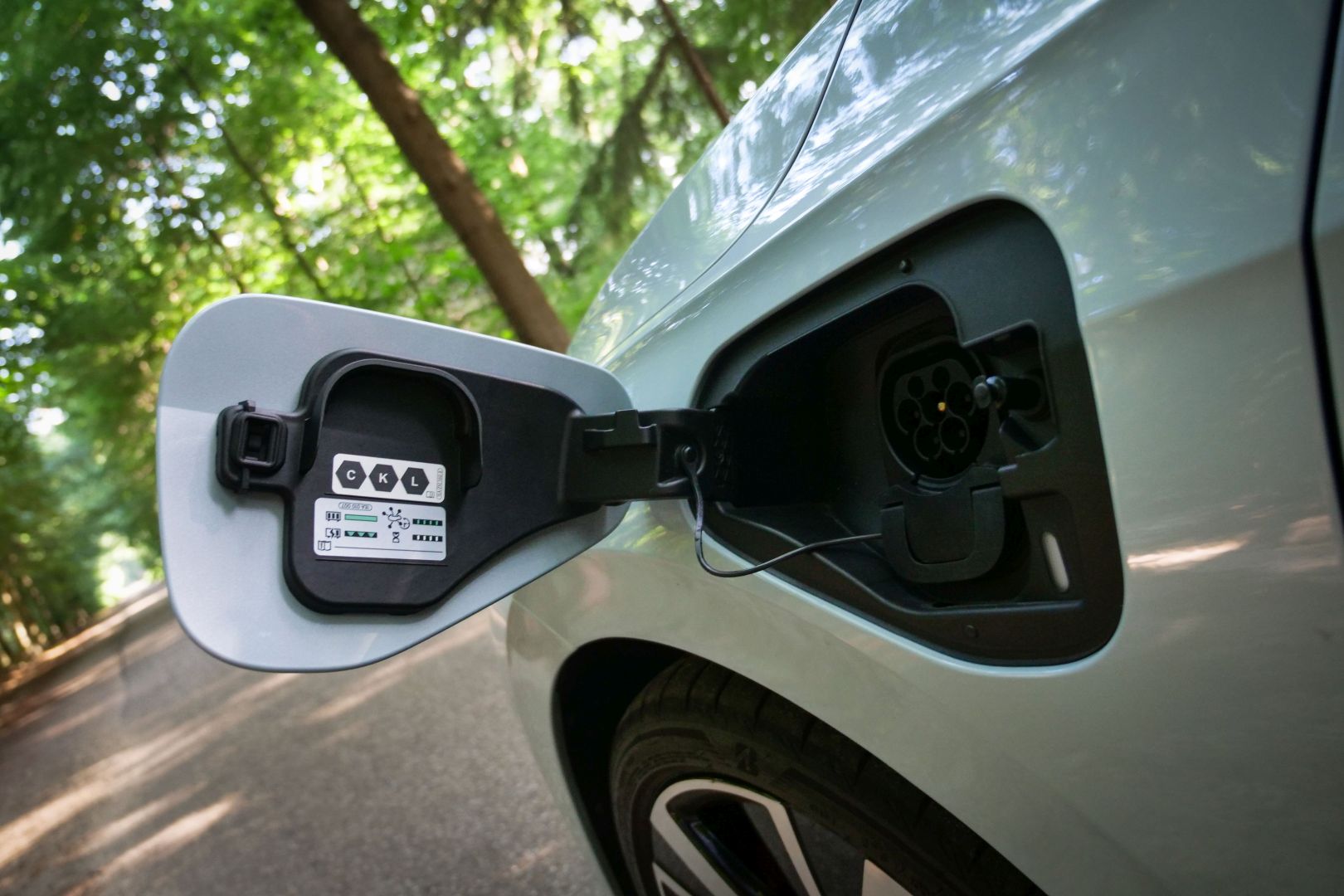
Electric drivers especially benefit. If you plug in your car at 6 p.m. every day, you’re usually charging at expensive times. Smart charging – automatically shifting to the cheapest hours – makes all the difference. For a frequent driver who drives 40,000 kilometers a year, this can add up to 700 euros of benefit, Zonneplan’
Solar panels and heat pump
Households with solar panels, heat pump and charging station were even 40 percent cheaper between July 2024 and June 2025 with a dynamic contract than with a one-year fixed contract. Even without a heat pump or charging station, the difference was noticeable: an average of 5 percent. And that advantage is growing, because fixed contracts are now charging increasingly higher feed-in costs for solar power.
Saling scheme disappears
Starting in 2027, the net-metering system will be scrapped. For fixed contracts, that means: solar power fed back hardly pays anything. For dynamic contracts, the wholesale price will continue to apply, with no additional costs. That saves another 175 euros a year on average for households with solar panels. For EV drivers who charge at home, it’s a double celebration: cheap charging hours and a fair payment for the electricity supplied back.
How great is the risk?
Many people think a dynamic contract is dangerous with price increases. But according to the report, the wholesale price has to go up as much as 84 percent to make a fixed contract cheaper. We really only saw such extreme jumps during the 2022 energy crisis. Then fixed contracts were briefly more advantageous – but that was an exceptional situation. Since then, dynamic contracts have almost always been the cheapest option.
Energy transition makes flexibility important
The study also outlines the future. In 2024, more than half of the Netherlands’ electricity already came from solar and wind. By 2030, that is expected to be 85 percent. Because those sources depend on the weather, the price fluctuates more and more. With a dynamic contract, you can use that to your advantage: consuming or charging electricity when the sun shines or the wind blows. That not only helps your own wallet, but also the balance of the power grid.