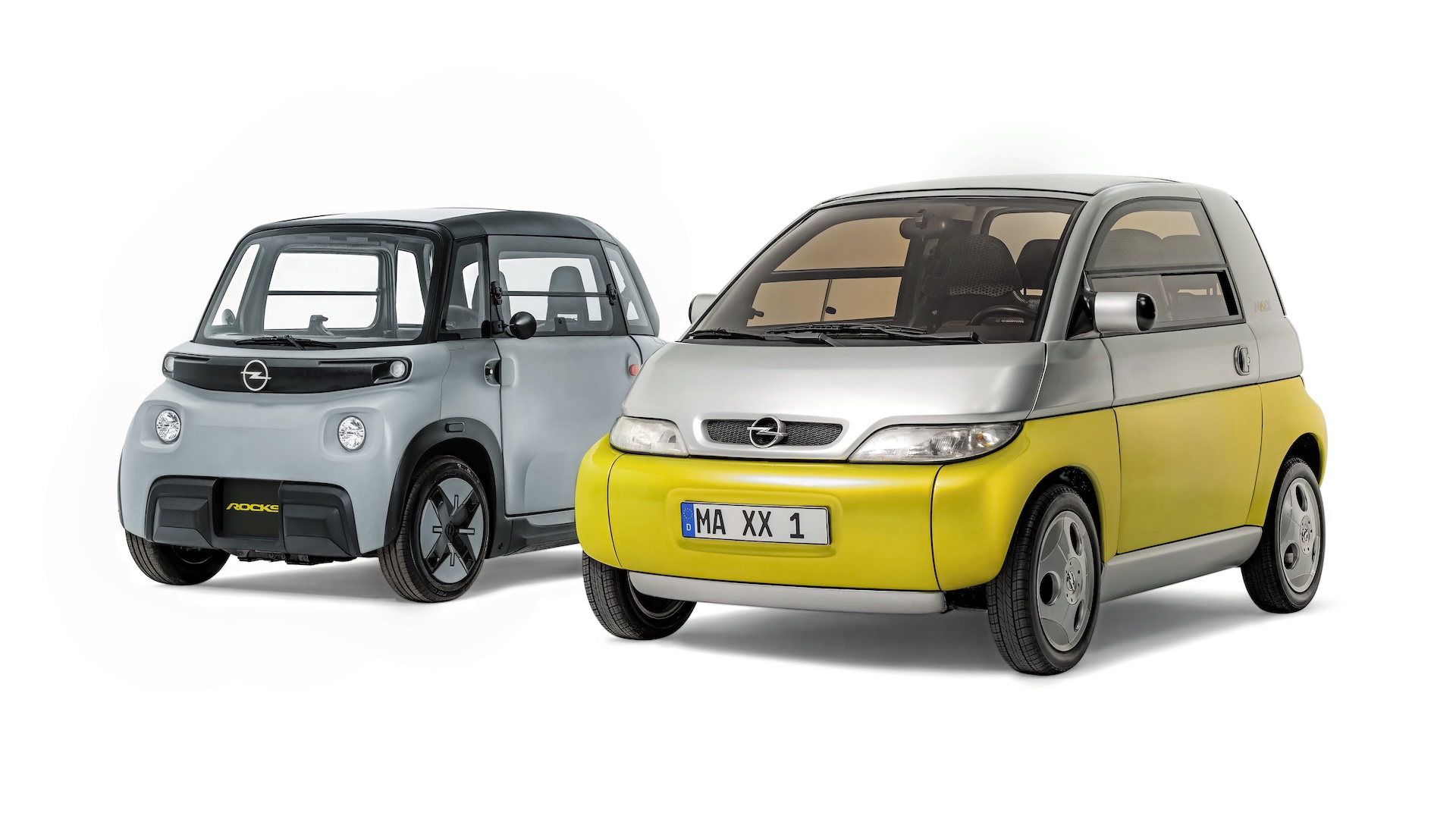
30 years ago: Opel Maxx Concept
Opel Maxx in 1995
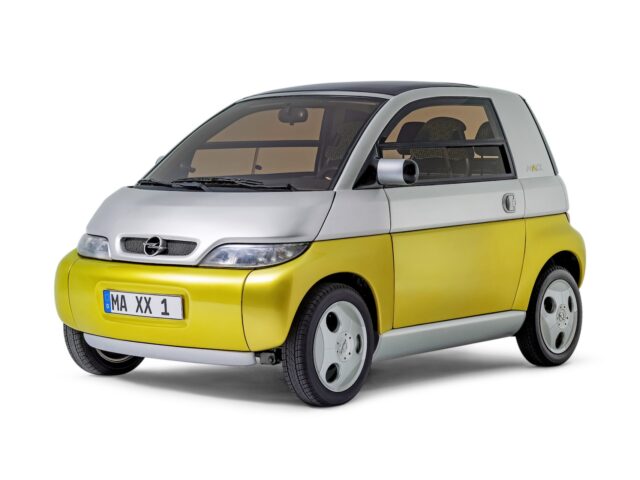
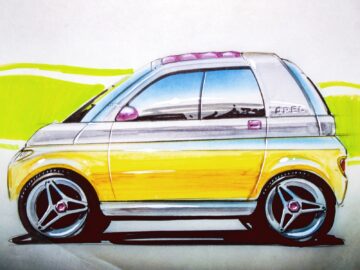
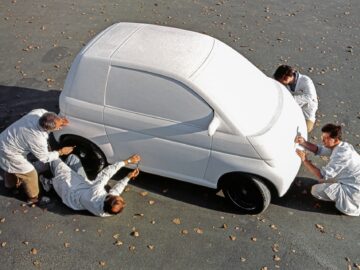
“People have different lifestyles, tastes and needs. Conventional cars cannot accommodate this; their versatility is reaching its limits. But the Maxx shows a way out of this limitation,” Opel said at the world premiere of the completely new car concept at the 1995 Geneva Motor Show. And indeed, maximum flexibility and variability are the core competencies of the future study that was intended for urban traffic.
Extruded aluminum profiles
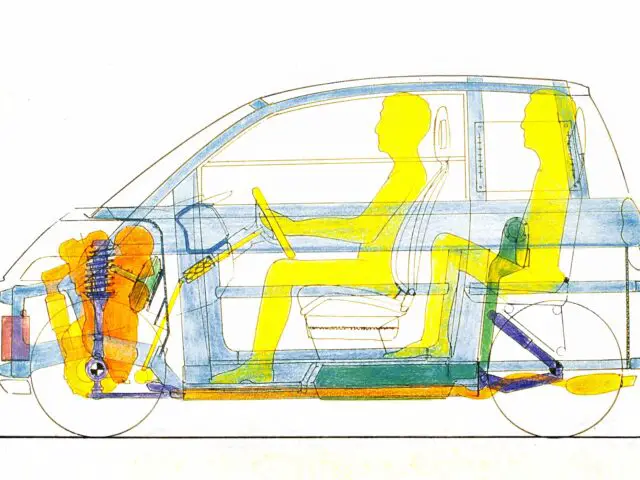
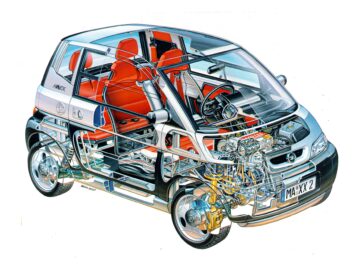
To achieve this, Opel engineers and designers took completely new paths in the design and development of the Maxx. For example, the outer body skin did not consist of pressed steel plates, but mainly of extruded aluminum profiles in modular construction. The various parts were welded together to form a cell, partly visible and incorporated into the exterior and interior construction – a structure previously known from aircraft construction, but completely new for car production. Opel therefore had a patent registered on this.
Modular design
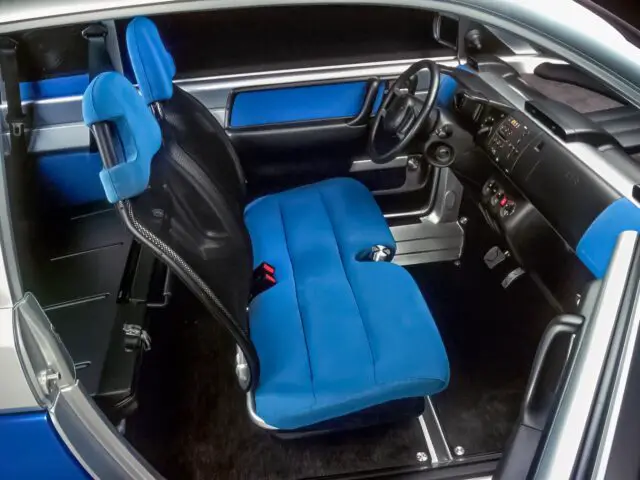
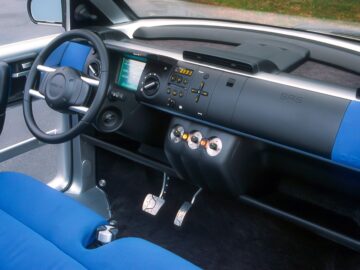
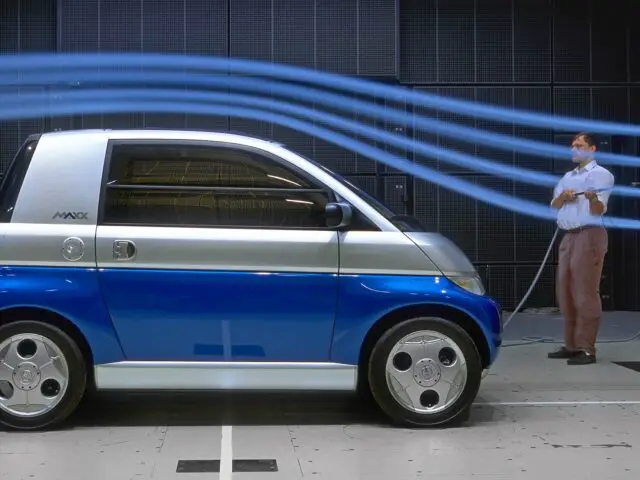
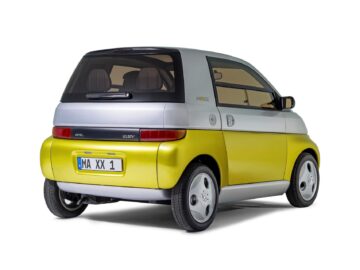
The cell constructed from extruded aluminum profiles was the basis for the modular design. It was the key to the Maxx concept and the forerunner of modern flexible vehicle architectures. With a length of only 2.97 meters and a width and height of 1.58 meters, the two-seater Maxx offered a remarkable amount of space. Those who wanted to carry a lot of luggage could choose the Maxx as a two-seater with a cargo volume of 500 liters. Even transporting large objects up to two meters in length was possible. If additional passengers did need to come along, a rear seat built into the aluminum structure offered that option.
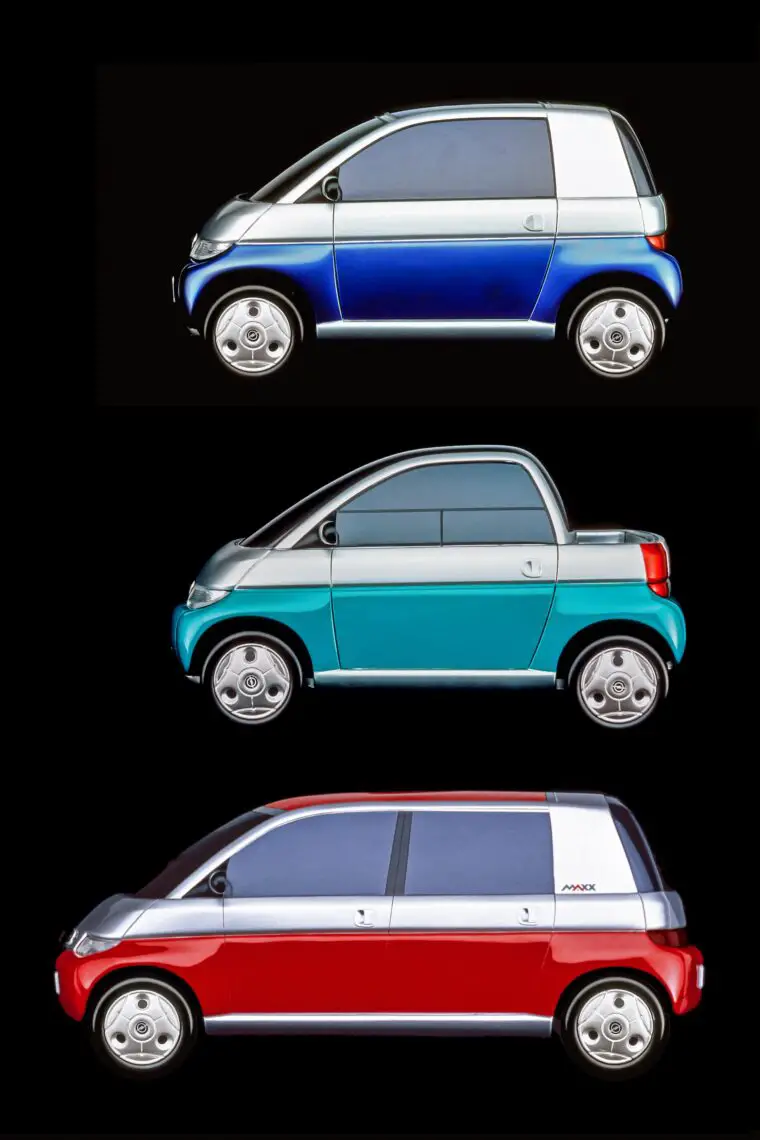
Several variations
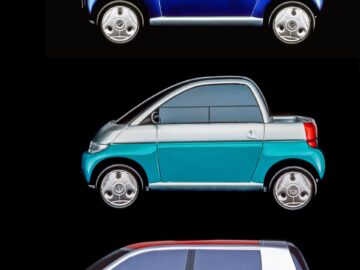
In addition, the new design made it relatively easy to build vehicles with different wheelbases and lengths based on the Maxx. A convertible, pickup, off-road vehicle, van or cab – all could be realized on the same platform. The Maxx – that was the idea – grew easily with different needs, and customers could modify the body and interior even after the vehicle was delivered.
Safety Opel Maxx
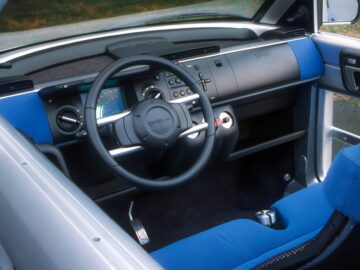
In addition to flexibility, the developers also had safety in mind. In addition to the sturdy aluminum structure, the 1995 Maxx already had a driver’s airbag and an anti-lock braking system (ABS). The McPherson front suspension based on the Dynamic Safety Principle (DSA) was also used on the Opel Vectra and Opel Omega. For optimum safety, Opel engineers placed the fuel tank between the rear wheels, while the aluminum structure protected the rear and created a deformable structure at the front. Thanks to the use of light metal, the Maxx weighed only about 650 kilograms.
Ready prototype
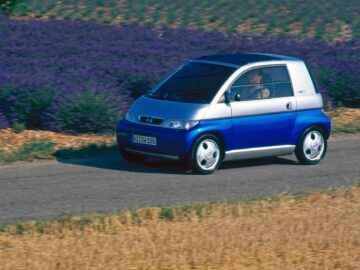
Just a few months after its premiere in Geneva, the Maxx stood at the IAA in Frankfurt as a roadworthy prototype – with super-light magnesium wheels, carbon fiber door panels and fenders, and an economical high-tech three-cylinder engine. The then state-of-the-art one-liter engine – the first three-cylinder developed by a European automaker that was production-ready – surpassed even some four-cylinder engines of the time in terms of power output. But most impressive was its low fuel consumption: according to the Euromix test cycle in force at the time, the Maxx consumed only 3.9 liters of gasoline per 100 kilometers at a constant speed of 90 km/h. Perhaps the market is just now ripe for this type of vehicle.