
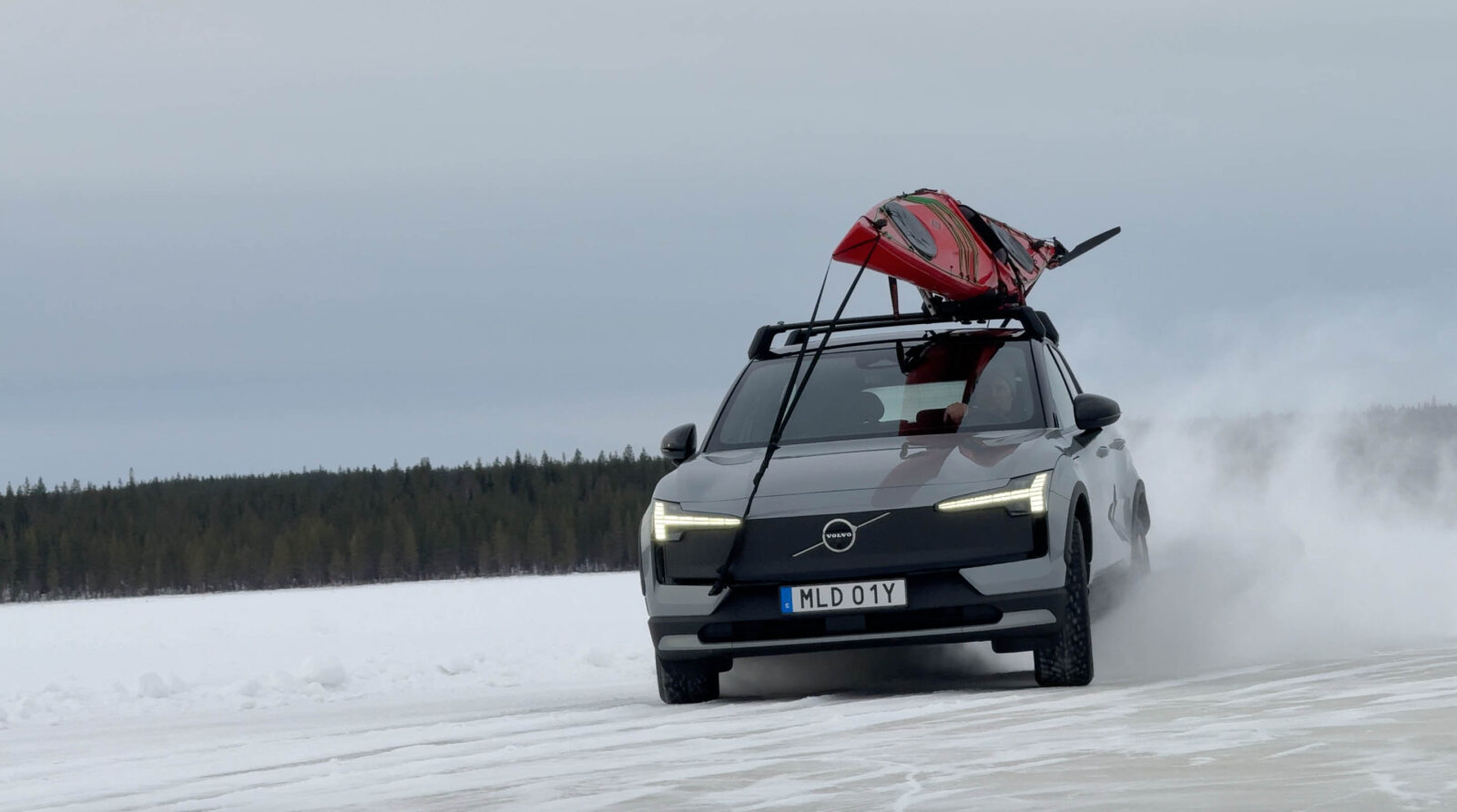
What type of drive is best in winter conditions?
The short answer: it depends on what you expect from your car. The longer answer requires a little more nuance, because grip, weight distribution and driving style all play a role in your safety on the road in winter.
Front-wheel drive: predictable and forgiving
Let’s start with the most common form of drive in Europe: front-wheel drive. With this type of drive, the front wheels pull the car forward. It sounds simple, but in winter conditions this has a significant advantage. The engine is usually located above the front axle, putting extra weight on the driven wheels. That weight provides more grip.
On snow and ice, that often means predictable behavior, especially when accelerating and steering calmly. The car mainly wants to go straight ahead and is easily corrected if the front wheels lose grip. For daily use in winter, front-wheel drive is therefore often the most forgiving choice.
That does not mean, however, that front-wheel drive is unbeatable. In deeper snow or on steep slopes, even the front wheels can lose their grip, especially if you get too enthusiastic with the gas pedal. Especially when cornering, understeer can occur. But, for commuting, county roads and highways in winter conditions, front-wheel drive is usually safest.
Rear-wheel drive: nice, but requires attention in winter
Rear-wheel drive tells a different story. Here, the rear wheels push the car forward, while most of the weight is often still up front. On dry asphalt, that produces a nice balance and natural steering feel. In winter, that balance shifts. Once the rear wheels lose grip, the rear of the car wants to break out faster. That can be treacherous for inexperienced drivers, but also exactly why some drivers actually like rear-wheel drive.
Because let’s face it: if you ever want to deliberately take a controlled slide into an empty, snowy parking lot, rear-wheel drive is your best friend. A little gas, a steering correction and the car does the rest. That’s fun, educational and sometimes even useful for understanding how your car reacts. On public roads, it’s a different story. There, rear-wheel drive in winter conditions requires more finesse, calm and, above all, self-control. Modern driving assistance systems, such as traction control, help you with this.
All-wheel drive: more grip, but not a free ride
Four-wheel drive sounds like the ultimate solution for winter. All four wheels can transmit power, reducing the chance of skidding. Especially when pulling away on snow or ice, a car with all-wheel drive quickly feels more secure and confident. You get off the road more easily and maintain better traction in changing grip. This also explains why all-wheel drive is popular in mountainous areas and in cars that regularly encounter bad weather, such as SUVs.
Still, all-wheel drive is not a panacea. It helps primarily with acceleration, not braking. That’s an important distinction. A car with four-wheel drive can make you feel like everything is under control, while when braking into a corner you may still lack grip as with other types of drive. This false security is perhaps the biggest risk of four-wheel drive in winter. You move forward more easily, but that does not automatically mean you will also come to a stop faster or more safely.
The role of tires and driving style in winter
What all forms of drive have in common is that they rely heavily on tires. Winter tires make more difference in practice than the choice between front, rear or all-wheel drive. They provide more grip at low temperatures, shorter braking distances and more predictable behavior on snow and ice.
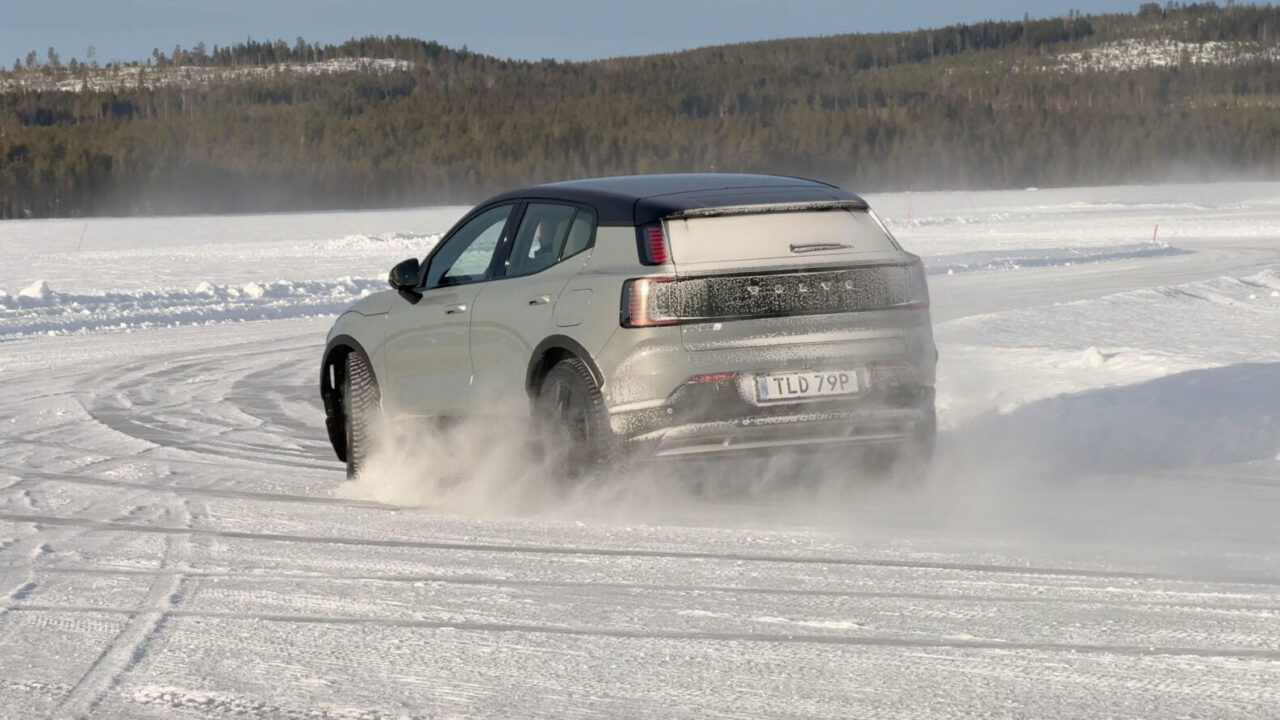
The driver’s driving style also plays a larger role than is often thought. Steady acceleration, forward vision and smooth steering are more important in winter than any type of drivetrain. Modern driving assistance systems such as traction control and ESP help to correct mistakes, but they cannot eliminate the laws of nature.
What fits you best?
So, what is the best drive in winter conditions? For most drivers, front-wheel drive remains the most logical and safe choice. It is predictable, easy to control and well-suited to everyday use. Four-wheel drive offers extra security in difficult conditions, provided you don’t allow yourself to overestimate. Rear-wheel drive requires more experience and attention, but rewards the enthusiast with a more playful character – especially if you know exactly what you’re doing.
And that sliding? Best save that for an empty parking lot, a skid course or an enclosed area. On public roads, grip, regardless of drivetrain, is still your best friend.