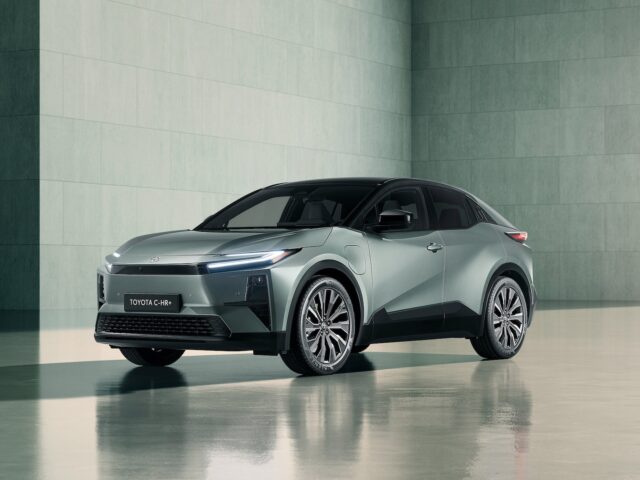
Toyota C-HR+: the electric Toyota C-HR is a reality!
Toyota C-HR+: availability and positioning
The Toyota C-HR+ will be available in the Netherlands in late 2025. Together with the Urban Cruiser and the bZ4X, this model complements Toyota’s offerings in the B, C and D electric SUV segments. The Toyota C-HR+ will be offered with different battery sizes and the choice between front-wheel and all-wheel drive. With the introduction of the Toyota C-HR+, Toyota is continuing its multi-path strategy where hybrid, plug-in hybrid and hydrogen-electric models jointly contribute to reducing emissions. The ultimate goal is to operate completely carbon neutral in Europe by 2035.
Independent model
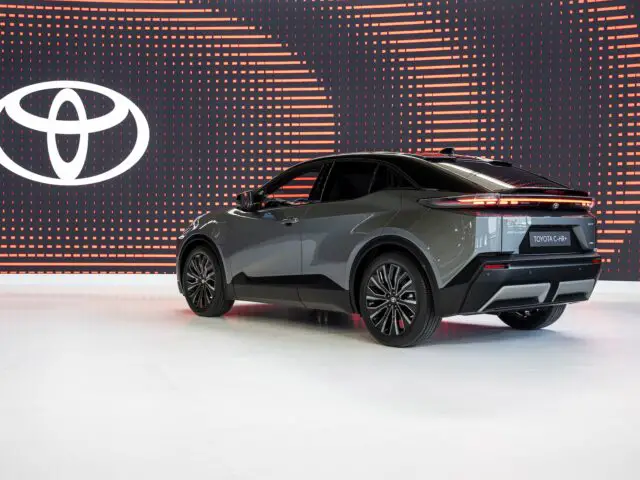
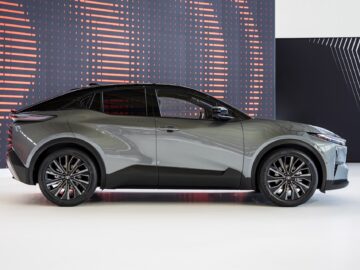
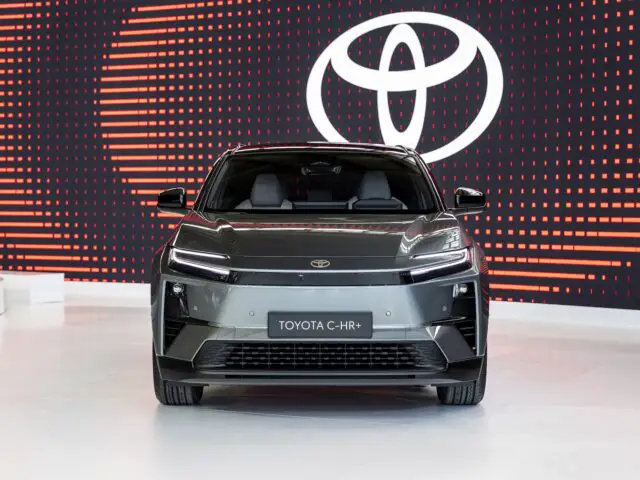
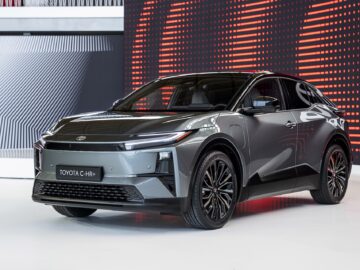
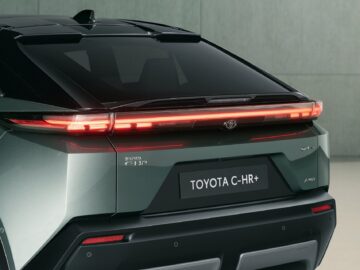
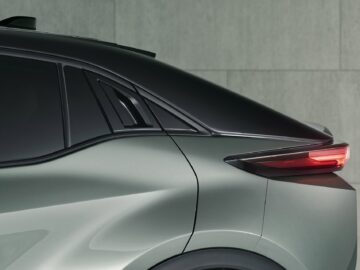
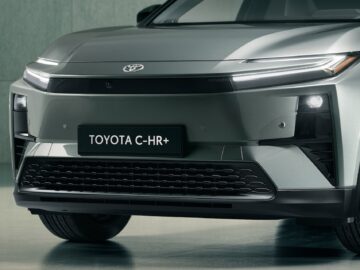
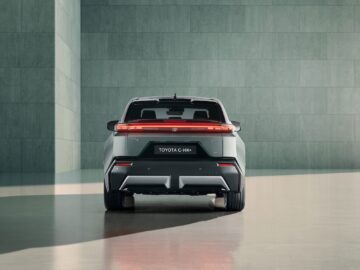
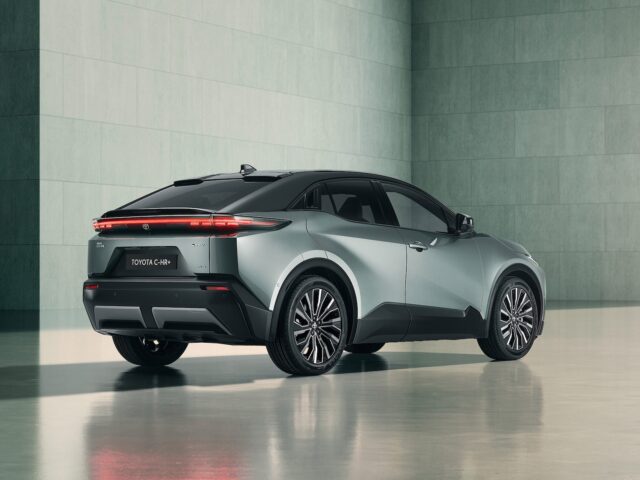
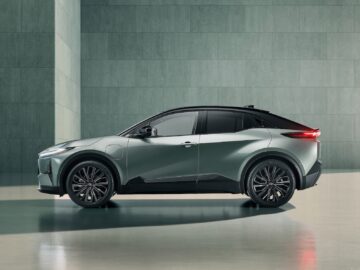
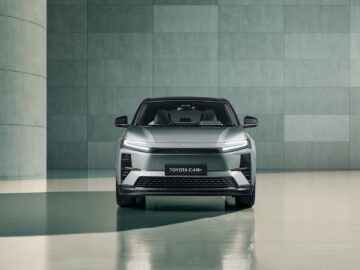
Although inspired by the Toyota C-HR, the Toyota C-HR+ stands alone. The model uses Toyota’s e-TNGA platform and has its own exterior and interior. The design is recognizable as a battery-electric Toyota, with large track widths and a coupe-crossover silhouette that offers aerodynamic benefits without restricting rear headroom. In fact, the model has more in common with the Toyota bZ4X than with the C-HR. At the rear, the widely spaced wheels, full-led taillights and an integrated rear spoiler stand out. The rear window has a sharp angle, which contributes to aerodynamics.
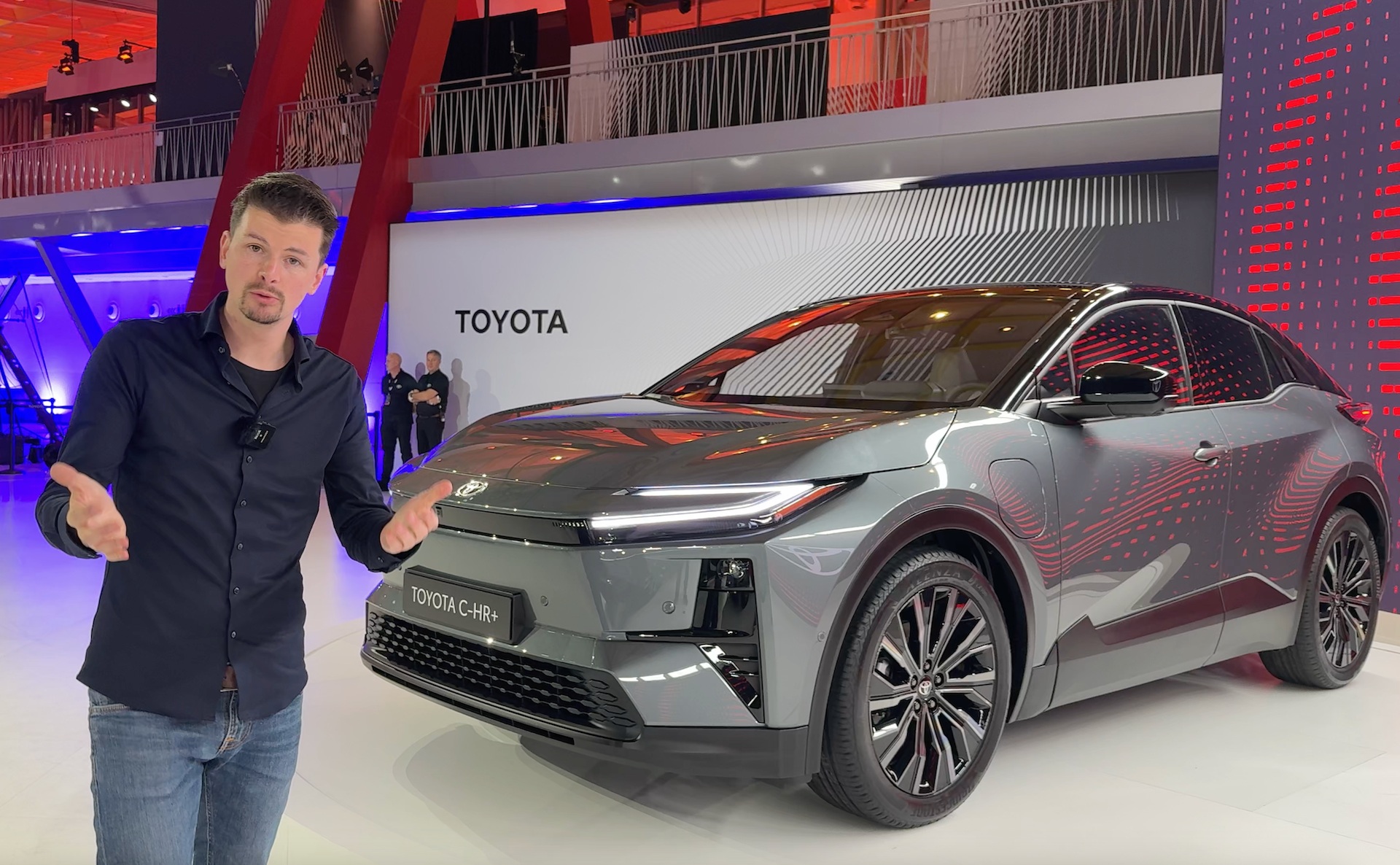
It’s here: an electric Toyota C-HR! – Toyota C-HR+ – SNEAK PREVIEW – AutoRAI TV
Toyota C-HR+: the interior
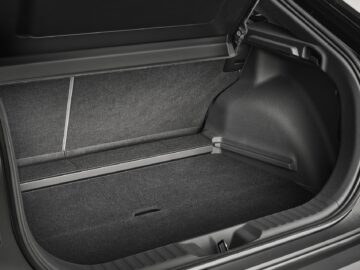
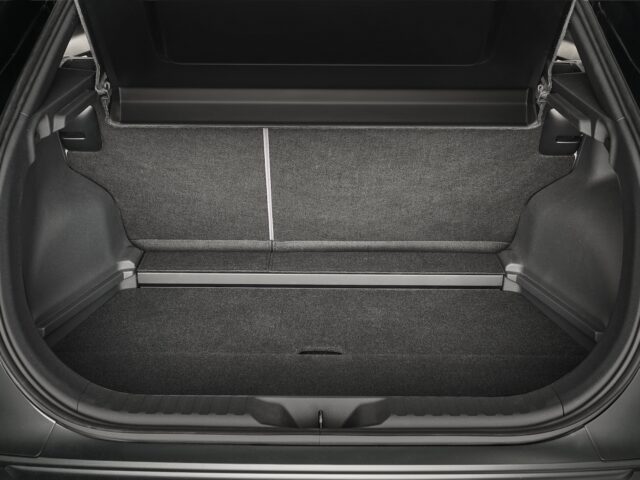
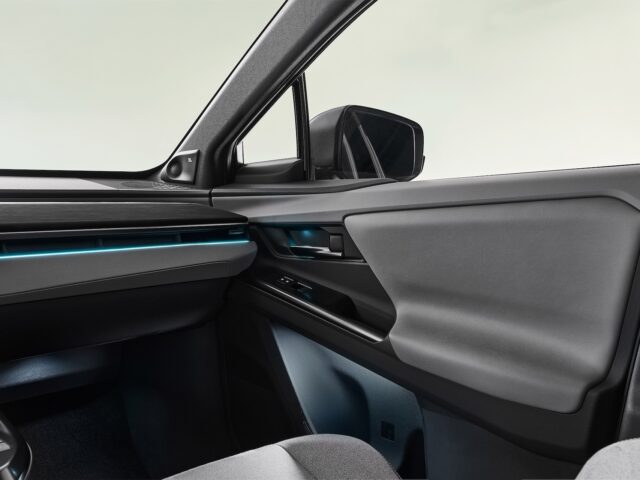
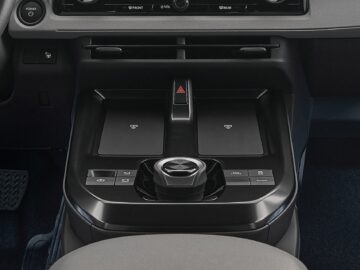
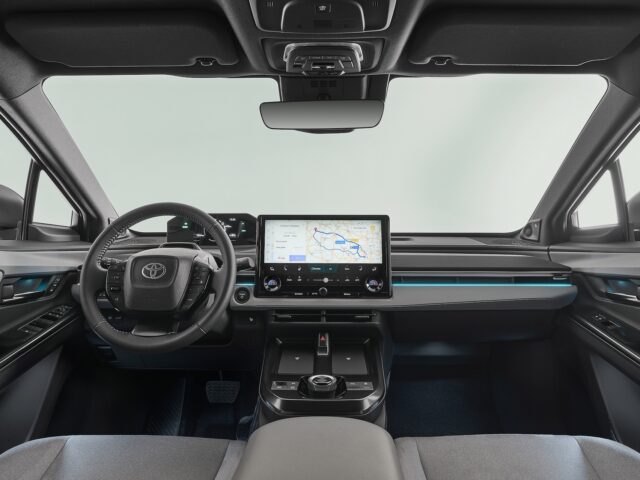
The interior of the Toyota C-HR+ is very similar to that of the bZ4X. The 2,750 mm wheelbase contributes to a spacious cabin, with 900 mm of legroom between the front and rear seats. Cargo volume is 416 liters. Materials and finishes are at a level comparable to larger models within the range. In terms of equipment, both driver and passengers have been taken into account. There are wireless phone chargers, USB ports and rear operable air conditioning. The panoramic roof provides additional light.
The powertrains
The Toyota C-HR+ comes with two battery versions. The version with a gross battery capacity of 57.7 kWh has front-wheel drive, while the variant with a 77 kWh battery is available with both front- and all-wheel drive. The maximum range according to the WLTP cycle is 600 km (preliminary value, subject to homologation).
In terms of power, the front-wheel-drive variant with the 57.7 kWh battery offers 123 kW (167 hp). The version with the larger 77 kWh battery delivers 165 kW (224 hp). The all-wheel-drive version has an output of 252 kW (343 hp) and accelerates from 0 to 100 km/h in 5.2 seconds. The model supports alternating current (AC) charging with 11 kW and, in some cases, 22 kW. Fast charging (DC) is possible with peak power up to 150 kW.
A battery preheating function improves charging performance under various conditions and can be activated manually or automatically. In addition, a heat pump contributes to efficient energy use for heating and air conditioning.
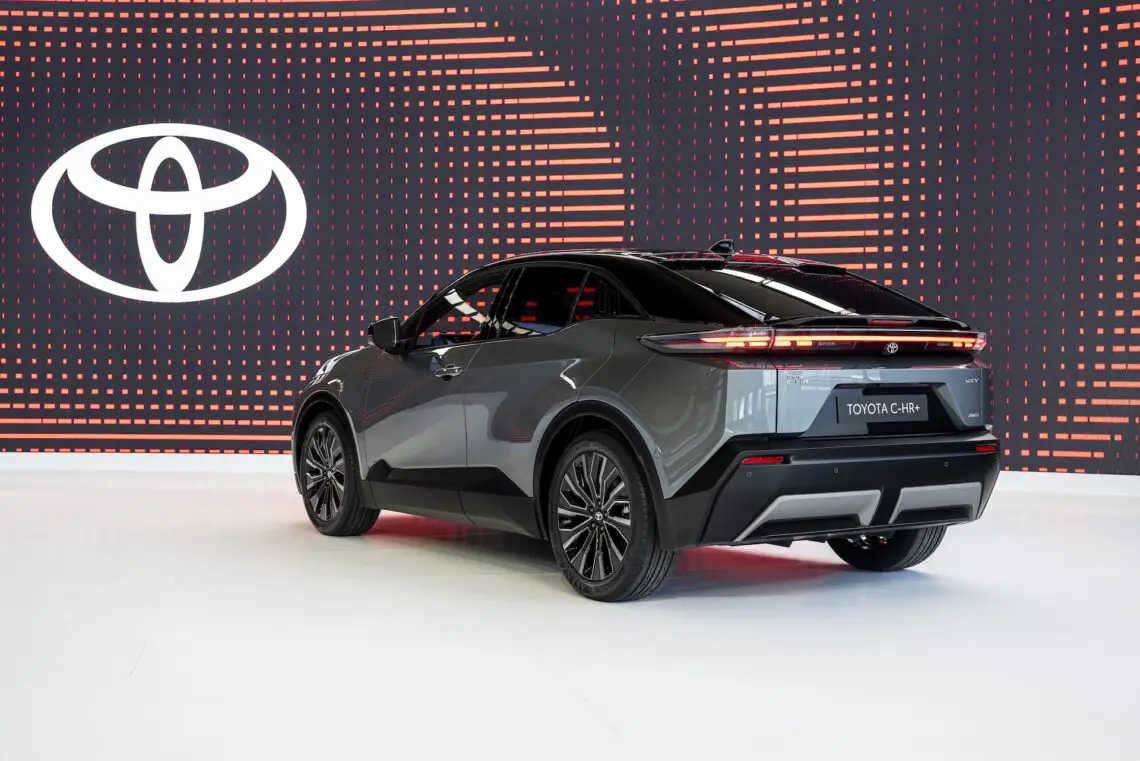
The chassis of the Toyota C-HR+.
The e-TNGA platform offers rigid bodywork and a low center of gravity. The suspension features specific springs, shock absorbers and stabilizer bars. The electric power steering has been recalibrated. All-wheel drive offers improved grip and traction.
Technology
The Toyota C-HR+ comes standard with Toyota T-Mate, which includes Toyota Safety Sense safety and driver assistance systems. This system can detect hazards early and intervene to prevent accidents. Standard features include a Blind Spot Monitor, Adaptive High-Beam System headlights and Parking Support Brake. Optional Panoramic View Monitor and parking assist are available.
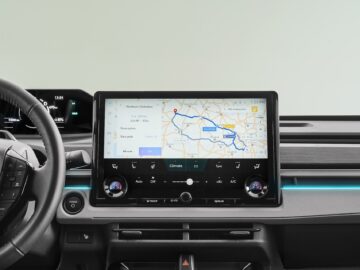
The infotainment system includes a 14-inch display with an EV route function. This feature takes battery status and range into account when planning routes. Through the MyToyota app, drivers can access and control data about the car, such as charge status, remaining range and charge planning.