
The most popular electric cars in the Netherlands
In the Netherlands, the number of electric cars (EVs) is constantly rising. This could not be otherwise: they are relatively young, mobility needs are growing and the end of sales of new cars with fuel engines is imminent. According to the Rijksdienst voor Ondernemend Nederland (RVO), the Netherlands has some 625,000 fully electric passenger cars on license plates, nearly 7 percent of all passenger cars in the Netherlands. The charging infrastructure is growing – but not fast enough – and includes about 117,000 public charging points, just under 80,000 semi-public charging points and nearly 6,000 fast chargers (figures rounded).
Meanwhile, electric cars make up about 35 percent of new car sales. Yet there are also signs that the market faces occasional headwinds. July 2025, for example, was a weak month and some media suggest that manufacturers are struggling to sustain the growth in EV sales. But electric cars are already clearly no longer a niche product in the Netherlands, and EVs are therefore perfectly viable in practical use.
The ten most popular electric cars in the Netherlands
This list is a snapshot after the third quarter of 2025. The Kia EV3 came in new at No. 1 by a head start, but Tesla, the brand that has been active with EVs for much longer, is still scoring well.
1.
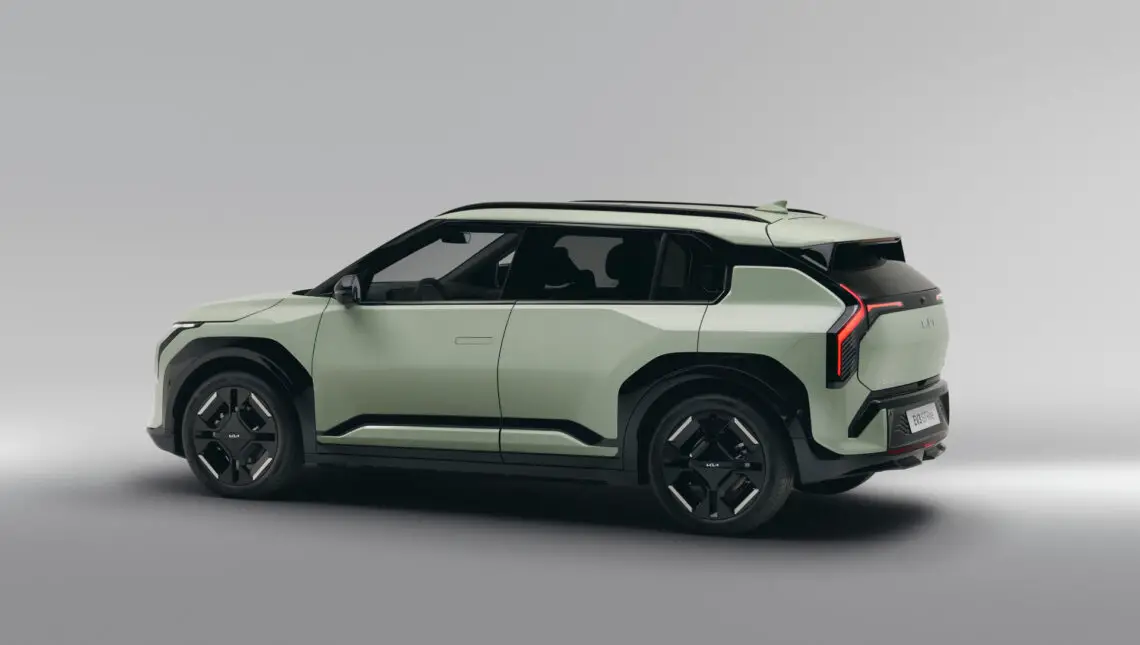
Kia EV3
– 8,008
A compact crossover that has been on the market since July 2024 and immediately proved very popular.
2.
Tesla Model Y
– 5,984
This sleek, spacious SUV has been on the market since 2021 and has been a great success.
3.
Tesla Model 3
– 4,076
The four-door sedan is a smaller brother of the Model S and has been a big hit in the business market since 2019.
4.
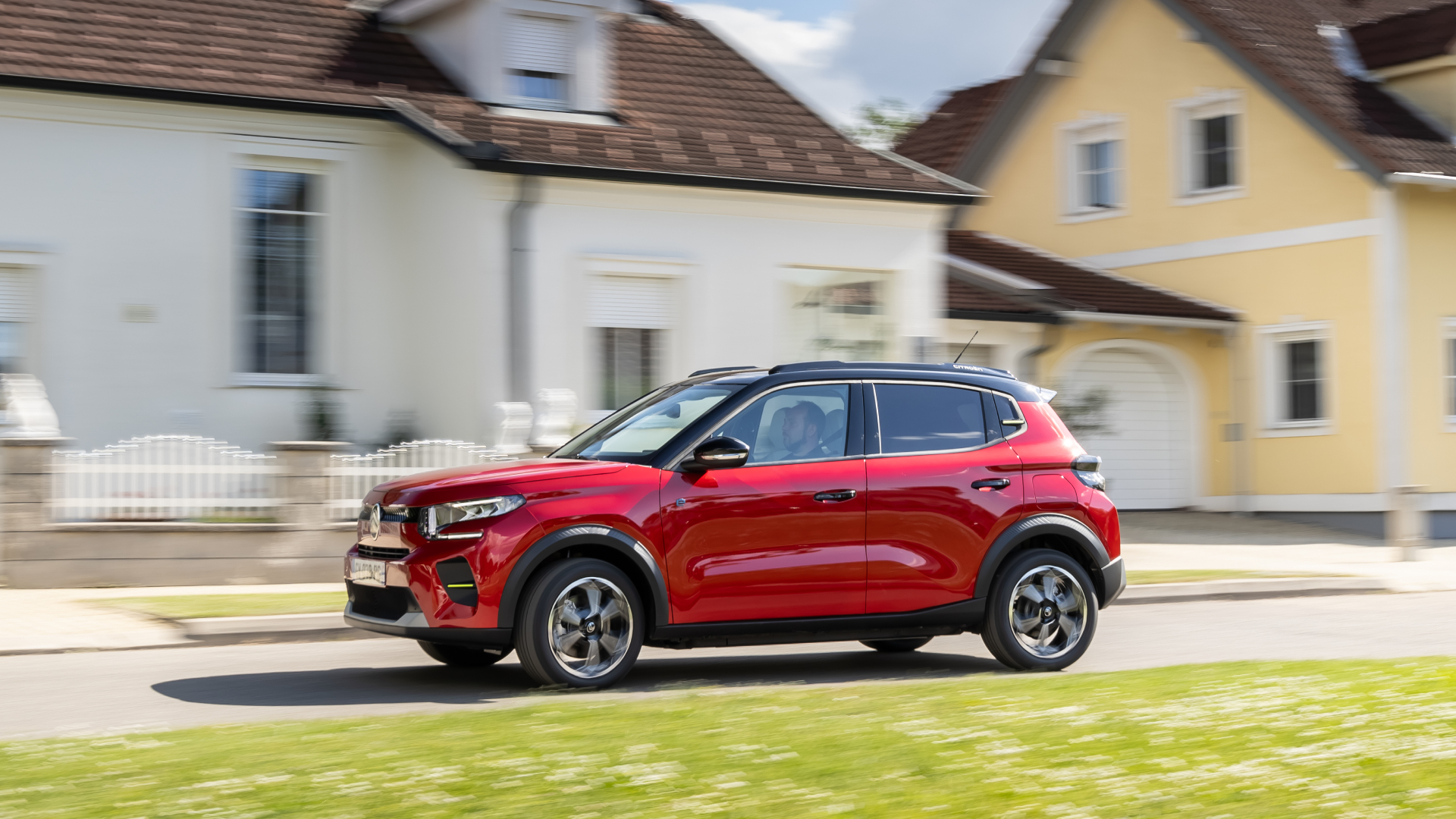
Citroen ë-C3
– 3,255
This compact electric hatchback has become popular in a short time.
5.
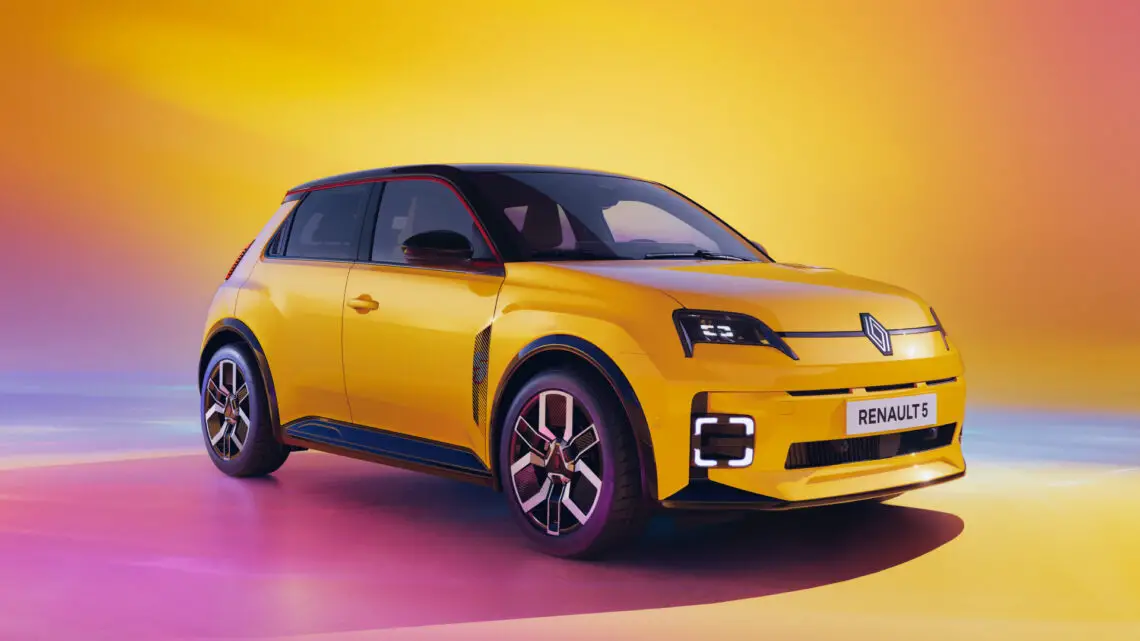
Renault 5 E-Tech electric
– 3,139
This new compact model is full of references to the classic 5 of the 1970s and 1980s, but fully electric.
6.
BMW iX1
– 2,863
Premium five-door SUV that comes with front- and all-wheel drive.
7.
Hyundai Inster
– 2,863
This compact hatchback comes with four and five seats and in two power variants.
8.
Volvo EX30
– 2,682
Choice of single- and twin-engine versions, rear- and all-wheel drive, with greater range and in a so-called Performance version
9.
Ford Explorer EV
– 1,939
Large SUV offering a choice of rear- and all-wheel drive, single and twin engines and several power options.
10.
Audi Q6 e-tron
– 1,776
This mid-size SUV with Porsche DNA comes in numerous versions as well as a Sportback, a kind of coupe variant.
Interestingly, relatively new compact models such as the Citroën ë-C3 and the Renault 5 E-Tech, and niche models such as the Audi Q6 e-tron and the Ford Explorer EV are already in the top ten this year. This is a sign that the market is becoming more diverse, with compact EVs and electric crossovers. Brands such as Citroën, Renault, BMW, Volvo and Audi are also showing that traditional car brands have also taken their place in the EV top tier.
Best-selling EVs in the Netherlands
Looking at all the EVs that have sold best in the Netherlands so far, the Tesla Model 3 and Model Y are by far the best-selling, with nearly 61,500 and 44,500 units, respectively. Other long-standing success models include the electric Kia Niro with over 27,000 registrations, the Volkswagen ID.3 with some 24,000, the Skoda Enyaq with 22,500 and the Hyundai Kona Electric with 19,634 units.
Emergence of alternatives to Tesla
One striking development is that Tesla is no longer the undisputed market leader. The Model Y and Model 3 were at the top of the sales charts for years, but now the competition is catching up with the brand in terms of sales figures. The Kia EV3 is now the best-selling EV in the Netherlands. The compact, still new Citroën ë-C3 and Renault 5 E-Tech electric are, of course, no real competitors to the Tesla’s, but in terms of sales they are already getting close.
Trends in classes, segments and models
So compact EVs and crossover EVs are gaining ground. But SUVs and crossovers – that is, the larger models – remain attractive. Because of the still high weight and large volume of the battery pack, electric drive was until recently reserved mainly for large models. Many consumers also want a higher seating position and a robust appearance. In contrast, the emergence of compact models – thanks in part to the availability of more compact and lighter batteries – indicates that consumers want a good ratio between price and range.
Interesting facts
We wrote last year about the segments in which EVs sold in the Netherlands belong. Back then, most BEVs were registered in the C-segment (small middle class), followed by the D-segment, so slightly larger. As you can see from the current top ten, compact hatchbacks (B-segment) are on the rise. In the same article, we signaled the explosive growth of the Dutch electric car market. Between 2018 and 2024, the number of BEVs on Dutch roads rose from about 24,542 to about 502,180 units. By now there are about 625,000! The number of BEVs has increased about twenty times in that time. On a fleet of about ten million, that’s almost 7 percent, or 1 in about 15 cars.
Charging infrastructure continues to lag behind, although consumers are quite satisfied. The number of public charging points is growing, but rolling out enough fast chargers and increasing the capacity of the electricity grid remains an ongoing challenge.
Over the years, the Dutch government has introduced tax breaks, road tax exemptions and subsidies to encourage EV purchases. But step by step, these are disappearing again.
EV market continues to develop
The electric car (EV) has a mature and successful market in the Netherlands that is continuing to develop. Some 7 percent of the total Dutch vehicle fleet is fully electric, and EVs account for some 35 percent of new car sales. In the last few years that manufacturers are selling gasoline-powered cars, the development of the EV market is accelerating. More affordable new models are appearing, and they are obviously reaping more and more success.