
The biggest challenges for electric cars
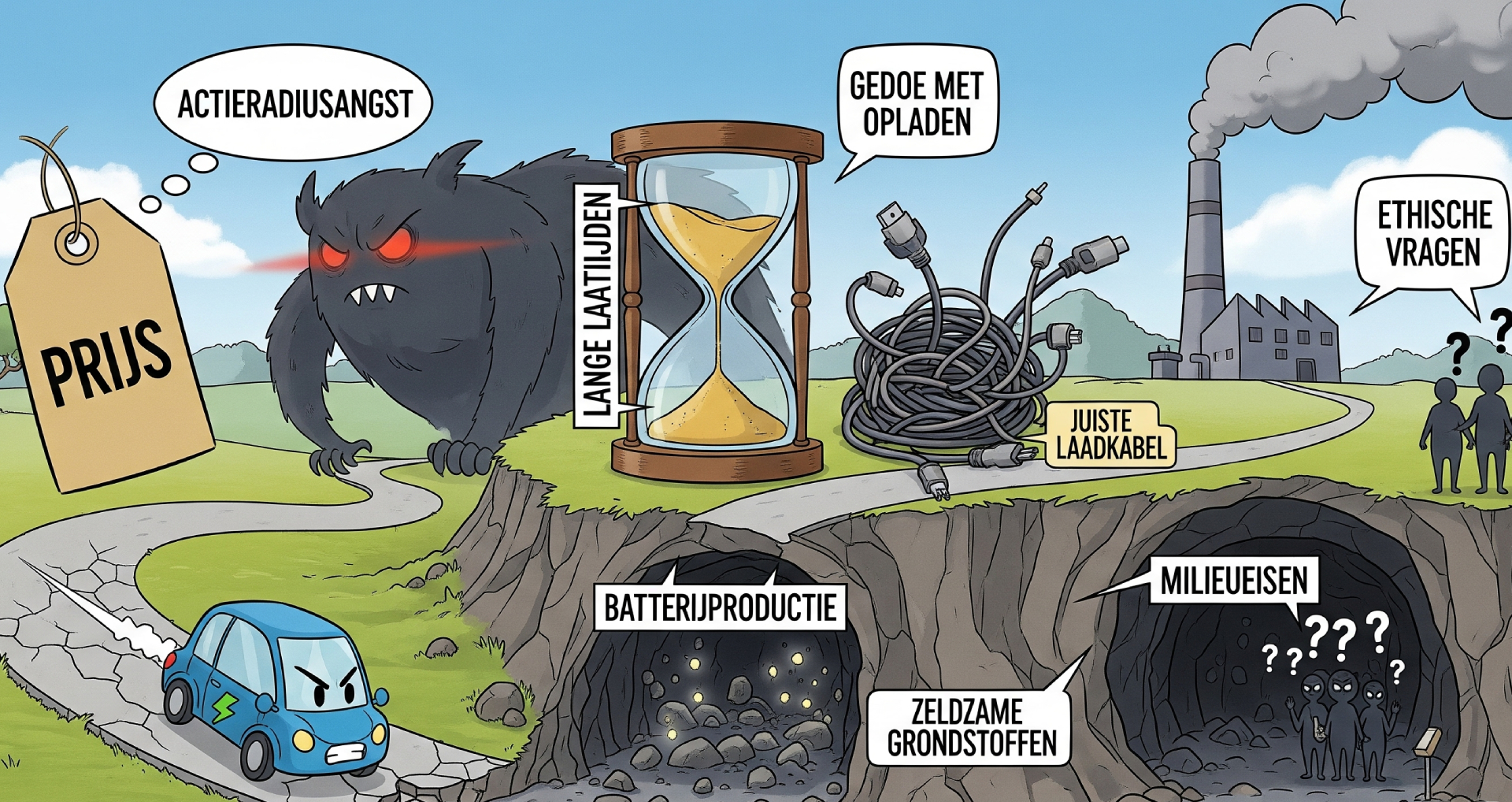
Car manufacturers have made huge strides, but they still have numerous obstacles to overcome on the road to widespread EV acceptance. These include the cost of purchase, the limited range that scares people, the (im)ease of charging, sustainability and recycling.
Cost of electric cars
For now, one of the biggest stumbling blocks to the EV’s real breakthrough is and remains the purchase price. Although some more affordable electric passenger cars have appeared on the market in recent years, EVs are still more expensive than comparable fuel-engined models. This is mainly due to the high production costs of batteries. But manufacturers are investing in economies of scale and new technologies to bring prices down. They are working on solid-state batteries, which are not only safer and more compact than lithium-ion batteries, but also more economical in the long run.
Vanishing subsidies and tax breaks also play an important role. These were introduced to compensate for higher purchase costs. As these benefits disappear, car manufacturers have to make EVs more affordable to maintain sales. So the challenge is not only technological innovation, but also a competitive price level that remains attractive over conventional models without subsidies.
Furthermore, batteries are heavy; this is less of an objection for large cars than for small models. But it does make family cars and smaller cars too expensive and heavy to attract enough customers.
Range and charging time
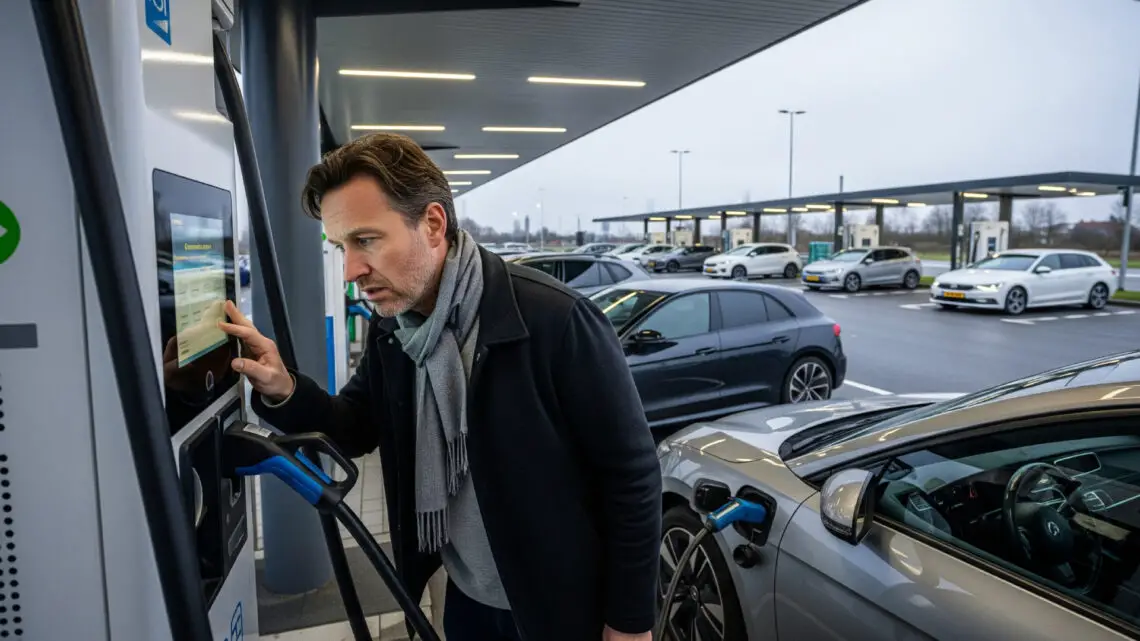
For many drivers, range anxiety is still a thing. Manufacturers often give electric cars a theoretical range of between 300 and 600 kilometers – under ideal conditions. For daily use, this is of course sufficient, but potential customers are uncertain about long trips, for example during vacations, and charging on the go.
Meanwhile, the charging infrastructure has greatly improved. Fast-charging stations are springing up like mushrooms along highways. Modern EVs can charge with powers up to 350 kW, theoretically allowing you to recharge within 20 minutes for hundreds of miles. But this is not the norm and, as a result, charging and charging time remain a barrier for many drivers.
The future lies mainly in more efficient batteries, faster charging speeds and smarter software. EVs that plan the charging process themselves, based on the planned route and available charging points, are already on the rise. This makes long trips easier and addresses the fear of being stranded without power.
Market acceptance
Buying an electric car is still a big step for many people. Not only because of the price or range, but also because driving is different. The battery makes the car much heavier and an electric motor basically delivers power instantly, without any engine noise. All this makes for a different driving experience than a traditional fuel-engine car. Some appreciate this, many others have to get used to it.
Practical issues also play a role, such as the ability to charge at home. Not everyone has their own driveway with a charging station. Those who live in an apartment or in the city often depend on the public infrastructure for charging. That limits the attractiveness of electric driving.
Governments and charging station operators are trying to solve this by installing more and more public charging points and making charging systems smarter, such as through dynamic tariffs that make charging cheaper during off-peak hours.
Sustainability and environmental requirements
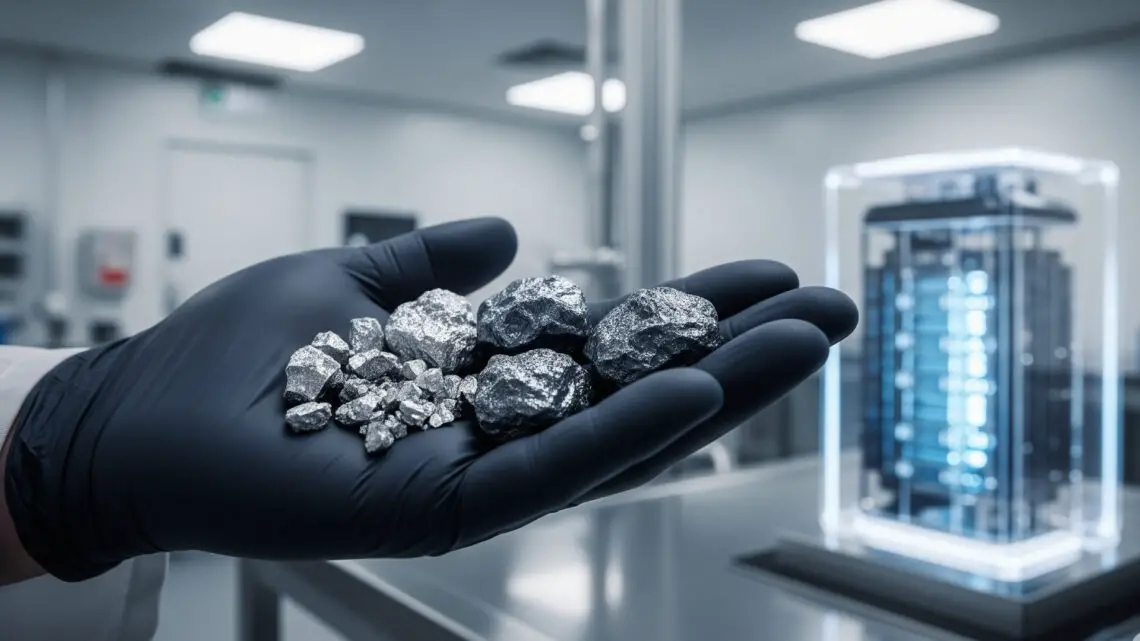
Manufacturers often present their EVs as the solution for cleaner transportation. Yet the reality is more complex. The production of batteries requires raw materials such as lithium, cobalt and nickel. These are scarce – thus expensive – and are often extracted under harsh conditions, raising questions about sustainability and ethics. Manufacturers are therefore working to develop batteries that rely less on rare materials.
Recycling is also becoming increasingly important. Recovering usable raw materials from old batteries is technically possible, but not yet profitable on a large scale. Nevertheless, Europe is setting increasingly stringent requirements to improve this process to reduce the carbon footprint of EVs.
What has already been achieved
Despite the challenges, automakers have made impressive strides in recent years. We give some examples.
- Greater range – the first generation of EVs sometimes did not go beyond 150 kilometers, modern models now easily reach 500 kilometers.
- Faster charging – from hours at a regular outlet to minutes at a fast charger. This makes electric cars increasingly practical in everyday use.
- Wide range – the selection used to be limited to a few models, now there is something for almost everyone: from a single small city car to luxury SUVs and sports cars with 400 kW or more.
- Lower running costs -electric cars are often cheaper to maintain because an electric motor has fewer moving parts and thus wears out less than a fuel engine.
Innovation and technological progress
In the coming years, innovations will continue to improve the electric car. Solid-state batteries promise higher energy density, shorter charge times and longer life. Manufacturers are also working on better energy management systems to make cars smarter with available energy. Another development is bi-directional charging. This allows your EV to not only take electricity from, but also feed it back to the grid or to your home. This makes the car part of the energy transition and reinforces the role of electric driving in society.
Software also plays an increasing role. Over-the-air updates ensure that cars continue to improve after purchase, for example through more efficient energy management and new driver assistance systems. This increases longevity and improves the user experience.
What the future demands
For electric cars to break through completely, manufacturers must improve them on several fronts:
- Affordability – EVs should be priced more attractively and not rely on subsidies;
- range and charging time – range should be comparable to that of conventional cars, with charging times comparable to fuel refueling;
- charging infrastructure – public and home charging should be possible and affordable for everyone;
- sustainability – production and recycling of batteries must be less harmful to people and the environment;
- consumer confidence – manufacturers need to convince motorists that an EV is practical and reliable, even for long distances and long durations.
Innovate before final obstacles
Electric cars have made a huge leap in the past decade. Manufacturers have overcome many obstacles. Yet affordability, sustainability, infrastructure and market acceptance are still too many concerns. With continuing innovations and stricter regulations, the pressure to find solutions increases. After all, the electric car is no longer an experiment, but a permanent factor in tomorrow’s mobility.