
Hassle-free car insurance: here’s how to choose the right coverage after your license plate check
First know what you are driving
Choosing insurance surprisingly doesn’t start with the policy but with your car. With a license plate check you can get a grip in a few minutes on year of construction, market value, number of previous owners, MOT and sometimes indications of maintenance and damage history. This seems dry, yet in practice it makes the difference between being adequately insured or paying too much.
Consider the driver looking to sell a compact city car. License plate information shows that similar models sell quickly on average, but windshield and parking damage are common. For the new owner, that combination of value and risk determines coverage. If you drive daily through narrow streets with tight parking spaces, the risk is different than if the car is mostly in a clean garage and only drives on weekends.
Use the data as a capstone: what is the daily value, where is the car usually located, how many miles do you get per year and who else drives it? With this context, choosing does not become a guess, but a logical step.
Which coverage fits your car and use
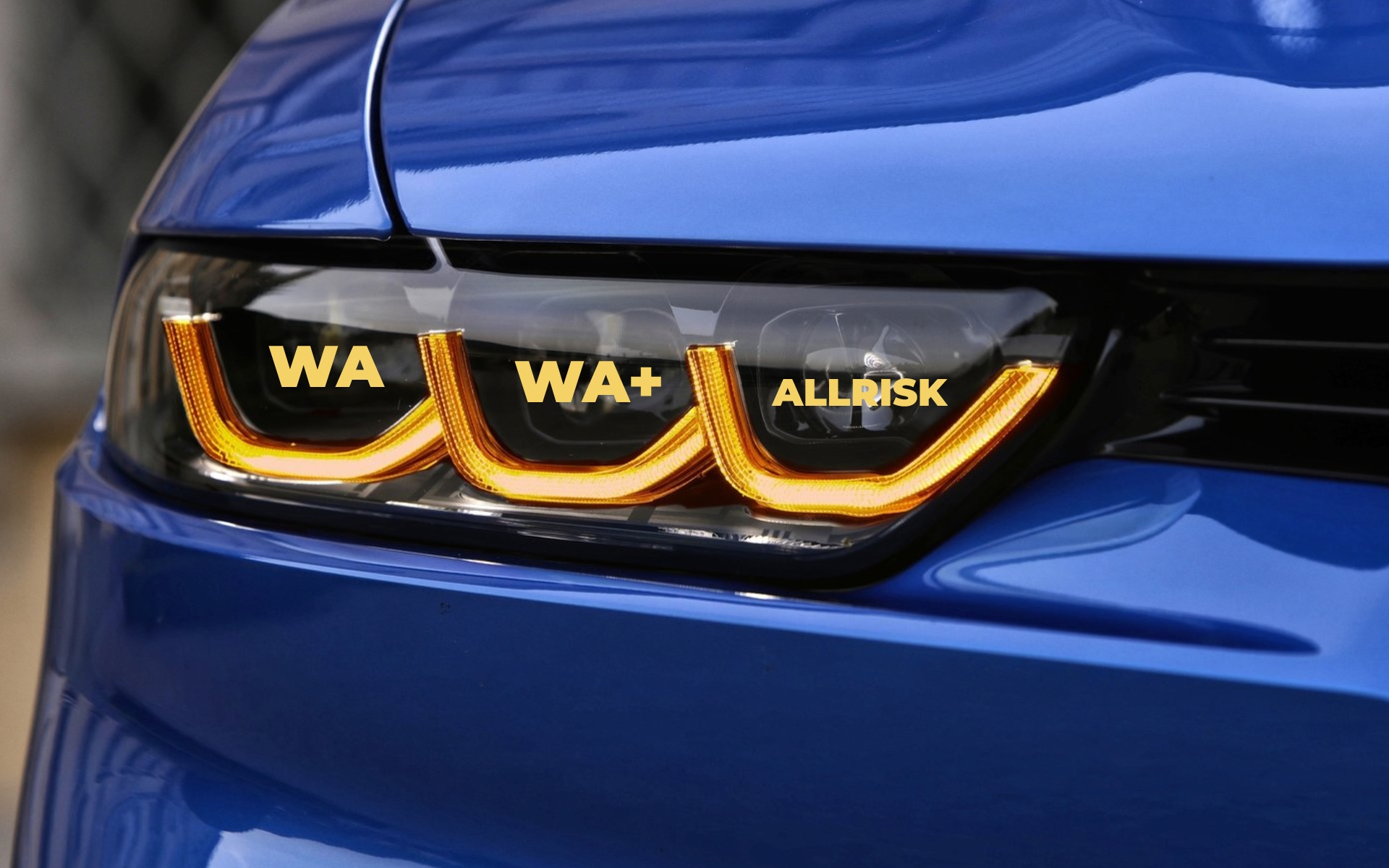
Overall, you can choose from three levels: WA, WA+ and All-risk. WA is required by law and only compensates damage you cause to others. WA+ extends this to theft, fire, storm and windshield damage, among other things. All-risk adds your own damage from a collision or slip and fall, even if it is your fault.
Rules that provide guidance
If your car is young and still represents a high value, All-risk often makes sense. For mid-size cars from about six to 12 years old, WA+ is often chosen because it fits well with risks such as burglary, vandalism and natural disasters. Older cars with a modest daily value often end up with WA, especially if you have low mileage and use the car outside of crowds.
Context makes the difference
If you live in a neighborhood where break-ins occur, then WA+ weighs more heavily. If you park in an enclosed garage, you might want to take it one step lower. Excess and no-claim discount also play a role. If the risk you run matches the premium you pay, the choice will immediately feel calmer. Who without noise car insurance wants, use these points as a checklist and more quickly arrive at a policy that’s right.
What if something goes wrong: realistic scenarios
A loose pebble taps a star in your windshield during highway driving. In a storm, a branch falls on your hood. Or you discover after a night out that a stranger has scratched your door. For these kinds of situations wa limited casco often coverage. In case of a collision caused by your own steering error, you will need All-risk coverage for compensation of your own damage. Damage you cause to someone else falls under WA, regardless of which additional coverage you have.
A classic example: someone drives an older car mostly outside rush hour and chooses WA. After an autumn storm the rear window is broken and WA+ would have been useful. If you turn the situation around and choose standard All-risk on a car with a low daily value, you quickly pay too much premium. It helps to run through a few scenarios that fit your route, parking spot and seasonal risks.
Saving without regret
Cutting premiums can be smart or painful. Smart is choosing a deductible that you can actually carry and which lowers the premium. Smart is also checking annually whether your coverage still matches the current value from your license plate information. If you trade in few claim-free years and drive few miles, lower coverage often feels more comfortable than you thought.
Watch for fine print that comes out big. How is windshield damage repaired, does a parking dent count as damage to your bonus-malus, and are accessories such as a tow bar or charging cable covered? Also check whether temporary replacement transportation has been arranged. These details determine whether you can continue smoothly in stressful moments.
This is how you round it off neatly
Have your information ready: claim-free years, license plate number, main driver and estimated mileage per year. Compare not only the premium but also the terms and conditions on the same parts. Look at cancellation options and whether you can easily adjust coverage if your situation changes, such as after a sale or when the car gets a different driver.
Finally, it is helpful to set a reminder for an annual check. Cars get older, commuting patterns change and so does your risk profile. Periodically recalibrating keeps the balance between premium and protection healthy and you’ll drive down the road with more confidence.