
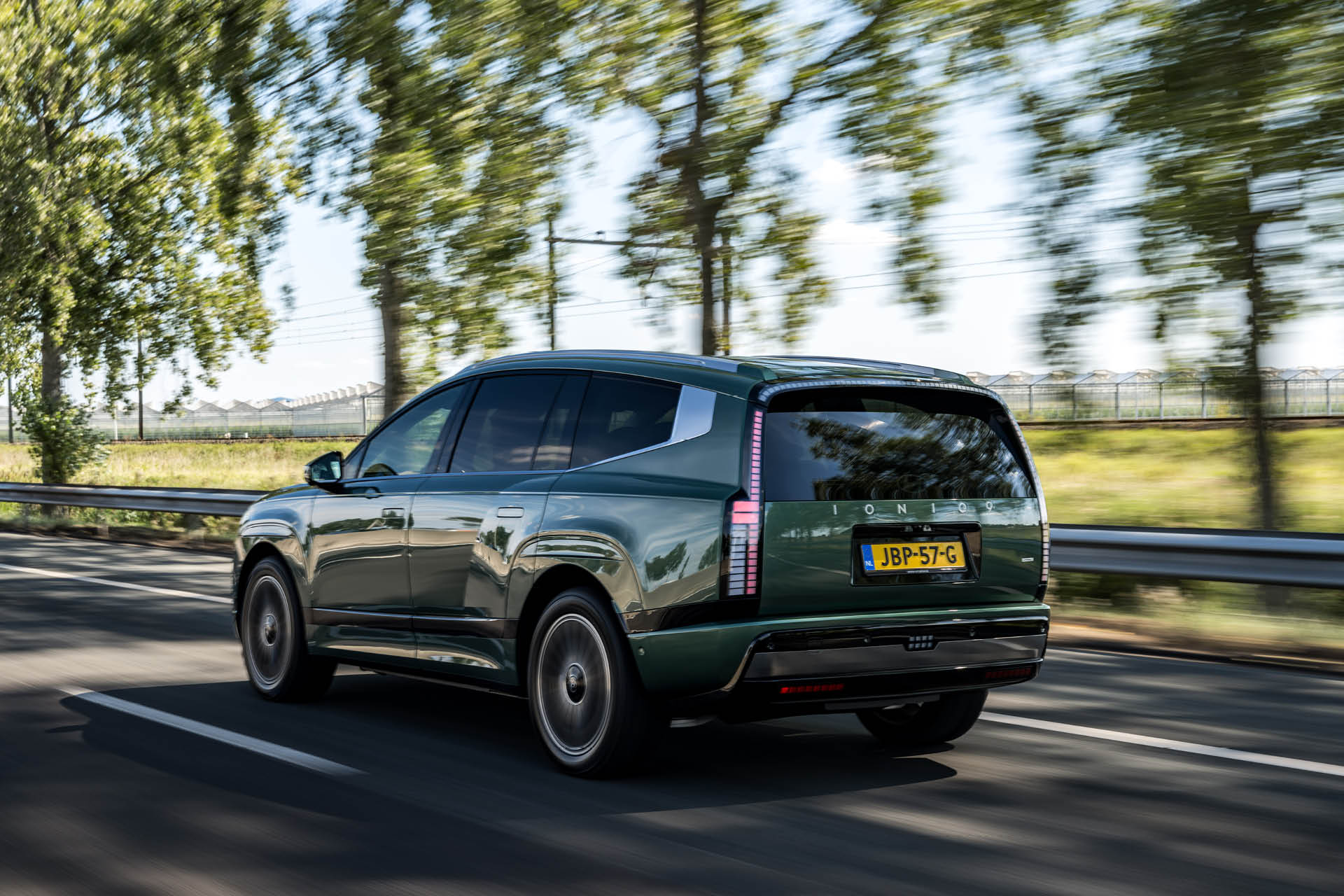
From charging station stress to range: frequently asked questions about e-SUVs
Many people still think that electric cars are mainly suitable for short trips or small models. But the market has totally changed. Modern e-SUVs have room for high chairs, baby carriages, groceries and vacation gear. Clever placement of the battery pack creates a flat load floor and extra storage space. The interior is more often quiet, comfortable and technologically better equipped than comparable gasoline cars. Think large touchscreens, advanced assistance systems and even rear-seat entertainment. For many families, an electric SUV just feels more practical as well as quieter.
What about charging on the road?
The eternal question, “What if the battery dies on the highway?” In practice, it doesn’t turn out to be all that bad. Fast-charging networks are expanding at lightning speed, and many manufacturers use fixed charging platforms where you can see in advance where there is space. Many e-SUVs can recharge enough for hundreds of miles in 20 to 30 minutes. In addition, supermarkets, sports clubs and parking garages increasingly have charging stations. So charging is becoming a natural part of everyday life.
Why do so many brands opt for an electric SUV?
The electric SUV is exploding in popularity, and there are reasons for that. You sit high, have a good overview in the city, but still a fine car that parks easily. Thanks to lighter batteries, they are cheaper, more economical and quicker to charge than large models. Many families find that they don’t need a giant car, but they do need the flexibility and luggage space of an SUV. That’s why almost all major automakers are releasing compact e-SUVs: often with surprisingly luxurious options and sporty designs.
How far do you actually get on one charge?
Range remains a top question. But a lot is changing there, too. The latest electric cars effortlessly reach 350 to 500 kilometers, depending on driving style and weather. For daily trips, that’s more than enough. Even vacations are becoming easier: many navigation systems automatically plan charging stops along the route and choose fast chargers with the shortest waiting time. Moreover, batteries are becoming more economical and charging speeds higher, making charging more like a coffee break than a half-afternoon wait.
Is electric driving really more economical?
Yes, most of the time. Charging costs less than refueling, maintenance is cheaper because there is no oil, gasoline, exhaust or transmission involved, and many countries offer subsidies, tax breaks or lower road taxes. And those who charge at home or have solar panels save even more.
In short, e-SUVs are no longer exciting or experimental. They are practical, economical, modern and, in the form of a small electric SUV, even surprisingly affordable. For those who doubt that electric SUVs have a future, the answer is simple: they are the future. And that future is driving a little further every day.