
Chameleon film for cars – what is it and is it legal?
What is chameleon film?
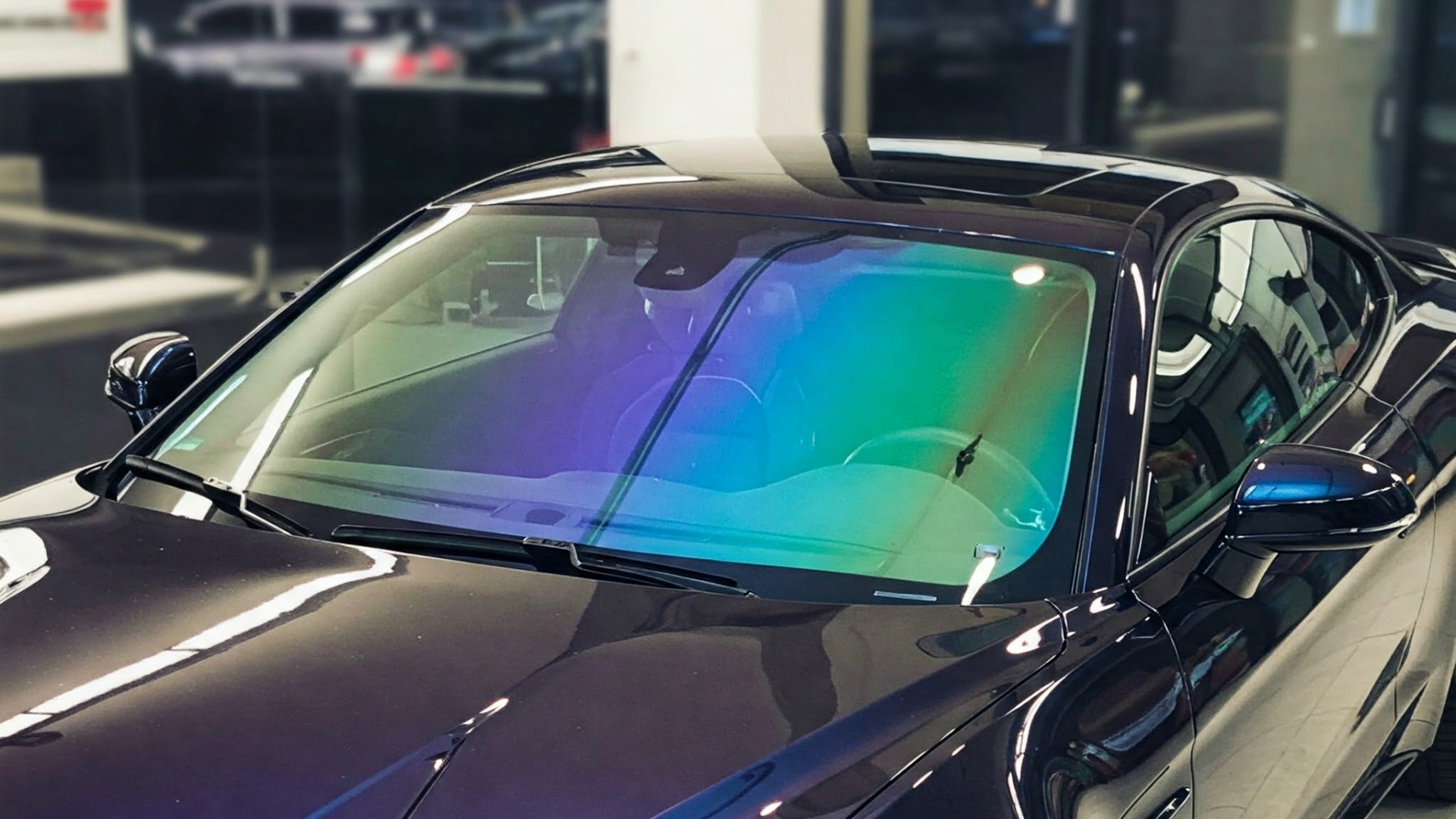
Chameleon film, also known as “chameleon tint” or “interference film,” is a special window film that changes color depending on light and viewing angle. This gives car windows a striking, reflective glow in shades such as blue, purple, green or gold. The film is often used for styling and tuning, but it can also provide heat protection and extra privacy.
How does chameleon film work and how do you apply it?
Chameleon film works by using several thin layers to reflect certain wavelengths of light and let others through, creating the color effect. The degree of reflection and color change depends on the specific composition of the film and the incidence of light. Some variants are subtle and give only a slight coloration to the window, while others have a strong reflective effect. As a result, not every film is legal either, about which more later.
Applying chameleon film is a precision job and requires patience and the right materials. First, the car windows must be thoroughly cleaned to remove dust and dirt. Next, the film is cut to size and applied to the window using an application fluid. Gently smoothing the film removes air bubbles and creates a tight result. The drying time can take several days. During this time, the film fully adheres to the glass. Although it is possible to apply chameleon film yourself, many motorists choose to have it done professionally to avoid air bubbles and cracks.
How much does chameleon film cost?
The price of chameleon film depends on several factors, including the quality of the film, the number of windows being tinted and whether the installation is professionally done. Do-it-yourself kits are available starting at about 50 to 150 euros per window, but these involve a greater risk of air bubbles and a less tight result. Professional installation costs between 250 and 600 euros, depending on the size of the windows and the quality of the film.
In addition to the initial cost, it is also important to consider the lifespan of the film. Cheaper varieties may discolor or peel over time, especially with prolonged exposure to UV radiation. High-quality films last an average of five to seven years and retain their color and reflectivity longer.
Is chameleon foil legal in the Netherlands?
In the Netherlands, the use of window film on cars is subject to strict regulations. By law, the windshield and front side windows must allow at least 55% of light through. Since most chameleon films have lower light transmission and are sometimes highly reflective, they are not allowed on these windows.
Less strict rules apply to the rear side windows and rear window. Here chameleon film may be applied, provided the car is equipped with exterior mirrors on both sides (which is almost always the case).
Those who drive with windshields that are too dark or reflective risk not only a fine, but also problems at the MOT. The police can issue a fine and require immediate removal of the film. Some car manufacturers supply their own heat-reflective windows with a light tint. These are homologated and legal.
Advantages and disadvantages of chameleon film
Chameleon film offers several benefits. You may just think it’s beautiful, but in addition, the film can also filter sunlight and UV rays, which helps keep the car’s interior cooler and prevent dashboard discoloration. In addition, it can provide added privacy by making it harder to see inside.
At the same time, chameleon film also has drawbacks. On the windshield and front side windows, it is usually not legal. Those who choose this option anyway risk fines and apk rejection. In addition, film that is too dark can reduce visibility in the dark, negatively affecting safety. Cheaper films can discolor or come off over time, diminishing the effect.
Alternatives to chameleon film
For those who still want a subtle tint on their windows but want to stay within the law, there are alternative solutions. Manufacturers are increasingly offering heat-reflective glass, which filters UV radiation and heat without reducing visibility. This type of glass sometimes has a slight blue or green tint, but stays within the legal limits of light transmission.
In addition, translucent window films are available that not only preserve visibility but also have heat-reflecting properties. Those who want a darker look without using film can also opt for factory tinted windows, which are often offered as an option on new cars.
Conclusion – is chameleon film worth it?
Chameleon film can give a car a distinctive look and offers some practical benefits, such as heat protection and added privacy. Yet there are significant limitations, especially in terms of legislation. In the Netherlands, film on the windshield and front side windows is usually not allowed. Those who do want chameleon film would do well to invest in a quality variant and have it professionally applied. For motorists who want to stay within the law, there are alternative solutions such as heat-resistant glass or tinted windows from the car manufacturer itself.