This brand new battery factory is just in Europe
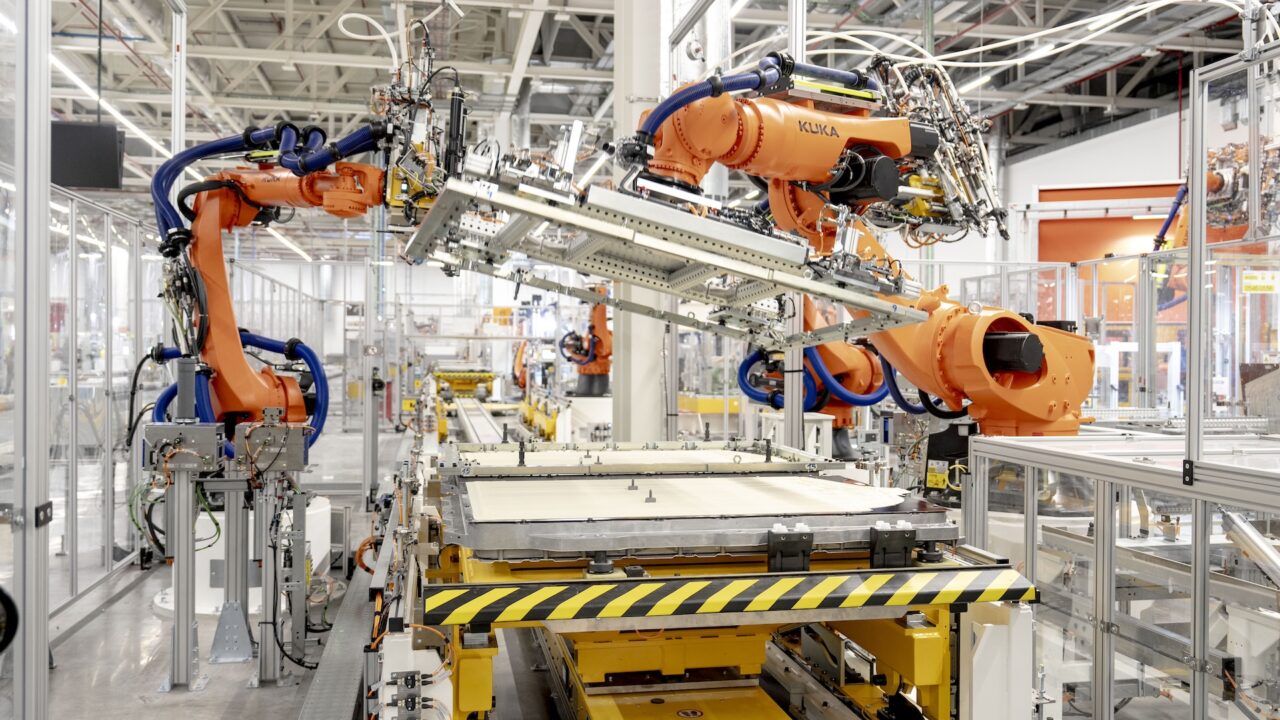
Battery systems assembly
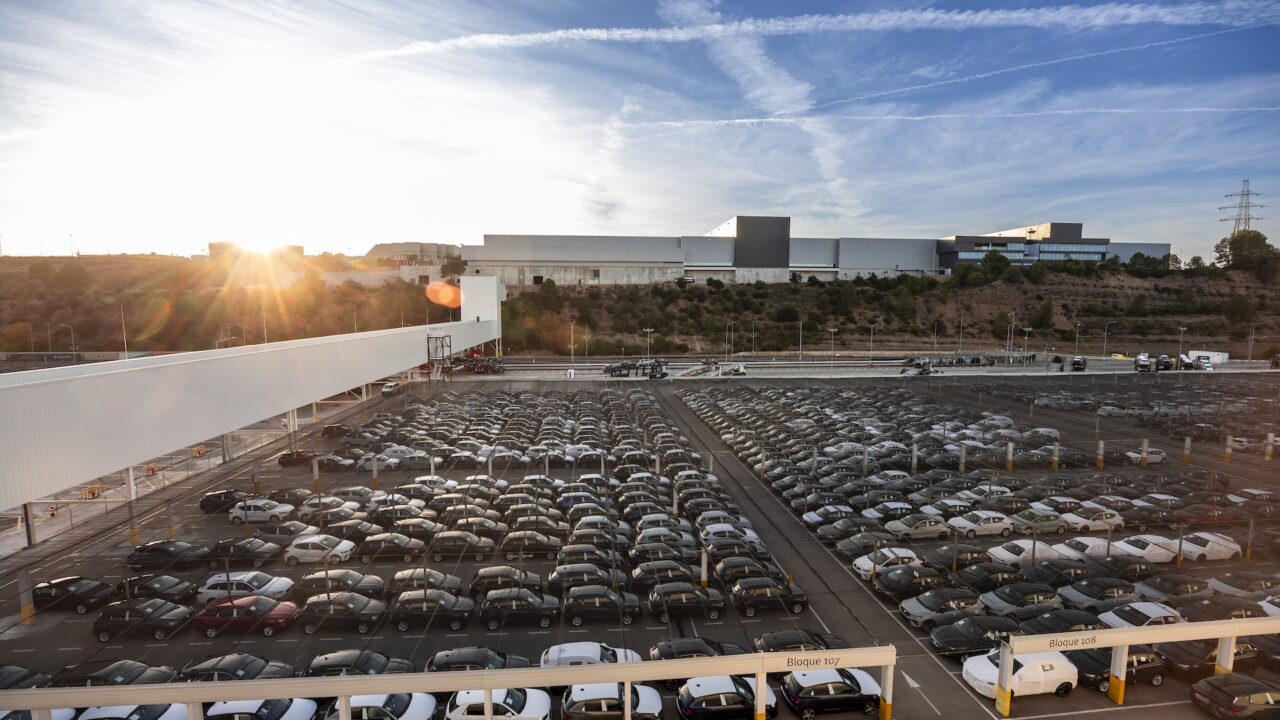
The opening of the plant marks an important moment for SEAT and CUPRA, as well as for Spain and the Volkswagen Group. Battery systems will now be assembled in Martorell for the electric models that will come off the assembly line from 2026, including the CUPRA Raval and the Volkswagen ID. Polo. This will make the plant not only a production site, but also a link in a broader European battery strategy. The Volkswagen Group deliberately opts for a mix of in-house production and external suppliers in order to remain flexible while maintaining direct access to new technologies and innovations.
300 million euros
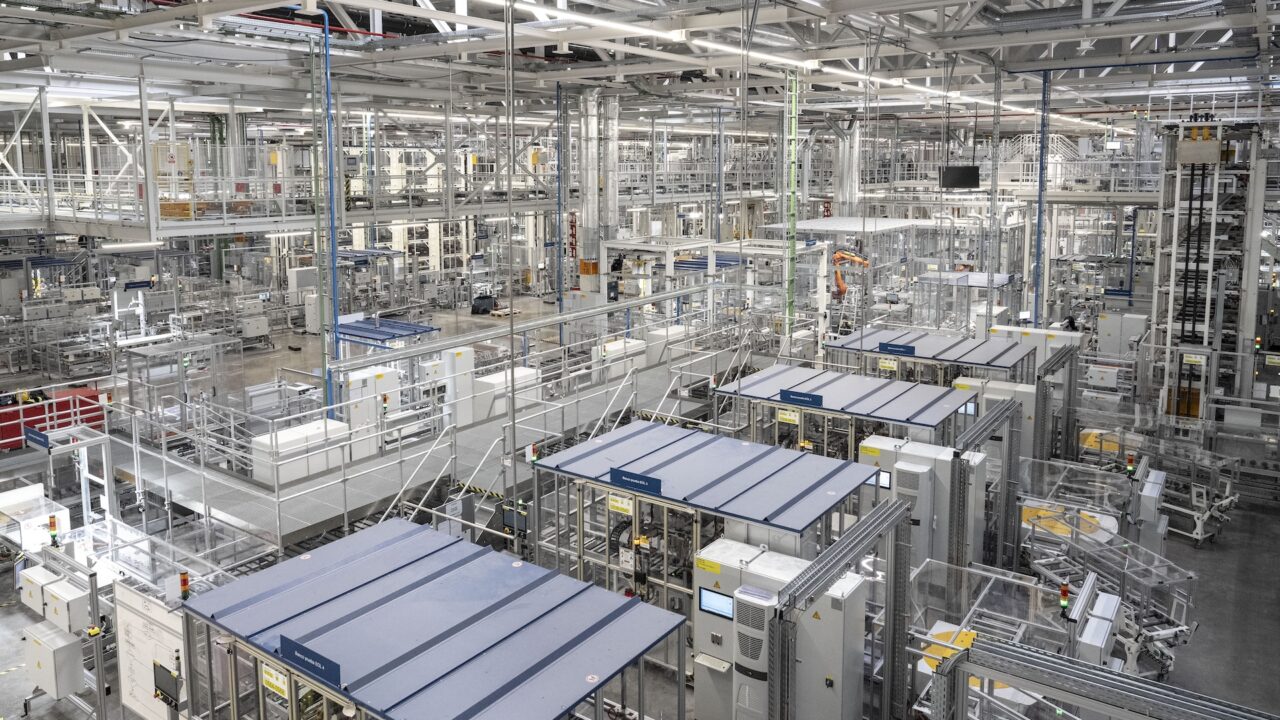
That this plant is there today is the result of a process that has been underway for several years. In just over two years, a completely new facility was built, with an investment of 300 million euros. The plant covers 64,000 square meters and is set up for large-scale series production. A battery system rolls off the line every 45 seconds, good for up to 300,000 systems a year. Starting in 2026, these batteries will be used exclusively for the models assembled in Martorell. Through an automated connection, a 600-meter-long bridge, the battery systems go directly to final assembly. This keeps the logistics compact and manageable.
Flexible production location
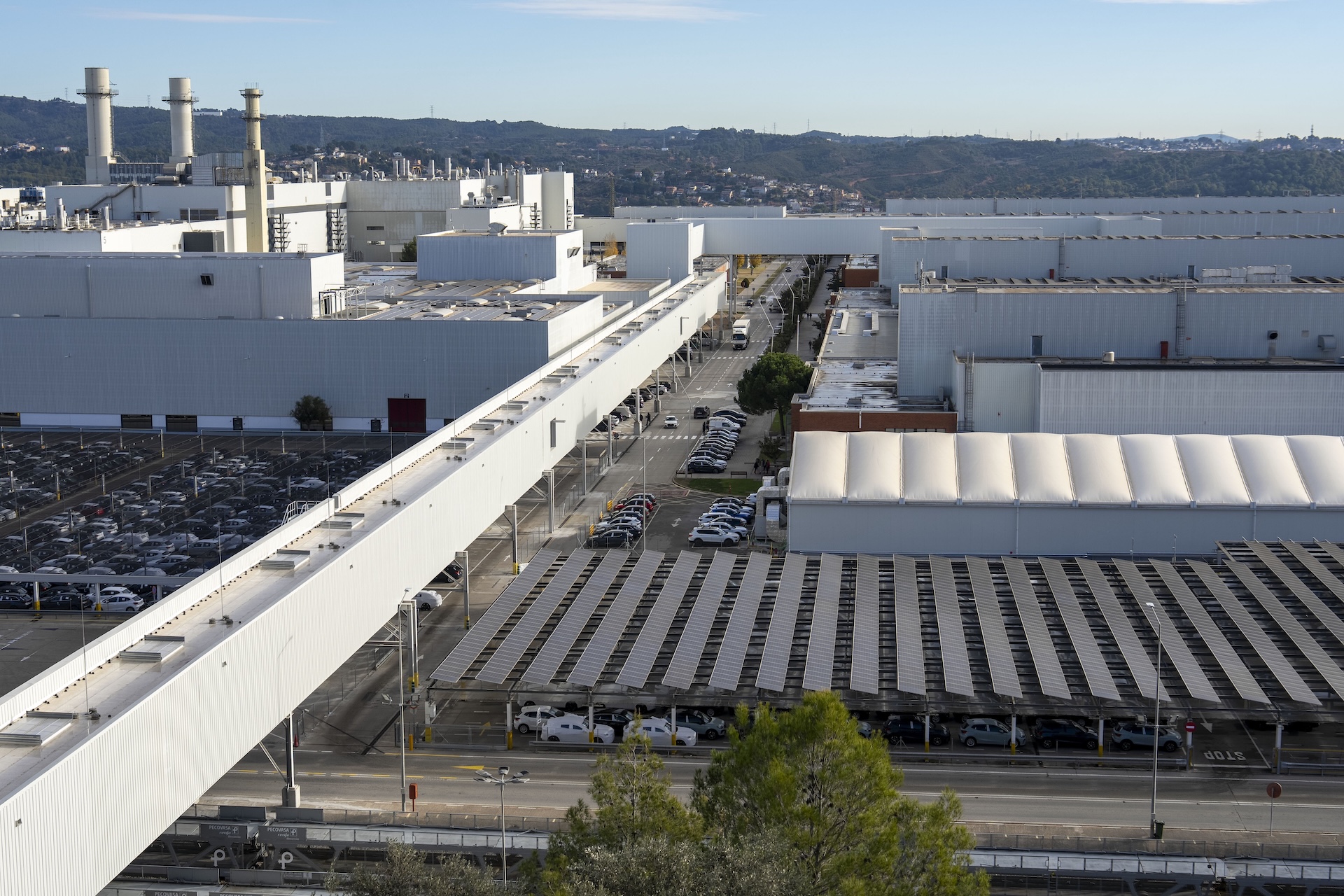
Remarkably, the plant is not separate from the rest of the complex, but rather seamlessly integrated into it. This fits with the broader transformation of Martorell into a flexible production site where different powertrains can coexist. Electric, hybrid and efficient internal combustion engines will soon be produced here within a single plant. That approach makes it possible to respond quickly to changes in the market, without having to make major modifications each time.
11,000 solar panels
Energy and resources have also been considered in the design. There are 11,000 solar panels on the roof, accounting for about seventy percent of the electricity needed for the battery assembly process. In addition, a water collection system has been constructed with a capacity comparable to three Olympic-sized swimming pools. That water is reused within the plant, reducing the burden on local resources. These are choices that show how production and sustainability are increasingly viewed together, not as separate themes but as part of a single whole.
MEB+ battery system
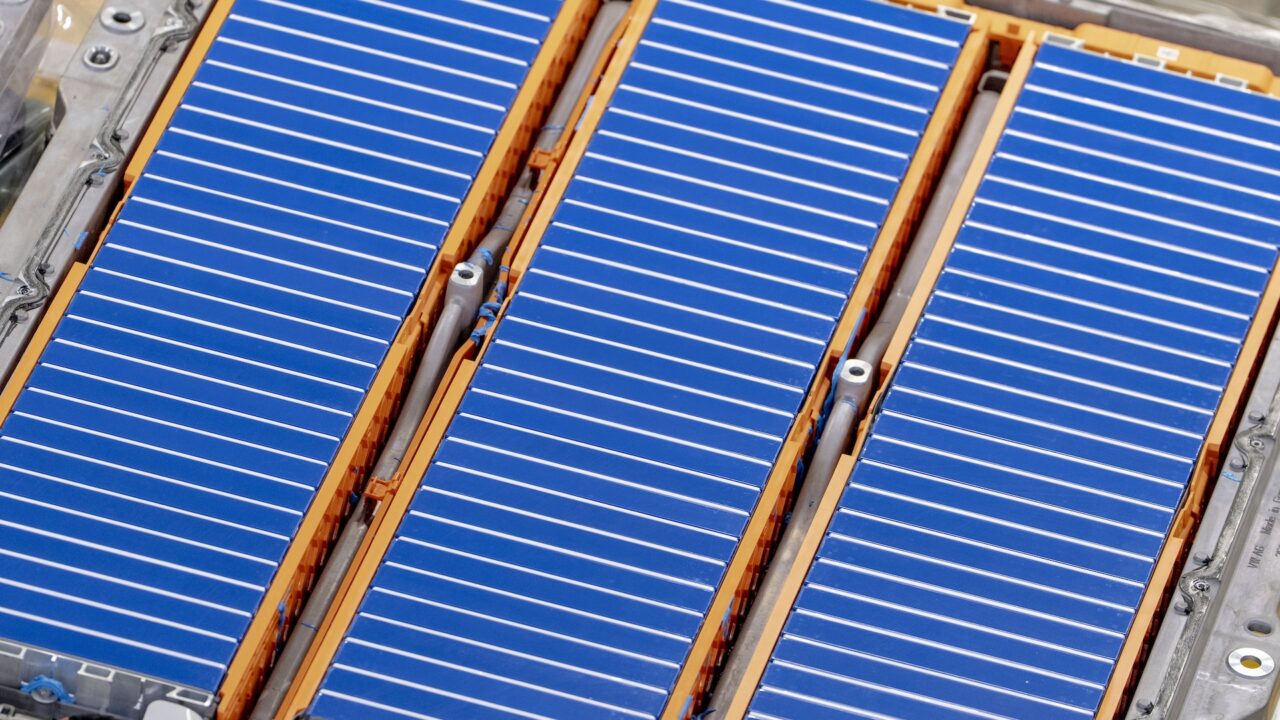
Technically, the plant is closely linked to the latest generation of battery technology within the Volkswagen Group. In Martorell, the MEB+ battery system is assembled, in which the so-called “unified cell” is used. This is not a specific battery cell for one model, but a globally deployable platform suitable for different brands, segments and regions. Moving to a compact cell-to-pack design and also adding lithium iron phosphate as a cell chemistry creates more freedom in design and cost control. At the same time, it reduces dependence on external parties and strengthens the European position in the battery field.
10 billion euros
The opening of the battery assembly plant is part of a much larger investment program. Since 2020, together with partners within the Volkswagen Group, about 10 billion euros have been invested in the electrification of Spain. For Martorell alone, this involved 3 billion euros. This makes the plant one of the group’s most important production sites in Europe. About a quarter of all cars built in Spain come from here. In time, capacity could reach 600,000 vehicles a year, possibly half of which would be fully electric.
Electric Urban Car project
Moreover, Martorell does not stand alone. SEAT and CUPRA has taken the lead within the Volkswagen Group on the so-called Electric Urban Car project. That project includes four compact electric models from three different brands, all produced in Spain. In addition to Martorell, the plant in Navarra also plays an important role, where the Skoda Epiq and the Volkswagen ID. Cross go into production. The idea behind this project is clear: develop and build electric cars suitable for everyday use in Europe, with production close to home.
CUPRA Raval
The CUPRA Raval is the first model from this new family to appear on the market. Its world premiere is scheduled for 2026, but its outline is already clear. It is a compact electric car on the MEB+ platform, with front-wheel drive and a focus on handling and use of space. At about four meters in length, it is suitable for urban use, while interior space and luggage space remain practical outside the city. This makes the Raval an important starting point for CUPRA in the electric era.