
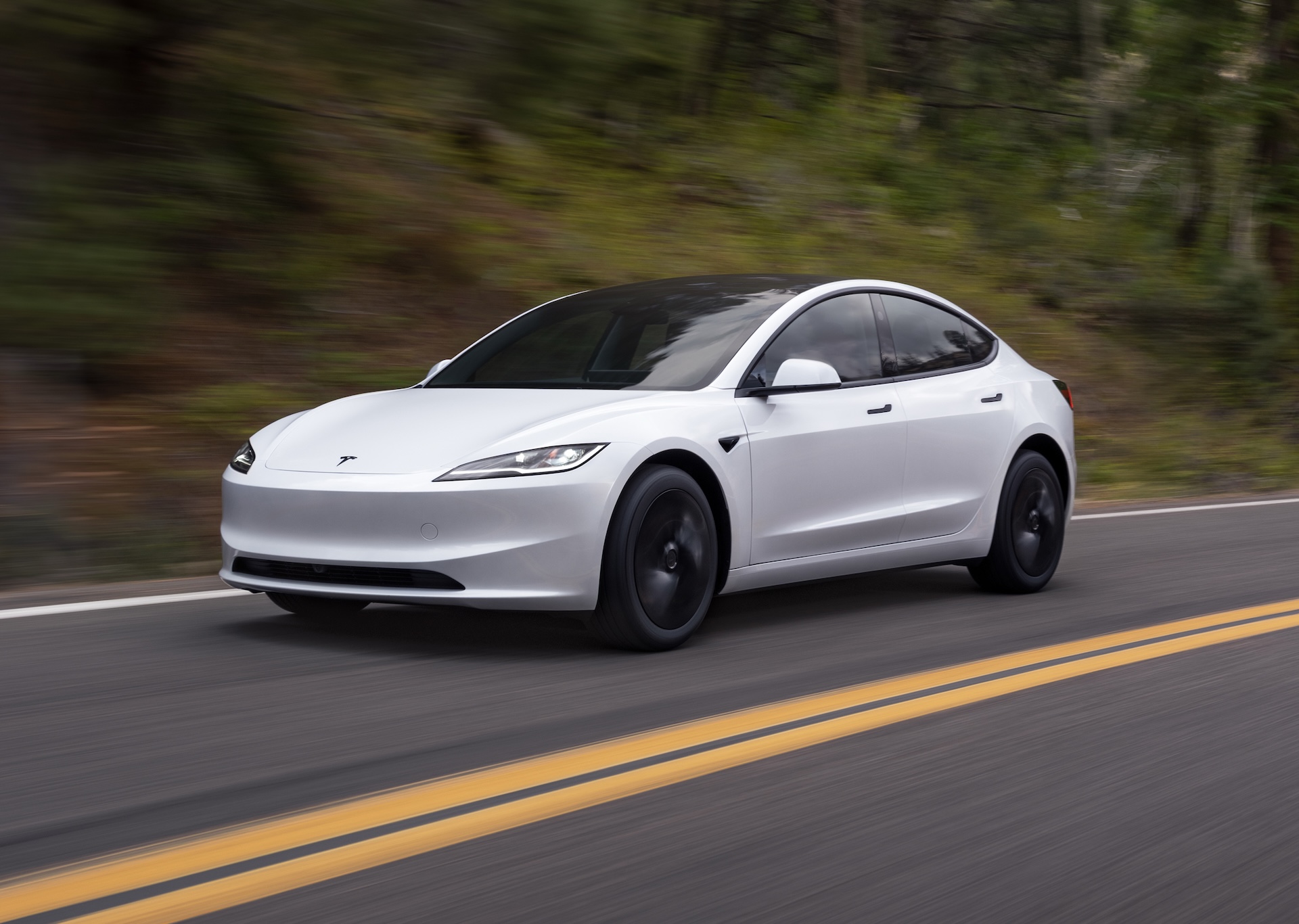
Tesla Model 3 Standard: what do you get for 37,000 euros?
A model with a clear task
When the Model 3 was introduced, electric driving was mostly something for early adopters and business drivers. The car made the transition smaller by pairing electric mobility with range, performance and practicality that were not obvious in this segment at the time. In that sense, the model contributed to the shift from niche to mainstream. With the Tesla Model 3 Standard, Tesla is trying to make the same move again, but now toward a larger audience that pays particular attention to overall cost and practicality.
The basics: efficiency as a starting point
The Standard version takes the foundation of the existing Model 3 and targets a lower entry-level price point. The key element here is efficiency: a WLTP consumption rate of 13.0 kWh per 100 kilometers is extremely low for a car of this size. This is due to a combination of factors: a relatively energy-dense battery pack, electric drive technology that has few losses and a streamline that has been carefully developed. In practice, this means that the car gets further with the same amount of energy than many smaller electric models.
The stated WLTP range of 534 kilometers underscores that the Standard version is not meant to be a city variant, but a full-fledged mileage enthusiast in the mid-range segment.
Charging and long distances
An electric car stands or falls with charging capabilities on the road. Here Tesla uses its existing ecosystem of Superchargers, now thousands in Europe. For many drivers, this removes an important barrier: not the charging speed on paper, but the availability and reliability of charging points determines how relaxed longer journeys will be. With real-time information in the route planner, available locations are displayed and the car automatically schedules necessary stops.
Performance without a focus on sportsmanship
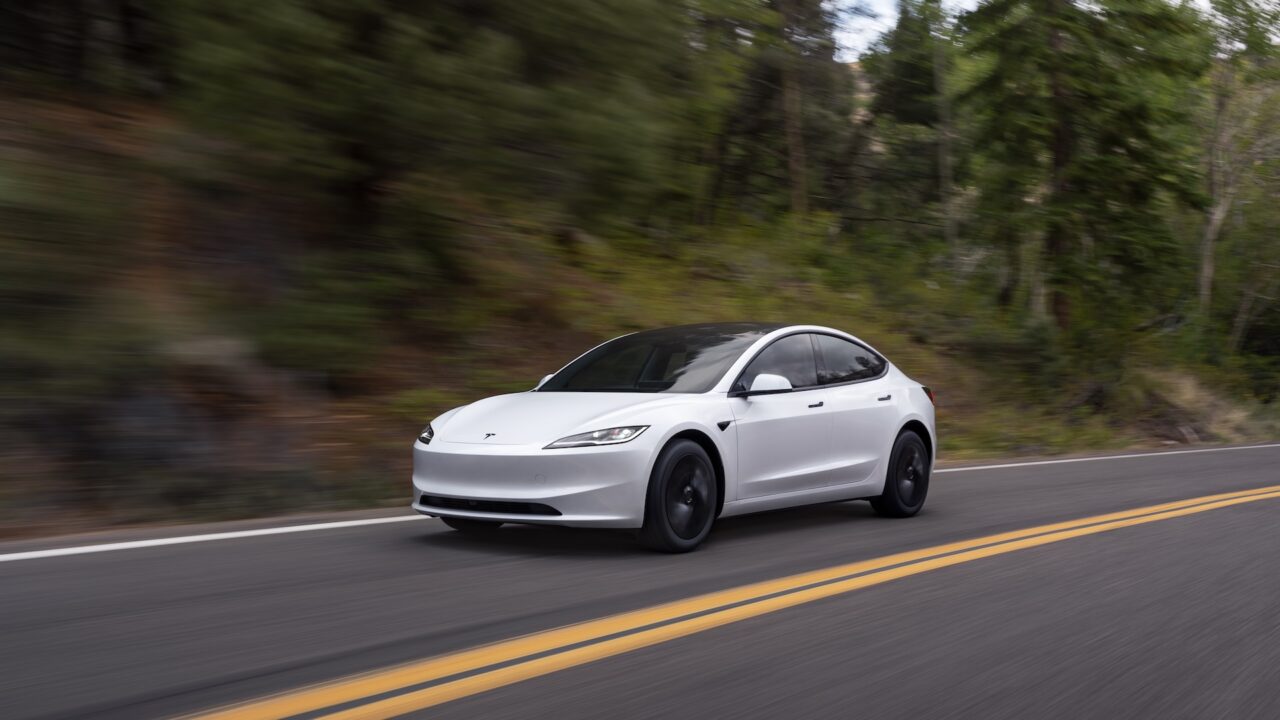
The Tesla Model 3 Standard sprints to 100 mph in 6.2 seconds. That’s not saying everything, but it does indicate that the powertrain has no trouble with the car’s weight. Tesla emphasizes that performance does not come at the expense of comfort or efficiency. This is made possible in part by the simplicity of an electric powertrain: fewer moving parts mean less wear and tear and less maintenance. Tasks such as oil changes or annual standard servicing thus largely disappear from the owner’s agenda.
The 18-inch Prismata rims emphasize rolling resistance and relatively low tire replacement costs, a choice that suits the character of this version.
Production and economies of scale
Tesla has now built more than seven million electric cars. That number is relevant because scale in this industry directly affects component prices, assembly efficiency and logistics. Gigafactories run on large numbers, allowing a car like the Model 3 Standard – despite battery technology and material prices – to be offered at a relatively competitive list price. That is one of the main reasons a version under 37,000 euros appears on the market.
Standard functionality without option packages
A notable element of the Model 3 offering is that many features that are packaged in other brands are included here as standard. For the user, this provides predictability: what you buy is immediately fully deployable.
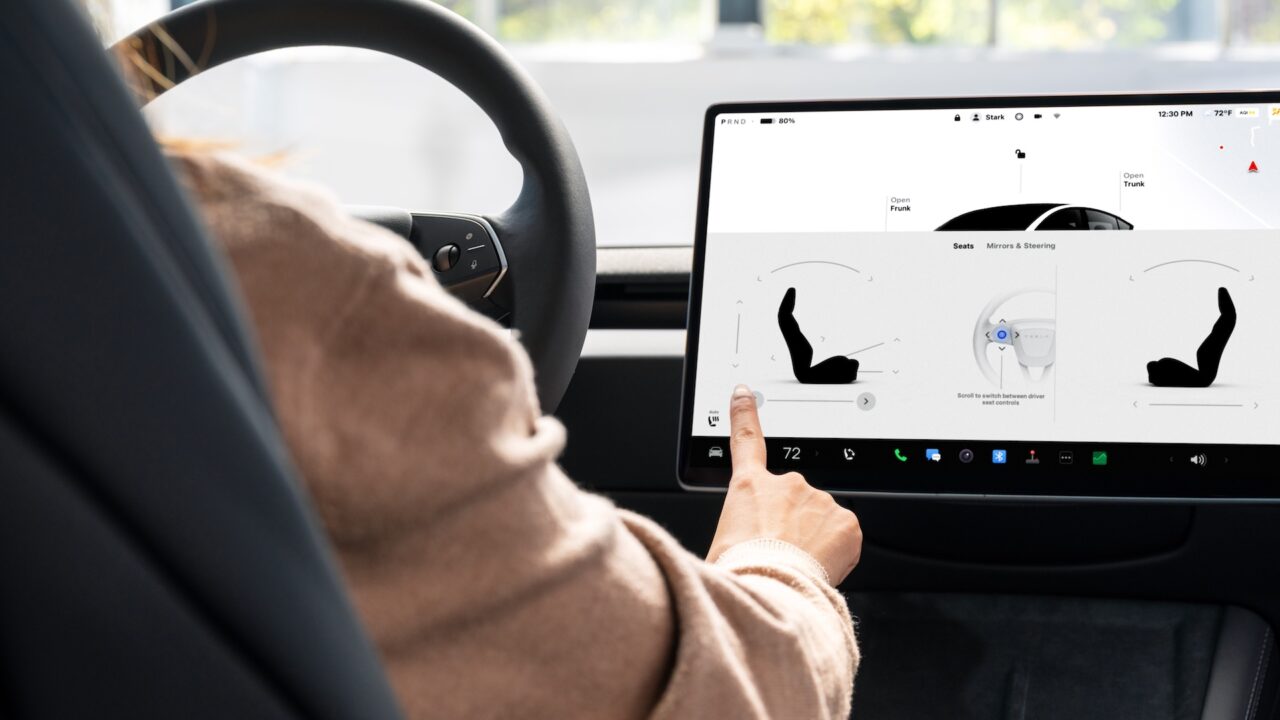
Features such as the phone key, Remote Climate Control, Sentry Mode, Dog Mode and expanded entertainment options stem from Tesla’s software approach. The car largely revolves around one central system that is constantly updated via wireless updates. Voice control is part of that. Not as a gimmick, but as a way to control tasks such as navigation adjustments, music controls or climate settings without touching the screen.
Practical features and luggage space
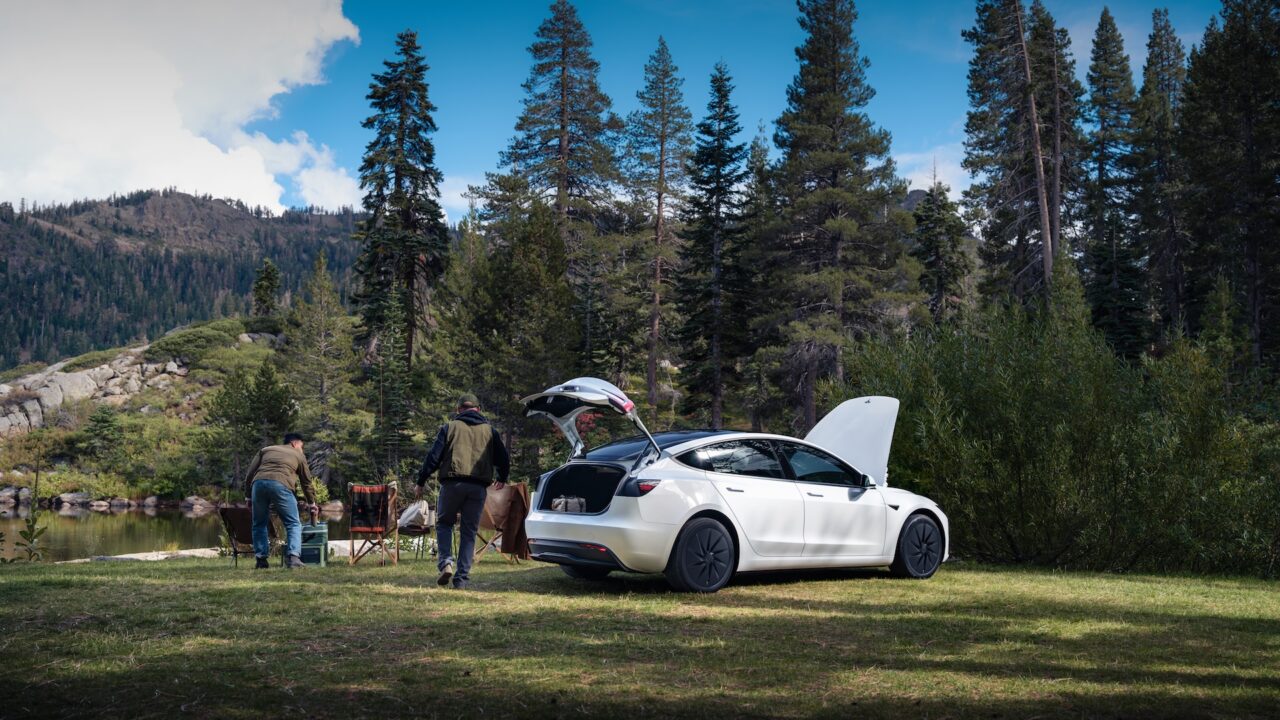
The Model 3 is a sedan, but practically speaking, it behaves more like a spacious liftback. The all-electric tailgate gives access to a trunk of 682 liters with five occupants, or 1,659 liters with the rear seats folded down. With EVs, meanwhile, comes the “frunk”: another 88 liters are available in the front. For many motorists, this mainly means more flexibility in daily logistics.
Not unimportant in the Netherlands: the car can tow up to 1,000 kilograms with brakes. For a tow bar, you pay an additional 1,350 euros.
Interior, seating comfort and user experience
Inside, the Tesla Model 3 Standard gets the same updates made earlier in the series. An additional front-facing camera gives a wider viewing angle on the center display, useful for driveways and narrow streets. The camera has its own nozzle and heating elements against fogging, making the whole system more reliable in wet or cold conditions.
The turn signal lever has been redesigned and is mostly reminiscent of classic controls, intended for drivers who were less enamored with the steering knobs from the earlier generation.
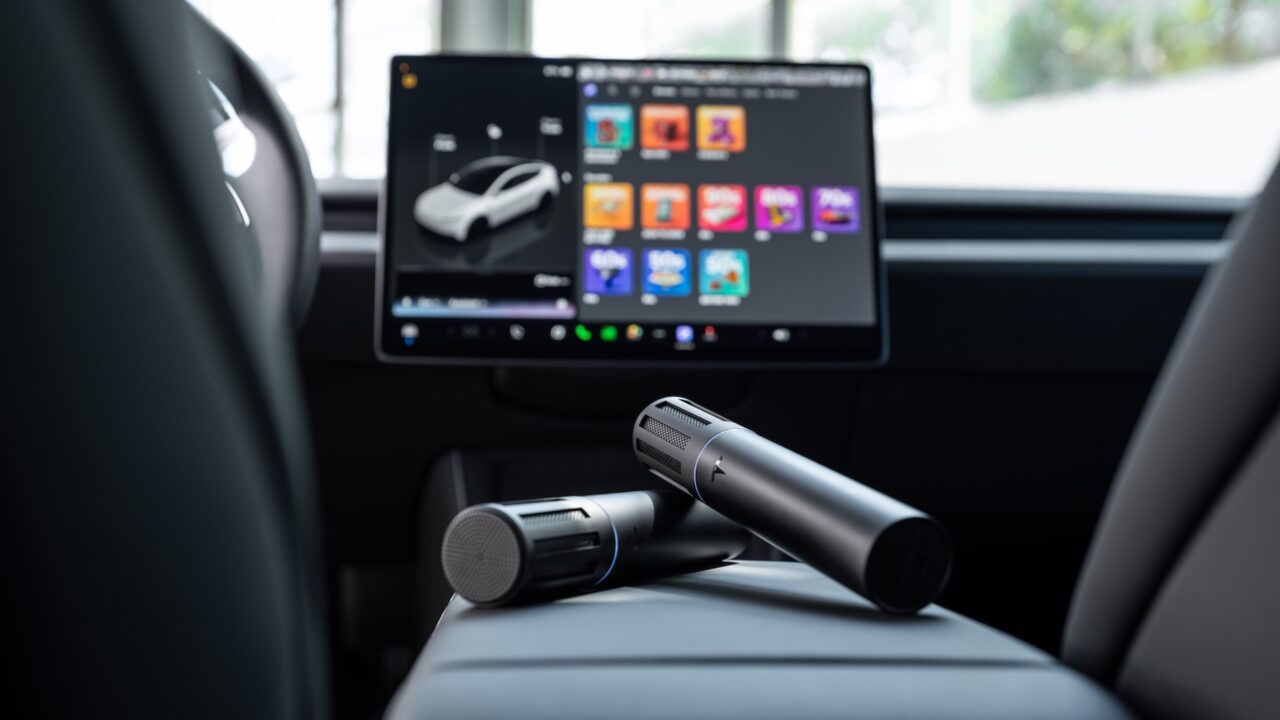
The seats feature a new type of textile that is softer to the touch and, according to Tesla, more durable than conventional upholstery. In the front, the seats are heated and electrically adjustable; in the rear, the headroom is particularly striking. The glass roof adds to the spatial experience, although it also lets in a little more light than a traditional roof. Mobile devices can be charged in multiple ways: wirelessly in the front, or via USB-C ports up to 65 watts for larger devices.
Safety and lighting
Adaptive headlights are now also part of the standard equipment. The combination of camera information and individual pixels in the high beam allows targeted dimming for oncoming traffic or tail lights of cars in front of you, while the rest of the road remains clear. This gives the driver better visibility without hindering others. It is one of the features that makes visible the move from conventional to digital lighting.
Autopilot is standard, albeit within the legal framework. The hardware is prepared for Full Self-Driving (Supervised), but actual activation depends on regulations and approval by market. In daily practice, it mainly means that driving assistance functions, such as adaptive cruise control and lane support, are performed through the same central software platform.
What does the price say?
With a starting price of 36,990 euros, Tesla positions the Model 3 Standard clearly below the existing versions. The focus is on range, efficiency and complete equipment without option lists. The car thus targets drivers who want to drive electric without sacrificing usability, but at the same time do not want to pay the extra price for larger batteries or all-wheel drive. Delivery will begin in January 2026. There is a choice of white, gray or black.
Equipment Tesla Model 3 Standard
- 534 kilometers (WLTP)
- 0-100: 6.2 seconds
- Supercharging in 15 min: up to 270 kilometers
- Seven speakers
- Mobile data, Wi-Fi, ultra-wideband and Bluetooth connectivity
- 18-inch Prismata rims
- 15.4-inch front touchscreen
- Manual adjustable steering wheel
- Decor: fabric finish
- Manually adjustable air vents on second row of seats
- Vegan leather with fabric inserts
- Seat heating on first row of seats
- Electric folding exterior mirrors
- Passive shock absorbers
- Glass panoramic roof
- Ambient lighting footwell and door pockets
- Electrically adjustable backrest on first row of seats
- Aluminum and premium fabric details
- LED headlights
- Automatic and adaptive high beam
- Camera
- Eight outdoor cameras
- Air filtration
- Particle and odor filter
- Trunk
- Hands-free opening on approach
- Climate
- Via the touchscreen for the front row of seats, the vents are adjusted
- Standard Autopilot
- Allows your car to automatically steer and accelerate and brake for other vehicles and pedestrians in the same lane.