“Successor Mazda MX-5 in the works, various options possible” – INTERVIEW
New Mazda MX-5, it’s coming!
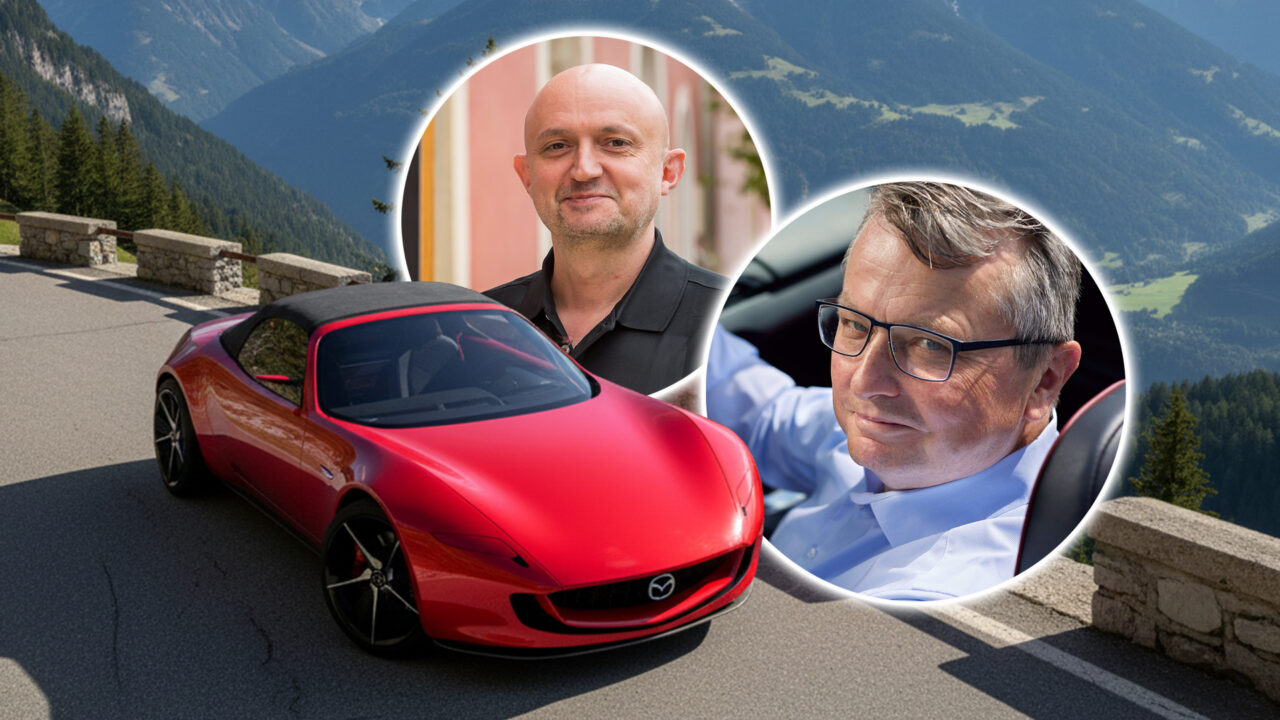
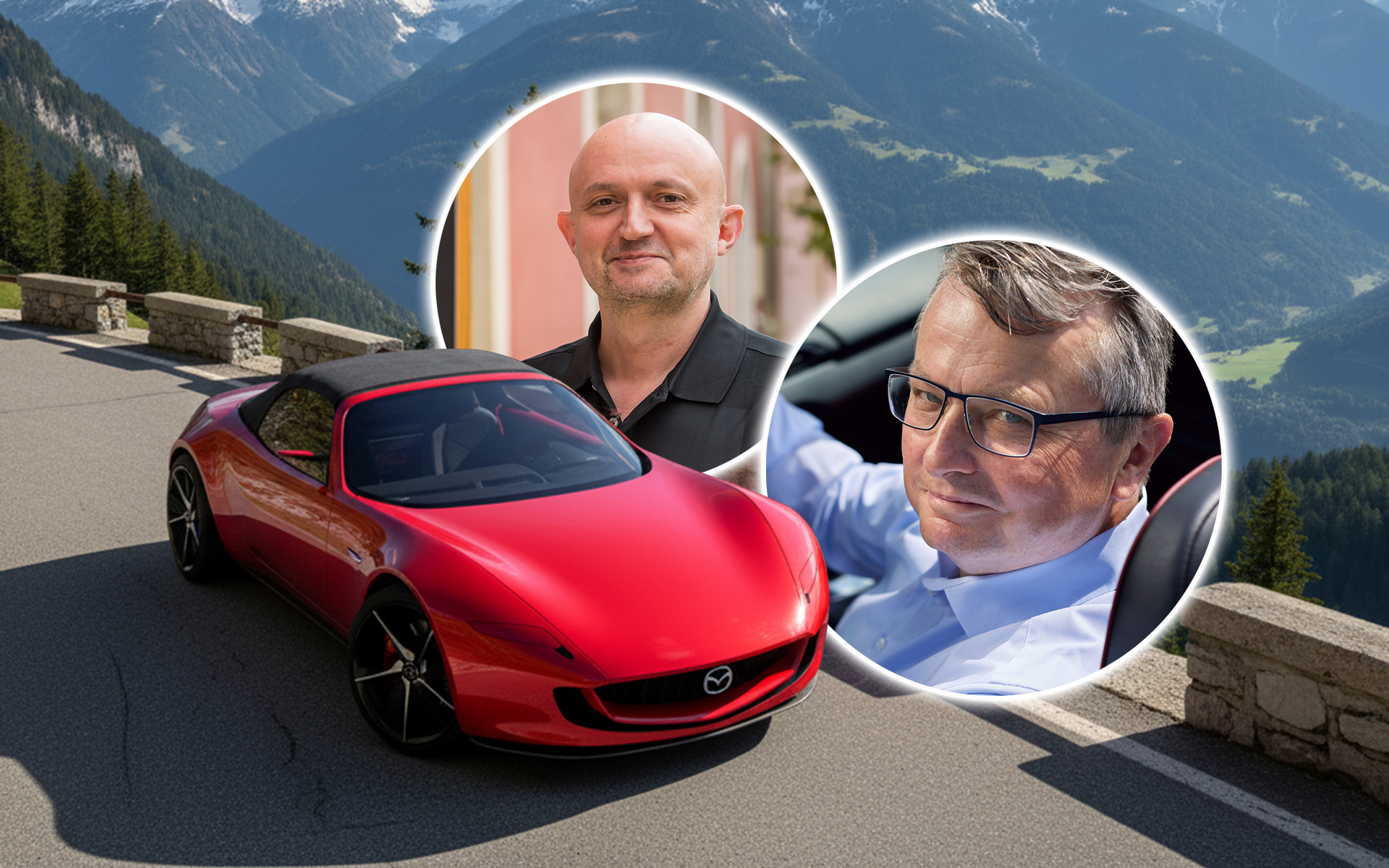
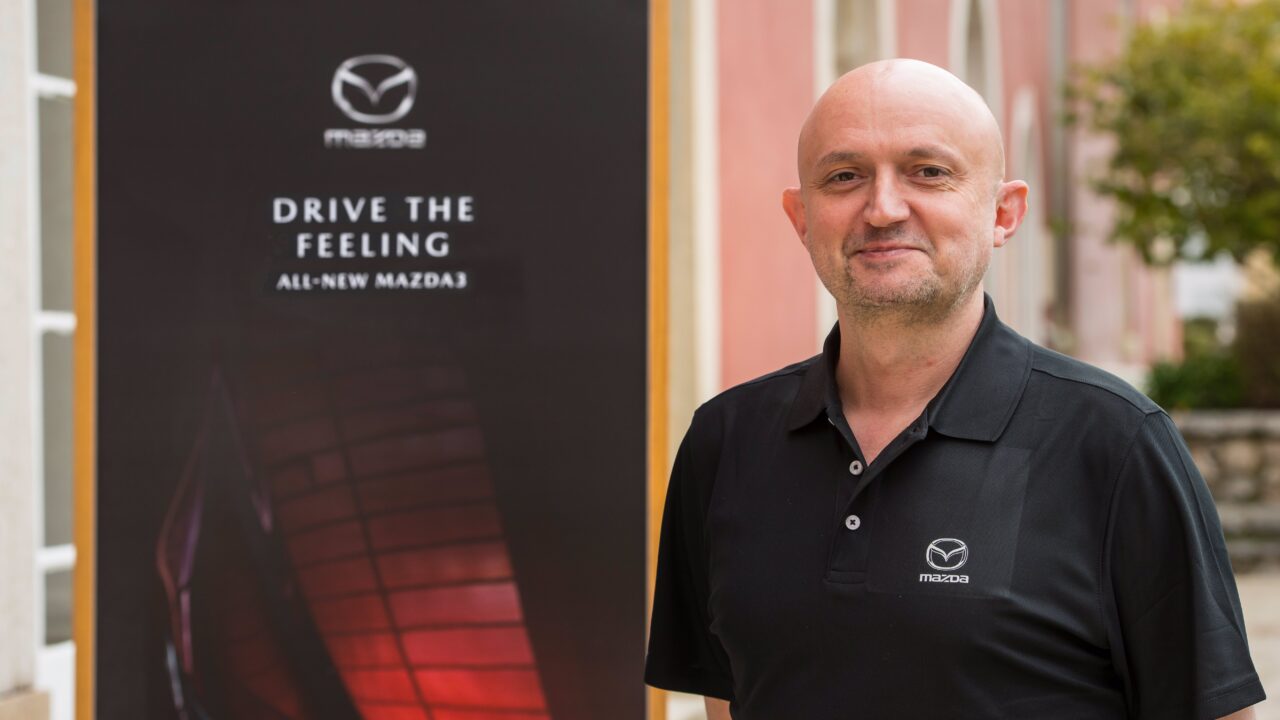
Jo Stenuit, Mazda’s design director in Europe, tells some details about the new Mazda MX-5 during an exclusive 1-on-1 interview with AutoRAI.nl journalist Bart Oostvogels. Asking about this model is interesting because the current generation – the Mazda MX5 ND – is currently in the winter of its life.
MX-5 core of our business
Stenuit: “The Mazda MX5 is, of course, the core of our business. Without MX-5, Mazda would look completely different. So of course we are working on it. What powertrain the car gets, that’s not fixed. I personally like a gasoline engine, but I can also imagine driving through the woods with an MX-5 and having no engine noise when driving open. Above all, the MX-5 stands for fun, lightweight and affordable. If one of those three aspects isn’t there, then it’s not an MX-5. Other brands have already tried to build an electric roadster, but that’s something else entirely. Aspects like fun, lightweight and affordable are also heavily dependent on the powertrain.”
Improve recipe further
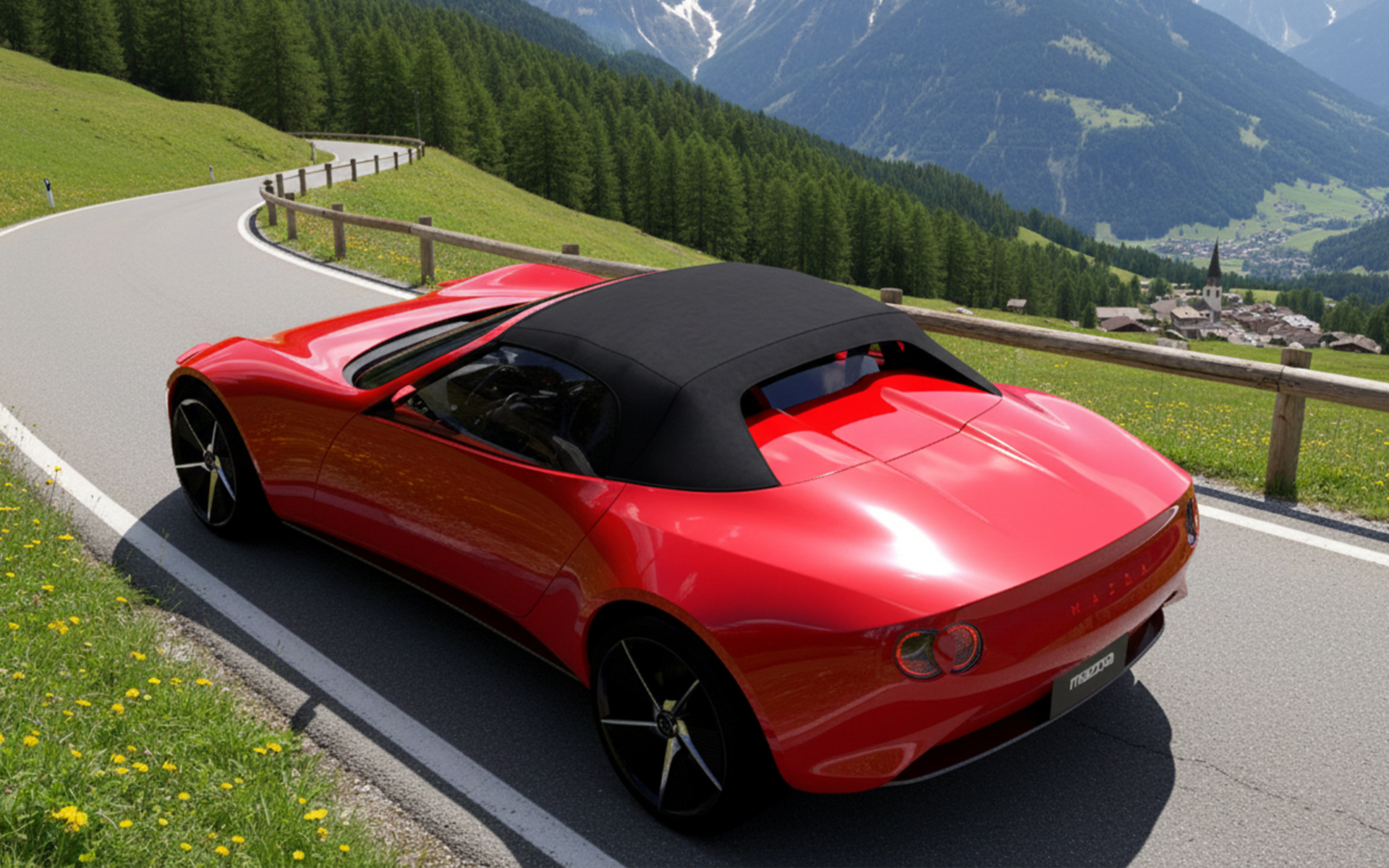
Then the question is how to further improve the ND’s recipe. Stenuit: “The ND generation is now twelve years old and it is still a perfect car. So yes, how do you make that better? That’s difficult. We did a project in 2024 where we kind of started looking at what the possibilities are for the MX-5 NE. Nothing is fixed right now, but I’m sure that car will come and there will be some form of electric support in it. Mild hybrid will be the least of it. As mentioned, the MX-5 is the soul of the company. As you know, in Hiroshima they are also a bit crazy so something interesting will come out of that. But that will take a few years.”
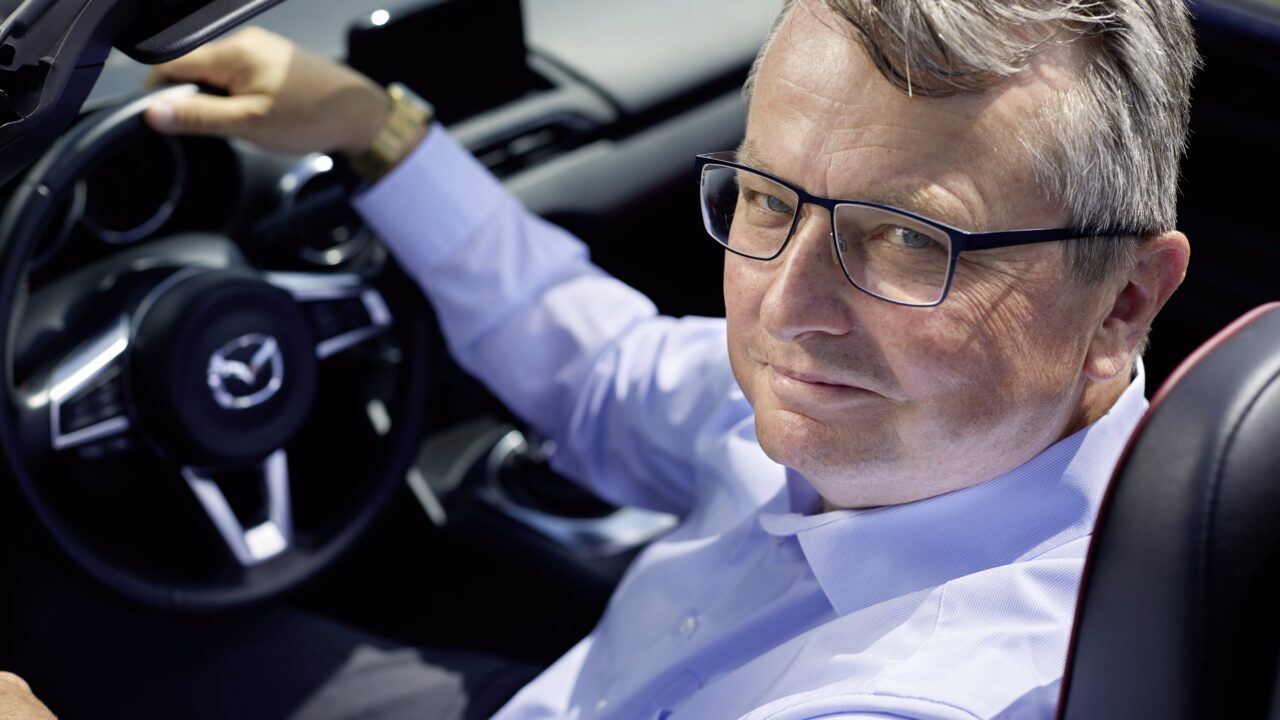
In conversation with Christian Schultze, Director Research & Operations at Mazda Motor Europe
It is clear that the MX-5 is sacrosanct at Mazda and that the Japanese manufacturer is doing everything in its power to make a sequel to the model. In that regard, it is also interesting to talk to Christian Schultze, Director Research & Operations at Mazda Motor Europe. After all, he turns the knobs on new models and knows all the ins and outs. He may and cannot tell everything, but he is happy to share his vision of the MX-5.
What do you think is the easiest way to make the MX-5 sustainable?
“The easiest way to reduce emissions from the MX-5 is to use synthetic fuels. That’s actually the short answer. If you look at the technical reality, synthetic, carbon-neutral fuel allows you to continue to use the existing fuel engine without having to change the whole concept of the car. For a model like the MX-5, which relies so heavily on lightweight, balance and mechanical purity, that’s a very logical route. The moment you go all-electric, you fundamentally change the architecture of the car. That means different proportions, different weight, different balance. With synthetic fuel, you preserve the essence of the car. That’s why I say: when it comes to the most direct and technically least invasive way to become more sustainable, synthetic fuels are the most obvious solution.”
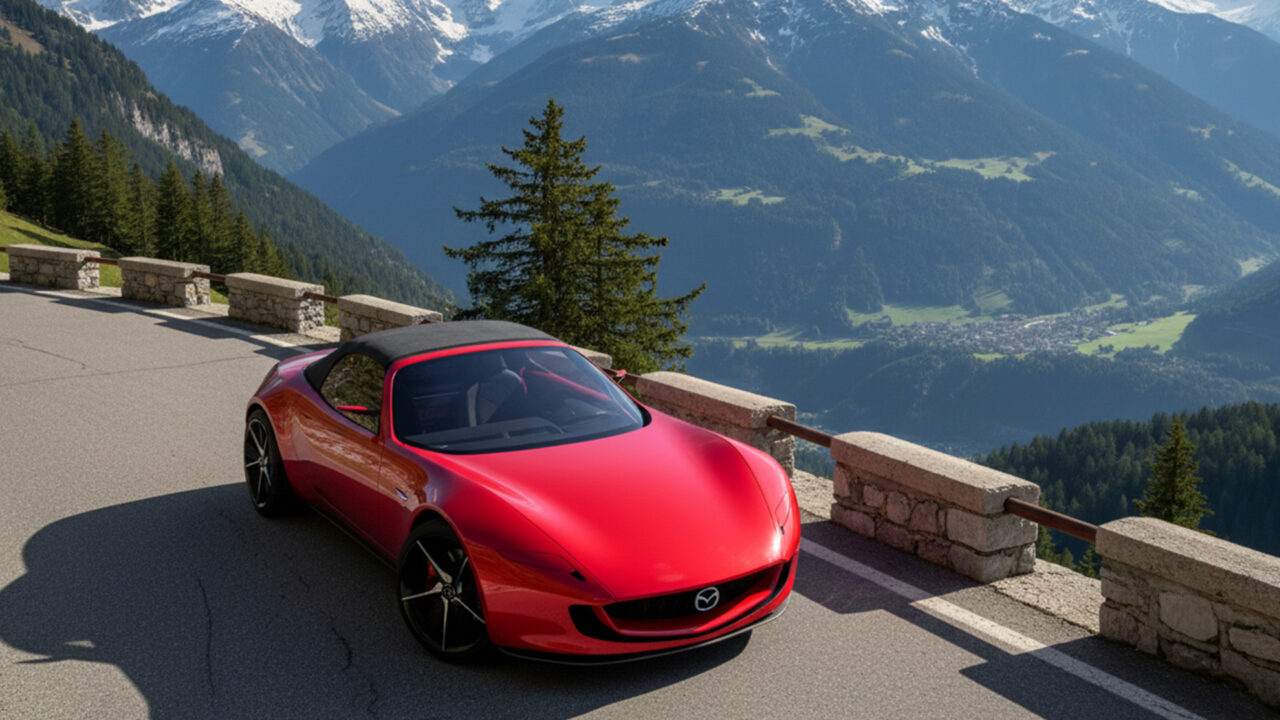
Suppose an all-electric MX-5 does become inevitable. What does that mean technically?
“If we are bound for an all-electric MX-5 in the future, it will be a serious engineering task. Everyone knows how much a battery weighs. Relative to the total weight of an MX-5, a battery pack can easily be half the vehicle weight. And that very low weight is one of the absolute core values of the MX-5. The MX-5 has always been a lightweight sports car. That is not a marketing term, but a fundamental premise in its development. As soon as you add hundreds of pounds of battery weight to that, you have to compensate drastically in other places. That requires very clever constructions, new materials, different packaging. Then you really have to dive deep into the engineering toolbox to preserve the character of the car.”
So would you rather see an electrified, but not all-electric solution?
“I honestly hope that in the future we can offer an MX-5 that is electrified, but not fully electric. That could be, for example, a solution where you combine a relatively light form of electrification with carbon-neutral fuel. That way you retain the low weight and immediacy, but work toward emissions reduction. There have been sports cars in the past with a range extender architecture. That solution was precisely to keep the battery smaller and lighter. Such concepts can be interesting if you want to reduce weight. But in the end, it depends a lot on legislation and the room that regulations give us.”
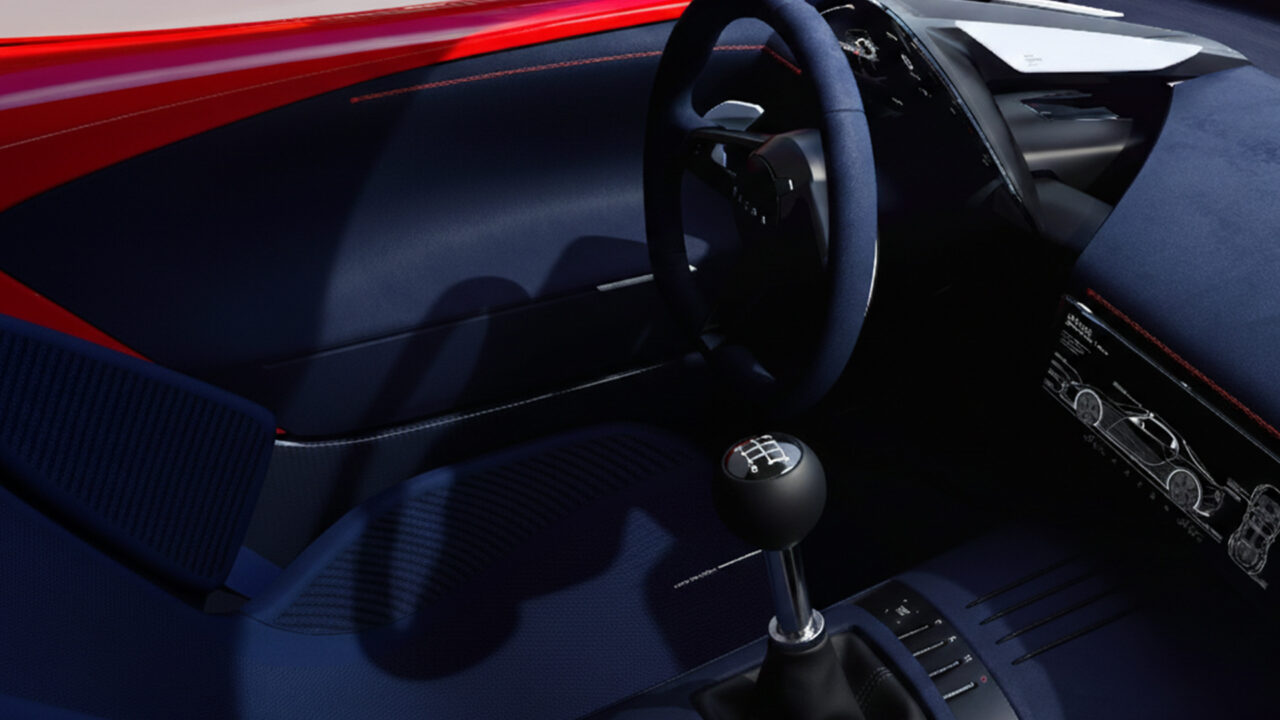
Is the next-generation MX-5 already in development?
“The current generation is called ND. What exactly the next generation will be called is not yet final. Maybe it will be NE, but I can’t confirm anything about that right now. Right now, we are mainly concerned with the current MX-5 and how to preserve and further develop it as best we can. The development of a new generation has not yet been completed, but we don’t need to yet. There is no need to be completely ready at this time. What is important is that we are prepared when regulations or market conditions demand it. So we are working ahead, but without rushing decisions.”
There is talk of a possible 2.5-liter engine. Is that realistic?
“A 2.5-liter sounds attractive, I understand that. But interestingly enough, we tried something like that about 20 years ago. Our engineers at the time built a prototype with a 2.5-liter V6 in their spare time. They did that here in the workshop, purely out of enthusiasm. Technically, it was a fascinating project. The problem, however, was the packaging. The engine did not fit properly under the hood; it was simply too tall. The result was not optically attractive. But in terms of driving experience, it was absolutely interesting. That shows that the idea in itself is not new.”
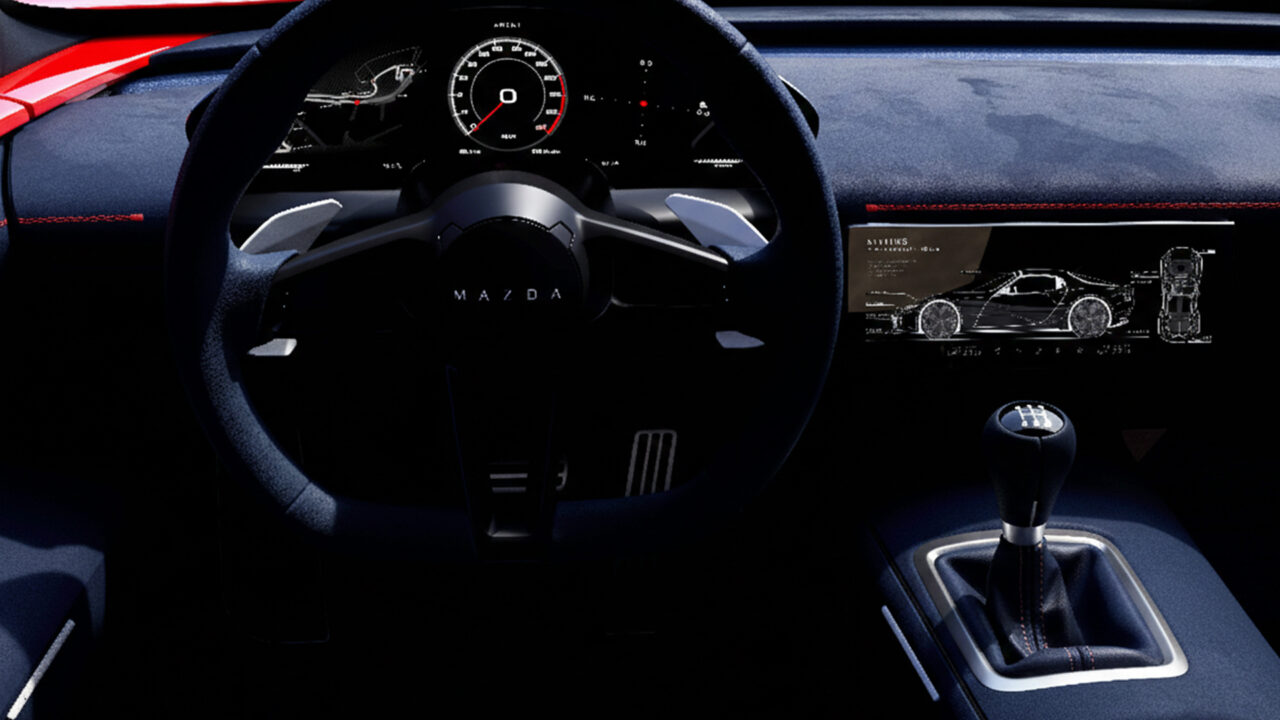
Why would a 2.5-liter be necessary today?
“The question really is: what do you need the 2.5-liter for? Is it for extra torque? Is it for better emissions ratings? Or is it mainly attractive because the figure is bigger? We want a light engine. By definition, a 2.5-liter is heavier than a 1.5- or 2.0-liter. Extra weight up front directly affects balance and handling. Those are exactly the elements that make the MX-5 so special. So it’s not an easy choice.”
Does Euro 7 play a decisive role in that engine decision?
“Euro 7 definitely plays an important role. The current generation has been on the market for 12 years. With the advent of stricter emission requirements, we need to act. That will undoubtedly be a major challenge. But whether the solution is automatically a bigger engine, I doubt it. We are looking for a technically sensible solution with the right performance, the right weight and full regulatory compliance. That’s not an easy puzzle.”
Does that mean the current 1.5- and 2.0-liter engines will stay for now?
“We are trying to continue with the current engines as long as possible and optimize them to meet future regulations. That means technical modifications, improvements in combustion, exhaust aftertreatment and efficiency. Whether that will be enough depends on how strict the final regulations become. But our starting point is clear: keep what is good and improve where necessary.”
Do you see hybrid technology as a logical next step?
“There are many forms of hybridization possible. You see sports cars these days where hybrid technology is used purely for extra power. That’s an interesting development, but it doesn’t automatically fit the philosophy of the MX-5. For the MX-5, it’s not about maximum horsepower figures. You don’t need extreme power to experience driving pleasure. Even with a relatively small engine you can experience enormous fun. So hybridization would only be of interest if it contributes to efficiency or regulation, without undermining weight and character.”
What do you think is the essence of the MX-5?
“I always say: the MX-5 is the art of driving slowly. That may sound paradoxical for a sports car, but it’s exactly the point. Even when driving along a winding road at 70 kilometers per hour, you can experience maximum driving pleasure. It’s not about diving into a corner at 210 kilometers per hour. It’s about balance, feel, interaction with the car. That’s what has made the MX-5 unique for decades.”
How long can a car like the MX-5 last?
“That largely depends on legislation. But one thing is certain: we want to keep this iconic car alive for as long as possible. The MX-5 is an essential part of our brand DNA. As long as we can maintain the core values – lightweight, balance and pure driving pleasure – we will continue to look for solutions to future-proof the MX-5.”