
Say goodbye to the BMW Z4
A concluding series
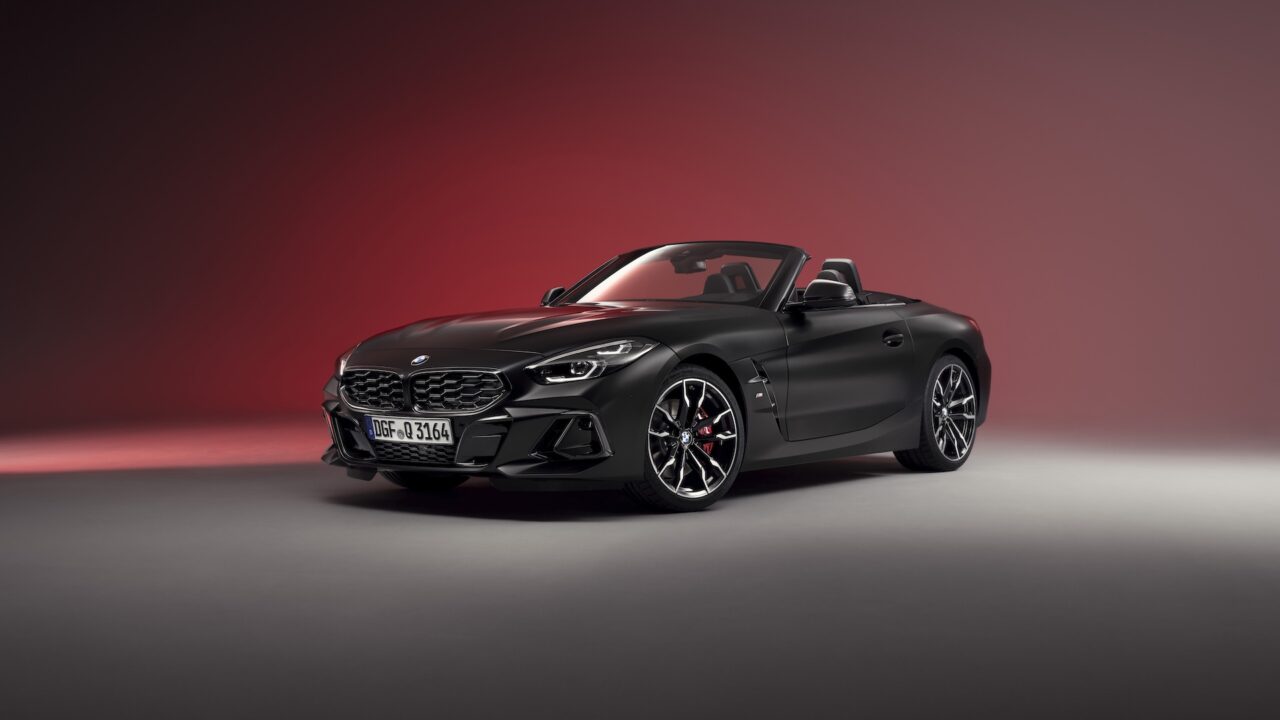
The BMW Z4 Final Edition appears in limited numbers and is available for both the sDrive30i and the more powerful M40i. The version stands out primarily visually. BMW supplies the roadster in the matte paint colors Frozen Matt Black and Frozen Deep Green, among others. The combination with M Shadowline accents gives the car a subdued, dark appearance. Furthermore, the M Sport brake system in red is a permanent feature of this series. With this, the model clearly differs from the regular Z4 versions, although the technical basis and engine variants remain unchanged.
Inside, BMW continues the line of subtle tweaks. Contrasting red stitching runs throughout the interior, from the dashboard to the doors and seats. Finishes range from Vernasca leather to Alcantara, while the M Sport steering wheel receives the same red stitching. Specific door sill strips mark the Final Edition as a separate trim within the range.
Tradition of open two-seaters
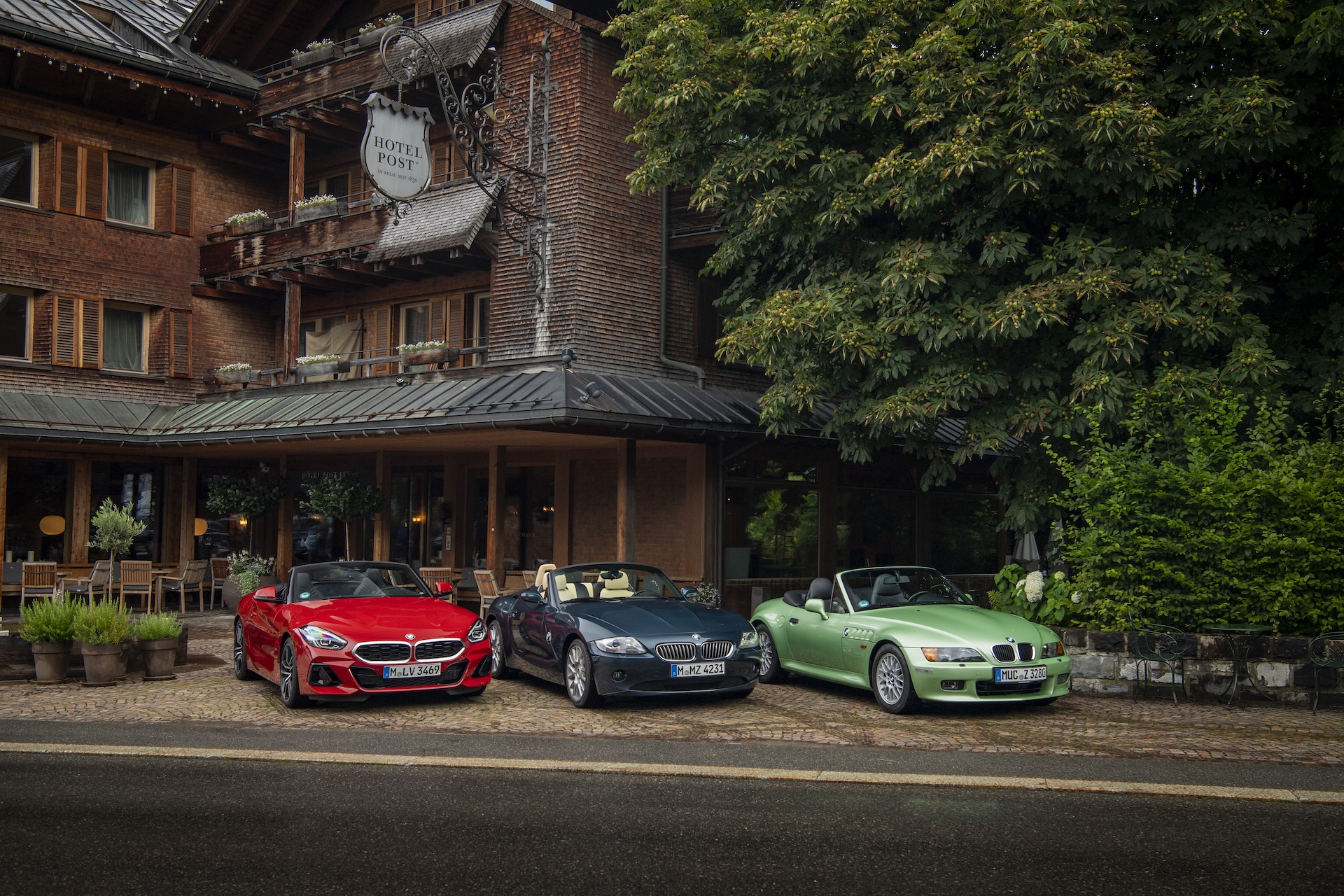
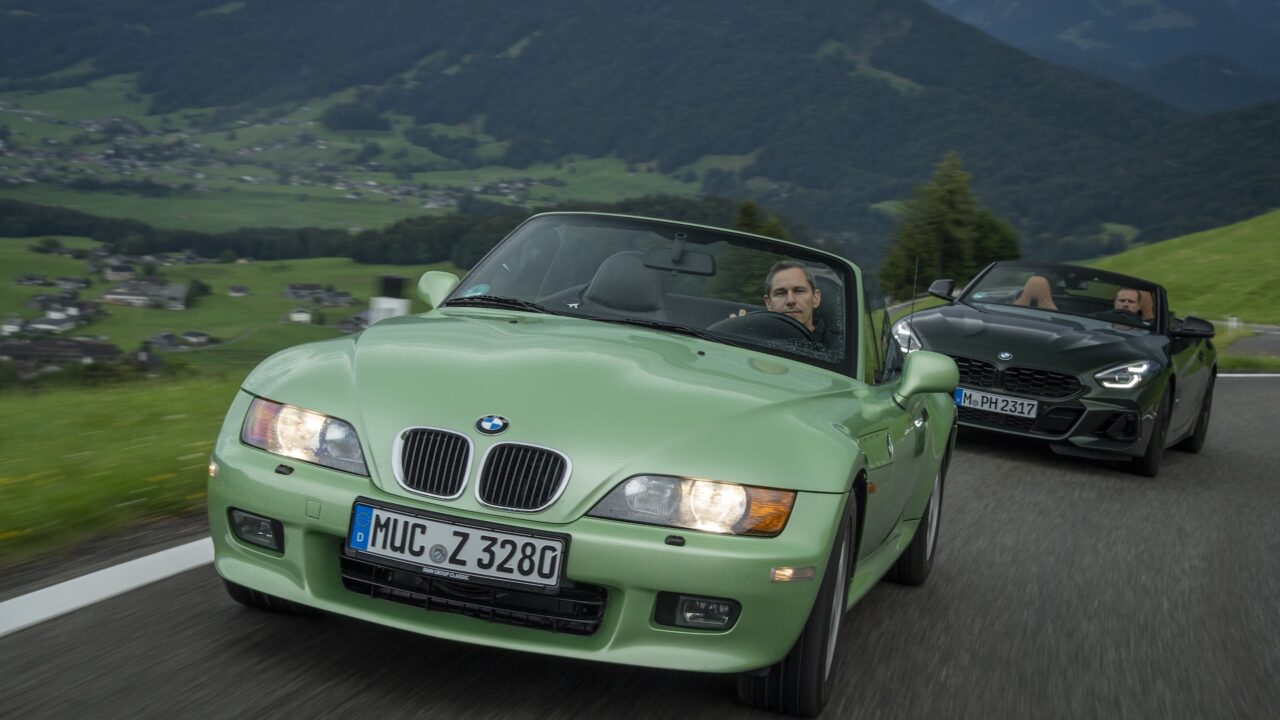
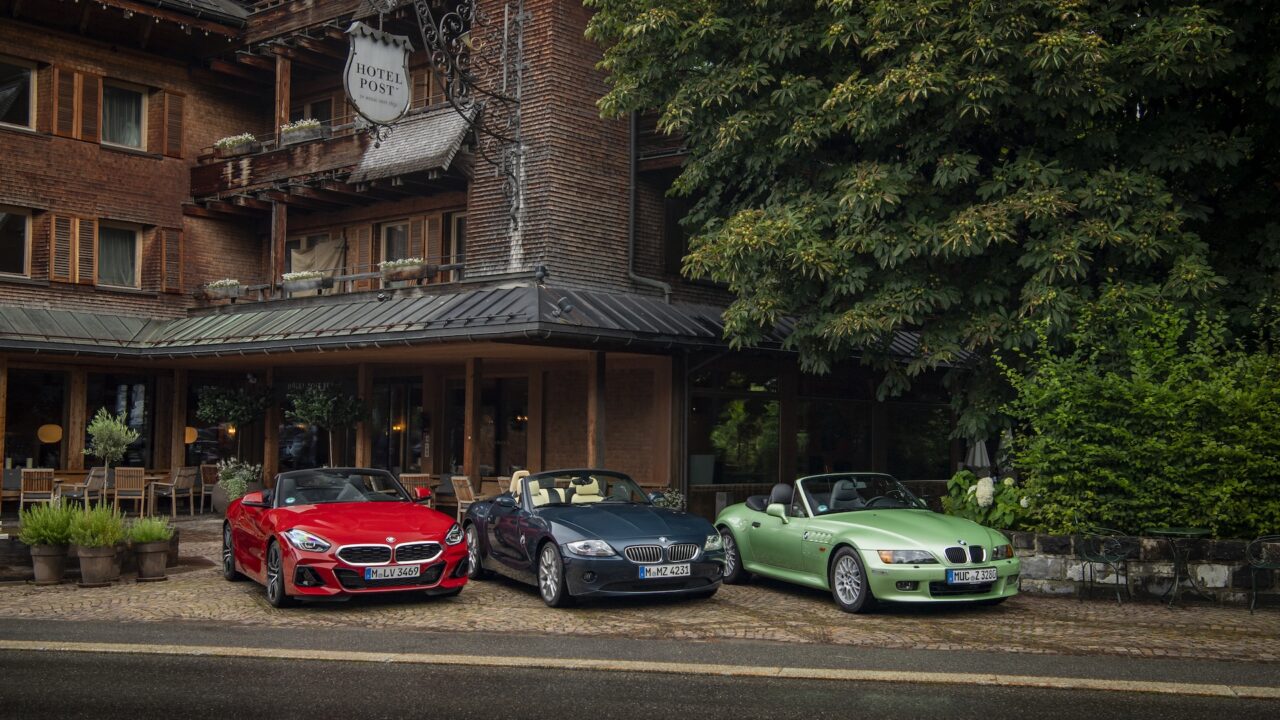
The Z4 does not stand alone. BMW’s history with open sports cars begins as early as the 1930s with the 328 Roadster and runs through models such as the 507 and later the Z1, Z3 and Z8. When the Z4 made its debut in 2002, it was the direct successor to the 1995 BMW Z3, but also clearly a more modern interpretation of the same theme.
The first Z4, known internally as E85, stood out for its classic roadster proportions: a long hood, a compact stern and a low seating position close to the rear axle. The car introduced a stiffer body than its predecessor, which contributed to a more precise steering feel. The 50:50 weight distribution became a defining point within the model’s communications. The Z4 M Roadster constituted the top-of-the-line model at the time, equipped with an in-line six-cylinder that was also in the M3. With it, BMW was targeting drivers who sought distinctly sporty dynamics in addition to open driving.
Evolution with a steel roof
In 2008, BMW introduced the second generation, the E89. This Z4 differed from its predecessor in one important aspect: the model received an electrohydraulic folding hardtop as standard. This changed the car’s character. With the roof closed, the Z4 behaved more like a coupe, while the roof could disappear in twenty seconds for those who wanted to drive open. The aluminum roof construction kept the weight under control, although the car as a whole made a heavier impression than the E85.
The interior became more spacious and received more modern controls, including for the first time the BMW iDrive system in a Z model. The technical basis remained focused on a combination of rear-wheel drive and balanced proportions between comfort and sportiness.
Back to the essence
With the arrival of the third generation in 2018 – internally referred to as G29 – BMW returned to a cloth hood. In doing so, the model more often rejoined the classic image of the open roadster. The presentation took place at Pebble Beach, a venue BMW uses more often for models with a strong lifestyle element.
The G29 received modern assistance systems, a digital interior and a range of engines that ranged from four-cylinders to the familiar three-liter six-cylinder in-line in the Z4 M40i. This most powerful variant also became available in 2024 with manual transmission in the Pure Impulse Edition, a choice aimed primarily at enthusiasts of involved driving.
BMW Z4 Final Edition: the final piece of a triptych
The BMW Z4 Final Edition now marks the end of the Z4 line. At a time when electric models are playing an increasing role, the traditional roadster seems to be slowly losing ground. Yet the Z4 has had significance for BMW beyond sales figures. The model symbolized the continued presence of compact, open sports cars within the brand.
With the end of production in March 2026, BMW will close a period in which three generations of Z4 together formed a chapter in the broader history of the roadster. The Final Edition acts as a concluding note: a version with its own character, intended for a select number of buyers who choose one last time to enjoy the combination of a classic two-seat layout, a traditional powertrain concept and a recognizable design that has changed only slightly over the years.