
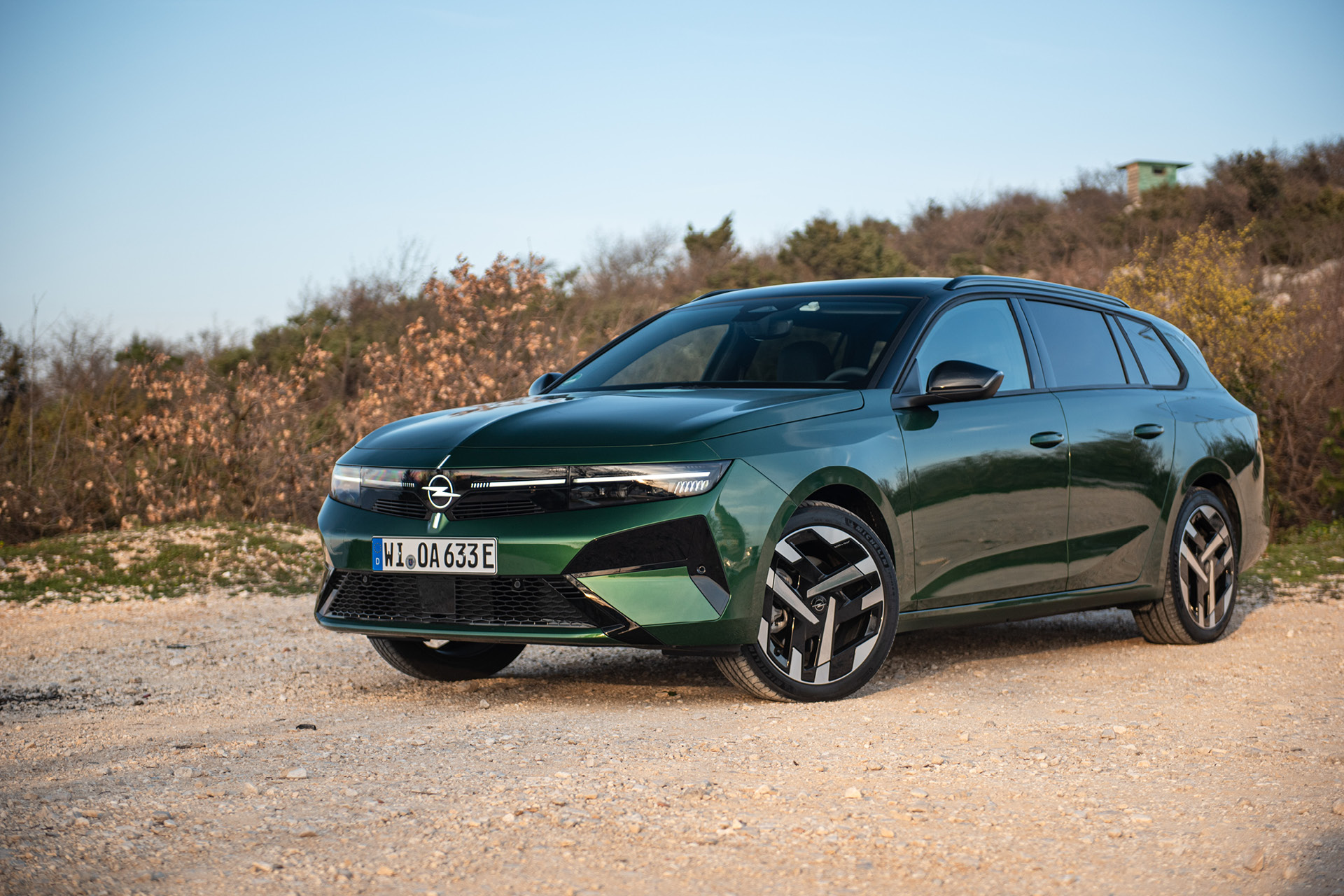
Review: Opel Astra Electric Sports Tourer – silent force behind the soccer team?
Moreover, with a starting price of 36,499 euros, it positions itself exactly between two worlds. Below it is the compact Opel Frontera, which starts at 29,999 euros, while the larger and more expensive Grandland costs a minimum of 43,999 euros – assuming the electric powertrain. This makes the Astra Electric Sports Tourer seem, on paper, a logical middle ground for families who want to drive electric. But how does that work out in practice?
Using five letters – A, S, T, R and A – we take a step-by-step look at the Opel Astra Electric Sports Tourer along its key features.
A, of range and powertrain
The Astra Electric Sports Tourer comes in one flavor, good for 115 kW (156 hp) and 270 Nm of torque. Interestingly, Opel has increased the battery pack from 54 kWh to 58 kWh. According to the factory estimate, this provides some 35 kilometers of additional driving range, while the weight has only increased by 5 kilograms – talk about efficiency.
This takes the station wagon to 445 kilometers on a single battery charge (WLTP), while the hatchback kicks it just a bit further with 454 kilometers. The plug-in hybrid has also taken a similar step. There, battery capacity grows from 12.4 kWh to 17.2 kWh, showing Opel’s commitment to more electric driving range across the board. In practice, the efficiency of the electric Astra is apparent. According to factory specifications, consumption is 15.6 kWh per 100 kilometers, but during our drive we even noted a value of 15.2 kWh per 100 kilometers.
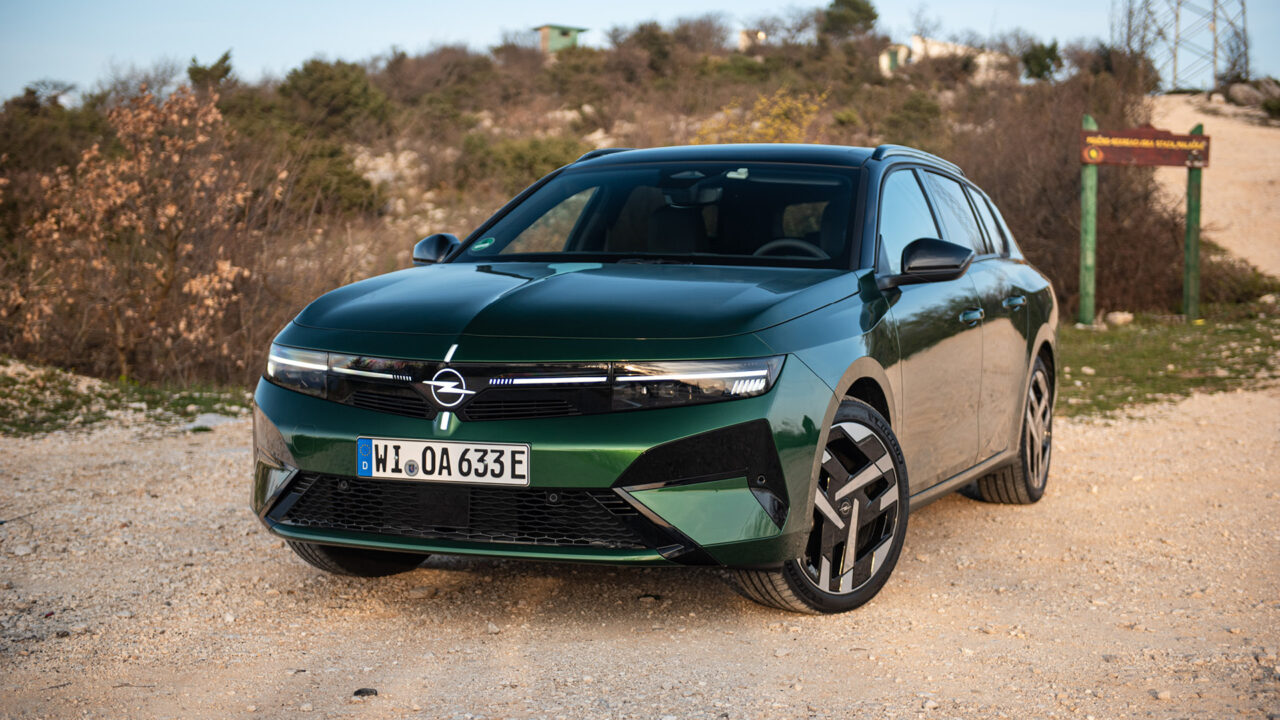
Charging can be done with up to 11 kW (AC) and up to 100 kW (DC). No outliers, but values that are quite useful in practice. New is the addition of Vehicle-to-Load (V2L), which allows you to power external devices, such as a cooler to keep water bottles cool for the soccer team.
Still, there are limitations. The platform does not allow for larger battery options, which means the Astra cannot grow with models heading toward 70 or even 80 kWh, such as the Kia EV4. You may also pay more, but you get range in return.
In addition, the towing weight is 0 kg. When the race is over and you return home, you cannot then take dirt away to the dump with a trailer behind your electric station wagon. At 60 kg, the maximum nose weight is slightly lower than the non-electric variants, at 70 kg. For those who regularly use a trailer or bike carrier, this is a point to consider.
Finally, regenerative braking is present, but full “one-pedal driving” is missing. In city traffic, that means using the brake pedal more often than some competitors.
S, of sensation: boring or secretly fun?
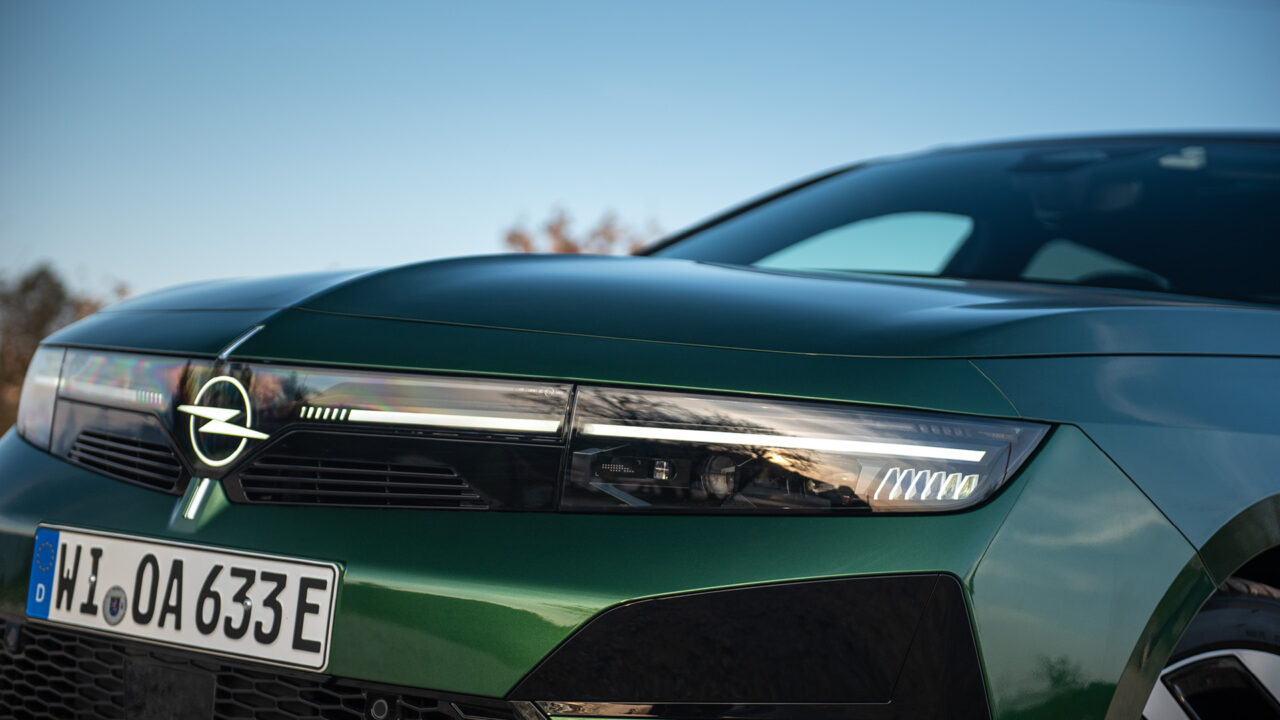
An estate car does not immediately conjure up associations with dynamism, but the Astra manages to subtly adjust that image. The design is sleek, with a renewed Opel Vizor and now always-on Compass and Blitz, so you can make a splash in the dark. In short, this Sports Tourer is a great way to show up at the soccer club.
The real answer to this question becomes apparent while driving. On the road, the Astra Electric Sports Tourer feels instantly familiar. The direct torque of 270 Nm provides smooth acceleration without becoming truly sporty. For real power during acceleration, we’ll have to wait for an Astra Electric GSE, which would be a welcome addition to the Mokka GSE and Corsa GSE.
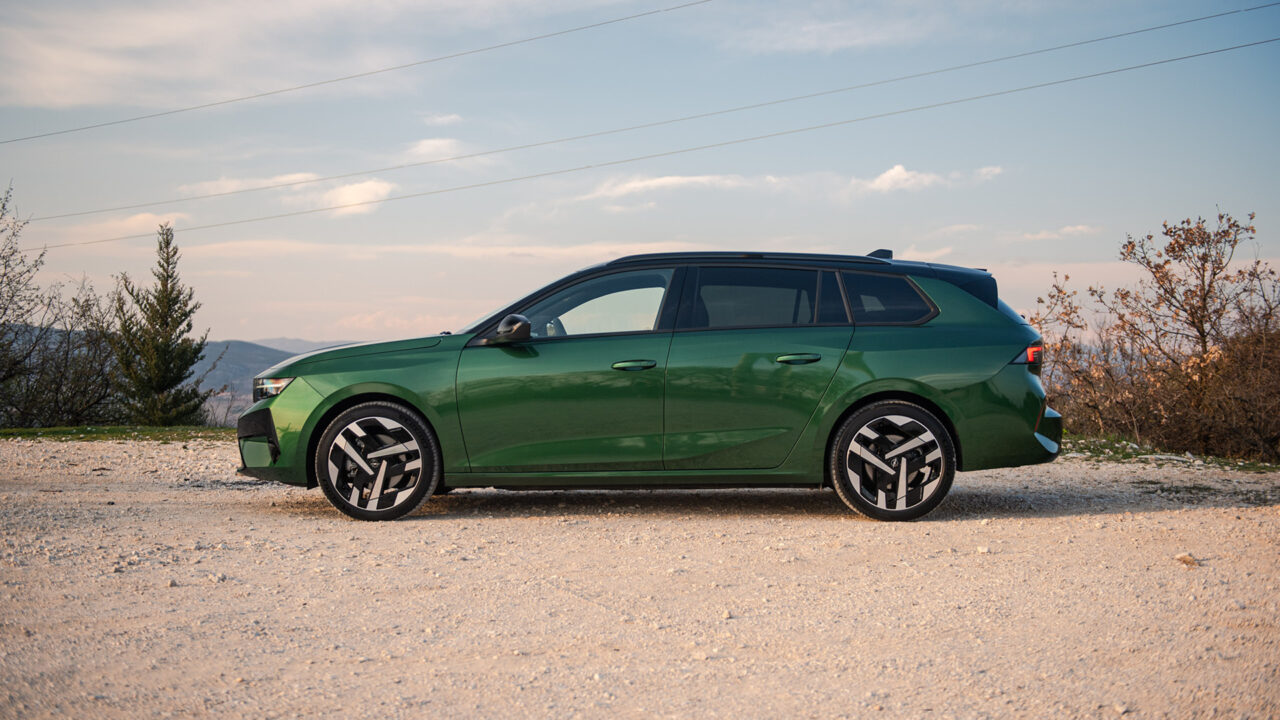
The suspension filters out bumps nicely and the steering is predictable, light and sharp. The character remains clearly comfort-oriented, which suits the role of this Astra: it is a car for daily use and longer trips. The silence on board reinforces that feeling. With no internal combustion engine, a quietness is created that suits longer distances well. Combined with the AGR seats, the Sports Tourer makes a pleasant travel car. So it is not boring or sporty, but feels familiar and that pleases positively.
T, of technology that makes a difference
In terms of technology, the Astra shows that it is up to date without going overboard. The infotainment system supports over-the-air updates, keeping software and features current over the life of the car. ChatGPT integration also takes voice control to the next level.
In addition, the Intelli-Lux LED Matrix lighting is one of the bright spots on this car. The lighting continuously adapts to conditions and provides optimal visibility without blinding oncoming traffic. This comes into its own especially in the dark and on unlit roads.
R, of space for life
This is where the Astra Electric Sports Tourer makes its biggest statement. Where the hatchback is already practical, the station wagon takes a clear step extra.
Luggage space is 516 liters, compared to 352 liters in the hatchback. This difference is immediately noticeable in practice. Sports bags, groceries and suitcases: it all fits effortlessly. The rear seat can also be easily folded down for extra space up to 1,553 liters. However, there are caveats. There is a lack of space under the cargo floor to store your charging cable, and there is no frunk either. Vauxhall does offer a net on the side. Incidentally, the hybrid variant offers the most space in the rear with 597 liters, expandable to 1,634 liters.
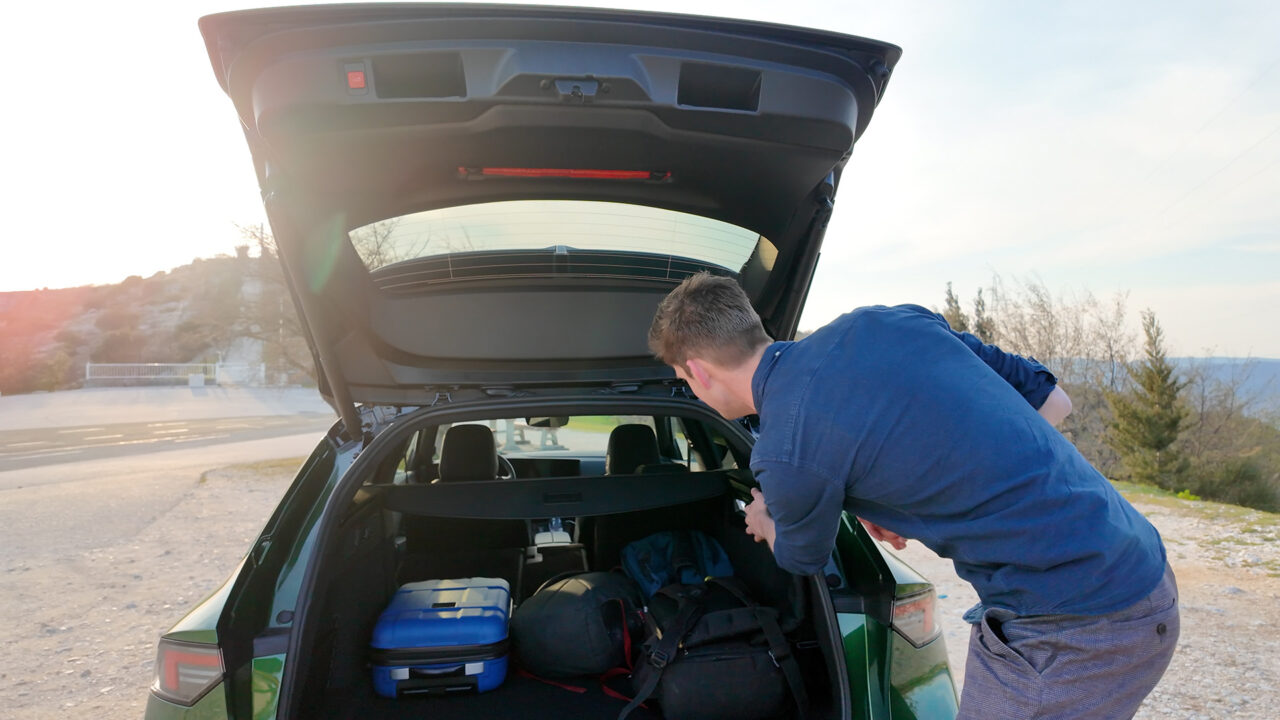
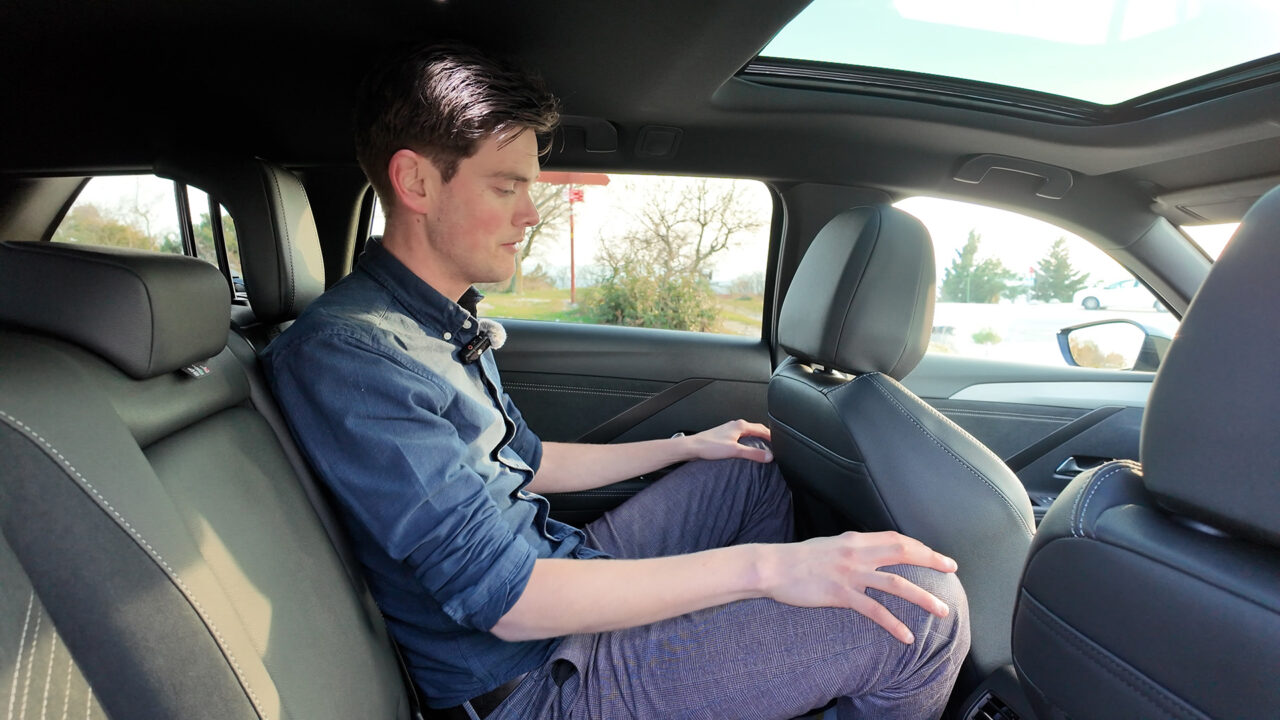
In the back seat, it becomes clear that this is really a family car. Space is fine for children, but adults quickly find themselves a bit cramped, especially with limited headroom – especially with the panoramic roof present. Helpful are the storage compartments and phone pockets, although there is only one USB-C port.
A, of pleasant sitting
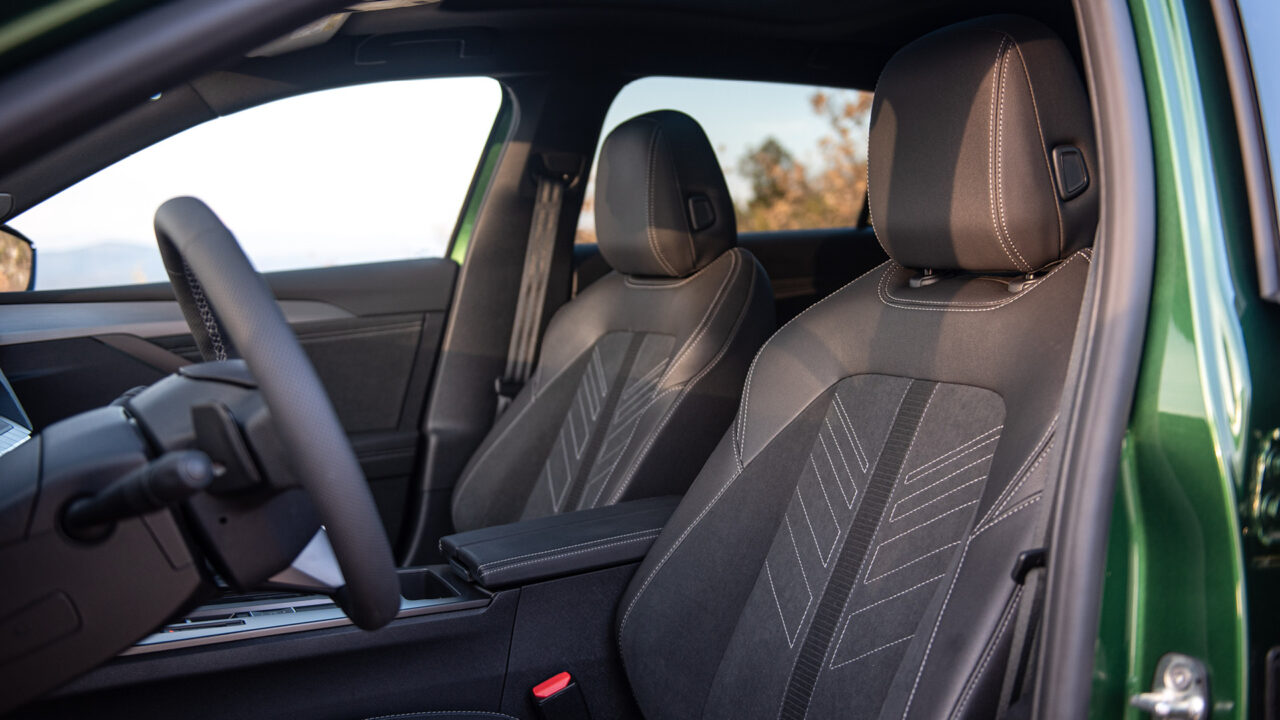
Opel is known for its ergonomic seats, and it is no different here. The AGR seats offer good support and make longer journeys comfortable.
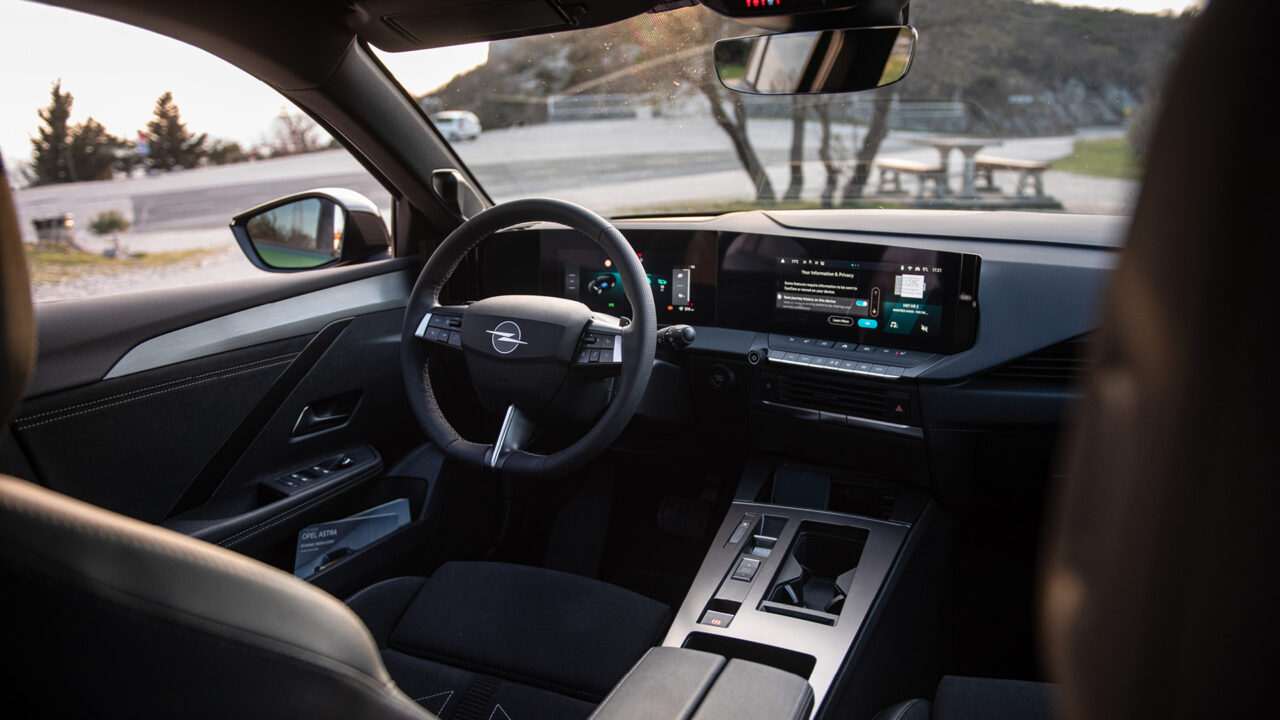
The pleasantness is also in the controls. Important functions are easily accessible, such as climate control, volume and a button to quickly turn off driving assistance systems – or turn them on, just as you find comfortable. The steering wheel is also equipped with buttons, which is nice. In addition, the materials have become more practical, with fewer high-gloss surfaces. The interior is sporty and no-nonsense at the same time.
What contributes to its pleasant character is the seating position. Compared to SUVs like the Frontera and Grandland, you sit lower and closer to the road surface. That makes for a more engaged feeling while driving and makes handling just a little more dynamic.
Conclusion Opel Astra Electric Sports Tourer
For everyday family life – full of soccer nets and bigshoppers – the Astra Electric Sports Tourer is a logical choice and shows that all-electric driving is a good option in this regard. It simply does what you expect of it considering range and practicality.
However, concessions are also apparent. Space in the back seat is limited for adults and it lacks towing weight. For those who also want to go somewhere with the caravan, it pays to look at the hybrid or plug-in hybrid variants of the Opel Astra. The electric Astra lets down a stitch here, which is thus neatly absorbed by the other powertrains.
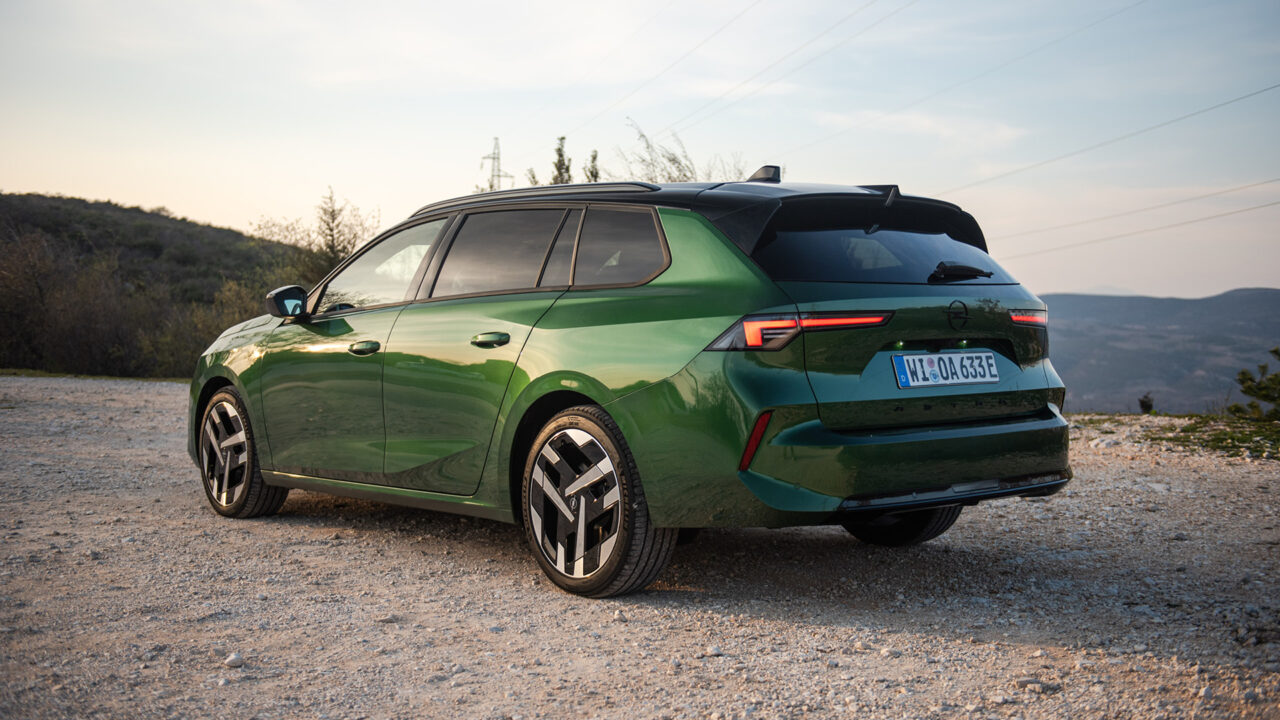
Within the broader Opel range, the Astra logically positions itself between the Frontera and the Grandland, which also gives it a midfield position in terms of price and size, to stay in soccer terms.
The electric Sports Tourer starts at 37,499 euros, while you get in for the mild hybrid from 36,499 euros and the plug-in hybrid Sports Tourer starts at 38,999 euros. Thus, the various powertrains are close together. And it is precisely this spread in technology and price that makes the Astra what it is: a model where there is something for everyone.