
New generation BMW i7 gets technology from Rimac
Higher energy density
In the new generation BMW i7 – which will debut at Auto China 2026 from April 24 to May 3 – BMW uses cylindrical lithium-ion cells (type 4695). These cells have an approximately 20 percent higher energy density than the prismatic cells from the previous generation (Gen5). The combination of this new cell technology with the existing modular battery design provides a significantly greater range. BMW also takes a step forward in the area of charging. The new technology makes higher charging capacities possible, reducing charging time.
Produced at Rimac Technology
According to Dr. Thomas Engelhardt, Senior VP Development High-Voltage Storage and Charging at BMW Group, the project shows how quickly ‘Neue Klasse’ technology is being rolled out within the model range. He also emphasizes that the cooperation with Rimac Technology is a good example of European innovative strength.
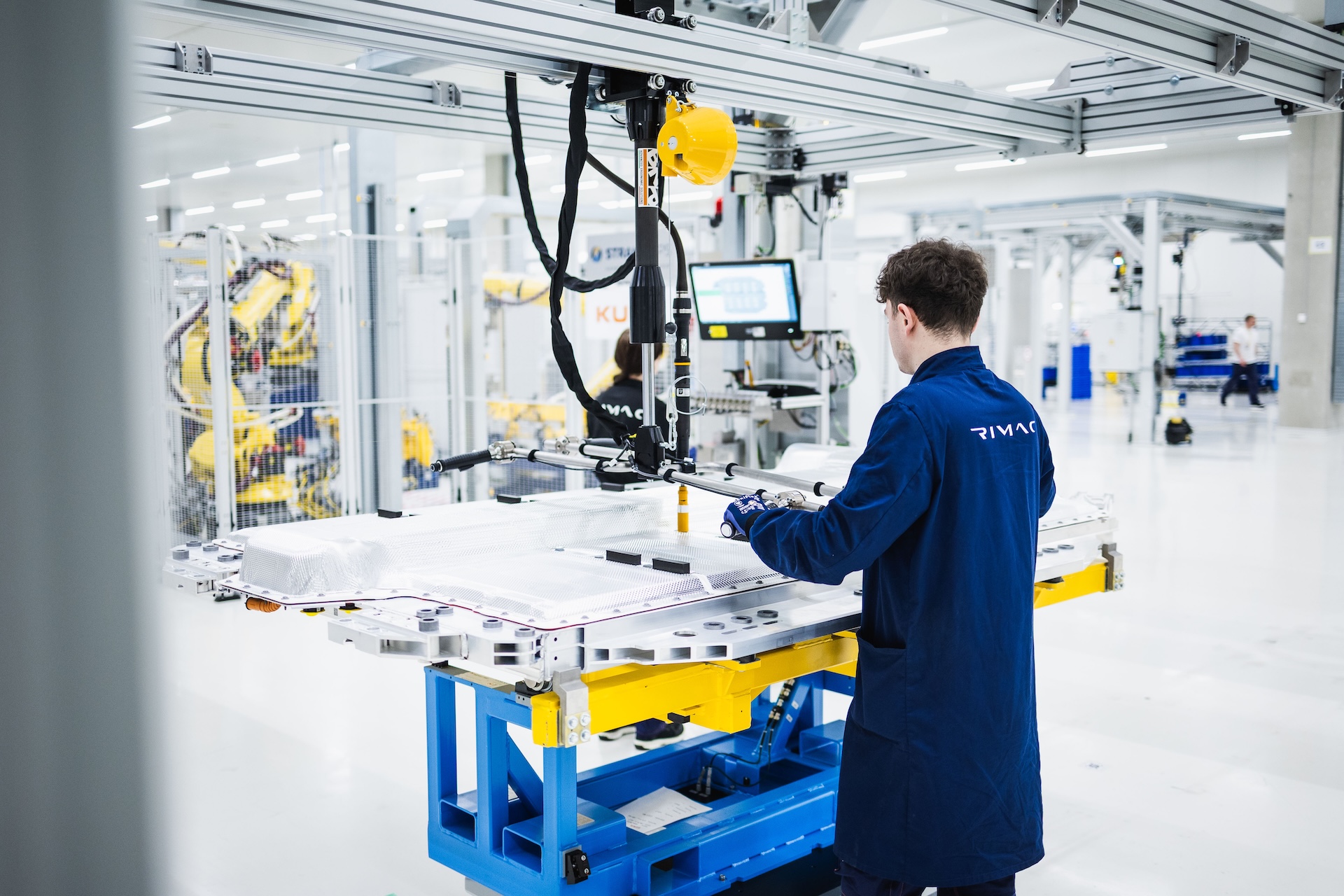
The high-voltage battery is produced at Rimac Technology in Croatia, after which it is delivered as a complete system to the BMW plant in Dingolfing. That is the only production site in the world where the BMW 7 Series is built.
Mate Rimac, founder and CEO of Rimac Group, says that BMW is known for its technical ambitions, which made the collaboration especially interesting. According to him, the two parties have developed a battery pack in a short time that makes optimal use of the new cylindrical cells, with clear improvements in energy content, range and charging performance. Production is now taking place on a larger scale at the Rimac Campus.
Rimac Technology develops and produces high-voltage batteries, e-axles, electronics and software in-house, among other things. The collaboration with BMW underscores Rimac’s growth from a specialist in hypercars to a supplier for large-scale production projects. The world premiere of the new BMW i7 is scheduled for April 22 at Auto China 2026 in Beijing.