
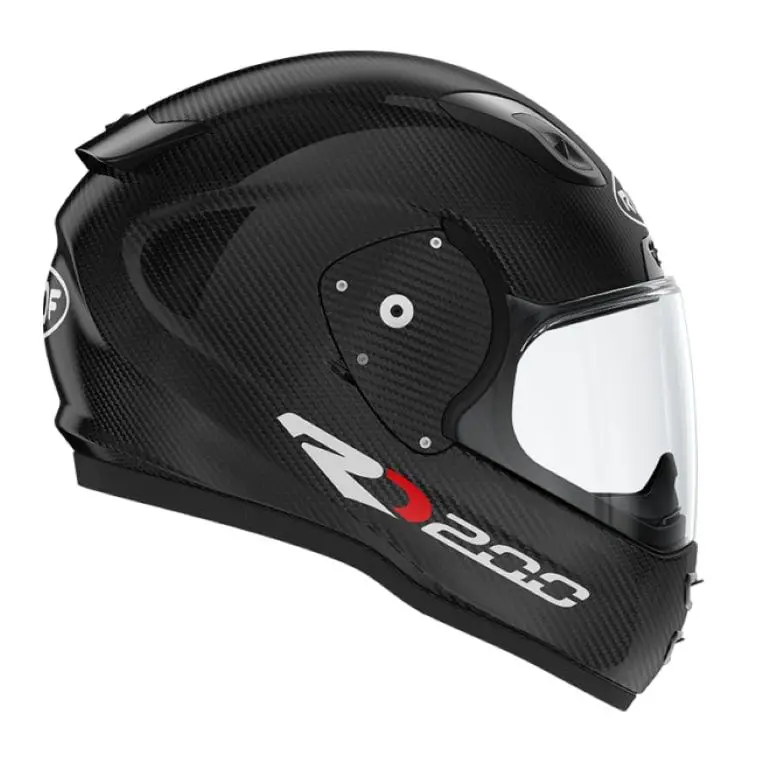
Buying a helmet cheaply online: check sizing first
Start measuring, but don’t count on “I usually have M”
Measuring gives you a concrete starting point. Measure your head circumference where the helmet brim will sit: just above your eyebrows and across the widest point at the back. With that result, check the size chart of the brand and model to see what size fits.
Next, pay attention to the shape. Two helmets of the same size can feel completely different because of the head shape they are made for (round or more long-oval) and because of the inner lining. What you’re looking for is an even, firm fit. Sharp pressure on your temples or forehead is usually a signal that this model is not a good match for your head. If a helmet feels immediately roomy, check extra to make sure it stays stable when you move.
Buying online means you don’t get to try on five models in a row, but you do have the peace of mind to really feel at home how a helmet holds up when you have it on a little longer.
Quick check: what do you feel right away?
Check that the basics are right: even fit without sharp pressure (for example, at temples or forehead), no play on top, cheeks that make contact, and a chin strap that closes comfortably without having to pull it extremely tight.
The 20-minute test: how to avoid home disappointment
That first minute can be misleading. With the 20-minute test, notice how the helmet behaves when you actually wear it for a while. Put the helmet on, close the chinstrap normally (firmly, but not at the far end) and keep it on for about twenty minutes while you walk around. Pressure points and instability will usually emerge naturally then.
During that test you pay attention:
– Jaw movement (talking/chewing): your cheeks should make firm contact, without cutting or burning.
– Quietly shake “yes” and “no”: the helmet should move with your head, without posturing or sliding.
– Pressure spots that build up: if a spot becomes increasingly obvious, a different fit or model often fits better (even if the size is correct on paper).
A helmet that feels comfortably roomy shows in this test whether it remains stable enough, especially around cheeks and neck. A helmet that’s nice and tight should actually provide even pressure. If it mostly feels like dull, constant pressure on forehead or temples, then “pushing through” usually doesn’t help: you’ll want a different shape.
Fit is also: visor, wind noise and your bike stance
Fit goes beyond girth. While trying on, you’ll also notice how the visor closes, how the ventilation feels and what to expect from wind noise. A visor that closes neatly and feels even all around often gives instant confidence. Ventilation quickly lets you know whether it stays fresh or becomes stuffy. Wind noise is often related to how the helmet fits at the neck and cheeks, as well as your windshield and seating position. As a result, the same helmet can feel quieter on one person and more noisy on another.
Also test with your jacket on: a high collar can hit the bottom edge of your helmet. If you check that at home, you’ll quickly know if helmet and jacket work comfortably together.
Choice tool that works in practice
Keep it simple: fit first, price second. When in doubt between two sizes, go by feel: if the helmet fits firmly to your cheeks when put on without sharp pressure on temples or forehead, you’re usually right. And if the helmet with closed chin strap twists or lifts easily, a size smaller or a different fit is often a better match. So you buy online with more certainty and get on the bike with less doubt.